REVIEW · PARIS
Paris: Invalides Dome – Skip-the-Line Guided Museum Tour
Book on GetYourGuide →Operated by Babylon Tours LLC · Bookable on GetYourGuide
Napoleon’s gold dome is hard to beat. In about two hours, you get a guided, skip-the-line route through the Musée de l’Armée at Hôtel des Invalides, where French military power is told through architecture, art, and artifacts. I especially like how the tour turns big names into a clear story you can actually follow.
The second thing I like: the guides. When I read about guides such as Florent, Mathieu, Anatole, Daniel, and Taylor, the common thread is how well they connect details to questions—so you don’t wander through rooms feeling lost or stuck in trivia mode.
One possible drawback: moderate walking plus strict rules in some parts of the museum (including quiet areas). If you’re sensitive to pace or can’t do steady walking, you’ll want to choose a different option or check mobility suitability before booking.
In This Review
- Key things to know before you go
- Why Hôtel des Invalides is the right setting for Napoleon
- Skip-the-line entry and a smart two-hour plan
- The courtyard story: Louis XIV’s hospital for veterans
- The cathedral: a royal space made for troops
- Napoleon’s tomb beneath the gold dome
- The museum galleries: artifacts, recreations, and maps
- What the best guides do differently
- Group size and pace: small, structured, and mostly walking
- Price and value: what you’re really paying for at $128
- Practical tips to make your tour feel effortless
- Who should book this tour
- Should you book the Paris Invalides Dome tour?
- FAQ
- How long is the Paris Invalides Dome skip-the-line tour?
- What’s included in the price?
- Where is the tour located?
- Which languages are available for the live guide?
- Is wheelchair access available?
- Can I bring a large suitcase or luggage?
- What should I bring with me?
- What if I need to cancel?
- What’s the walking like?
Key things to know before you go
- Skip-the-line museum access to Hôtel des Invalides and the Musée de l’Armée
- Small groups (max 8 per guide) for more direct interaction
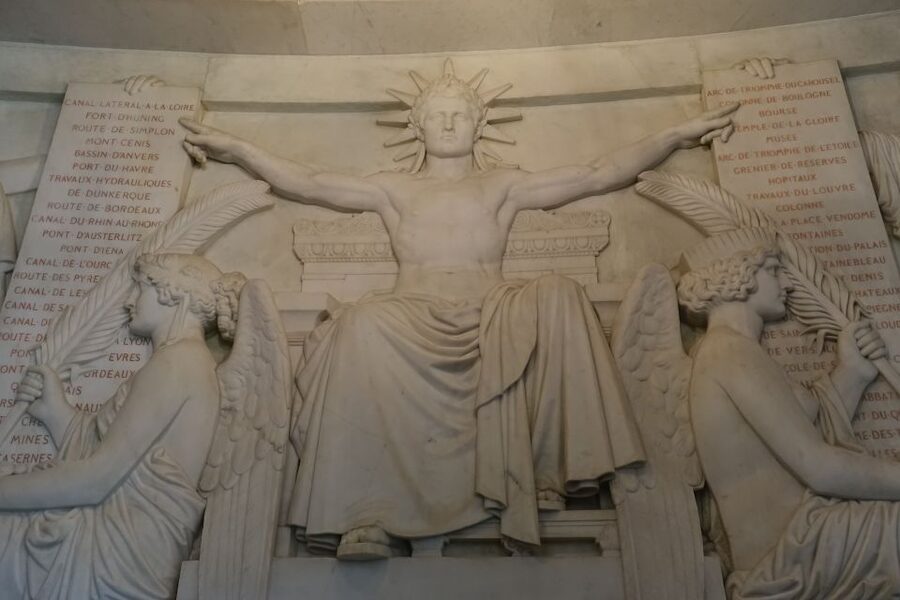
- Napoleon’s tomb location beneath the gold dome, plus nearby memorials
- Louis XIV’s veteran’s hospital origin story, told in the courtyard and cathedral
- Military artifacts, recreations, and maps that cover wins and defeats
- No large bags or suitcases allowed inside
Why Hôtel des Invalides is the right setting for Napoleon
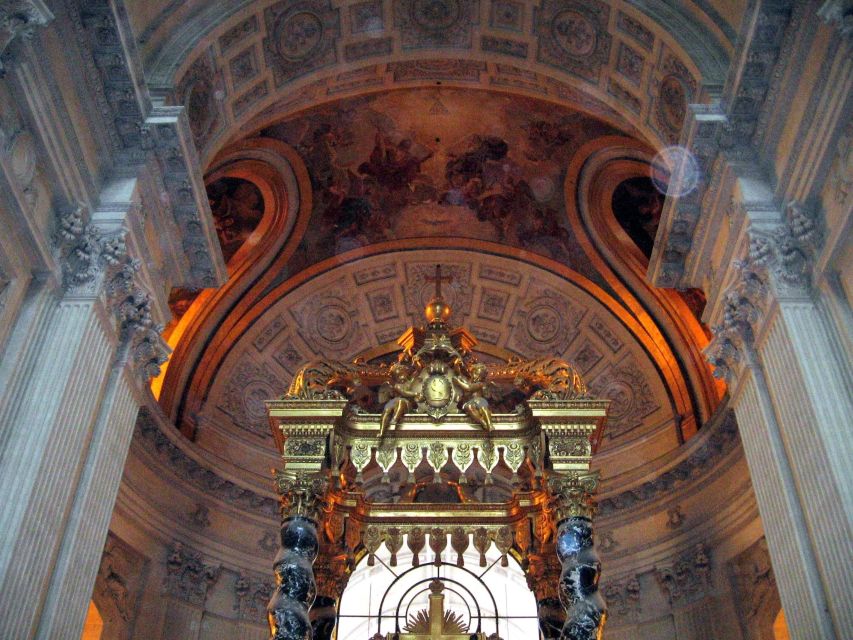
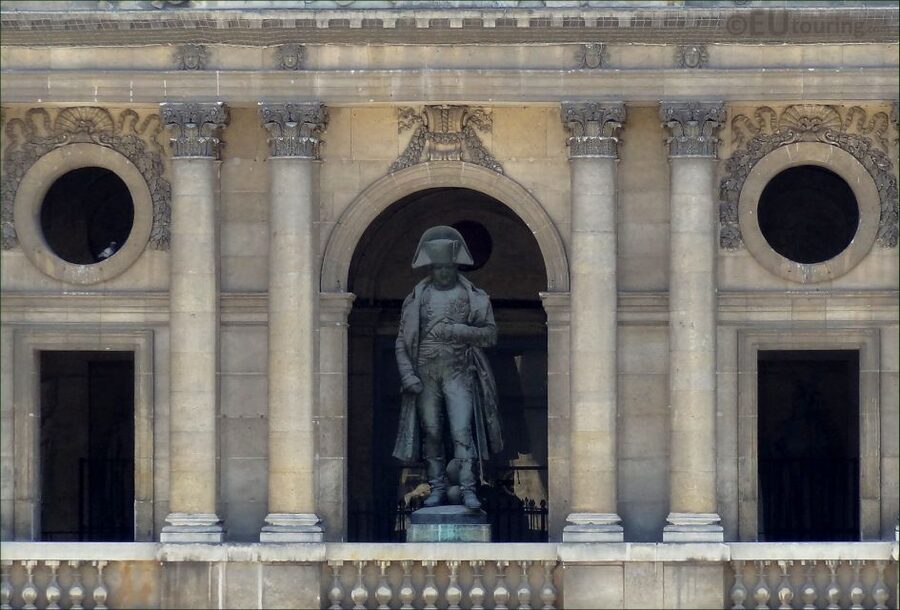
If you want Napoleon, Paris has plenty of places to see his name. Hôtel des Invalides is different because it’s built around him—literally. The gold dome overhead and the solemn museum spaces make Napoleon feel less like a textbook chapter and more like a lived, contested legacy.
You also get a larger frame fast: this site is not only about Napoleon. It traces back to King Louis XIV, when the building became a refuge for soldiers coming home from battle. That matters because Napoleon’s story doesn’t start with him—it builds on earlier ideas about power, discipline, and national mythmaking.
The tour’s format helps you process all of that without getting overwhelmed. In roughly two hours, you’re guided through the main narrative beats and then pointed into the museum content where you can keep reading the story with your own eyes.
You can also read our reviews of more guided tours in Paris



Skip-the-line entry and a smart two-hour plan
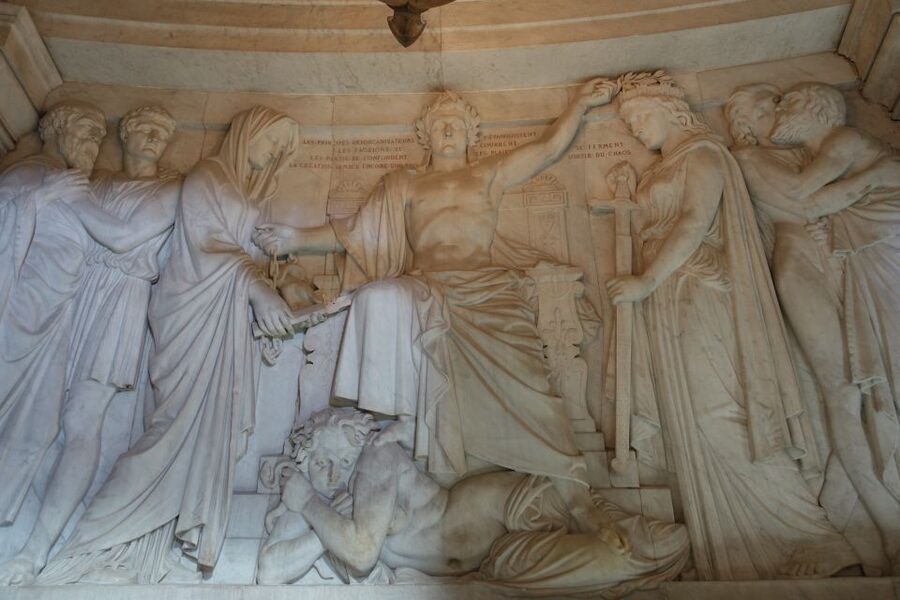
This tour is designed to use your time well. You start at a meeting point that can vary by option, then you move through the courtyard and key interiors, ending back at the meeting point.
The big win is the skip-the-line access. The Invalides complex can be busy, and timed entry without a guide often means you lose the first chunk of your visit figuring out where to go. With this tour, the guide keeps you moving and explains what you’re seeing as you see it.
Two hours is a sweet spot if you want depth without committing to a full afternoon. The tour doesn’t try to cover every display in the Musée de l’Armée (the collection is large). Instead, you get the most important thread: Louis XIV’s military institution and the rise, exile, and posthumous placement of Napoleon.
The courtyard story: Louis XIV’s hospital for veterans

Your tour begins with the epic courtyard of the Invalides, and that first stop is more important than it sounds. The courtyard shows you the logic of the site: a royal military project meant for soldiers who needed care when the fighting ended.
This is where the history becomes usable. You’re guided through the 17th-century roots of the Invalides as a veteran’s hospital under Louis XIV. Rather than treating the building like a backdrop, the guide explains it as a system—an institution created to manage soldiers, morale, and the state’s relationship with its troops.
And you’ll notice the building’s scale right away. This place was meant to impress and organize. Even if you know little about the era, the setting gives you immediate context for why Napoleon’s era could grow from earlier military foundations.
The cathedral: a royal space made for troops
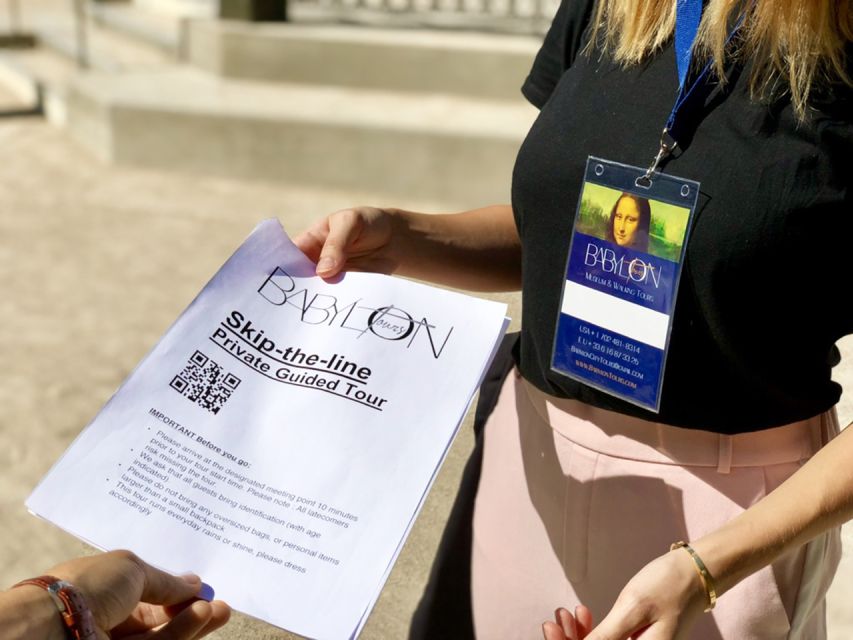
Next up is the cathedral that Louis built for former troops. This stop gives you a different angle from the typical museum approach: you’re inside a space designed for ceremony and remembrance, not just display.
The tour connects the meaning of the cathedral to the people who used it. Soldiers returning from battle found respite here, and that detail helps you understand why the site later becomes a national shrine.
This is also where the guide’s pacing helps. You’re not just hearing dates. You’re hearing why decisions were made—who the building served, what the state wanted to project, and how religion and power fit together in a military setting.
Napoleon’s tomb beneath the gold dome
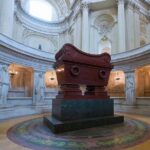
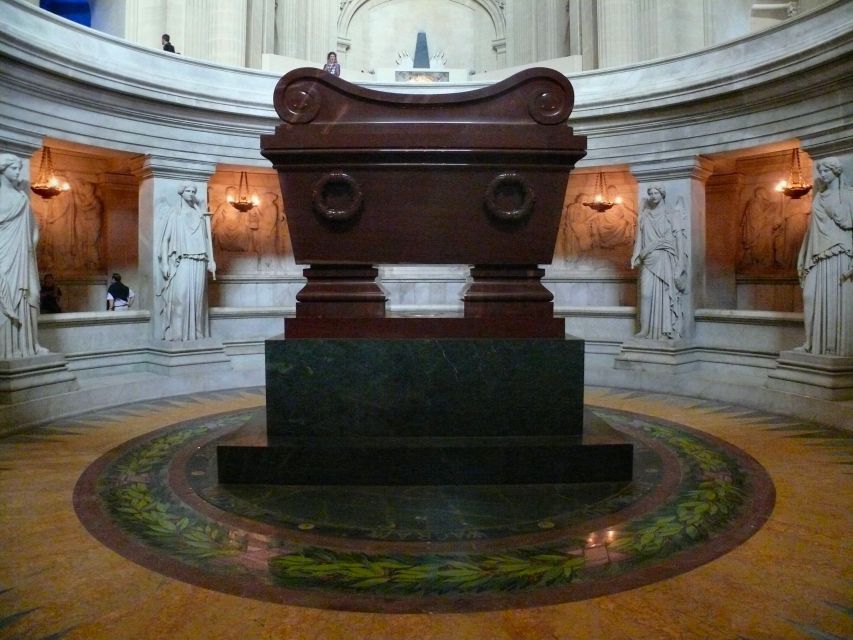
Then comes the moment most people remember: Napoleon’s tomb, placed underneath the magnificent gold dome. This tour doesn’t treat it as a quick photo stop. The guide places the tomb in the story of Napoleon’s rise and fall.
You learn the basics—he was a brilliant general and audacious emperor, and after pushing too far, he died in exile. The interesting part is how the tour frames the exile detail as more than tragedy. It’s also about how the French state handled memory after the fact.
You also see the tombs of those closest to him while you’re in this solemn central zone. That’s a practical advantage: the guide helps you understand why the surrounding memorials matter, so you’re not just looking for the single headline landmark.
You can also read our reviews of more museum experiences in Paris



The museum galleries: artifacts, recreations, and maps
After the key memorial stops, you spend time in the museum itself. This is where the tour shifts from symbolic spaces to evidence—artifacts, recreations, and military maps.
I like this approach because it encourages you to think beyond the myth. Napoleon becomes more than a silhouette. You start seeing how campaigns were planned, how victories were built, and how defeats could come from audacity, logistics, politics, or simple timing.
The museum time is also flexible in spirit. Some rooms can have rules about quiet or restricted speaking, so the guide shapes the experience to match the space. That means you get commentary where it fits, and you’re not constantly fighting the atmosphere or getting “shushed” at random.
One more practical note: some collections may vary along the year, and the tour mentions occasional rules changes. That’s normal for big museums. The guide’s job is to keep you on the main storyline even if a room looks different than you expected.
What the best guides do differently
The strongest tours are the ones where questions feel welcomed, not annoying. Based on the guide performance described, that’s exactly the tone you’re likely to get here.
Florent comes up in multiple positive accounts for being highly informative, and Daniel is highlighted for connecting military history to the evolution of France and the key figures involved. Mathieu is noted as a brilliant historian, with an ability to answer questions clearly—useful if you’re traveling with teens or you’re the curious sort who asks why this or how that.
Anatole is described as extremely knowledgeable and interesting, with enough command of the site to hit the items of greatest interest in the galleries. Taylor is singled out for adding background that helps you avoid the superficial version of a major historic location.
You might also get those small, real Paris moments. One guide even pointed out a best hot chocolate stop at Angelina—useful if you want a treat that feels tied to the local vibe.
Group size and pace: small, structured, and mostly walking
This is a small-group tour, with a maximum of 8 guests per guide. That’s a big deal at Invalides, where it’s easy to get stuck behind slower sightseers in a long corridor. Smaller groups also make it easier for the guide to keep an eye on timing and to answer questions without derailing the whole schedule.
There is moderate walking. The pace is manageable for most people who can handle city walking, but it’s not designed for long pauses or frequent elevator-based regrouping. Also, the semi-private option has specific accessibility limits: it’s not available for those with walking disabilities or wheelchair users. Wheelchair tours are available only on request, so if mobility is a factor, you’ll want to plan early.
Finally, there’s a luggage rule: no large bags or suitcases. If you’re arriving with big gear, you’ll need a storage plan ahead of time.
Price and value: what you’re really paying for at $128
At about $128 per person, this isn’t a bargain-basement tour. But the value is clear when you break down what’s included.
You’re paying for:
- Skip-the-line museum access
- Entrance fees included
- A professional art historian guide
- A guided walking experience focused on the main storyline
- Private or small-group options depending on what you book
You’re also paying for time. Two hours in Invalides with a guide can be a smarter use of a busy Paris day than trying to self-guide from landmark to landmark while you fight crowds and signage.
If you care about Napoleon and want more than surface-level facts—especially explanations tied to Louis XIV, the veteran hospital, and the tomb’s placement—this ticket price starts to look reasonable. If your goal is purely to wander slowly and read everything at your own pace, you might feel a guide isn’t necessary. But for most visitors who want direction and context fast, the structure justifies the cost.
Practical tips to make your tour feel effortless
Bring an ID card or passport, and plan to travel light. No large bags are allowed, so pack accordingly.
Expect museum rules. Some areas can require quiet or restrict speaking, and you may find that the guide adapts the way commentary is delivered. That’s normal museum behavior, and it’s part of what makes the spaces feel respectful.
If you’re booking close to your dates, know that there can be occasional closures without warning from museum management. When that affects opening time by more than an hour, the operator says you’ll be offered an appropriate alternative. Still, refunds or discounts may not be available in those cases, so I’d treat your visit as best-effort and keep your schedule flexible.
Who should book this tour
You’ll probably love this if you:
- Want a focused Napoleon and Louis XIV experience without guesswork
- Enjoy asking questions and getting straight answers from a guide
- Are traveling with a history-minded teen or young teen who likes narratives (this site often lands well with that age range)
- Prefer small groups and guided routes over long self-guided wandering
You may want to reconsider if:
- You need step-free or intensive mobility accommodations (semi-private doesn’t fit all mobility needs, but wheelchair tours may be possible on request)
- You can’t manage moderate walking
- You’re carrying large luggage (you’ll need storage)
Should you book the Paris Invalides Dome tour?
If Napoleon and the French military legacy matter to you, I’d book it. The skip-the-line access, the small-group format, and the way the guide connects Louis XIV’s veteran institution to Napoleon’s tomb make the experience feel organized, not chaotic.
If you’re the kind of visitor who enjoys museums as stories rather than as a checklist, this tour fits well. And if you’re traveling for the first time to Invalides, you’ll get your bearings quickly—so your remaining time in Paris feels easier, not harder.
FAQ
How long is the Paris Invalides Dome skip-the-line tour?
It lasts about 2 hours.
What’s included in the price?
The tour includes entrance fees with skip-the-line access, a professional art historian guide, and a guided walking experience. Private and small group options are available.
Where is the tour located?
It takes place at Musée de l’Armée inside the Hôtel des Invalides in Paris (Ile-de-France), near the Invalides complex.
Which languages are available for the live guide?
Live guide languages include German, English, Russian, Spanish, Italian, and French.
Is wheelchair access available?
Wheelchair tours are available only on request. The semi-private tour is not available for wheelchair users or those with walking disabilities.
Can I bring a large suitcase or luggage?
No. Large bags or suitcases are not allowed.
What should I bring with me?
You should bring a passport or ID card.
What if I need to cancel?
Free cancellation is available up to 24 hours in advance for a full refund.
What’s the walking like?
It involves a moderate amount of walking through the Invalides site.