REVIEW · PARIS
Paris: Seine River Walking Tour with Optional Musée d’Orsay
Book on GetYourGuide →Operated by ExperienceFirst · Bookable on GetYourGuide
Paris has a way of tricking you.
But this Seine walking tour is a fast, practical way to get bearings—starting at Pont Neuf and moving across bridges while your guide connects the dots with real stories. I like how the walk is built around the city’s bridge by bridge personality, and I also like the optional Musée d’Orsay add-on that lets you shift from guided history to museum time at your own pace. One thing to keep in mind: if you were hoping for lots of stops with frequent scene changes, the walking portion can feel like a mostly linear route toward Orsay.
The best part is the payoff. You leave understanding where Paris began, why these bridges matter, and how the river shaped the city. If you choose the cruise option, you also get an easy way to “close the loop” with an hour on the water—using a ticket that stays valid long after your walk.
In This Review
- Key takeaways before you go
- Why Pont Neuf and the Bridges are the best way to start
- From Pont Neuf to Square du Vert-Galant: the river’s quieter corner
- Pont des Arts and Pont du Carrousel: views plus story context
- Pont Royal to Musée d’Orsay: the handoff from guided to self-paced
- How to use the self-guided Orsay ticket well
- Optional Seine River cruise: use it when your schedule fits
- Price and value: what $42 buys, and what the upgrades really add
- Timing, weather, and how to not waste your energy
- The meeting point that keeps you from wandering
- Who this tour is best for
- Should you book this Seine walk with Orsay?
- FAQ
- Where do I meet the guide?
- What language is the tour guide?
- How long is the tour?
- What happens if I want the Musée d’Orsay visit?
- How long is the Seine River cruise, and is it optional?
- Is the cruise ticket valid after the tour date?
- What are the main stops on the walk?
- Does the tour run in bad weather?
- What should I bring?
- Can I cancel for a refund?
Key takeaways before you go
- Pont Neuf starts the story at the oldest bridge in Paris, with a photo stop and guided context right away
- Square du Vert-Galant is a small detour worth it, described as a hidden garden at the western tip of Île de la Cité
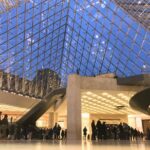
- Pont du Carrousel gives the kind of view you remember, including a sightline toward the Louvre Pyramid
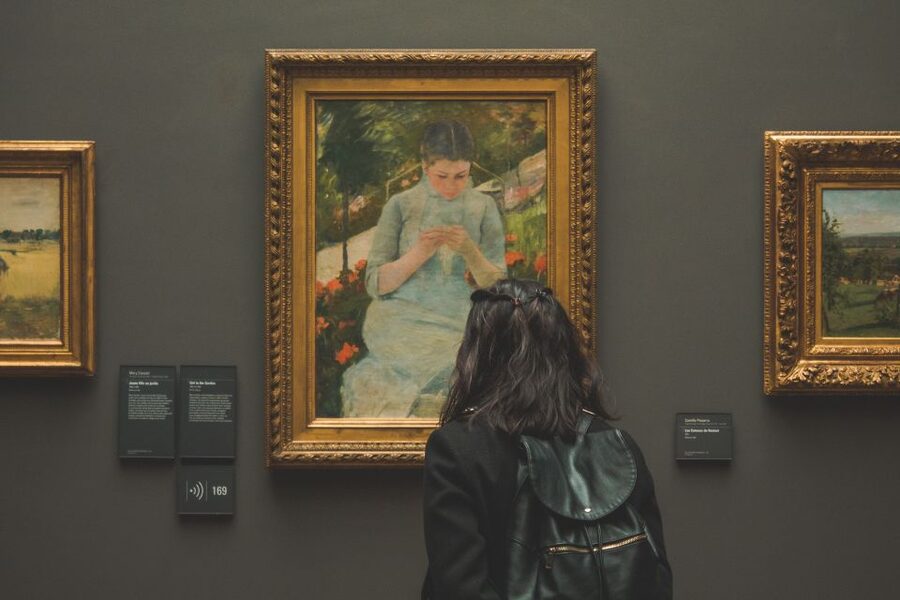
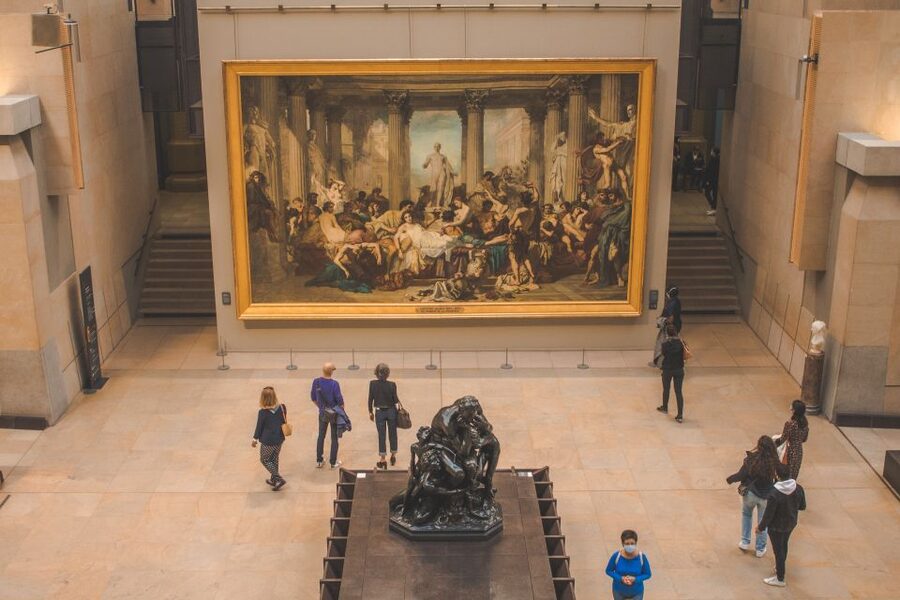
- Musée d’Orsay is built for the 1900 World Fair, and you focus on Impressionists like Monet, Manet, and Renoir
- You control your museum pace once the guided walk ends, since Orsay entry is self-guided
- The Seine cruise ticket lasts a year, so you can do it the same day or return later
Why Pont Neuf and the Bridges are the best way to start
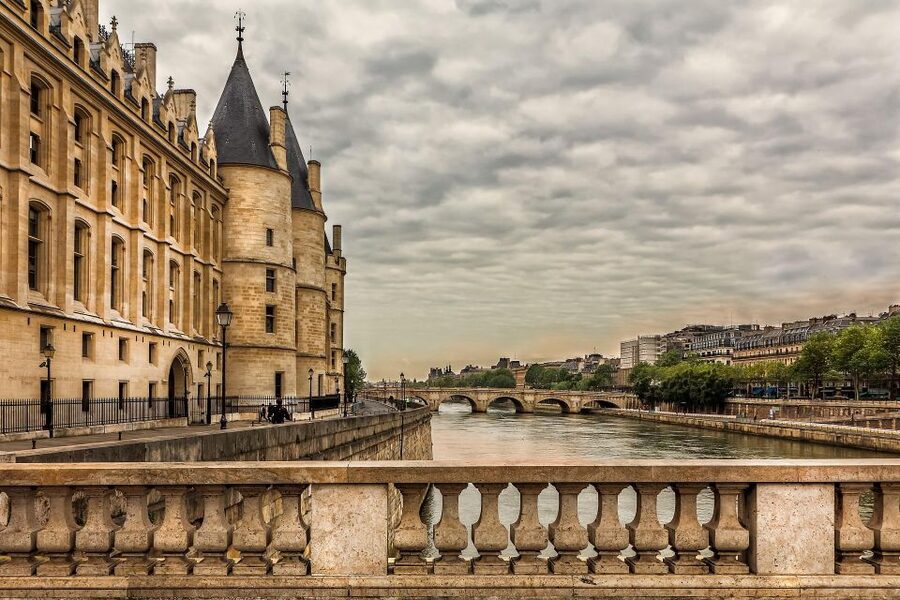
There’s something about walking along the Seine that makes Paris feel instantly navigable. Not just pretty—understandable. This tour uses the river like a thread. You move from bridge to bridge, and each one comes with a reason it matters, from the city’s early days to the Paris you recognize today.
The route begins at Pont Neuf, the oldest bridge in Paris. That matters because you’re not starting at a modern landmark that shouts for attention. You start where the city’s story has been told for centuries, and your guide uses that location to explain how Paris formed where it did.
And bridges are perfect “story machines.” They’re practical, they connect neighborhoods, and they frame views. You’ll get that feeling as the tour keeps swapping river banks and perspectives while your guide keeps pulling you back to the why.
Practical note: bring comfortable shoes. This is a walking tour, and you’ll want your legs to stay cooperative.
You can also read our reviews of more walking tours in Paris

From Pont Neuf to Square du Vert-Galant: the river’s quieter corner
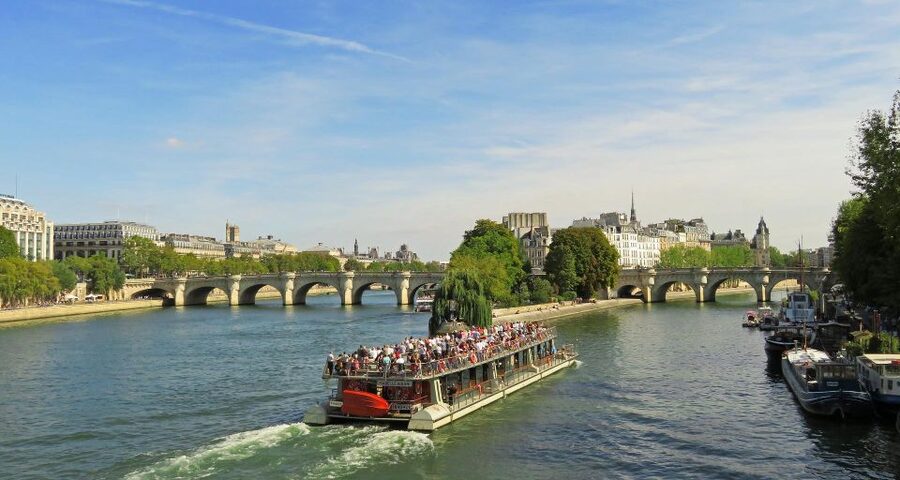
The tour kicks off on the bridge with a photo stop and guided tour time. Pont Neuf is the anchor, but the energy comes from what you do while you’re walking: listening.
Then you head toward Square du Vert-Galant, described as a hidden garden at the western tip of Île de la Cité. Even if gardens aren’t your thing, it works here. It’s a pause from the big views, a chance to slow down and look at the Seine from a different angle—less postcard, more “how people actually use this space.”
This is also where the “birth of Paris” theme starts to feel real. You’re learning about where Paris began centuries ago, not through a lecture hall, but through movement along the exact stretches that shaped the city.
If you like city history that feels tied to place—not just dates—this first leg does a lot of heavy lifting.
Pont des Arts and Pont du Carrousel: views plus story context
Next up are two bridge stops that help you read the river like a map.
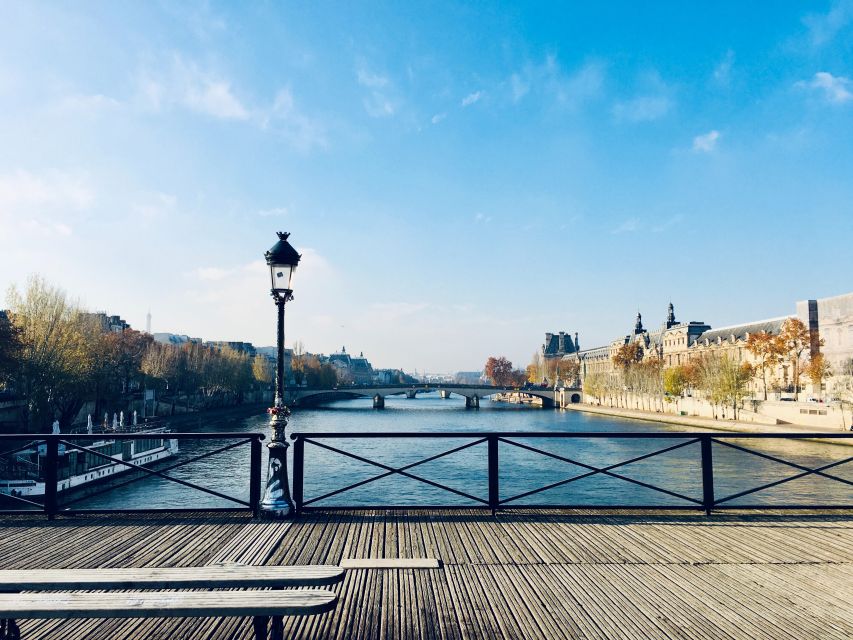
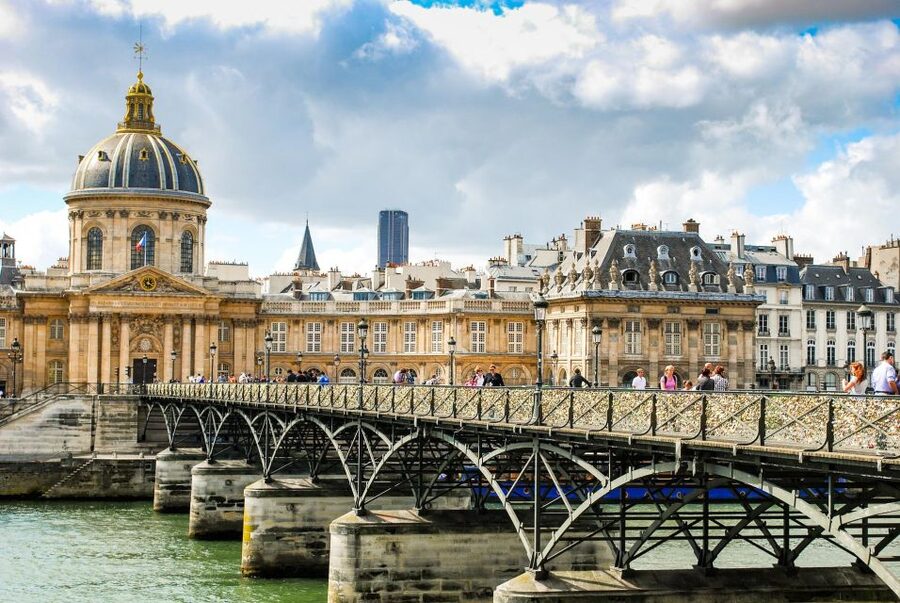
At Pont des Arts, you get another photo stop and guided time. This stretch is a reminder that the Seine isn’t only a scenic backdrop. It’s a working axis that has shaped how Parisians built, crossed, and organized the city over time.
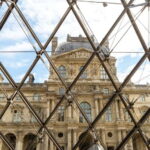
Then comes Pont du Carrousel, where the tour adds a built-in “look up” moment: a view of the famous Louvre Pyramid. That’s the kind of visual cue that makes the rest of the walk easier to understand. You start tying what you see across the water to the landmarks you’ve heard about.
This is where I especially like the pacing. You’re not just seeing bridges; you’re learning how each one frames the city’s power centers. It’s quick, but it sticks.
Pont Royal to Musée d’Orsay: the handoff from guided to self-paced
After Pont du Carrousel, you move to Pont Royal, a 17th-century bridge. The guide’s job here is important: keep connecting the dots so you’re not just collecting photos. A 17th-century crossing near the river tells you the city kept evolving in layers—without needing a museum label to explain it.
Then the tour transitions at Musée d’Orsay. Here’s the key change: the museum part is self-guided. So while the walking tour is led and structured, Orsay becomes your time to slow down and choose what to focus on.
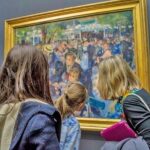
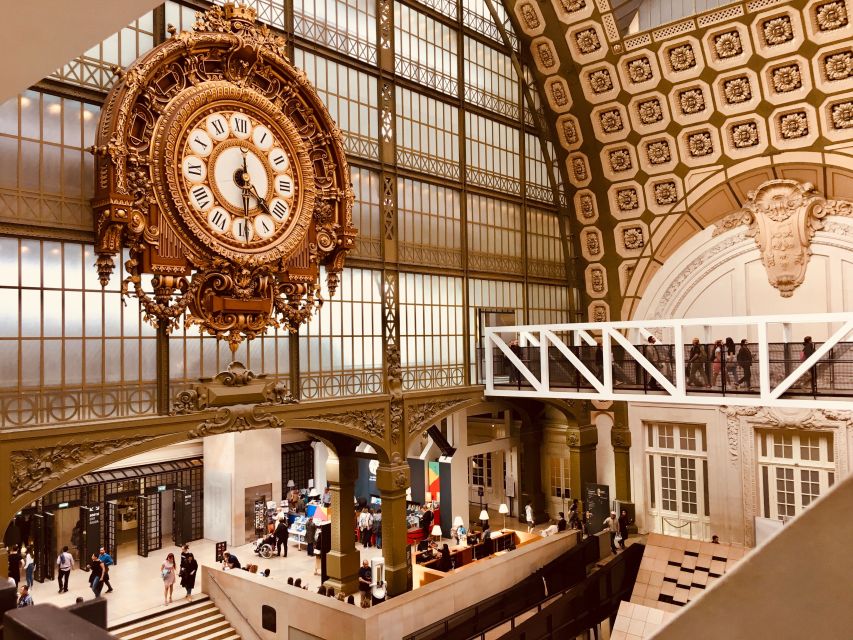
Musée d’Orsay itself has a strong built-in story. It’s a former railway station built for the 1900 World Fair, now housing a major Impressionist collection. Expect to spend your time with painters like Monet, Manet, and Renoir.
How to use the self-guided Orsay ticket well
Because the museum is self-paced, you’ll get more out of it if you walk in with a simple plan. I’d do something like this:
- Pick a few artists you want to see (Monet, Manet, and Renoir are the obvious anchors mentioned for this experience)
- Don’t try to see everything; aim for the strongest works you can find in the time you have
- If you’re tired from walking, use that museum entry as your reset button—sit when you can, and let the art do the work
One practical detail: the itinerary description includes finishing at Musée d’Orsay, which means you’re ending your guided experience in the museum area rather than returning to another transit point.





Optional Seine River cruise: use it when your schedule fits
You can add an optional one-hour Seine River cruise that finishes the experience in a different way—less walking, more perspective. After all those bridges, the cruise turns your photos into context. You see the river as a continuous route rather than a chain of stops.
The cruise ticket is also valid for a year after your tour date. That’s a big value feature if your days in Paris are jammed. You can do the cruise the same day while it’s fresh, or you can come back later when the light, crowds, or your energy level feel right.
The cruise also gives you a nice kind of “weather insurance.” The walking tour runs rain or shine, so the boat can be a strong alternative to long outdoor walking if you’d rather trade puddles for river views.
Price and value: what $42 buys, and what the upgrades really add
At about $42 per person, you’re paying for a guided walk along the Seine plus the option to add museum time and a cruise ticket.
The value is strongest if you want three things in one package:
1) A guided introduction to the Seine’s bridge-and-river story
2) The option to visit Musée d’Orsay with an entry ticket
3) The chance to add a Seine cruise later with a ticket that stays valid for a year
If you choose the Orsay and cruise upgrades at checkout, you’re basically building a “two-phase” Paris experience: guided city storytelling first, self-paced museum focus second, then a river finish when you’re ready.
Where value can feel weaker is when expectations are different. The walking portion is still a walking tour. So if you’re expecting a lot of time inside multiple sites during the guided segment, you might feel like the day is more transfer-style than stop-and-stay. Also, the museum experience can involve lines, and conditions matter—especially in rain.
That’s not unique to this tour, but it’s something to plan around. If the weather is rough, queue time can chew up the advantage of timed entry.
Timing, weather, and how to not waste your energy
This experience runs 1.5 to 3.5 hours, with a core guided walking component and optional add-ons. There’s also an explicit note that the guided tour part is about 1.5 hours, and the longer total duration makes sense once you add Orsay self-guided time and/or the cruise.
A few weather-and-comfort tips that actually matter:
- Wear comfortable shoes. The bridges are long stretches, and the tour takes place rain or shine.
- Arrive at least 15 minutes early to the meeting point so you don’t stress at the start.
- Plan your expectations: the guide drives the story during the walk; the museum part is for you to pace.
The meeting point that keeps you from wandering
Meeting is on Pont Neuf in front of the Statue of Henri IV, and your guide will be holding a sign that says ExperienceFirst. If you’ve ever arrived in Paris and immediately realized you’re standing in the wrong square, this kind of specific meeting instruction is genuinely helpful.
Who this tour is best for
This fits best if you want:
- A clear, guided “overview” route that uses the Seine as the backbone
- Bridge-focused storytelling rather than a list of landmarks
- A museum option that doesn’t trap you in rigid guided museum time
I’d especially recommend it for first-time visitors who want to understand Paris quickly and for people who like history explained through walking, not through a headset and a bus window.
If your idea of the perfect day is mostly indoor time with minimal walking, you might find the walking segment a bit more than you want. But if you enjoy being out in the city and then choosing your pace in Orsay, this format works well.
Should you book this Seine walk with Orsay?
I think you should book if you want a high-signal introduction to the Seine’s bridges and Paris’s river story, with optional add-ons that don’t force you into one fixed schedule.
Skip—or at least think hard—if you want a super-stacked itinerary where the guided time includes lots of varied stops and extended indoor experiences. This tour’s strength is the guided walk and the Orsay option afterward, not a long chain of inside attractions during the guided segment.
And one last practical point: because the tour happens in rain or shine, be mentally ready for weather to affect museum lines. If the day looks rainy, treat the Orsay visit as the relaxing centerpiece, not the frantic race to beat a clock.
FAQ
Where do I meet the guide?
Meet in front of the Statue of Henri IV on Pont Neuf. The guide will be holding a sign that says ExperienceFirst.
What language is the tour guide?
The tour guide is English.
How long is the tour?
The duration is listed as 1.5 to 3.5 hours, depending on which options you choose.
What happens if I want the Musée d’Orsay visit?
You can choose an optional upgrade for Musée d’Orsay entry, and the museum visit is self-guided.
How long is the Seine River cruise, and is it optional?
The Seine River cruise is an optional upgrade and is described as hour-long.
Is the cruise ticket valid after the tour date?
Yes. The cruise ticket is valid for 1 year after your tour date.
What are the main stops on the walk?
Key stops include Pont Neuf, Square du Vert-Galant, Pont des Arts, Pont du Carrousel, Pont Royal, and then the experience finishes at Musée d’Orsay.
Does the tour run in bad weather?
Yes. The tour takes place rain or shine.
What should I bring?
Comfortable shoes.
Can I cancel for a refund?
You can cancel up to 24 hours in advance for a full refund.