REVIEW · ROME
Rome: National Roman Museum Entry Ticket
Book on GetYourGuide →Operated by Golden Ticket SRL · Bookable on GetYourGuide
A Roman museum ticket that stretches across days. The National Roman Museum is one of Rome’s best ways to understand how the city’s life, art, and power changed over centuries, and your ticket lets you visit three major sites under one pass. I like that it’s built for self-paced exploring across the city, not a strict group schedule.
I also love the art mix: classical sculptures and everyday objects, plus mosaics and frescoes you can actually sit with and study. One thing to consider: it is not a guided tour, so if you need a narrator to connect the dots, you’ll have to do more on your own.
In This Review
- Key highlights worth planning for
- National Roman Museum: A 7-Day Pass Through Rome’s Changing World
- Palazzo Massimo alle Terme: Sculptures, Mosaics, and Livia’s Villa Frescoes
- Palazzo Altemps: Ancient Sculptures and the Story Behind the Collections
- Baths of Diocletian: The Roman Thermal Complex You Can Still Feel
- How Crypta Balbi Fits In (And Why Your Ticket Doesn’t Cover It)
- What the Ticket Really Gives You: Fast Entry and Real Flexibility
- Price and Value: Is $35 Reasonable for Three Major Stops?
- Practical Tips: Making the Most of a Self-Guided Museum Route
- Who This Ticket Suits Best
- Should You Book This National Roman Museum Ticket?
- FAQ
- Which museum sites are included in this ticket?
- How long is the ticket valid?
- Can I visit each museum more than once?
- Is there a meeting point for this experience?
- Is a guided tour included?
- Is Crypta Balbi included with the ticket?
- Is this ticket suitable for wheelchair users?
Key highlights worth planning for
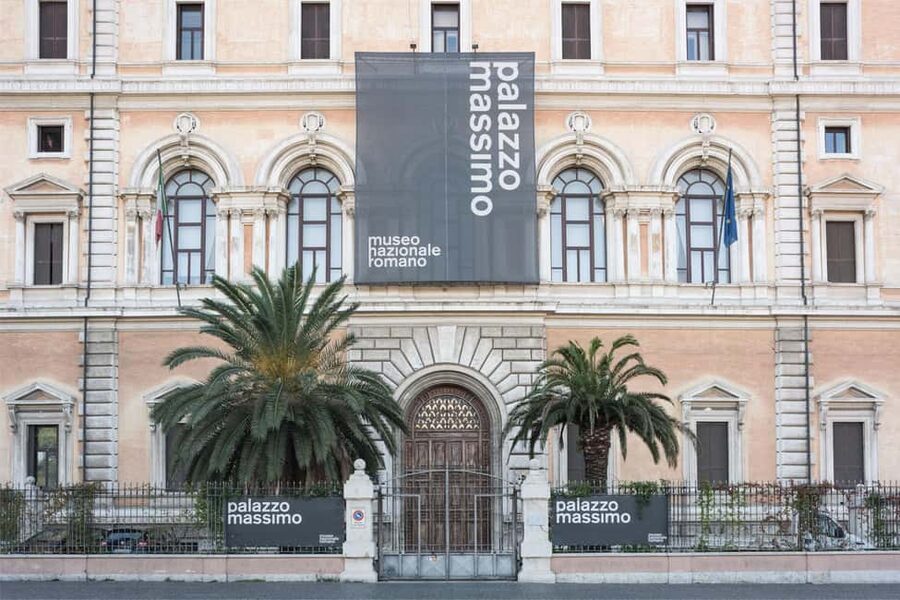
- Three sites, one ticket (7 days): Palazzo Massimo, Palazzo Altemps, and the Baths of Diocletian
- Livia’s Villa frescoes at Palazzo Massimo, with Roman wall painting you can take your time with
- Refined sculpture collections in Palazzo Altemps, tied to ancient and later noble/collector ownership
- Scale of the Baths of Diocletian plus epigraphic collections and architectural remains
- Crypta Balbi is not included in your ticket, so decide if you want to add it separately
National Roman Museum: A 7-Day Pass Through Rome’s Changing World
If you want a museum experience that feels like a story you can walk through, this ticket is a practical choice. You’re not stuck with one building. Instead, you can visit three separate locations, each in its own historic setting across Rome, and use the ticket for 7 days from the first scan.
What makes this especially useful for real travel days is the flexibility. You can start at whichever site is easiest on the day you arrive, then return later to the others. Each museum can be visited once with the same ticket, so you’re aiming for a thoughtful route rather than endless repeats.
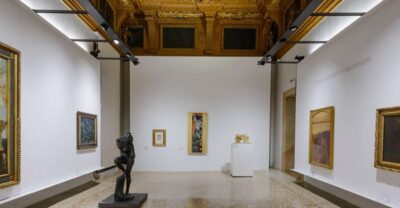
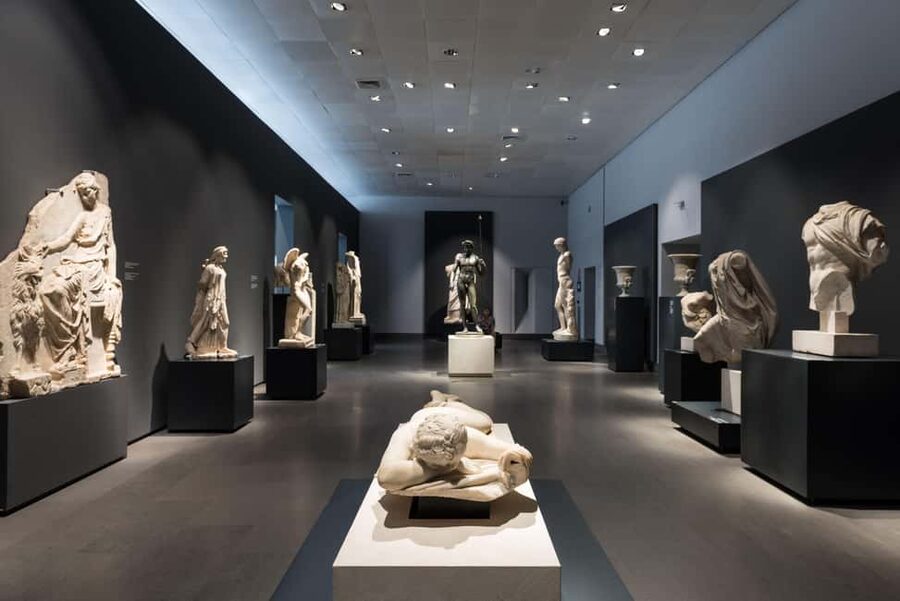
Also, the museum collection type matters. This is not just statues in a white room. You’ll see a mix that includes classical sculptures, mosaics, frescoes, coins, and everyday objects. That combo is what helps you understand ancient Rome as a living culture, not just a headline era.
The biggest trade-off is also clear up front: there’s no guided tour included. That’s not automatically bad. But it means you’ll want a plan for how you’ll read labels and connect themes while you’re there.
A few more Rome tours and experiences worth a look
Palazzo Massimo alle Terme: Sculptures, Mosaics, and Livia’s Villa Frescoes
Start with Palazzo Massimo if you want the most “visual impact per hour.” This site is known for an extraordinary collection of classical sculptures, mosaics, frescoes, and the standout highlight: Livia’s Villa frescoes.
Why this stop matters: frescoes and mosaics don’t just decorate walls. They show how Roman households wanted to look, think, and feel. When you’re staring at a mural or tile pattern, you’re also staring at the difference between what Rome officially “was” versus what people saw every day.
Here’s what you can expect, based on what’s included:
- Classical sculptures that let you compare styles and subject matter
- Mosaics, where you can slow down and notice detail
- Frescoes, where the artwork feels like it belongs to a specific place and moment
- Livia’s Villa frescoes, listed as a major attraction of this building
Practical tip: if you’re coming from another major Roman sight the same day, give yourself time here. Palazzo Massimo can absorb a lot of attention. I’d rather you plan one strong museum day than try to sprint through all three sites in a single afternoon.
A drawback to keep in mind: because this is a multi-site ticket, people sometimes “only half-look” at each place. If Livia’s Villa frescoes are on your list, aim to treat Palazzo Massimo as a priority stop instead of a quick warm-up.
Palazzo Altemps: Ancient Sculptures and the Story Behind the Collections
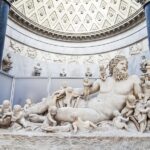
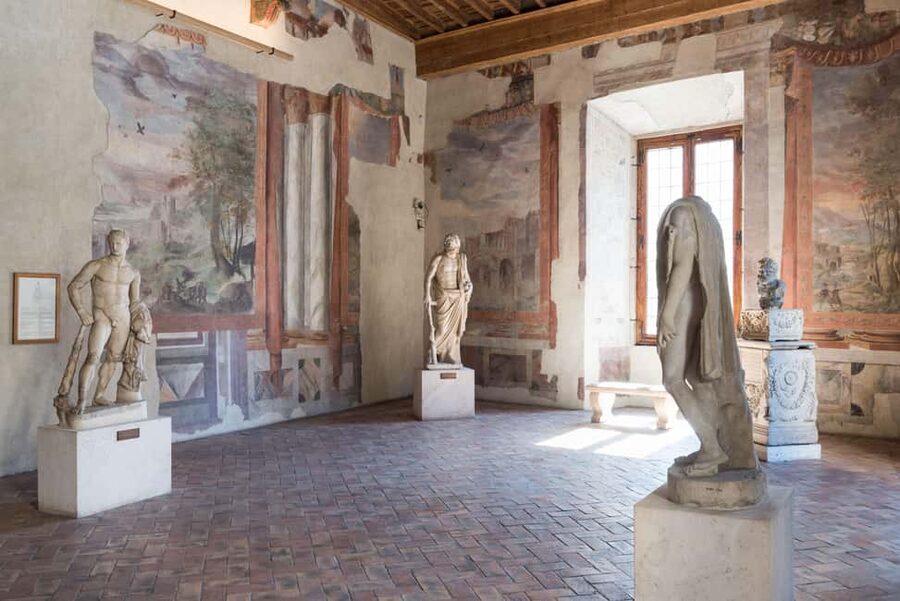
Next is Palazzo Altemps, a more refined stop with a sculpture collection that connects ancient artifacts to later collectors. It’s home to an ancient sculpture collection that once belonged to noble Roman families and Renaissance collectors.
That “ownership history” detail is more interesting than it sounds. When a sculpture survived through time and then ended up in Renaissance collecting circles, it changed how it was viewed. You can often feel that shift simply by the way the collection is presented. It’s not just Roman art on display. It’s Roman art that has already been interpreted and re-valued across eras.
What you’ll see here includes:
- A refined selection of ancient sculptures
- Material connected to noble Roman and Renaissance collecting traditions
How to make this useful for you: if you like comparing “then and now,” this is a good contrast to Palazzo Massimo. Massimo leans hard into frescoes and mosaics, while Altemps brings you closer to the sculptural language of Rome.
Time check: plan for a slower visit if sculpture is your main interest. Even without a guide, you’ll get more out of it when you can look longer and read labels steadily rather than rushing from room to room.
Baths of Diocletian: The Roman Thermal Complex You Can Still Feel

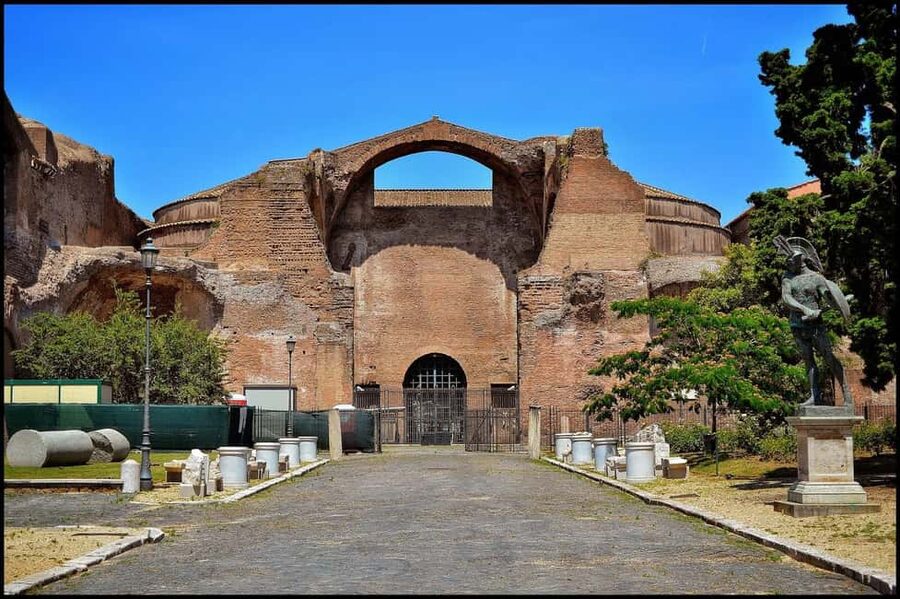
Then there’s the Baths of Diocletian, or Terme di Diocleziano. This is one of the most compelling parts of the ticket because it’s described as the largest thermal complex of the Roman Empire.
You’re not only looking at artifacts. You’re visiting a museum experience tied to a real Roman structure type—huge spaces, major architectural remains, and related collections. The included experience highlights:
- Large halls
- Epigraphic collections
- Architectural remains
Why you’ll likely enjoy it: baths in Rome were never small, private affairs. When you enter a place that’s built on large-scale engineering and used for public life, the collection feels “grounded.” It stops being abstract.
Epigraphy is the other big draw listed here. If you like inscriptions, dates, names, and the human signatures that survive in stone or metal records, you’ll probably find more to work with here than at a typical art museum stop.
A fair consideration: if frescoes and mosaics are your favorite Roman art formats, you might spend less time at this site than at Palazzo Massimo. That doesn’t mean it’s less important. It just means your attention will follow the types of objects you’re most drawn to.
How Crypta Balbi Fits In (And Why Your Ticket Doesn’t Cover It)
Your ticket covers three main sites, and Crypta Balbi is mentioned as part of the broader story—specifically, how Rome evolved from antiquity into the Middle Ages. But here’s the key detail: admission to Crypta Balbi is not included.
So you have a decision to make:
- If you want only what your ticket guarantees, plan around the three included sites.
- If you want that extra “timeline jump” into later history, you’ll need to buy Crypta Balbi separately.
I like the clarity here. Some multi-location museum tickets include everything and end up being messy. This one keeps your pass focused, so you can add Crypta Balbi only if it fits your interests.
You can also read our reviews of more museum experiences in Rome

What the Ticket Really Gives You: Fast Entry and Real Flexibility
The included ticket features are simple, which is exactly what you want on a Rome trip:
- Access to all three museum sites
- Valid for 7 days from your first scan
- Each museum can be visited once with the same ticket
- Skip the ticket line
The “skip the ticket line” part matters because Roman museum waits can be unpredictable. When you’re working with a short vacation window, saved time turns into more time with the art.
No meeting point is another big plus. Instead of tracking a person at a specific spot, you get your tickets delivered directly through email and WhatsApp. That means you can plan your day around museum openings and other sights you actually want to do.
And yes, there’s freedom in where you start. With your ticket, you can decide which building fits your route that day. That kind of flexibility is underrated. It helps you avoid the common Rome problem: forcing a schedule that looks great on paper but gets messy in real life.
Price and Value: Is $35 Reasonable for Three Major Stops?
At $35 per person, the value comes from what you’re buying: access to three separate sites (Palazzo Massimo, Palazzo Altemps, and the Baths of Diocletian) within one 7-day window.
You’re paying once for multiple museum settings, which is usually where visitors start winning. One museum ticket gets you one building. This ticket gets you three, each with its own focus:
- Massimo for sculptures, mosaics, frescoes, and Livia’s Villa frescoes
- Altemps for refined ancient sculpture, including connections to noble Roman families and Renaissance collectors
- Diocletian for the largest thermal complex of the Roman Empire (as described), plus halls, epigraphy, and architectural remains
If your interests match even two of those themes, the ticket is likely worth it. If you’re only interested in one of them, you might feel the cost more. But given the variety listed, most people who care about ancient Rome tend to find at least one “aha” moment at each site.
Practical Tips: Making the Most of a Self-Guided Museum Route
Because this is self-guided, you’ll get better results with light planning. Here are ways to make that work without turning your trip into homework.
First, pick a theme for each day. For example:
- Day 1: Palazzo Massimo (frescoes and mosaics)
- Day 2: Palazzo Altemps (sculpture)
- Day 3: Baths of Diocletian (thermal complex feel and epigraphy)
You can swap based on your energy level, but having a theme reduces decision fatigue.
Second, don’t treat labels as afterthoughts. Epigraphy, fresco subjects, and sculpture context can change how you interpret what you’re seeing. Even without a guide, steady reading pays off.
Third, keep your pace realistic. This is three sites. Rome rewards slower movement, and museums especially. If you try to do all three in one day, you risk leaving with memories of rooms you rushed through rather than objects you actually looked at.
Who This Ticket Suits Best
This ticket is a strong match if you:
- Want a self-paced museum experience across multiple buildings
- Like variety in Roman art types: sculptures, mosaics, frescoes, and small everyday objects
- Are curious about multiple angles of Roman culture, not just one monument
- Prefer flexible starts during your vacation window
It’s less ideal if you:
- Want a guided narrative to connect artworks and Roman history for you
- Are counting on wheel-chair friendly access (this is listed as not suitable for wheelchair users)
Should You Book This National Roman Museum Ticket?
I’d book it if you want a good value pass that covers three major parts of the museum and gives you enough time—7 days—to work it into your Rome rhythm. The combination of Livia’s Villa frescoes plus the sculpture-focused Palazzo Altemps and the Baths of Diocletian’s scale makes this feel like more than a single museum visit.
Skip booking only if you already know you’ll only enjoy one site type. In that case, you might prefer buying a single admission. But if ancient Rome art and artifacts are your thing, this ticket gives you a lot of Roman “Aha” moments for one price—without locking you into a group tour style.
FAQ
Which museum sites are included in this ticket?
The ticket includes access to three sites: Palazzo Massimo alle Terme, Palazzo Altemps, and the Baths of Diocletian (Terme di Diocleziano).
How long is the ticket valid?
Your ticket is valid for 7 days, starting from the first time you scan/activate it.
Can I visit each museum more than once?
No. Each museum can be visited once with the same ticket.
Is there a meeting point for this experience?
There is no meeting point. Your tickets are delivered to you via email and WhatsApp.
Is a guided tour included?
No. This experience does not include a guided tour.
Is Crypta Balbi included with the ticket?
No. Admission to Crypta Balbi is not included.
Is this ticket suitable for wheelchair users?
No. It is listed as not suitable for wheelchair users.