REVIEW · WASHINGTON DC
Washington DC: National Museum of Natural History Tour
Book on GetYourGuide →Operated by Babylon Tours DC · Bookable on GetYourGuide
Diamonds, whales, and fossils in one smart stroll. This 2.5-hour Natural History Museum tour is built for getting the best stuff fast, without getting lost in a museum that covers the area of 18 football fields. I especially love the chance to see the Hope Diamond up close, and I like how the guide connects the science to the human stories behind each exhibit, from real mummies to the whale saga.
The only real catch is pacing. It’s a walking highlights route, so if you want to linger for long stretches in every room, you may feel gently rushed.
In This Review
- Key points before you go
- Why this museum guide beats wandering on your own
- Gems you can’t ignore: Hope Diamond and big-name aquamarines
- Real mummies and the story behind what you’re seeing
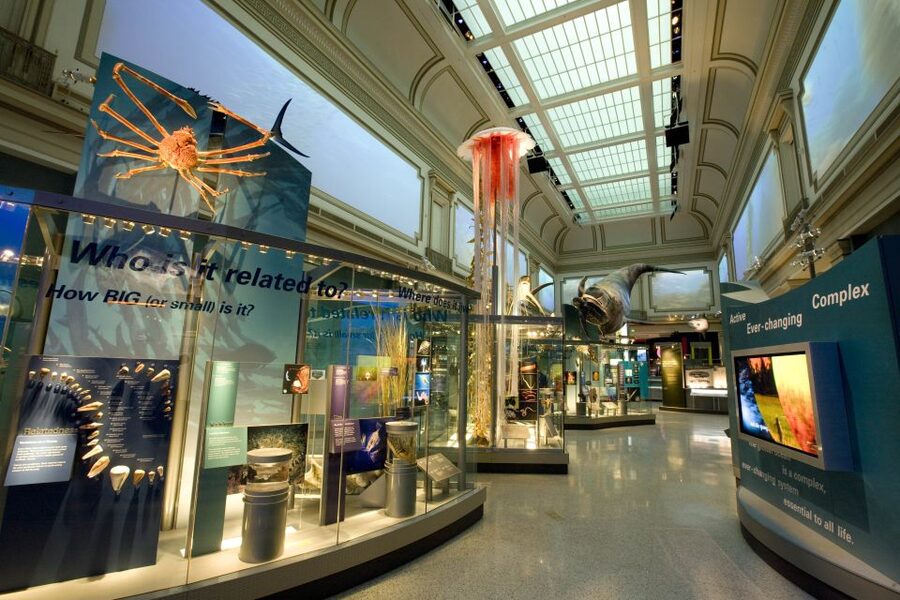
- Ocean Hall: coral reef life in a museum room
- Phoenix the whale: how a 45-ton replica becomes a science lesson
- Fossil Lab and Arctic Narwhal: the science side that still feels human
- Land giants: giraffes, elephants, polar bears, and other big presence
- How the 2.5 hours actually works (and how you can use it well)
- Private vs small group: what you gain with fewer people
- Price and value: $86 for a guided highlights plan
- What to bring, and what to leave behind
- Can you fit this into your DC day?
- Should you book this National Museum of Natural History tour?
- FAQ
- How long is the National Museum of Natural History guided tour?
- What’s the group size limit?
- Does the tour skip the ticket line?
- Are there private tour options?
- What are the main highlights included on the tour?
- Where does the tour start and end?
- What should I bring?
- Are large bags or luggage allowed?
- Is this tour wheelchair accessible?
Key points before you go

- Small groups (up to 8) or private options for a more personal museum route
- Hope Diamond plus major gems like the Dom Pedro Aquamarine and the Star of Asia Sapphire
- Real mummies and a guide who explains what you’re actually looking at
- Ocean Hall coral reef exhibit that brings marine life into a museum room
- Phoenix, a 45-ton whale story you’ll remember longer than the average display
- Fossil Lab and Arctic Narwhal stops that make the museum feel like a living science hub
Why this museum guide beats wandering on your own
The National Museum of Natural History is huge. Even if you love museums, you can lose an hour just walking the wrong way, or you miss the best rooms because you didn’t know they were there.
A guided highlights route is the shortcut. You get an English-speaking local guide who uses a mix of historical and scientific context, plus background stories and surprising details that help you understand what matters in each area. It’s not just points on a map—it’s a guided way to read the collections as you move.
You also skip the ticket line. That’s a practical win in Washington, DC, where every minute feels like it’s spoken for.
You can also read our reviews of more historical tours in Washington Dc


Gems you can’t ignore: Hope Diamond and big-name aquamarines
Let’s start with the stuff that pulls people in from across the room. This tour hits the museum’s gem stars with enough explanation that they feel more than shiny objects.
You’ll see the 46-karat Hope Diamond, one of the world’s most famous jewels. A good guide matters here. Without context, you may just admire the color. With it, you understand why this diamond is talked about so often—and how it fits into the museum’s broader mission of collecting and explaining natural materials.
Then comes the Dom Pedro Aquamarine, described as the world’s largest gem of its type, plus the Star of Asia Sapphire. These are “wow” moments, but the real value is the way the guide frames scale, identity, and why these stones are so significant to collectors, scientists, and the public.
On top of that, I like that the tour doesn’t treat the gem rooms like a quick photo stop. The guide’s storytelling style—something you’ll hear in the way guides like Leigh and Brenda are praised for strong narration—helps you stay engaged even if you’re not a lifelong gem nerd.
Real mummies and the story behind what you’re seeing
Natural history museums don’t just show rocks and skeletons. They also show human history through objects and specimens, and this tour makes sure you get to the real mummies.
Seeing real mummies in person changes the vibe instantly. They feel different from drawings or textbooks because your brain is forced to register scale, materials, and real preservation. With a guide, you’re less likely to treat the display as a spooky prop and more likely to understand what the museum is presenting and why.
This stop also fits the tour’s broader pattern: science plus story, not science alone. The guide is there to translate museum language into something you can actually use while you’re standing in front of the glass.
Ocean Hall: coral reef life in a museum room
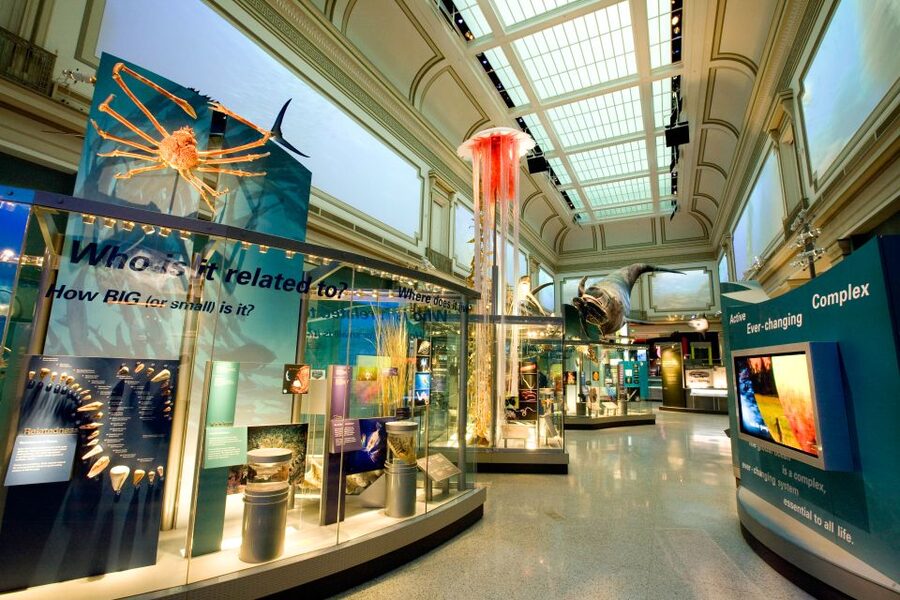
Then you shift from the land to the sea—specifically to the Ocean Hall, where there’s a real-life coral reef exhibit. This is a smart inclusion because it gives you variety without forcing you to wander all day.
Coral reef displays can be hit-or-miss if you’re just skimming. With the guide’s explanations, you’ll know what you’re looking for and why coral is more than decoration. You can also make faster comparisons across the room, rather than getting stuck staring at one corner because you don’t know what else matters.
The best part: this stop breaks up the emotional intensity of mummies and the “big-ticket” hype of diamonds. It’s a palate cleanser, but also a real education moment.
Phoenix the whale: how a 45-ton replica becomes a science lesson
One of the most memorable elements of this tour is the replica of Phoenix, a 45-ton whale the museum has been following in the wild.
This is where the guided approach really pays off. A whale display can either feel like a dramatic model or like a random centerpiece. The guide’s job is to connect the display to what’s happening in the natural world, so you walk away with more than a picture.
If you like stories with stakes—tracking animals, learning behavior, and using evidence over time—this stop is a highlight you’ll be glad is on the route. And it’s a rare reminder that natural history museums aren’t stuck in the past. They’re ongoing research at full volume.
Guides like Tim and Tony are praised for being responsive and tailoring the tour to interests, and that matters here. If your group cares more about oceans or animals, your guide can spend extra time helping you make sense of the Phoenix story.
You can also read our reviews of more museum experiences in Washington Dc






Fossil Lab and Arctic Narwhal: the science side that still feels human
Next, you’ll head toward the Fossil Lab. Fossils can feel dry if you don’t know what to notice. A guide helps you connect the dots: what fossils can tell us, how scientists interpret remains, and why lab exhibits belong on a public museum tour.
Then you’ll see the Arctic Narwhal. This kind of exhibit hits that sweet spot between “I recognize it” and “I didn’t know this existed.” It’s also an easy way to talk about adaptation and environment without turning the tour into pure lecturing.
I like that these stops keep the tour balanced. It’s not only gems and spectacle. You also get the museum’s science workflow energy—what researchers do, how evidence gets read, and why natural history collections are so valuable long-term.
Land giants: giraffes, elephants, polar bears, and other big presence
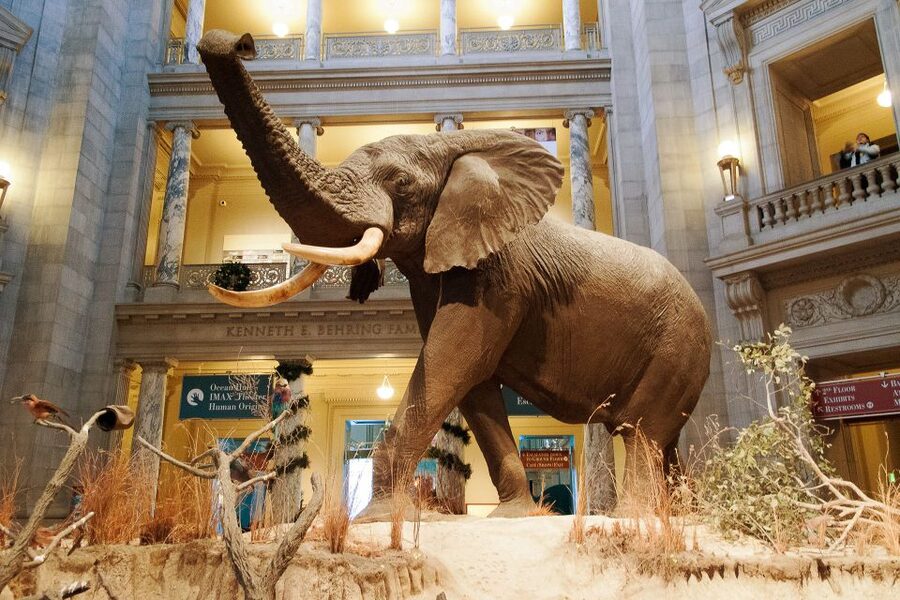
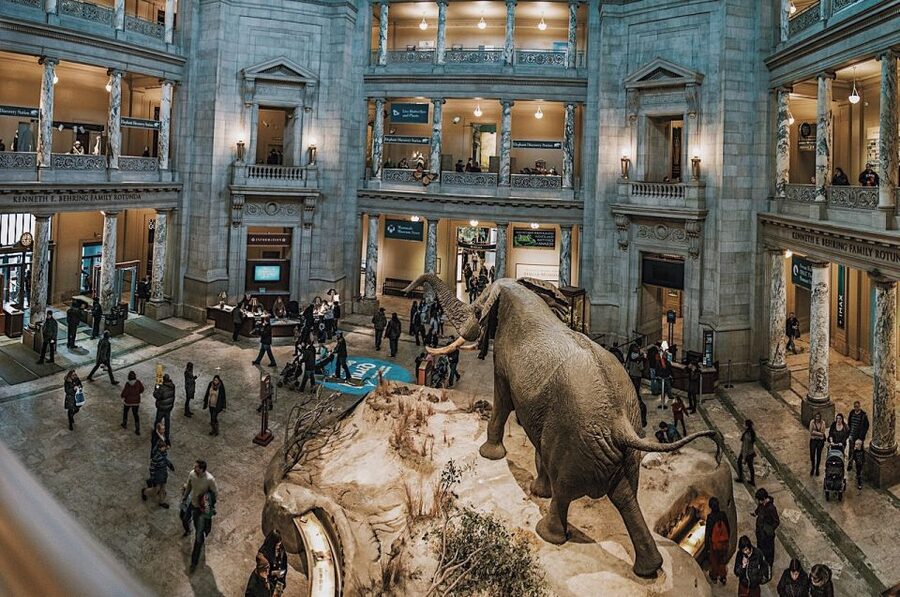
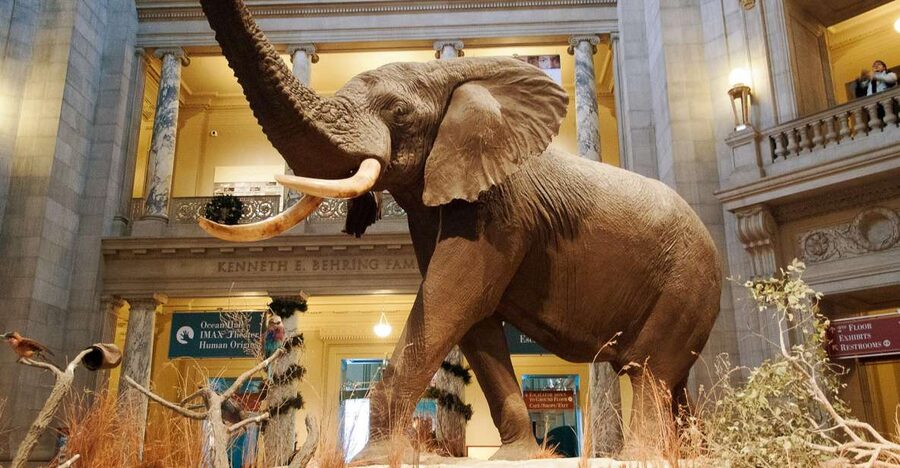
To keep the pace varied, the tour also includes land animal displays—giraffes, elephants, polar bears, and other large animals on view.
These exhibits work for almost everyone because they’re immediate. You don’t need background knowledge to understand scale, anatomy, and movement in a still display. And with a guide, you’ll likely get the kind of extra interpretation that makes you stop seeing them as just “pretty animals in glass cases.”
This is also a good area to ask questions. If your guide has that story-driven style that people mention with guides like Brenda or Richar, you’ll get practical answers about how the museum thinks about classification and how specimens connect across ecosystems.
How the 2.5 hours actually works (and how you can use it well)
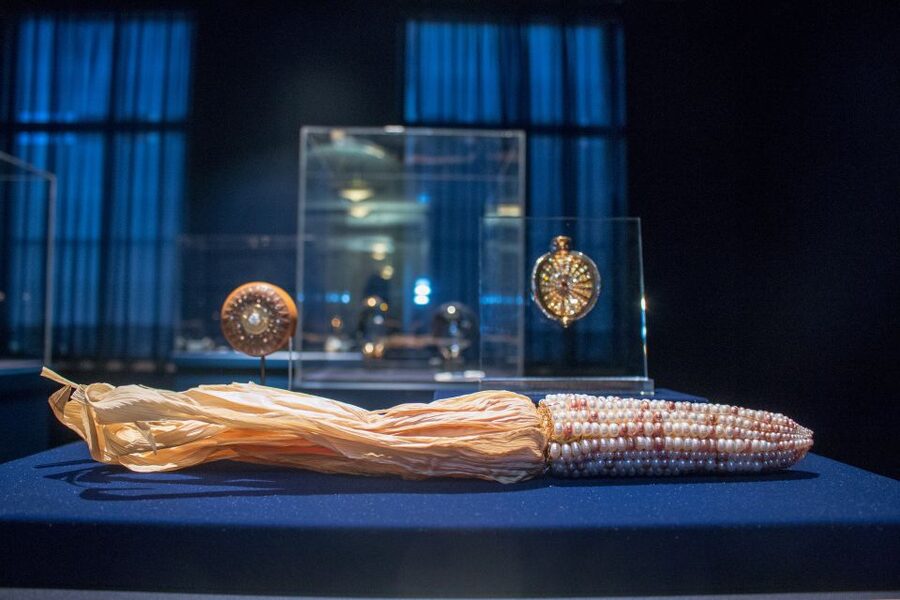
This is a walking tour focused on highlights. That means you’ll cover a lot of ground, but you won’t have time for the entire museum catalog.
The upside is that your guide helps you avoid the two classic museum mistakes:
- wandering without direction
- standing in front of something cool but not understanding why it matters
The guide is also there to make sure you don’t waste time. Since the museum takes up the equivalent of 18 football fields, having someone who knows the best sequence saves energy and keeps the momentum going.
If you’re booking for a family or mixed ages, this format is especially useful. One family-friendly detail from the tour’s feedback: guides have managed to keep interest high even for a 16-year-old, which tells you the narration level is adaptable.
A practical move: before the tour begins, tell your guide what you care about most—gems, ocean life, fossils, whales, or mummies. Guides like Tim are specifically praised for asking about interests and adjusting the time accordingly.
Private vs small group: what you gain with fewer people
You can choose between private or small group options. The tour keeps group sizes to no more than 8 people, which is a sweet spot for a museum route.
With fewer people, it’s easier to:
- hear the guide clearly
- ask questions without feeling like you’re interrupting
- slow down when someone spots a detail they want to discuss
If you’re traveling with friends or you want a more personalized museum conversation, a private option can be a strong value. For some groups, the difference is less about comfort and more about control—being able to shape the visit around your interests rather than the group schedule.
For semi-private tours, there’s a minimum participation rule (2 participants). If that minimum isn’t met, you’ll be offered a refund or an alternative date.
Price and value: $86 for a guided highlights plan
At $86 per person for a 2.5-hour walking tour, you’re paying for three things: expert narration, efficient route planning, and admission-day time savings.
If you were to do this on your own, you’d still be able to see big-name rooms—but you would likely spend more time figuring out what order to visit, and you might miss context that turns a display into an education moment. The guide’s job is to make the museum feel smaller and smarter.
Value also improves if you’re the type who enjoys understanding. If you like science explanations, object stories, and behind-the-scenes meaning, the guided format turns $86 into a couple of hours of structured learning. If you just want photos and don’t care about interpretation, it might feel expensive compared to a self-guided wander.
What to bring, and what to leave behind
Here’s the practical stuff you’ll want to know before you show up.
Bring a passport or ID card. For security, no luggage or large bags are allowed, and only handbags or small thin bag packs can go through.
Dress matters too. Some sites on the tour require appropriate dress, and you’ll be better off wearing something comfortable for walking but still sensible for indoor spaces with rules.
Also note that some rooms inside the museum have rules that require quiet or limit speaking. Your guide should explain which rooms have restrictions before you enter, which helps you avoid accidental etiquette slip-ups.
Wheelchair access is a little unclear in the provided info. It mentions wheelchair tours by request only, but it also says the experience isn’t suitable for wheelchair users. If accessibility is a key factor for you, contact Babylon Tours DC in advance so you don’t get stuck with assumptions.
Can you fit this into your DC day?
A 2.5-hour tour is a good “anchor” activity. Plan it as one of the main museum stops rather than a side quest you tack on after everything else.
Because the meeting point can vary by option, confirm your start location when you book. The tour ends back at the meeting point, so you can plan your next move without guessing.
One more planning note: temporary exhibits aren’t included, so if you’re obsessed with special shows, check what’s on during your visit and decide whether you’ll add that time yourself.
Should you book this National Museum of Natural History tour?
Book it if you want a well-paced highlights plan that covers the major hits—Hope Diamond, Dom Pedro Aquamarine, real mummies, Ocean Hall coral reef, Phoenix the whale replica, and science stops like the Fossil Lab and Arctic Narwhal—with a guide who can explain what you’re seeing.
Skip it (or keep expectations lower) if you’re the type who wants to spend an entire day drifting through every room at your own tempo. This tour is about highlights in a set window, not a museum marathon.
If you’re traveling with mixed interests or you want to maximize your time efficiently, this $86 plan makes a lot of sense. You’ll leave with the big visuals—and, more importantly, the context that makes them stick.
FAQ
How long is the National Museum of Natural History guided tour?
The walking tour lasts 2.5 hours.
What’s the group size limit?
The tour is private or in small groups, with a maximum of 8 people per tour.
Does the tour skip the ticket line?
Yes, the tour includes skipping the ticket line.
Are there private tour options?
Yes, private or small group options are available.
What are the main highlights included on the tour?
Key stops include the Hope Diamond, the Dom Pedro Aquamarine, the Star of Asia Sapphire, real mummies, the Ocean Hall coral reef exhibit, the Phoenix 45-ton whale replica, the Fossil Lab, the Arctic Narwhal, and displays including giraffes, elephants, and polar bears.
Where does the tour start and end?
The meeting point may vary depending on the option booked, and the tour ends back at the meeting point.
What should I bring?
You should bring valid photo ID, such as a passport or ID card.
Are large bags or luggage allowed?
No. Luggage or large bags aren’t allowed, and only handbags or small thin bag packs are allowed through security.
Is this tour wheelchair accessible?
Wheelchair tours are mentioned as available by request only, but the experience is also marked as not suitable for wheelchair users. It’s best to confirm details with the provider before booking.