REVIEW · HURGHADA
Hurghada: Cairo Pyramids, Sphinx, Museum & Bazaar Day Tour
Book on GetYourGuide →Operated by OceanAir Egypt · Bookable on GetYourGuide
One day in Cairo makes you blink twice. You’ll ride out from Hurghada for a sunrise drive, then see the Great Pyramid up close with an Egyptologist guiding the story. I really like the mix of big-ticket monuments plus an Egyptian Museum visit that helps the sights click into place, and I also like that you end with time to shop in Khan el Khalili instead of rushing straight back to the bus. The main drawback is simple: it’s a long day, and timing can be early and tight depending on traffic and pickups.
This is the kind of trip where good logistics matter. You’re transported in an air-conditioned vehicle, guided all day, and fed with lunch—so your brain can stay on the culture instead of the schedule. Still, plan on lots of standing and walking on uneven ground at Giza, and the tour isn’t suitable for wheelchair users.
In This Review
- Key Points You’ll Feel (Not Just See)
- Price and what $87 covers from Hurghada
- The early-morning ride from Hurghada (and why it’s worth it)
- Giza Plateau: Seeing Khufu’s Great Pyramid the right way
- The Sphinx and Valley Temple of Khafre: beyond the headline shot
- Lunch in Cairo: keep your energy steady for the museum and souk
- Egyptian Museum: prioritize, because 170,000 artifacts can overwhelm
- Khan el Khalili and El Moez Street: shopping with street sense
- Group size, guide styles, and how problems get handled
- Tickets, bags, and what to pack so the day stays smooth
- If the timing gets weird: how to roll with it
- Who this Cairo day trip is best for
- So, should you book this Hurghada to Cairo pyramids tour?
- FAQ
- What’s included in the tour price?
- Is entry inside the Great Pyramid included?
- What will I see at Giza?
- How many artifacts are in the Egyptian Museum?
- Do I need to bring a passport or ID?
- Is luggage allowed on the tour?
- Can I buy entry tickets with cash on-site?
- Is the tour wheelchair accessible?
- What pickup areas are available besides Hurghada?
- Are there multiple languages for the guide?
Key Points You’ll Feel (Not Just See)
- Early start with sunrise drive through mountain scenery up to 500 meters—this sets the mood before the monuments even appear
- Giza Plateau time with a real Egyptologist who connects Khufu, Khafre, and the Valley Temple story
- Sphinx photo access without feeling lost since you’ll have a guided route and context for what you’re photographing
- Egyptian Museum visit with a clear focus (170,000 artifacts are a lot, so you’ll want guidance to prioritize)
- Khan el Khalili + El Moez Street walking for browsing and shopping in the old-street vibe
Price and what $87 covers from Hurghada
At $87 per person, this tour is priced like a full cultural day, not just a quick bus ride to Cairo. What you’re really paying for is the whole package: hotel pickup and drop-off, air-conditioned transport, an Egyptologist guide, entry tickets for the Pyramids and Sphinx area, Valley Temple of Khafre, and the Egyptian Museum, plus lunch and time at Khan el Khalili and El Moez Street.
That matters because Cairo’s top sights are spread out and entry rules can be annoying if you’re doing it solo. Here, you get a guided flow so you can focus on what you came for: Giza first, then museum context, then real-life shopping streets.
Two things are not included. Entry inside the Great Pyramid is an add-on, and personal expenses are on you (think snacks, extras, tips, and shopping buys).
You can also read our reviews of more museum experiences in Hurghada
The early-morning ride from Hurghada (and why it’s worth it)
This tour starts with hotel pickup in Hurghada and then a long drive toward Cairo in an air-conditioned vehicle. You can watch the scenery change as you move through mountainous areas, some reaching up to about 500 meters above sea level, and the goal is to catch sunrise as you travel.
That sunrise timing isn’t just a nice idea. When you arrive at Giza early, you’re more likely to have better light for photos and a calmer start before the biggest crowds pile in. Even if your exact arrival time shifts due to day-of logistics, the point stands: the schedule is built around making daylight work for you.
Bring a hat and wear comfortable shoes. You’ll be on your feet for the monuments and you’ll appreciate anything that keeps you steady.
Giza Plateau: Seeing Khufu’s Great Pyramid the right way
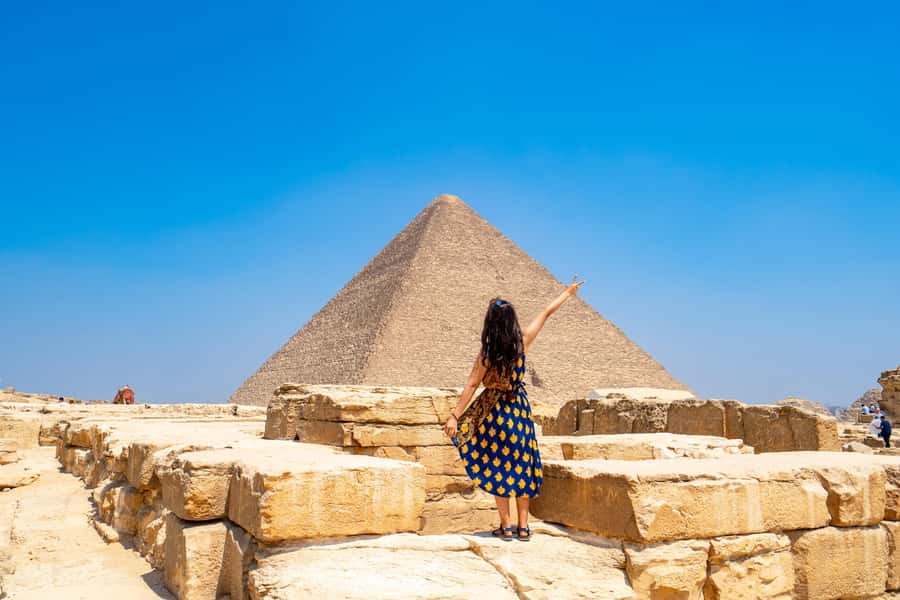
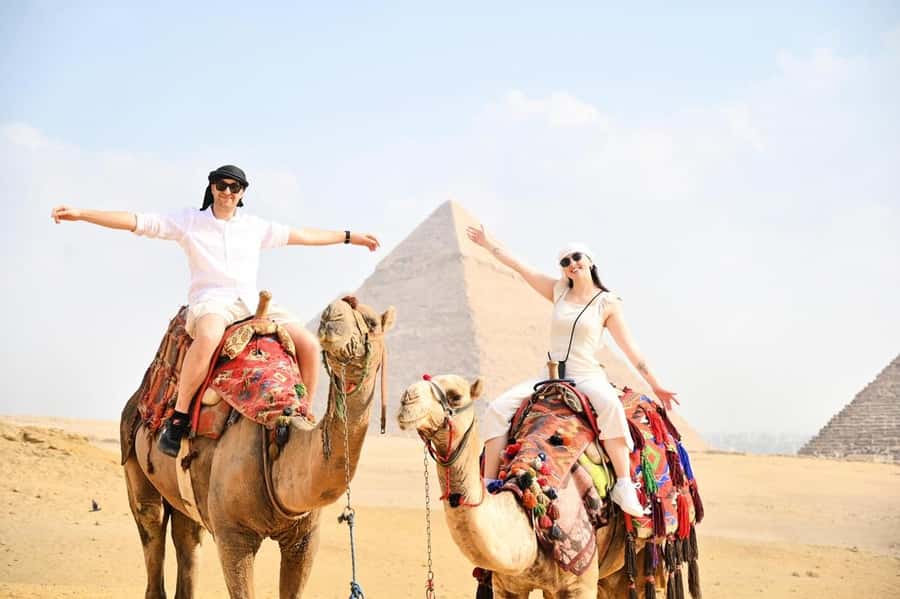
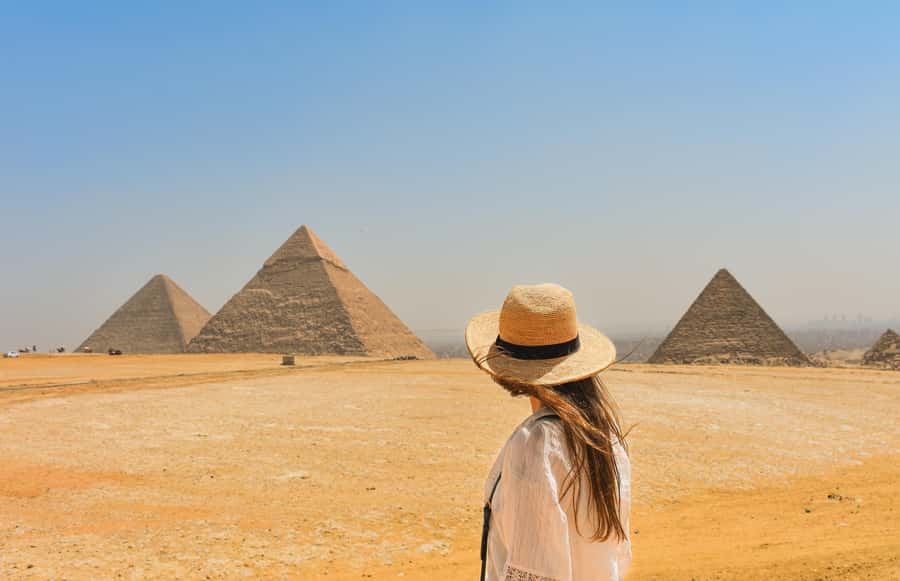
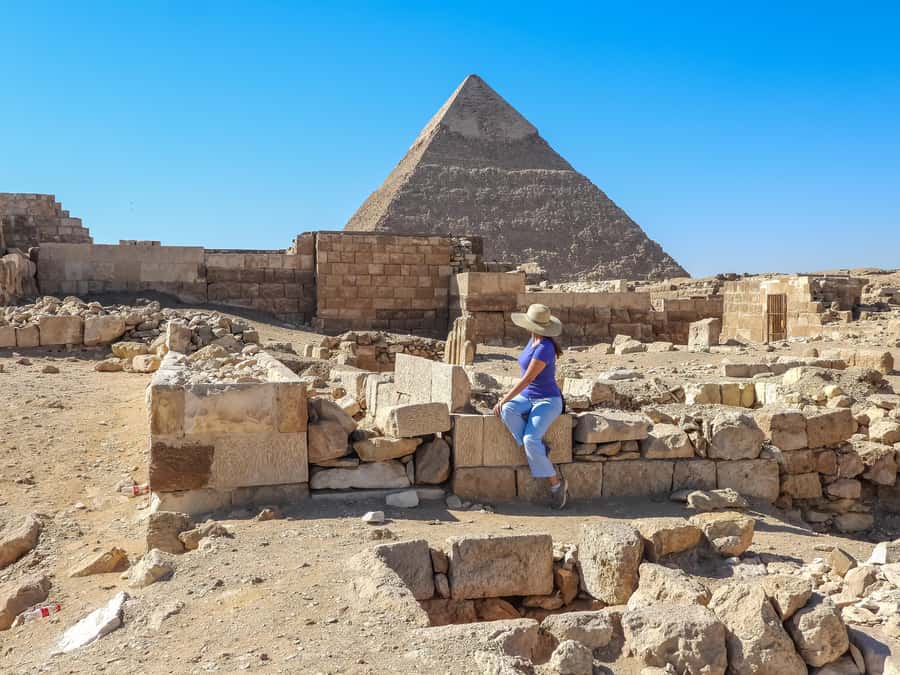
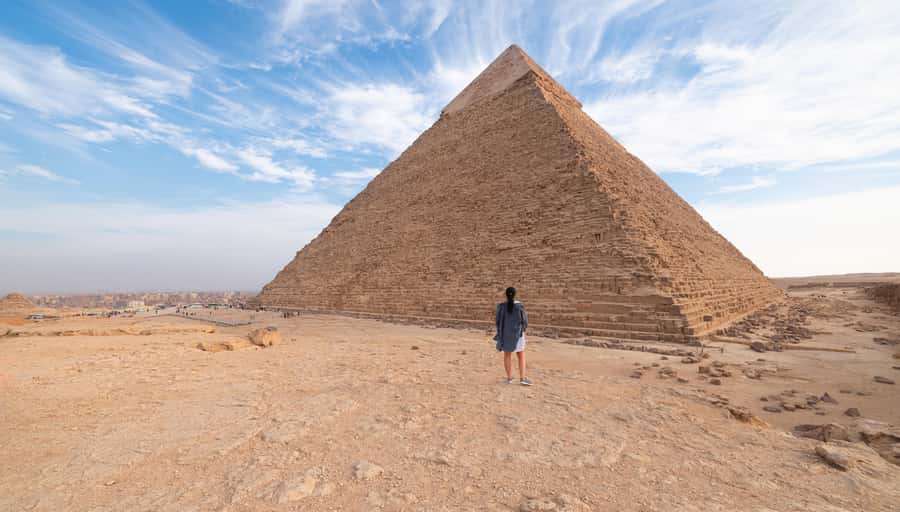
Once you reach Cairo, you meet your Egyptologist guide and head straight to the Giza Plateau. The first big moment is the Great Pyramid of Giza, built for Pharaoh Khufu and famous for being the oldest of the Seven Wonders of the Ancient World.
Here’s what I’d look for when you’re there: don’t just stare at the pyramid like it’s a postcard. Listen to what your guide explains about how these monuments were planned and used. That context turns the sight from impressive-and-quiet into impressive-and-understood.
There’s also more than one pyramid-related stop on the plateau. You’ll have time near the mortuary temples connected to the pyramids of Khufu (often referred to as Cheops), Khafre (Chephren), and Menkaure (Mykerinus). Seeing those linked structures helps you understand that Giza isn’t one monument—it’s a whole ceremonial landscape.
A practical note: you’ll get entry tickets for the Pyramids and Sphinx area, but entry inside the Great Pyramid isn’t included. If you really want to crawl inside, plan to treat it as an extra add-on decision, not an automatic part of the day.
The Sphinx and Valley Temple of Khafre: beyond the headline shot
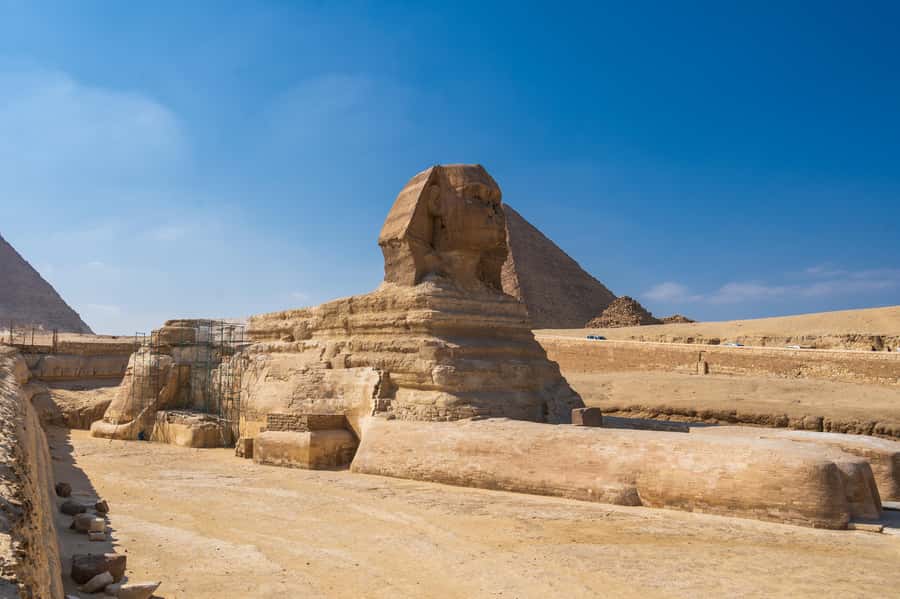
After the pyramids, the route shifts to two iconic stops: the Great Sphinx and the Valley Temple of King Khafre.
The Sphinx is one of those places where you either see it once and forget it, or you pause long enough to notice details. With a guide, you’re more likely to spot why it’s so famous and what connection it has to the funerary world of Khafre. The best part is that you’ll be close enough to get strong photos without spending your whole day trying to figure out where to stand.
Then comes the Valley Temple of Khafre. This is where the tour earns its keep. The pyramid is the headline, but the valley temple is the piece that makes the whole story feel real. These structures were built as part of the process tied to the king, and understanding that link makes it easier to appreciate the layout and purpose rather than just the scale.
Your guide should also help you navigate the practical chaos that tends to surround big attractions. One safety-minded approach you can expect from strong guides is clear advice about scams and keeping yourself grounded in what you’re actually doing. If your guide is the type who checks in on your comfort level, you’ll feel the difference.
Lunch in Cairo: keep your energy steady for the museum and souk
After Giza, there’s a break with lunch at a local restaurant. This is more important than it sounds. Cairo is a full-day rhythm: you’ll be walking and standing, and you still need energy for the Egyptian Museum and the bazaar afterward.
Aim to eat something you can handle well before a long day of touring. If your stomach is sensitive, go easy with spicy choices. The tour keeps things simple, so your main job is to show up rested and not turn lunch into a slow-down.

Egyptian Museum: prioritize, because 170,000 artifacts can overwhelm
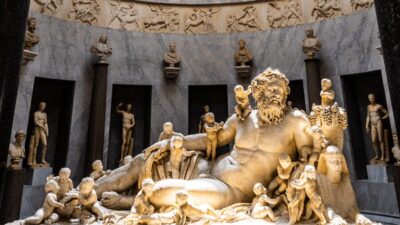
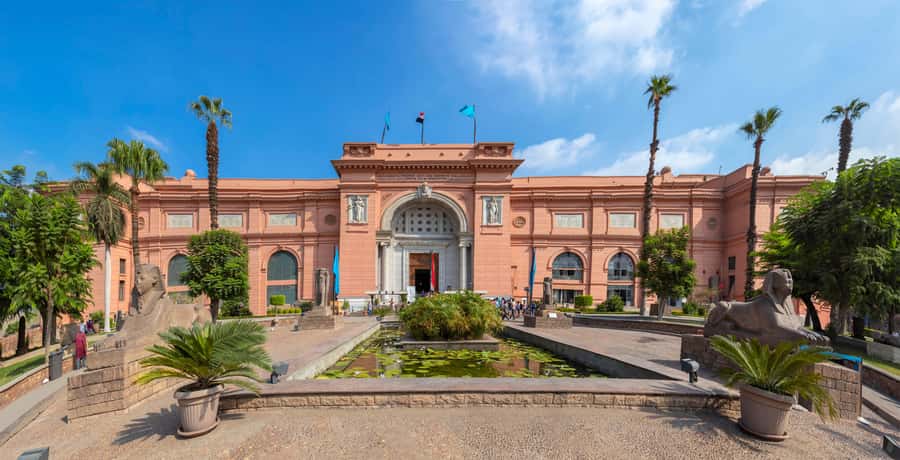
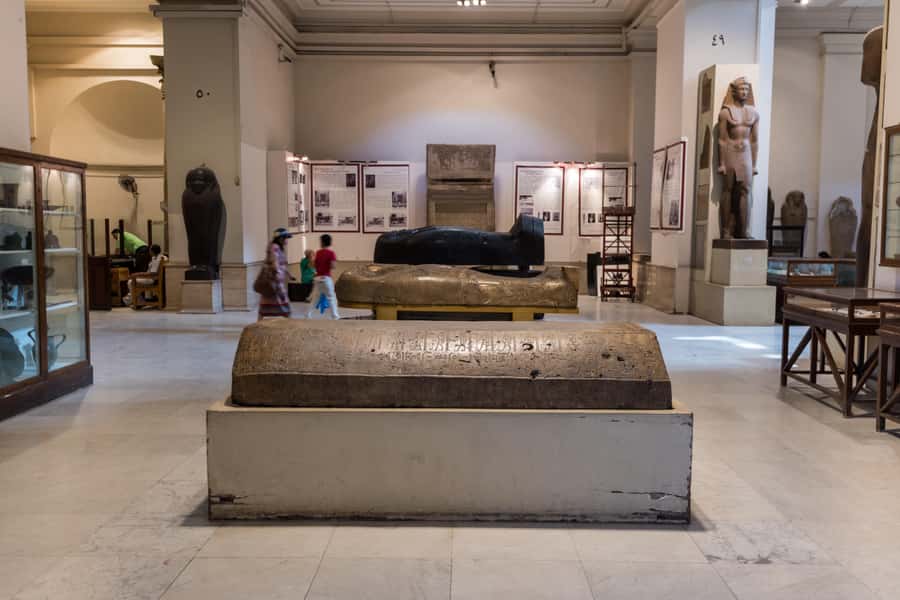
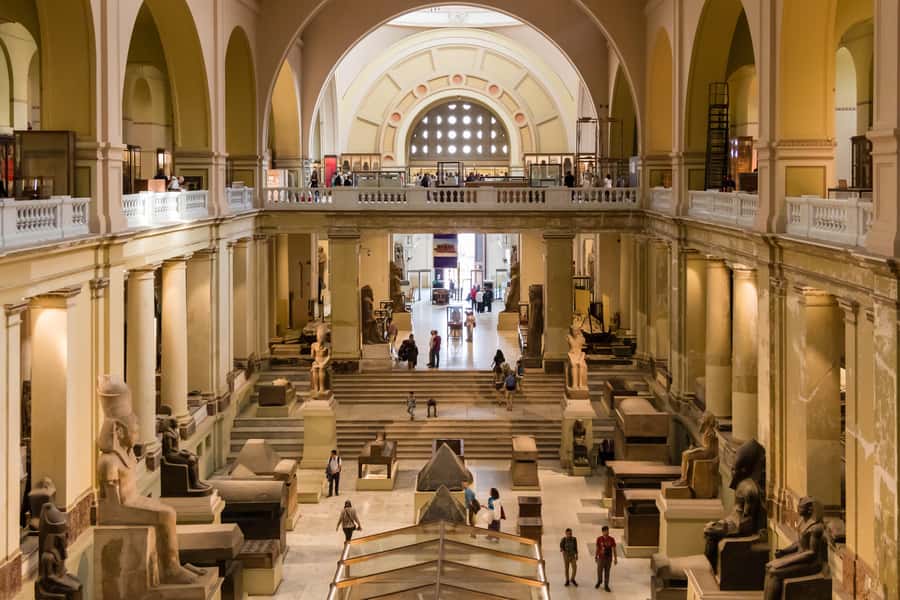
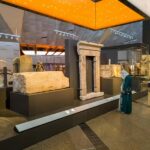
The Egyptian Museum stop is a key part of turning visuals into meaning. The museum houses around 170,000 artifacts from ancient Egypt, including intricate carvings and sculptures from the time of the Pharaohs.
That number can sound intimidating, and it is. You don’t want to wander aimlessly for hours trying to see everything. What you want is a guided visit that helps you choose what matters most based on what you just saw at Giza.
This is where the Egyptologist guide pays off. When your guide can connect museum objects to the rulers and monuments outside, the day stops feeling like separate stops and starts feeling like one story.
One practical tip: wear comfortable shoes because museums are long on floors and short on resting spots. If you’re not used to museum pacing, go slower than you think you should, and let the guide steer you toward the strongest pieces.
Khan el Khalili and El Moez Street: shopping with street sense
The end of the day is your chance to see Cairo’s street life through Khan el Khalili Bazaar, with additional time on El Moez Street. This is the part of the day that feels most like being in a real neighborhood rather than standing in front of monuments with a ticket in your hand.
What I like here is the balance. You’re not trapped behind a rigid schedule for the entire day. You get free time to browse souvenirs and gifts, and you can soak up the atmosphere at your own pace.
That said, shopping in busy markets needs street sense. A good approach is to look before you buy, check what you like, and don’t commit on the first pass. If you feel unsure, lean on your guide’s advice—they often know where the hassle starts and where it’s easier to enjoy browsing.
This is also a nice moment for photos that don’t look like standard tour snaps. El Moez Street helps you get that older Cairo feeling, especially when the market buzz slows down around you just enough to notice the street details.
Group size, guide styles, and how problems get handled
One thing I strongly value in tours like this is how the guide handles the real day-of stuff: crowds, timing, questions, and the unexpected. In past runs of this route, guides including people such as Ahmed, Ramy, Michael, Samaa, Emil, and Amir have been praised for being professional, patient, and quick to help.
You’ll feel that in moments like:
- answering questions at the pyramids and in the museum without making you feel rushed
- watching for safety issues around crowds and advising on scam avoidance
- adjusting when someone needs extra help
There’s even an example of a guide reacting fast to a health problem, including contacting authorities so a sick passenger could be checked over by paramedics. That doesn’t happen every day, but it tells you what kind of safety mindset you want from a day trip.
Group size can also change the vibe. One report described a small group of about 15, which often means you get a more personal pace and more time for questions.
Tickets, bags, and what to pack so the day stays smooth
You’ll need a passport or ID card. You should also bring comfortable shoes, and a hat for sun protection.
There’s one rule that can trip people up: luggage or large bags aren’t allowed. That’s a big deal for people who pack like they’re moving apartments. Keep it light so you don’t spend your morning solving a logistics problem.
Also note how entry tickets may work if you try to buy on-site. The Egyptian Ministry of Tourism says travelers must purchase entry tickets using a card; cash isn’t accepted. Since the tour already includes key entry tickets, you mostly use this rule if you’re adding extras—like entry inside the Great Pyramid.
If the timing gets weird: how to roll with it
This kind of long-distance day trip can be affected by timing and traffic. One example described an early start around 1:20am, but arrival at the pyramids later than expected with long lines already forming.
If that happens, you can still win the day by adjusting your mindset:
- expect more waiting time than you planned
- keep your camera ready for better light later in the morning
- remember the guide can help you keep the order and focus even when schedules slip
The guide’s role matters most when the day doesn’t go perfectly. A solid Egyptologist should help you stay calm, informed, and moving.
Who this Cairo day trip is best for
This is a great fit if you want a high-impact Cairo day without doing logistics yourself. It works well for first-time visitors who want the essential Giza sights plus museum context plus one evening-style bazaar walk.
It’s also a good choice if you like learning, not just sightseeing. The guide is built into the value here, and many of the best moments come from explanations that connect Khufu and Khafre to what you’re seeing.
It may not be ideal if you’re someone who hates long travel days. The pickup and drop-off from Hurghada mean this is a full-day commitment, and you’ll be walking on uneven ground at Giza.
And if wheelchair access is a must, this tour isn’t suitable.
So, should you book this Hurghada to Cairo pyramids tour?
Yes, if you want the biggest Cairo hits in one organized day and you’d rather pay for planning than spend your trip wrestling with tickets, timing, and directions. At $87, the value is strongest when you use everything that’s included: Egyptologist guidance, museum entry, lunch, and the bazaar time.
Hold off or adjust expectations if you’re very sensitive to long days, or if you need flexibility because you’re traveling with health constraints. Also be clear about pyramid entry: inside the Great Pyramid is not included by default, so decide if that add-on is worth it to you before you go.
FAQ
What’s included in the tour price?
Hotel pickup and drop-off from Hurghada, air-conditioned transportation, a professional Egyptologist guide, lunch at a local restaurant, entry tickets to the Pyramids and Sphinx area, Valley Temple of Khafre, entry to the Egyptian Museum, and a visit to Khan El Khalili Bazaar and El Moez Street.
Is entry inside the Great Pyramid included?
No. Entry inside the Great Pyramid is available as an add-on.
What will I see at Giza?
You’ll see the Great Pyramid of Giza, the famous Sphinx, and the Valley Temple of King Khafre. You’ll also visit mortuary temples connected to Khufu, Khafre, and Menkaure.
How many artifacts are in the Egyptian Museum?
The museum visit includes access to a museum that houses around 170,000 artifacts from ancient Egypt.
Do I need to bring a passport or ID?
Yes. You should bring your passport or ID card.
Is luggage allowed on the tour?
No. Luggage or large bags are not allowed.
Can I buy entry tickets with cash on-site?
No. According to the Egyptian Ministry of Tourism, entry tickets must be purchased using a card; cash is not accepted.
Is the tour wheelchair accessible?
No. It’s not suitable for wheelchair users.
What pickup areas are available besides Hurghada?
Long-range pickup from Safaga, Makadi, Soma Bay, El Gona, and Sahl Hashish can be booked as an add-on.
Are there multiple languages for the guide?
Yes. Languages listed include French, German, Italian, and English.