REVIEW · ROME
Rome: Vatican Museums, Sistine Chapel Tour & Basilica Access
Book on GetYourGuide →Operated by Italy Wonders · Bookable on GetYourGuide
The Vatican feels like a time machine—fast. This guided run through the Vatican Museums and Sistine Chapel is all about getting you inside with less waiting, then using an expert guide to make Michelangelo’s world and the Vatican’s art story make sense quickly. You’ll see the big icons, plus rooms that most people rush past.
Two things I really like: the skip-the-line entry keeps the day from turning into a slow queue marathon, and the live guide work gives you context as you walk. One thing to keep in mind is the pace. This is not a slow, sit-and-stare museum day, so if you want lots of time for photos, you may feel a bit hurried.
In This Review
- Key highlights to look for
- Why this tour makes sense for Vatican first-timers
- Getting there: Via Vespasiano, Ottaviano metro, and the strict clock
- Cortile del Belvedere: why that first sculpture area matters
- Vatican Museums route: Gallery of Candelabra, Tapestries, and Maps
- Sistine Chapel: how the guide turns Michelangelo into a story
- Temporary closure reality check (important)
- St. Peter’s Basilica upgrade: when it’s worth the extra time
- Price and value: is $130.28 a fair deal?
- The pace, crowds, and headsets: what to expect on the ground
- Guide styles: you might learn differently depending on who you get
- Who this tour suits best
- Should you book this Vatican Museums and Sistine Chapel tour?
- FAQ
- Where is the meeting point?
- How long does the tour last?
- Does this include skip-the-line access?
- Is St. Peter’s Basilica included?
- What happens if the Sistine Chapel is closed?
- What should I bring for entry?
- What are the dress code rules?
- Are there headsets and what about language options?
- Is the tour wheelchair-friendly?
- Is food included?
Key highlights to look for
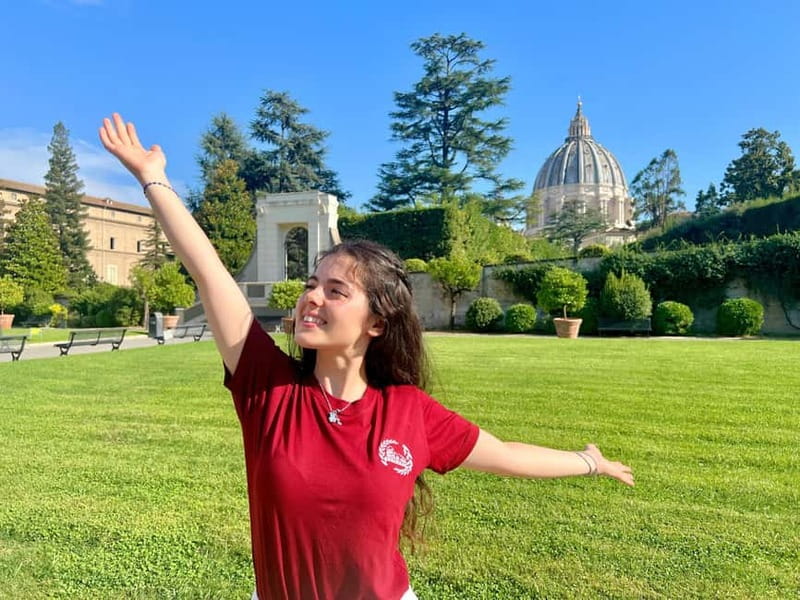
- Belvedere Courtyard setup: sculptures and the Pio-Clementino feel like a stage before you hit the museums
- Gallery of Candelabra, Tapestries, and Maps: three different ways the Vatican flexes its power and taste
- Michelangelo’s ceiling moments: Creation of Adam and the Last Judgment are the payoff
- Headsets for narration: included, helpful in crowds (audio quality can vary)
- St. Peter’s Basilica upgrade (optional): Pietà, Bernini baldachin, and the dome—when that option fits your day
- Sistine Chapel closure window: April 28 until the election of the new Pope means alternative Vatican Museum sections instead
Why this tour makes sense for Vatican first-timers
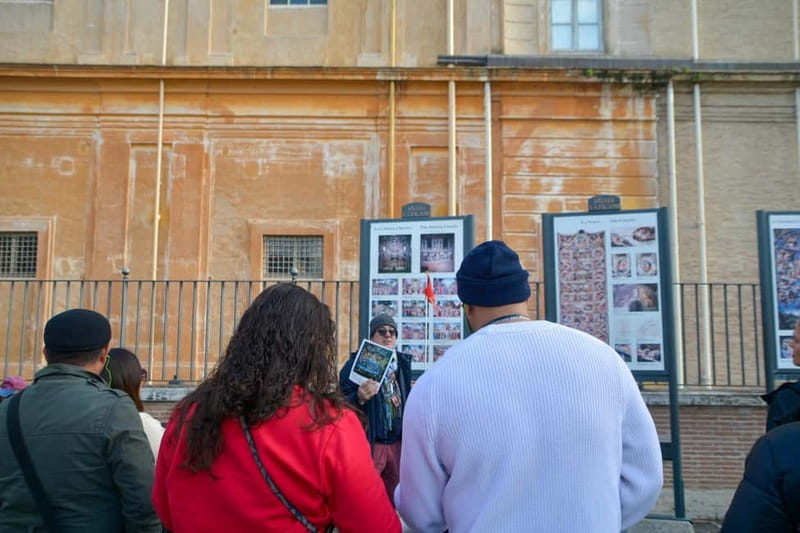
The Vatican Museums can swallow a whole day, and waiting can steal your energy. This experience is designed to do the opposite: get you in, then move through the art with a guide who points out what to look for and why it matters. The stated time is 2.5 to 3 hours, so it’s the kind of plan that works when your Rome days are already packed.
You’re not just buying admission. You’re getting a licensed guide, museum skip-the-line entry, and skip-the-line access for the Sistine Chapel portion, plus headsets so you can follow the commentary while walking through big crowds. That combination is where the value lives: time saved at the front end, meaning more of the experience goes to the art instead of the process.
The biggest “real-world” benefit is momentum. You’ll start at the meeting office, then you’ll flow into the museum route and end in the Sistine Chapel. Even if you’ve studied Michelangelo already, seeing it in person with a running explanation tends to make the images feel less like posters and more like stories.
You can also read our reviews of more museum experiences in Rome
Getting there: Via Vespasiano, Ottaviano metro, and the strict clock
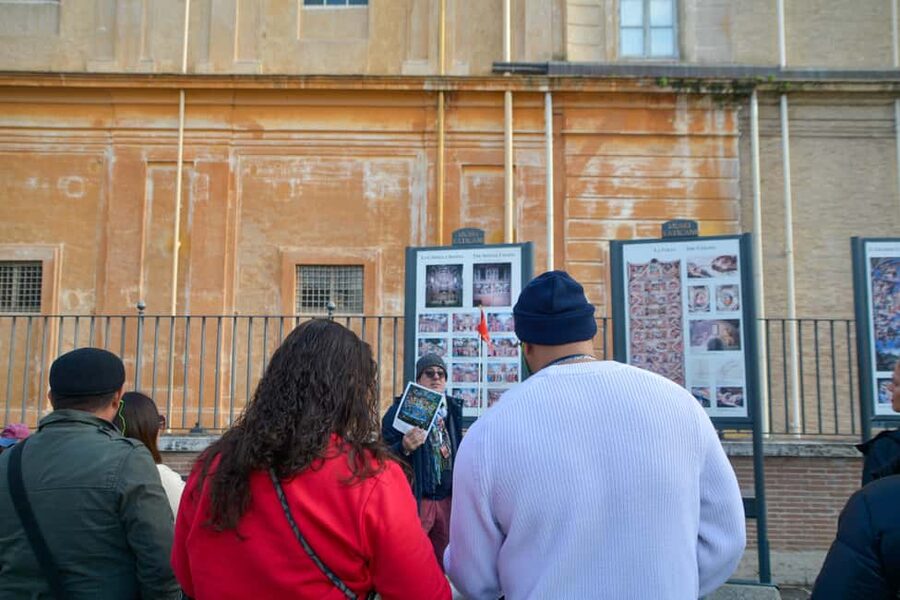
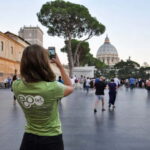
Meeting point details matter with the Vatican because security and entry windows are unforgiving. You meet at the local partner’s office on Via Vespasiano 24. The easiest metro option listed is Line A to Ottaviano, followed by a 10-minute walk to the office. St. Peter’s Square is not the meeting point, so don’t show up there expecting a group pickup.
Two practical tips that will save you stress:
- Arrive early. The Vatican Museums are strict about entry times, and late arrivals can’t be guaranteed entry. If your timing slips, you may lose the chance to participate.
- Bring your passport or ID card. Security requires photo ID, and it’s safer to have the real document with you than a phone photo.
Dress code is also non-negotiable. You’ll need to cover shoulders and knees. Shorts, short skirts, and sleeveless shirts aren’t allowed. Comfortable shoes are a must because you’ll be walking more than you think for a “short” tour.
Also note a timing quirk: the option that includes St. Peter’s Basilica access depends on the specific tour time. The information you have says that tours after 2:00 PM do not include Basilica access, even if you picked an option on the listing. If Basilica is high priority, check the time carefully before you commit.
Cortile del Belvedere: why that first sculpture area matters
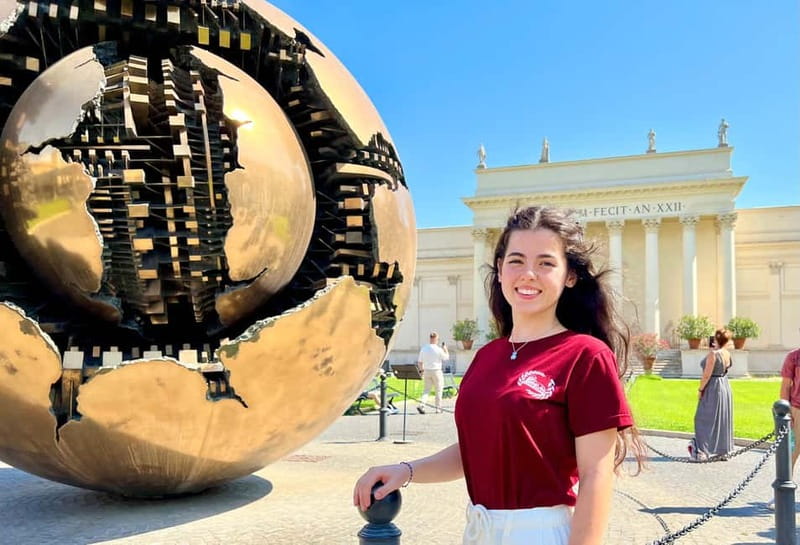
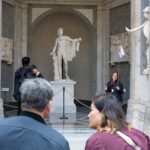
Before you hit the museum galleries in full force, you’ll start in the Cortile del Belvedere with a guided stop. This is one of those places where the Vatican’s curatorial ambition shows immediately: sculptures placed in a way that feels theatrical, with classical works acting like a warm-up act.
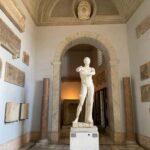
The tour description specifically calls out the Pio Clementino Museum courtyard feel, and it names famous pieces such as the Laocoön and the Apollo Belvedere. Even if you only recognize titles from books, you’ll likely understand why they’re famous once you see scale and positioning in real space. A guide helps here, because the meaning is often in what you’re standing in front of, not in a vague “cool statue” moment.
If you’re the type who likes to connect art to politics and patronage, this courtyard setup is a good reminder: the Vatican didn’t only collect art to decorate buildings. It used art to project authority across centuries.
Vatican Museums route: Gallery of Candelabra, Tapestries, and Maps
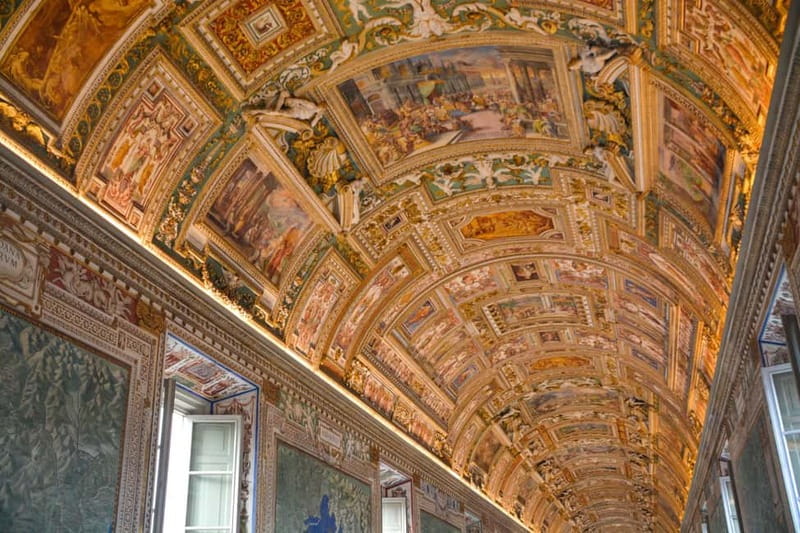
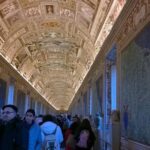
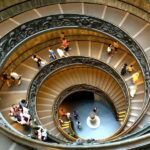
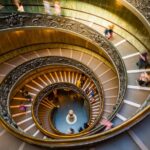
After the courtyard start, the itinerary moves into key museum stops that mix styles and eras. The route highlights include the Gallery of Candelabra, then the Gallery of Tapestries, and the Gallery of Maps. Each one gives you a different “why this exists” angle.
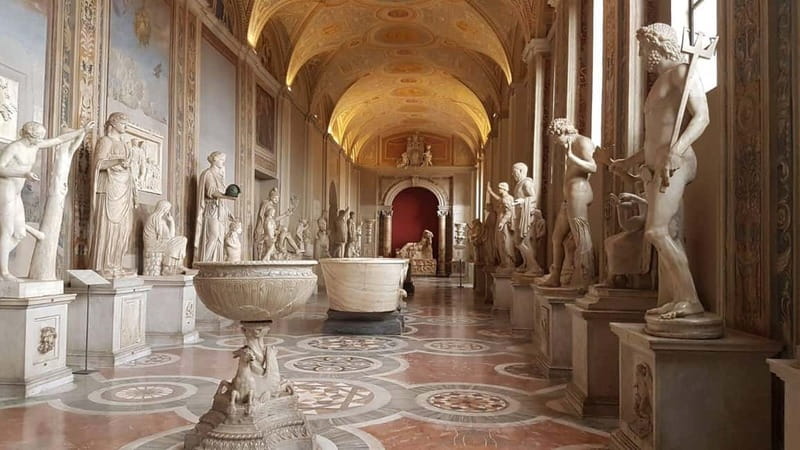
In the Gallery of Candelabra, you’re looking at decorative and classical-inspired design. The guide’s narration is what turns it from background ornament into something you can actually read—patterns, symbolism, and what the Vatican wanted visitors to notice.
Then come the Gallery of Tapestries. This is where the tour gets more tactile in your mind. The description emphasizes Renaissance textile work, and that matters because tapestries don’t behave like paintings. They’re designed for viewing, telling stories through woven scenes with a texture you can sometimes almost imagine even while standing behind rope barriers.
Next up is the Gallery of Maps, and the tour description is clear: expect 16th-century cartography masterpieces. This is the surprise stop for a lot of people. It’s not “just pretty maps.” It’s a window into how the Vatican (and Europe) pictured the world—politically, geographically, and spiritually. A guide helps you connect the art to the mindset behind it.
Between these galleries, you’ll notice something important: the Vatican Museums are not one museum. They’re a whole chain of curated statements. The value of a guided route is that you don’t just see items—you learn how they link.
Sistine Chapel: how the guide turns Michelangelo into a story
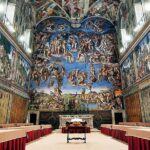
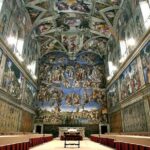
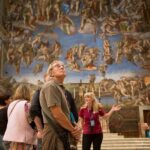
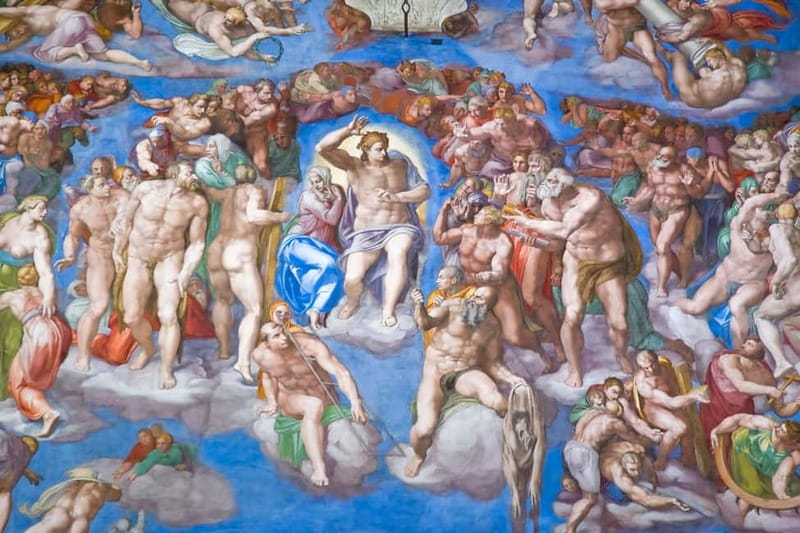
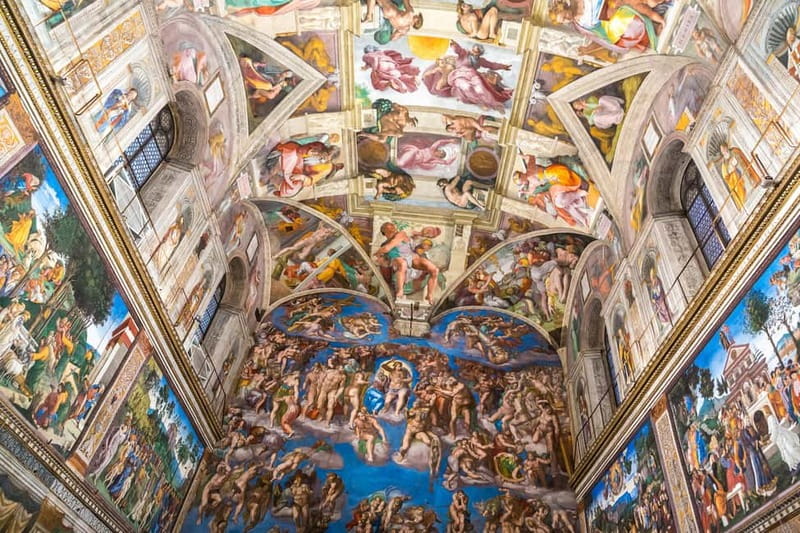
The tour culminates in the Sistine Chapel, where the promised Michelangelo moments are front and center: the Creation of Adam and the Last Judgment. Those two images are famous for a reason, but they’re also crowded, backlit, and seen through the logistics of the room. A good guide is what helps you interpret what you’re seeing while the ceiling pulls you in every direction.
One thing I think you should plan for: the Sistine Chapel experience is intense because it’s visually overwhelming and socially busy. You’ll follow the guide’s flow and explanations, not a self-paced circuit. If you like to pause long and study, this part may feel like a guided “greatest hits” tour rather than a slow art seminar.

Temporary closure reality check (important)
There’s also a major schedule note included in the experience details: the Sistine Chapel is scheduled to be closed to the public from April 28 until the election of the new Pope. During that period, the experience will still run, but alternative sections of the Vatican Museums are made available instead.
So if your travel dates fall in that window, go in expecting a different finale. The Vatican Museums will still be the same building full of art, but the ending you imagine—standing under the Michelangelo ceiling—might not be the same.
St. Peter’s Basilica upgrade: when it’s worth the extra time
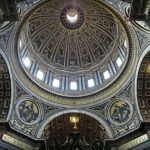
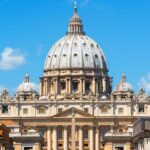
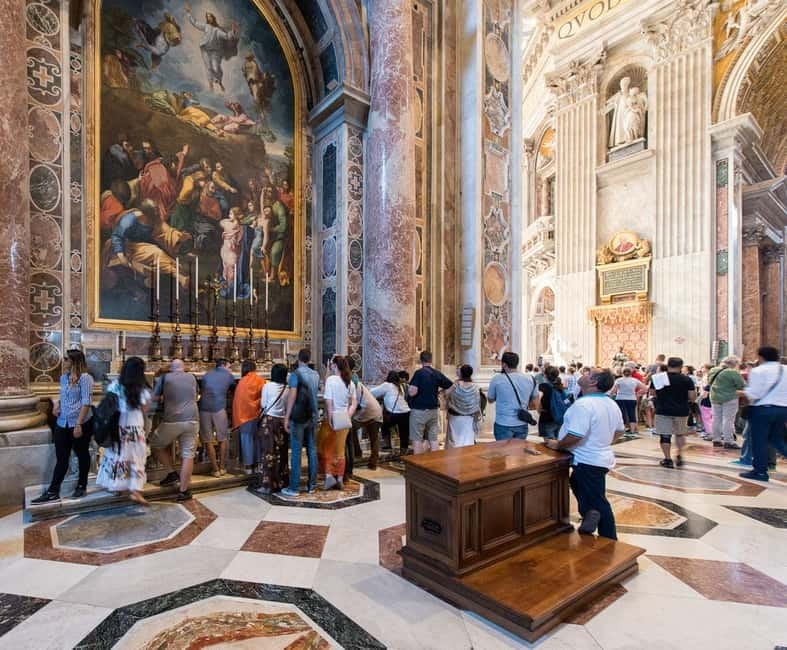
If you choose the option that includes access to St. Peter’s Basilica, you’re adding one of Rome’s most powerful art-and-architecture spaces to the same day. The description highlights key sights to expect: Michelangelo’s Pietà, Bernini’s baldachin, and the dome that dominates Rome’s skyline.
This is a meaningful upgrade because the Basilica isn’t just a church stop. It’s where sculpture, architecture, and Catholic ceremony converge into a single visual argument. If you’re already planning Vatican Museums, adding the Basilica can help the overall story land more fully—especially if you want that last “spiritual center” feeling after art history.
But timing matters:
- The Basilica is closed on Wednesdays and during religious holidays, according to the provided info.
- And as noted earlier, tours after 2:00 PM do not include Basilica access.
Price and value: is $130.28 a fair deal?
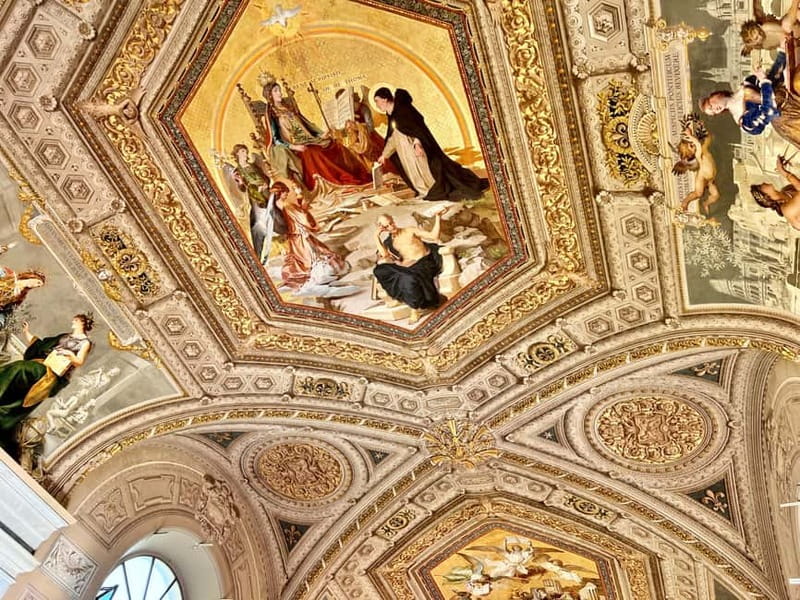
The listed price is $130.28 per person. On paper, that’s not cheap—until you compare it to what you’re actually buying.
You get:
- A licensed guide for the route
- Skip-the-line entry for the Vatican Museums and skip-the-line entry for the Sistine Chapel
- Headsets so you can hear the narration in crowds
- Team assistance at the meeting point
- WiFi availability at the meeting point
- Optional St. Peter’s Basilica access depending on what you select
You’re also not paying for transportation or food here, so you’ll handle that on your own. Still, skipping time in long lines in the Vatican is often the difference between a “great day” and a “we survived the queues” day. For a short visit to Rome, the value usually comes down to time. If you’re staying in central Rome and want the highlights without losing half your day to ticket lines, this price can be justified.
If you’re the type who enjoys slow wandering, you might feel the cost more because the structure is tight. But if you want direction, context, and efficient entry, the pricing starts to make sense fast.
The pace, crowds, and headsets: what to expect on the ground
A lot of the feedback you’d normally see for Vatican tours boils down to one theme: it can be tiring. This kind of experience works by covering major rooms and major artwork efficiently, which means you’ll walk and keep moving.
What you should plan for:
- Fast movement through corridors is part of the strategy. You’ll get fewer photo opportunities than you might hope.
- Big rooms mean noise, and the experience includes headsets. Headset quality can vary inside crowded spaces, so don’t wait until you’re frustrated—test it early and adjust the volume.
- Security checks are real. Bring your ID and don’t start the day hungry for last-minute problem-solving.
The upside is that you likely won’t feel lost. Guides on this route often help you get your bearings fast. You may also get a sense of the Michelangelo works through a practical layout explanation before you reach the Sistine Chapel.
Guide styles: you might learn differently depending on who you get
One underrated part of choosing a guided Vatican route is the voice guiding you through it. In this experience, you could be led by guides such as Antonio, Federica, Simona, Davide, or Mariangela (names included in the details you provided). Different guides tend to emphasize different parts of the story—symbols, technique, or the Vatican’s institutional power.
If you learn best through art-history context, you’ll likely enjoy the way guides connect galleries to the people and reasons behind them. If you’re more of a “tell me what I’m looking at” person, guides tend to point out what’s easiest to miss on your own, especially in crowded rooms.
Either way, the consistent thing is the structure: you’ll be moving from the courtyard into the major museum galleries and then closing at the Sistine Chapel.
Who this tour suits best
This experience is a good match if:
- You want Vatican Museums + Sistine Chapel without spending hours in ticket lines
- You’re okay with a guided, time-efficient approach
- You like learning why famous works matter, not just seeing them
It’s less ideal if:
- You need lots of time for photos and long stops
- You hate crowds and fast walking
- You need wheelchair access—this is listed as not suitable for wheelchair users
If your group is mixed skill-wise—someone who loves art and someone who just wants the must-sees—this kind of guided route often balances the needs better than self-guided wandering.
Should you book this Vatican Museums and Sistine Chapel tour?
If your goal is to see the Vatican’s top art in a short window, I’d lean yes. The strongest reasons to book are simple: skip-the-line entry, a licensed guide, and a route that gets you to the Sistine Chapel without turning the day into a waiting contest.
Before you click confirm, do two quick checks:
- Make sure the day you’re going has Sistine Chapel access. If your dates fall between April 28 and the Pope election, expect an alternative end to the museum experience.
- If you care about St. Peter’s Basilica, double-check timing and closure rules (and remember that after 2:00 PM, Basilica access is not included).
If you want maximum value for limited time in Rome, this is a smart way to spend it—direct, guided, and efficient.
FAQ
Where is the meeting point?
The meeting point is at the local partner’s office at Via Vespasiano 24. The directions provided say to use metro Line A to Ottaviano, then walk about 10 minutes to the office.
How long does the tour last?
The duration is listed as 2.5 to 3 hours. Start times vary, so you need to check availability for the exact departure.
Does this include skip-the-line access?
Yes. It includes skip-the-line entry for the Vatican Museums and skip-the-line entry for the Sistine Chapel.
Is St. Peter’s Basilica included?
St. Peter’s Basilica access is included only if you select the option to add it. The Basilica is also closed on Wednesdays and during religious holidays.
What happens if the Sistine Chapel is closed?
The provided information states the Sistine Chapel will be closed from April 28 until the election of the new Pope. During that time, alternative sections of the Vatican Museums are made available.
What should I bring for entry?
You should bring a passport or ID card. All guests must also bring a photo ID for the security check.
What are the dress code rules?
The Vatican Museums have a dress code requiring you to cover shoulders and knees. The information says shorts, short skirts, and sleeveless shirts are not allowed.
Are there headsets and what about language options?
Headsets are included. The tour is offered in English, Spanish, French, Portuguese, German, and Italian.
Is the tour wheelchair-friendly?
No. The experience is listed as not suitable for wheelchair users.
Is food included?
No. Transportation and food and drinks are not included.