REVIEW · PARIS
Musée d’Orsay Skip-the-Line Tour with Expert Guide
Book on GetYourGuide →Operated by Memories France · Bookable on GetYourGuide
Paris art hits different at Orsay.
You’ll get a skip-the-line entry plus an expert English guide who turns famous Impressionists into real people with opinions, rivalries, and reasons for painting the way they did. Two things I like a lot: the focus on how the art was received at the time (yes, it caused real outrage) and the chance to keep exploring after the guided portion. One thing to keep in mind: the guided time is 90–150 minutes, so you may feel a bit of a hurry if your goal is slow, wall-by-wall reading.
This museum works like a time machine. It’s set inside a grand Beaux-Arts railway station built for the World’s Fair, so you’re not just looking at art on white walls. You’re moving through a building that already feels like a major event.
Plan for crowds and movement. You’ll start at the main entrance area, get ear-harshly useful headsets when needed, and cover major highlights and some lesser-known works efficiently—then you can linger in galleries on your own.
In This Review
- Key Things You’ll Notice on This Orsay Tour
- Why the Musée d’Orsay Feels Like More Than Just Another Museum
- Skip-the-Line Start: Meeting Point, Getting Orsay-Ready, and Avoiding the Crush
- The First Rooms: How the Building and Time Period Set Up Your Visit
- Impressionist Shock and Scandal: What Your Guide Will Make Click
- Major Highlights Plus the Stuff You Might Skip
- Earphones, Crowd Control, and the Pace Issue to Know
- When $82 Is Actually Good Value (and When It Might Not Be)
- After the Tour: How to Use Your Free Time in the Right Way
- Who Should Book This Orsay Tour?
- Should You Book the Musée d’Orsay Skip-the-Line Tour?
- FAQ
- Where do I meet the guide for this Musée d’Orsay tour?
- Is this tour really skip-the-line?
- How long is the guided portion?
- Is the tour in English?
- Will I be able to stay in the museum after the tour ends?
- Are entrance fees included?
- What do I need to know about luggage?
- What are the nearest transit stops?
- Is this tour suitable for wheelchair users?
Key Things You’ll Notice on This Orsay Tour
- Skip-the-line entry using a dedicated entrance, so you waste less time at the door
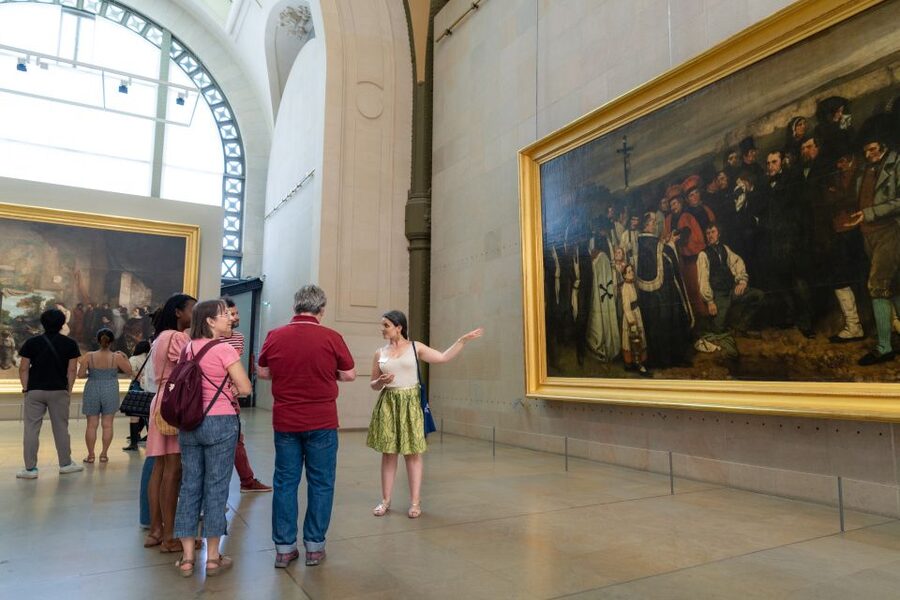
- Live English guide who explains not just what you’re seeing, but why people reacted strongly
- Headsets when appropriate, so you can hear even in noisy rooms
- Impressionist era context, including the scandals and pushback against traditional style
- Major highlights plus quieter sections, so it’s not only the “big names”
- You can stay after the tour, which is perfect if you want extra time with a section that grabs you
Why the Musée d’Orsay Feels Like More Than Just Another Museum

The Musée d’Orsay is one of those Paris museums where the setting does half the job. The building itself is a star: a grand Beaux-Arts railway station built for the World’s Fair. You feel that industrial volume when you walk in. It’s part of why Orsay doesn’t feel like the typical museum box.
Then comes the art—mostly the era that changed painting’s rules. This tour is built around that story. Your guide connects works by Monet, Manet, Renoir, Degas, and Van Gogh to what was happening culturally and socially. You don’t just “admire a painting.” You learn what felt shocking when these ideas landed on public sight.
A practical bonus: Orsay can be big and crowded. A guided overview helps you avoid getting lost in the sea of canvases. You’ll get a route that targets major highlights while still leaving room for surprises you might miss on your own.
You can also read our reviews of more guided tours in Paris



Skip-the-Line Start: Meeting Point, Getting Orsay-Ready, and Avoiding the Crush
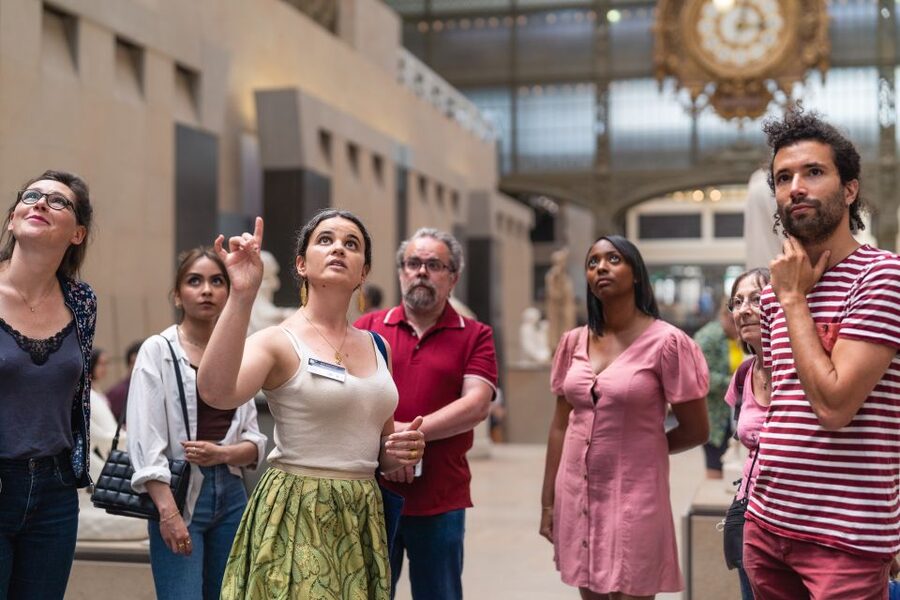
You’ll meet your guide opposite the main entrance to the Musée d’Orsay, right next to the entrance to the Musée de l’Orangerie? (No.) It’s next to the entrance of the Musée de la Légion d’Honneur. Your guide will be wearing a guide badge on an orange lanyard.
Why this matters: Orsay’s entrance area can be chaotic. If you show up a few minutes early and find that orange badge, you’ll start smooth instead of doing frantic detective work.
From there, the key benefit is simple: please do not get in the lines for the museum. This tour is designed to move you through with dedicated entrance and the entrance fees handled. That turns a potentially half-baked start into a confident one.
Neatest arrival plan: use RER Musée d’Orsay (Line C) or metro Solferino (Line 12). Either can work, but both place you close enough that you’re not dragging your day across Paris just to reach one building.
One more logistics thing: no luggage or large bags. If you’re traveling with a bigger bag, you’ll want to plan storage before you head over.
The First Rooms: How the Building and Time Period Set Up Your Visit
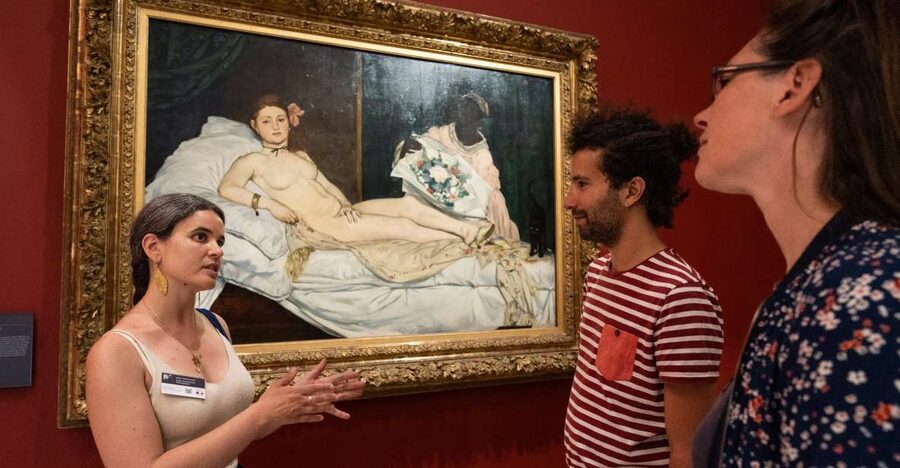
Your guided portion isn’t only about paintings. It starts by framing the museum’s place in the story of modern art. That matters because Orsay isn’t trying to feel “old.” It’s showing a turning point.
You’ll be walking through a layout that feels like a station—long spaces, changing levels, and rooms where you can’t always see everything at once. A guide helps you read the museum’s logic: where to look first, what to prioritize, and how to avoid spending 20 minutes hunting for one section that everyone talks about.
And because this is a 1 hour 45 minutes guided tour (with a range of 90–150 minutes depending on the start time), pacing is part of the experience. You’ll cover a lot without feeling like you sprint the whole way. The better guides also stop often enough for questions, so the tour doesn’t become a fast lecture.
Impressionist Shock and Scandal: What Your Guide Will Make Click
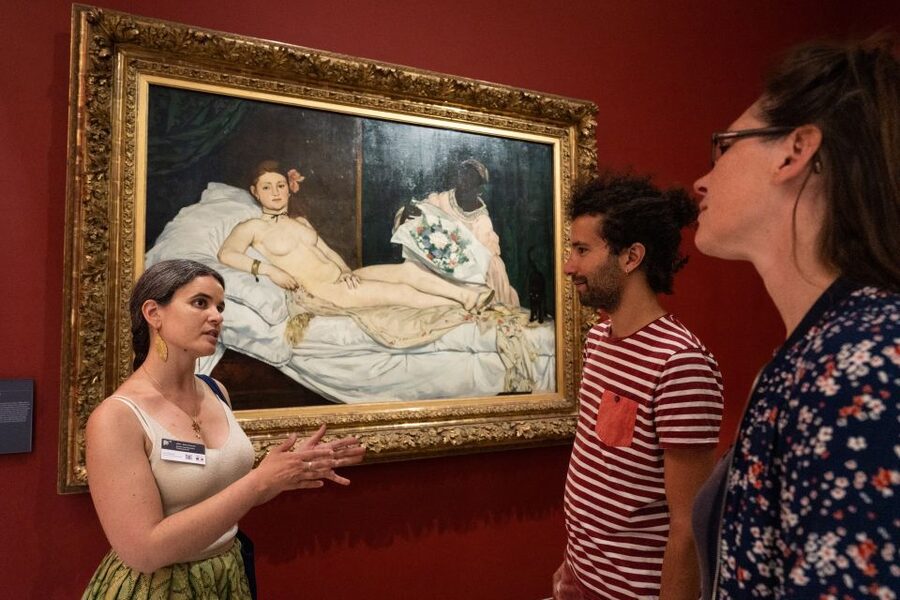
Here’s the heart of this tour: the moment Impressionism landed and people didn’t just dislike it—they reacted. Peaceful scenes and everyday subjects could trigger outrage. Visible brushstrokes, vivid colors, and modern life were treated like it was breaking the rules on purpose.
Your guide will walk you through what was considered radical then, and why. Expect explanations of how artists like Monet, Manet, Renoir, Degas, and Van Gogh challenged tradition and helped push art in a new direction. This is also where many guides bring in humor and social context in a polite way, connecting what you see to the attitudes of the time.
I especially like this approach because it changes how you look. Instead of thinking, I’m supposed to admire this, you start thinking, Why did this bother people, and what was the artist trying to prove?
If you want a clear explanation of the art’s language—how style choices signal ideas—this tour is built for you. It’s one of the main reasons people feel they learn a lot in a short window.
Major Highlights Plus the Stuff You Might Skip
The tour includes major highlights and also lesser-known gems—meaning works you can easily miss if you’re only chasing famous names. You’ll move through multiple parts of the collection, not just one room cluster.
One thing I’d watch for: some people love Orsay best when they linger. The guided portion gives you that starter kit, but it won’t let you read every placard deeply. That’s why this experience includes time after the tour. You’ll get the overview first, then you can slow down where your curiosity pulls you.
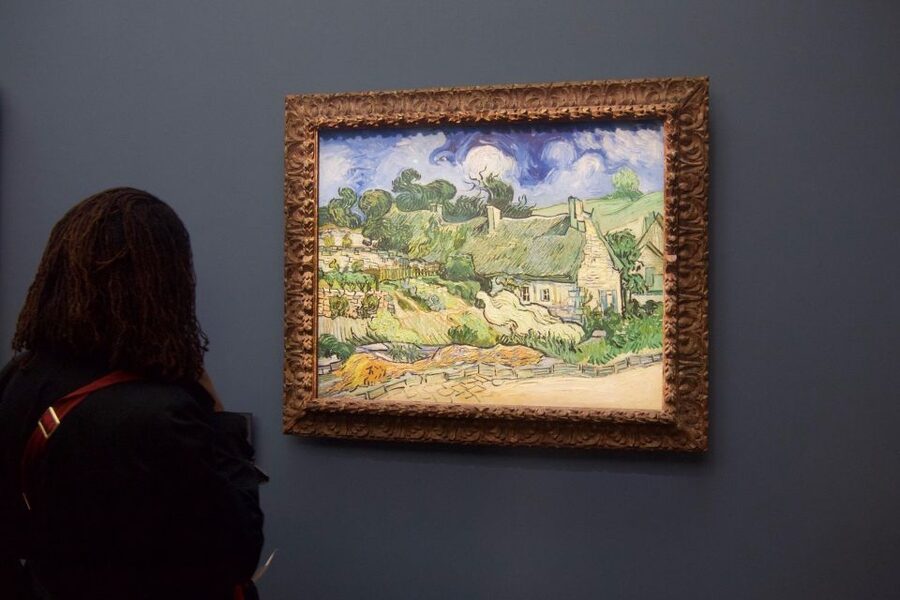
Also note the tour can include a focus on sections tied to specific artists. The Van Gogh area comes up clearly in the descriptions, so if you care about him, you’ll likely get guided time there rather than stumbling in after everything else is done.
A few more Paris tours and experiences worth a look





Earphones, Crowd Control, and the Pace Issue to Know
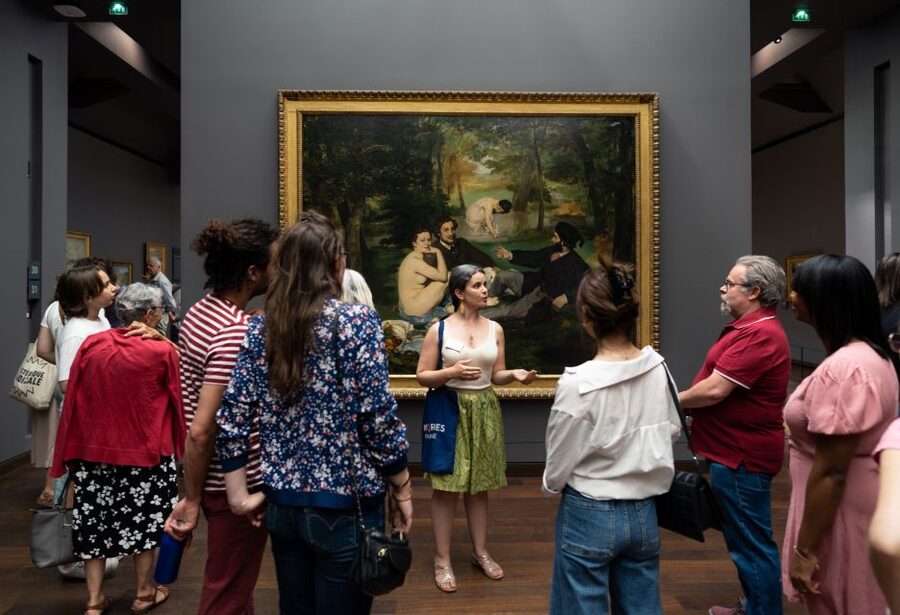
Orsay is famous for being packed. This tour tackles that with two tools: a dedicated entrance and headsets when appropriate. Those headsets are a big quality-of-life feature, especially if you’re not close to the guide or you have any hearing limitations.
You’ll also get a guide who manages movement through crowds. Several guides mentioned by name in this offering have been praised for maneuvering groups so you don’t feel like you missed important works because of standing-room crush. That’s not a small deal at Orsay.
Now the balanced part: with a 90–150 minute format, you can experience a pace that feels fast in certain moments. One common complaint is that the visit can feel rushed, especially if the guide speaks quickly. Another note is that walking between rooms can feel brisk unless you ask for a slower stop.
What you can do: if you’re the type who wants time to look, just slow your pace and ask your guide to pause longer at one work. In many cases, guides can adjust—within reason—to match your group.
When $82 Is Actually Good Value (and When It Might Not Be)
At $82 per person, you’re paying for more than a ticket. You’re paying for:
- the skip-the-line advantage with dedicated entrance
- the guided interpretation (the why, not just the what)
- headsets when needed
- entrance fees included
- and the ability to stay as long as you like after the tour
If you only have a short time in Paris, this is a strong value. Orsay’s size can eat hours if you go in cold. An expert guide helps you make a meaningful visit instead of a random walk.
If you already know the art history and you’re happy spending hours reading placards, you might decide this is less necessary. In that case, the main value is probably the time saved from the ticket line and the route efficiency.
My practical rule of thumb: if you want context in a limited time slot, pay for the guide. If you want total freedom and long, quiet looking, you can skip the tour.
After the Tour: How to Use Your Free Time in the Right Way
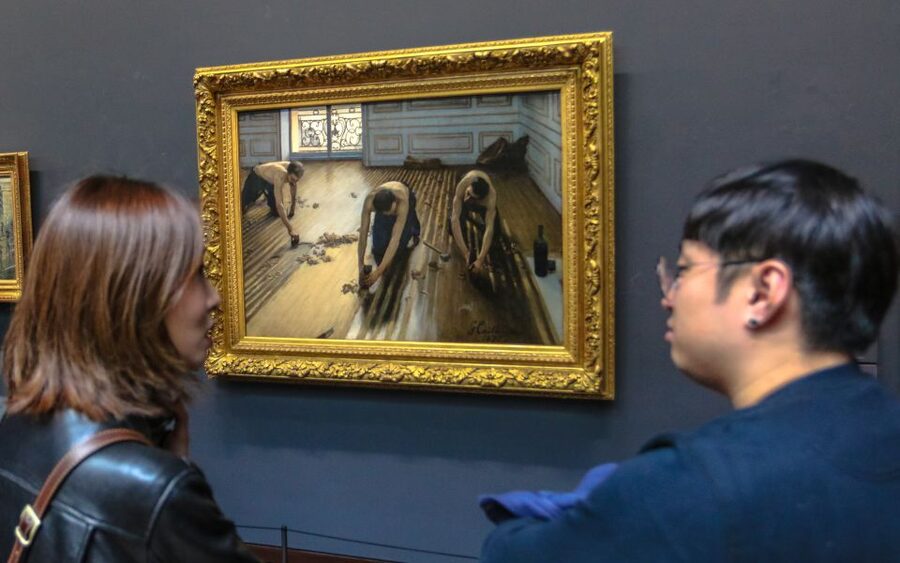
One of the best parts here is that the guidance is time-limited, but your access isn’t. After the tour, you can stay in the galleries as long as you wish, including the option to visit a temporary exhibition.
How I’d use this second phase:
- Pick one artist you now understand better (Monet, Manet, Renoir, Degas, or Van Gogh) and go back for a longer look.
- Find a room that felt crowded during the tour and return at a calmer moment.
- If a temporary exhibition is running, use it as a contrast point. You’ll have fresh context and less guesswork.
Also: since you’ll already have a mental map from the guide, you won’t waste your “free looking” time reorienting.
Who Should Book This Orsay Tour?
This tour is a great fit if you:
- want the Impressionist story explained clearly in English
- like art that has drama behind it—reaction, controversy, and artistic risk
- prefer not to plan a museum route under pressure
- want to cover the main highlights and still hear about works you might otherwise miss
It’s less ideal if you:
- need wheelchair access (this tour is not suitable for wheelchair users)
- travel with large luggage (not allowed)
- hate any sense of structure or pace
- want a slow, reading-heavy visit with no guidance at all
Guide styles vary. You may meet leaders such as Antony, Avi, Perrine, Sarah, Simone, Sophia, Fanny, Matilde, Pauline, Arthur, Steve, Sara, Stephanie, Marjolein, or Carolina—names that show up in recent groups—so you’re likely to find someone who can match your group’s energy.
Should You Book the Musée d’Orsay Skip-the-Line Tour?
Yes, if you want a smart, time-efficient way to experience Orsay without getting bogged down at the entrance. The price makes sense when you factor in the guided interpretation, the skip-the-line setup, and the fact that you can stay afterward to slow down.
I’d skip it only if you already plan to spend most of the day on Orsay with no need for art context, or if your mobility needs make this format a bad match.
If you’re trying to build a great Paris day with limited time, this is one of the easiest wins on the itinerary: get the route and story first, then choose how long you want to linger once you’re inside.
FAQ
Where do I meet the guide for this Musée d’Orsay tour?
Meet your guide opposite the main entrance to the Musée d’Orsay, next to the entrance of the Musée de la Légion d’Honneur. The guide will wear their guide badge on an orange lanyard.
Is this tour really skip-the-line?
Yes. The tour includes a dedicated entrance and tells you not to queue in the museum line.
How long is the guided portion?
The tour duration is listed as 90 to 150 minutes.
Is the tour in English?
Yes. The tour is offered in English.
Will I be able to stay in the museum after the tour ends?
Yes. The ticket for the experience includes time to stay as long as you like in the museum after the guided portion.
Are entrance fees included?
Yes. Entrance fees are included, along with the 1 hour 45 minutes guided tour and the local guide service.
What do I need to know about luggage?
Luggage or large bags are not allowed.
What are the nearest transit stops?
Nearest stations are RER Station Musée d’Orsay (Line C) or metro Solferino (line 12).
Is this tour suitable for wheelchair users?
No, it is not suitable for wheelchair users.