REVIEW · PARIS
Paris: Musée d’Orsay Skip-the-Line Tour with Expert Guide
Book on Viator →Operated by Memories France · Bookable on Viator
Orsay gets crowded fast. This skip-the-line tour pairs expert art storytelling with reserved entrance so you can enjoy Impressionism without the worst of the lines. I like the relaxed pace for a museum this big, but there is one catch: the guided part moves briskly, so give yourself extra time after for a proper wander.
What makes this work well is what happens after the tour. You get time to return to the galleries on your own with a clearer game plan, in a small group (max 20), using headsets for easier listening when the museum gets busy.
In This Review
- Key things I’d focus on before you go
- Skip-the-Line Orsay in 1h45: Why this format works
- Meeting at 2 Rue de la Légion d’Honneur and starting fast
- The Beaux-Arts former train station: see the building before the paintings
- Stop 1: A guided Impressionist story from inside the museum
- Stop 2: Key masterpieces, why they mattered, then your free time
- What art-history fans usually love most here
- Pace and crowd reality: how to get the most out of it
- Who this tour suits best
- Price and value: is $67.60 worth it?
- Should you book this Musée d’Orsay skip-the-line tour?
- FAQ
- How long is the Musée d’Orsay skip-the-line tour?
- What is the tour language?
- Is admission included in the price?
- Where do I meet the guide?
- What time does the tour end?
- How big is the group?
- Can I cancel for a full refund?
Key things I’d focus on before you go
- Skip-the-line, pre-reserved entry so you start faster and spend more time looking
- Headsets in a small group (up to 20), which matters in a museum full of chatter and crowd flow
- A story-first approach to Impressionism and Post-Impressionism, not just a checklist of famous paintings
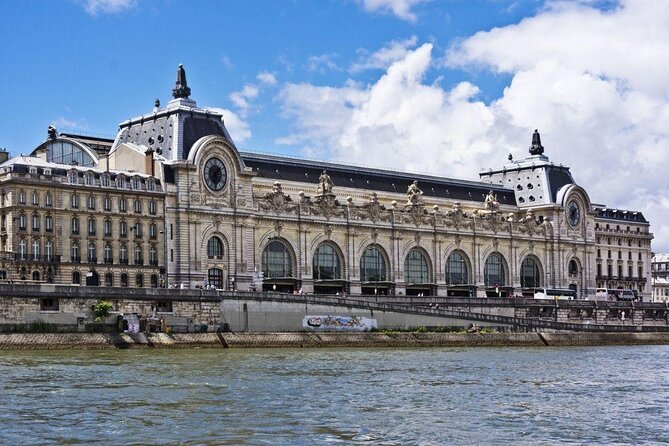
- The Beaux-Arts station setting (the building itself is part of the experience)
- Free time after the guided highlights so you can linger with your favorites
- Iconic works plus context around Monet, Manet, Degas, Renoir, Van Gogh, and why they shocked people
Skip-the-Line Orsay in 1h45: Why this format works
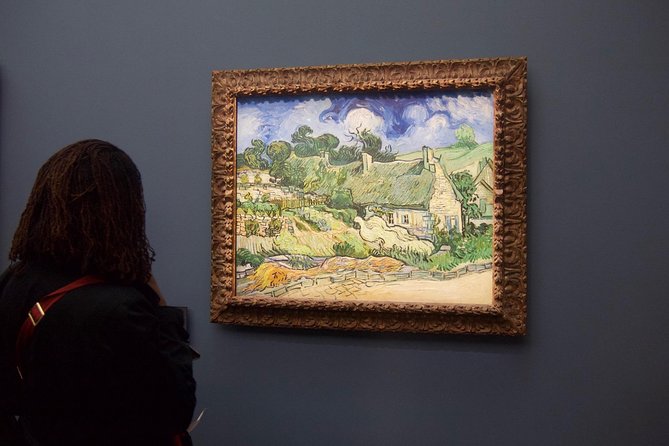
The Musée d’Orsay is one of Paris’s top art stops, and it shows. It’s packed, the rooms are layered across multiple levels, and the collection is too huge to see well if you’re winging it. This tour solves that with a guided pass designed to build understanding quickly, then you get to slow down.
The best part for me is the balance: you get an expert-led overview (including the scandal and revolution behind the movement), and then you’re released into the museum on your own. That means you’re not stuck listening the entire time, and you’re not left staring at paintings without knowing what you’re looking for.
Also, the guide portion is designed to help you connect artworks to each other. You’re not just collecting names. You’re learning why these artists broke rules—bold colors, visible brushstrokes, modern subjects—and how critics reacted when it was new.
You can also read our reviews of more guided tours in Paris



Meeting at 2 Rue de la Légion d’Honneur and starting fast
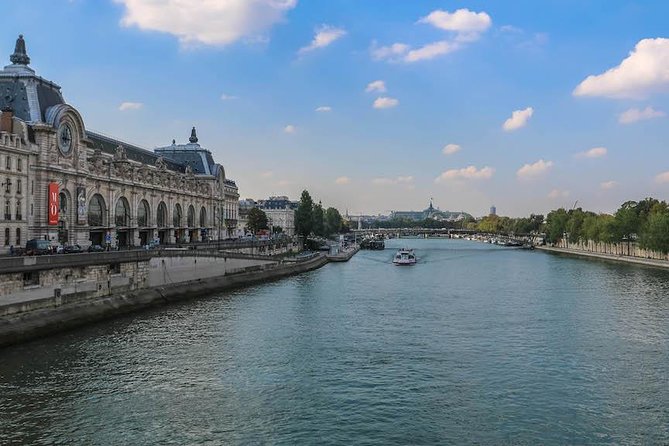
You meet just outside the Musée d’Orsay area at 2 Rue de la Légion d’Honneur, 75007 Paris. It’s a good location because it’s close to public transportation, and it helps avoid the stress of hunting for your group right at the door.
One practical note: taxis can be slow to find in Paris, so plan extra time if you’re using one. Your tour ends inside the museum at the Musée d’Orsay Esplanade Valéry Giscard d’Estaing area, so you don’t have to figure out where to go after the guide portion.
This matters because with a museum like Orsay, your first 15 minutes shape the whole day. If you start late, you lose the easiest viewing times.
The Beaux-Arts former train station: see the building before the paintings
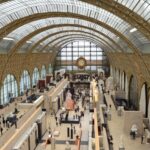
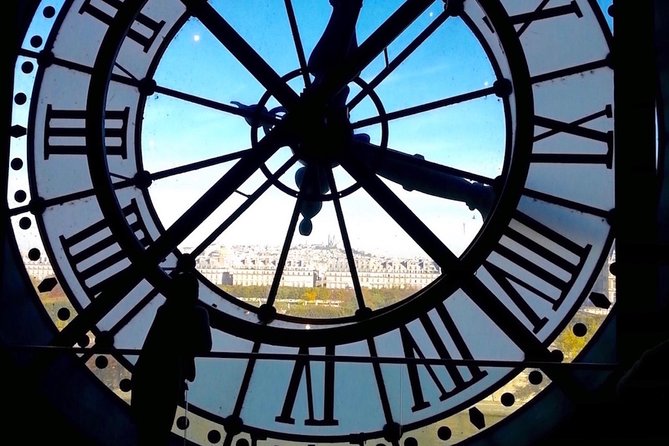
Orsay is famous for Impressionism, but the building is also a major character. The museum sits in a former railway station with big, dramatic architecture, and you can feel the scale when you enter. One review highlight that’s worth taking seriously: even the building layout is part of what makes the tour worthwhile.
As you move through, keep an eye on how the space frames the collection. The light, the ceilings, and the way galleries flow into each other affect how you experience brushwork and color. When you know what to look for in Impressionism—like how artists wanted visible paint texture and modern life—you start seeing the connection between art style and the era’s interest in modernity.
And yes, you’ll likely end up noticing photo landmarks too. One named favorite: the large clock is an iconic feature that people love stopping for.
Stop 1: A guided Impressionist story from inside the museum
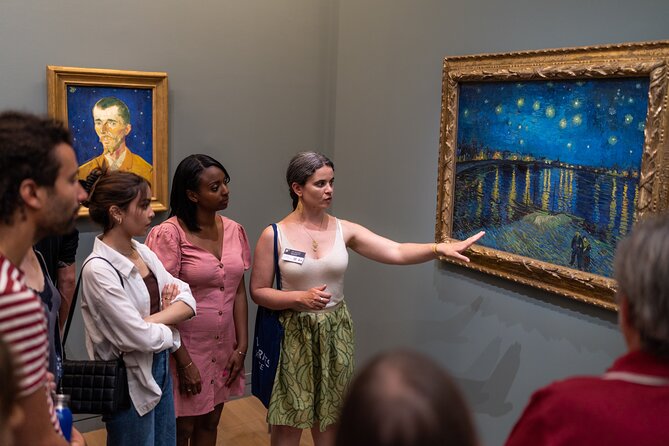
The tour begins at the museum and includes an about 1-hour guided segment (with admission included). This is where the tour earns its keep for people who love art history, because you’re not just getting facts. You’re getting the logic of the movement.
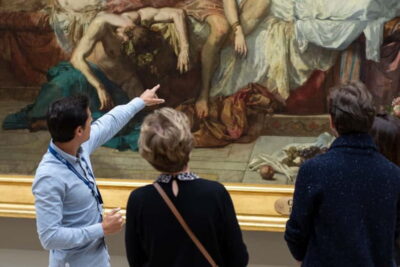
Your expert guide (fully accredited art specialist) focuses on how the Impressionists changed the course of art history. You’ll hear why their style looked shocking at the time. It wasn’t subtle in the way many critics expected. It had modern subject matter. The colors were bold. The brushstrokes showed. The artists refused to compromise with older tastes.
This is also where you’ll hear names you’ll recognize immediately: Monet, Manet, Renoir, Degas, and more, including Van Gogh. The guide’s goal is to help you understand these artists as connected voices, not isolated legends.
One thing I like about this approach is that it turns a museum visit into a set of visual cause-and-effect lessons. You start to notice how one artist’s choices respond to what came before, and how the movement grew from controversy into influence.
Stop 2: Key masterpieces, why they mattered, then your free time

After the first guided block, you get a second guided portion of about 45 minutes, still covered by admission. This is where the tour tends to focus on recognizable works and explains what makes them revolutionary in plain language.
You’re likely to stand before major pieces such as Monet’s Water Lilies and Manet’s Olympia. The point isn’t only to say what the painting is. It’s to explain what made people react so strongly when it was new, and how the artists built a new visual language.
This segment also helps with a very real Orsay problem: the museum has a lot to see, and if you don’t have context, you risk wandering randomly. With the tour’s story in your head, you can later make smarter choices about where to return.
Then comes the best window: free time to explore on your own. The guide may give you a route to follow, but you decide how long to linger with your personal favorites. One useful tip echoed in feedback: since the guided portion can feel quick, plan extra time after so you can go back to the paintings that hit hardest.
A few more Paris tours and experiences worth a look





What art-history fans usually love most here
If you’re the type who loves understanding what you’re seeing, this tour is set up well. The guide doesn’t treat Impressionism like a pop quiz. It’s treated like a turning point—socially and artistically.
Here’s what the strongest moments tend to do for you:
- They explain the shift from older painting expectations to modern ways of seeing.
- They connect technique (brushwork, color, subject choice) to the reaction from critics.
- They help you see how rivalries and ambition shaped the movement, not just the final masterpieces.
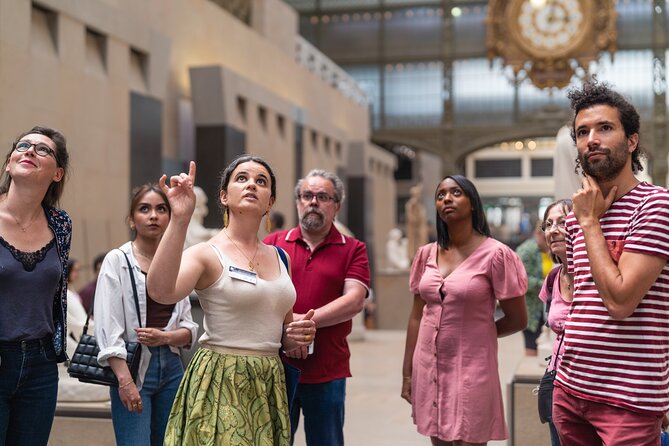
You’ll also get listening support through headsets, which is a lifesaver in a busy museum. It keeps the tour from turning into guesswork when you’re standing farther from the guide.
Pace and crowd reality: how to get the most out of it

Orsay can be a crowd magnet. That’s why skip-the-line entry is such a big deal here. It doesn’t magically fix crowds inside, but it gets you moving sooner, which usually means you’ll see more before bottlenecks form.
The tour includes a relaxed, intimate format, small-group size, and a guide who keeps things organized. Still, the structure is highlight-focused—built for understanding in a short window. One practical takeaway from how people describe it: if you want slow looking, you’ll need the after-tour time to do it.
My advice: arrive with a short plan. Pick 5 to 8 artists you care about most, then let the guided story add context. Afterward, return to the works that match your interests, not just the ones you recognize from school.
Who this tour suits best
This is a strong fit if you:
- Love art history and want the story behind the style
- Prefer a guide to point you toward the right works quickly
- Want a shorter, focused visit with time to roam afterward
- Enjoy structured tours but still want freedom at the end
It can also work for families, with a key caution. One review notes that discussions may include adult themes like nude figures, plus references to hard subjects such as sexual exploitation of minors and prostitution. The provider response says they don’t censor and they may tailor discussions for smaller ears when needed, but the content is part of how the art and society of the period are discussed.
If you’re concerned about content, you’ll want to decide based on your group’s comfort level. You may still enjoy the architecture and the Impressionist highlights, but go in knowing the guide’s job is to explain context, not soften history.
Price and value: is $67.60 worth it?
At $67.60 per person for about 1 hour 45 minutes, the value depends on what you’re trying to get out of Orsay.
For this price, you’re not only buying a guided walk. You’re getting:
- Admission included (so you’re not paying museum ticket plus tour cost separately)
- Skip-the-line entry with a special entrance
- A guide who provides context for major Impressionist and Post-Impressionist works
- Headsets and a small group limit (max 20)
If you’re the type who can spend hours wandering, a self-guided visit can be great. But if you want to understand the movement quickly and avoid wasting time in the wrong rooms, this tour reduces the guessing. You’re paying for direction and story, and that can save you from leaving Orsay feeling like you saw impressive paintings without really grasping what changed and why.
Also, it’s commonly booked about 36 days in advance, which is a hint that the timed format can help you secure a slot at convenient hours.
Should you book this Musée d’Orsay skip-the-line tour?
I’d book it if you want Orsay to feel like a guided art history lesson with room to breathe afterward. The combination of skip-the-line access, admission included, headsets, and a story-based focus is a smart way to handle a museum this large.
Skip it if you already have a strong plan for what you want to see and you prefer fully independent pacing with no guided context. In that case, you can still enjoy Orsay deeply on your own, but you’ll need to do some prep so the time doesn’t blur together.
If you decide to go, my final practical nudge is simple: after the tour ends, don’t rush out. Return to the works that made the movement click for you during the explanation.
FAQ
How long is the Musée d’Orsay skip-the-line tour?
It runs about 1 hour 45 minutes.
What is the tour language?
The tour is offered in English.
Is admission included in the price?
Yes. The tour includes an admission ticket (included for the guided portions).
Where do I meet the guide?
The meeting point is 2 Rue de la Légion d’Honneur, 75007 Paris, France.
What time does the tour end?
The tour ends inside the museum at the Musée d’Orsay Esplanade Valéry Giscard d’Estaing area.
How big is the group?
The experience has a maximum of 20 travelers.
Can I cancel for a full refund?
Yes. You can cancel up to 24 hours prior to departure for a full refund. Refunds are not possible for missed tours.