REVIEW · ATHENS
Athens: Acropolis Museum and Acropolis Tour in the Afternoon
Book on GetYourGuide →Operated by ATHENS WALKING TOURS · Bookable on GetYourGuide
The Acropolis hits different with the right setup. This afternoon tour pairs cool comfort at the Acropolis Museum with a guided walk up to the Parthenon, with smart timing to help you dodge the worst crowd crush.
The two things I like most are the museum-first route (so the stones make sense) and the small-group-style comfort boosts like headsets and skip-the-ticket-line service. The one drawback to plan around: access to the Acropolis is time-specific, and you cannot be late.
You also move at a walking pace. That can be tough if you’re not used to stairs or uneven ground, and it’s not designed for wheelchair users.
In This Review
- Key highlights worth planning for
- Why the Acropolis Museum comes first (and why that matters)
- Meeting at Dionysiou Areopagitou: getting started without stress
- Acropolis Museum tour (75 minutes): what you’re really seeing
- The short café reset before the climb (10 minutes)
- The Acropolis Hill walk: major monuments in a tight, guided loop
- Theatre of Dionysus (15 minutes)
- Odeon of Herodes Atticus (5 minutes)
- Propylaea (5 minutes)
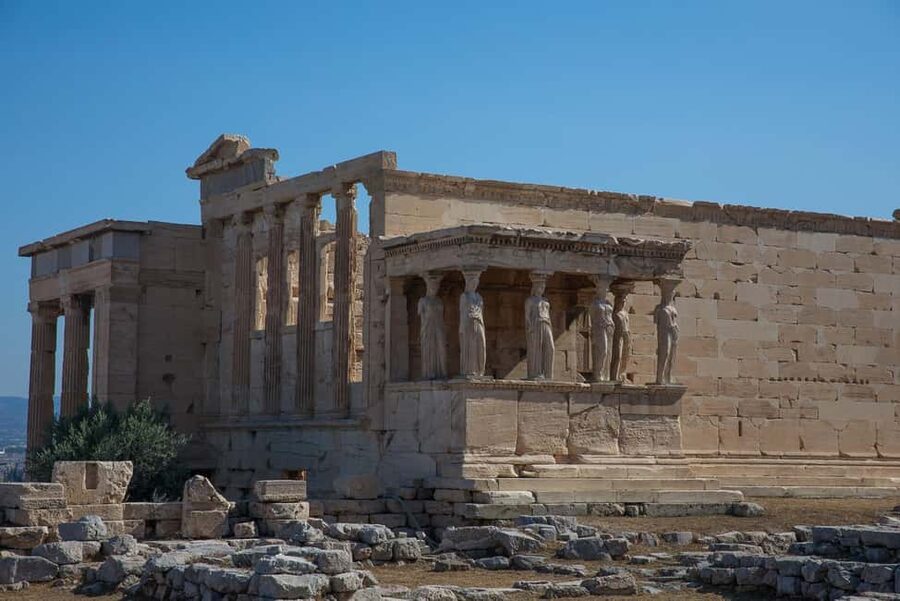
- Erechtheion (10 minutes)
- Parthenon (20 minutes)
- Temple of Athena Nike (5 minutes)
- Timing, heat, and crowds: how to make this afternoon feel easier
- Price and logistics: what $115 is really buying you
- What to bring, and who should choose this afternoon plan
- Should you book this afternoon Acropolis Museum and Acropolis tour?
- FAQ
- How long is the tour?
- Where do I meet the guide?
- Is the Acropolis ticket included in the price?
- What should I do if I didn’t select the ticket option?
- What’s included besides the guide?
- What’s not included?
- What should I bring?
- Is the tour suitable for wheelchair users or limited mobility?
Key highlights worth planning for
- Museum first, hill second: you see the Parthenon story before you ever reach the ruins.
- Headsets for every stop: the guide stays audible even as the group moves.
- Skip-the-ticket-line service: you lose less time to ticket lines and security flow.
- Start later to beat heat and morning crowds: the tour is timed to feel calmer than early tours.
- Stops that connect the dots: Dionysus Theater, Odeon of Herodes Atticus, Propylaea, Erechtheion, Parthenon, Athena Nike.
- Guided myth and explanations, not just monuments: you get the who/why behind what you see.
Why the Acropolis Museum comes first (and why that matters)

If you have only a day or two in Athens, the Acropolis can feel like a long list of big-name buildings. The trick is order. Start at the Acropolis Museum, and everything on the hill starts to read like a story instead of a selfie backdrop.
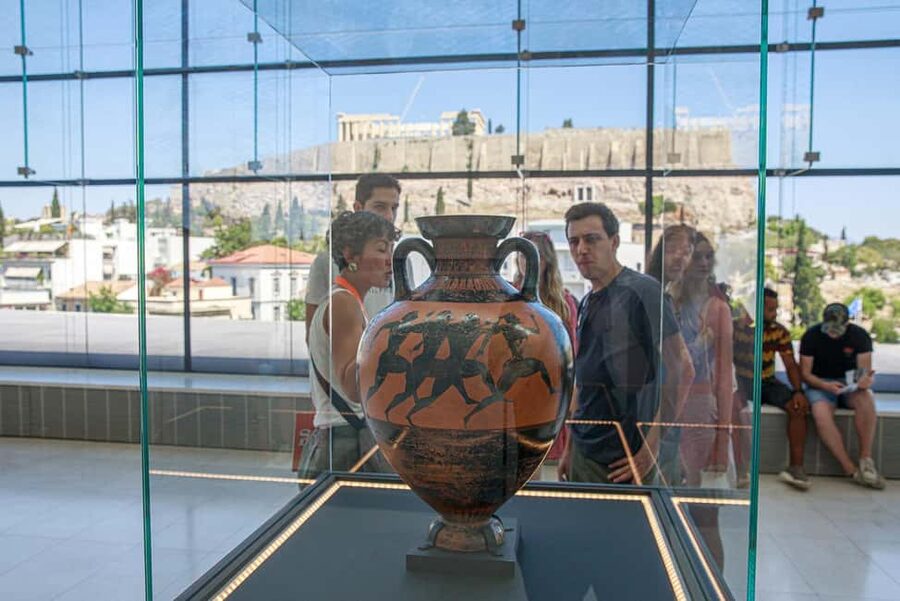
The museum itself is modern and placed to give you a visual link to the archaeological site. That matters because the Parthenon and the other structures look different when you can match artifacts and architectural fragments to the real thing. In your guided time inside, you’ll move through galleries tied to major periods of ancient Greek life: Archaic, Classical, Hellenistic, and Roman. You’ll also get mythology threaded into what you’re seeing, which helps when you later stop at places tied to specific gods and civic life.
This is also where the tour’s best “aha moment” usually happens: the Parthenon Marbles, along with statues, pottery, and architectural remnants, give you a sense of what the site looked like as an active cultural center—not just what survived.
Guides can make or break this kind of tour. Based on past experiences from this operator’s guides, I especially like the way guides such as Apollo and Ellenica have been described: clear explanations that hit the right amount, with enough pauses to take it in. If you’re traveling solo, you might even appreciate the extra small help—one guide was noted for taking a picture for a solo traveler, which is a nice touch when you’re trying to document the day.
You can also read our reviews of more museum experiences in Athens


Meeting at Dionysiou Areopagitou: getting started without stress

Your tour meets at Dionysiou Areopagitou Street (number 3). Look for an orange sign for Athens Walking Tours at the start of the pedestrian walkway that leads toward the Acropolis from Hadrian’s Arch and Syngrou area.
Why I think meeting location matters: the day runs on strict timing. The Acropolis entry window is not flexible, and you don’t get the luxury of drifting in late. Plan to arrive early so you can check in, get your headsets, and stay calm before security.
Once you’re with the group, the pace is designed to keep you comfortable. The museum is the first stop, and the overall strategy is to start in safer conditions—cooler and less chaotic than going first thing in the morning.
Also note the behind-the-scenes reality: the day includes security checks with an airport-style feel. During peak season, waits of 30+ minutes can happen. The skip-the-ticket-line service helps with ticket flow, but security is still security—so build in patience.
Acropolis Museum tour (75 minutes): what you’re really seeing
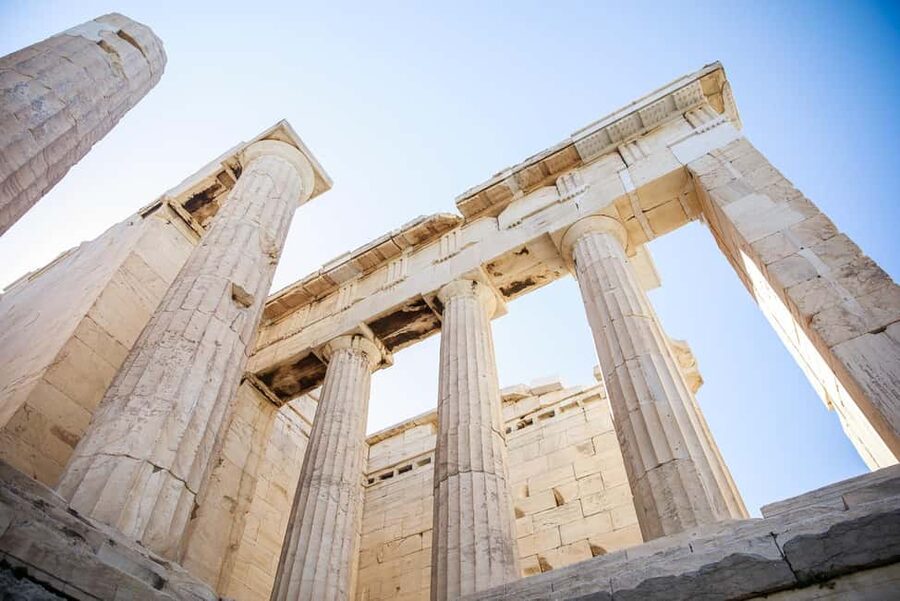
You’ll start with a guided museum visit and walk for about 75 minutes, then move toward a short break before heading to the hill. This part is the value engine of the whole experience.
In the museum, expect a guided route through key collections and galleries covering those major eras. The guide connects artifacts to the buildings you’ll see later, which makes a huge difference once you’re outdoors. If you’ve ever looked at the Parthenon from below and thought, I understand the shape but not the details, this is the fix.
Here’s what makes this museum stop practical:
- You get the Parthenon Marbles context before you stand in the wind and glare outside.
- You see statues, pottery, and architectural fragments, which makes the monuments feel less like vague ruins.
- You hear myth and meaning tied to specific locations on the hill, so you know what you’re looking at rather than guessing.
From past guide experiences tied to this tour, the guiding style often gets praised for matching the moment—like not too much info at once, and plenty of chances to digest what you’re seeing. On a hot afternoon, that rhythm can matter as much as the content. One guide was specifically noted for being aware of the heat and working in breaks and shady spots.
The short café reset before the climb (10 minutes)
Between the museum and the Acropolis, you get a brief 10-minute break at a local café. Food and drink are not included, so treat this as a chance to refuel lightly, use facilities, and reset your brain.
I like this design because it keeps you from turning the hill climb into a rushed, dehydrated scramble. You’ll be walking and standing outdoors, and the Acropolis surfaces don’t forgive sloppy footwear or low hydration.
If you want to be extra smart: use this break to drink water and adjust your hat and sunscreen. You’re about to spend time in direct sun, and the tour doesn’t include snacks.
The Acropolis Hill walk: major monuments in a tight, guided loop
After the museum, you’ll go to the Acropolis. The tour description says the Acropolis is accessed about 90 minutes after the tour starts, and that timing is a big reason you’re less likely to suffer the worst morning crowds.
When you enter, you’ll come in through the south slope, then follow your guide through classic sites on the hill. Even though the outdoor walk portion is shorter than you might expect, the stops are packed with meaning.
Here’s your route and why each stop counts:




Theatre of Dionysus (15 minutes)
You’ll start with the Theatre of Dionysus. This isn’t just a look-at-the-rows stop. The tour includes background on the origins of theater, which makes this location feel like the start of an actual cultural machine rather than an ancient empty stage.
Odeon of Herodes Atticus (5 minutes)
Next is the Odeon of Herodes Atticus—short stop, but useful. You’ll see the scale and setting that helped shape performance culture. If you like your history connected to daily life, this stop is a quick win.
Propylaea (5 minutes)
Then you pass by the Propylaea, the monumental entrance area. Even in a brief walk-through, this helps you orient yourself on the hill. Think of it as the architecture checkpoint where you start recognizing the layout.
Erechtheion (10 minutes)
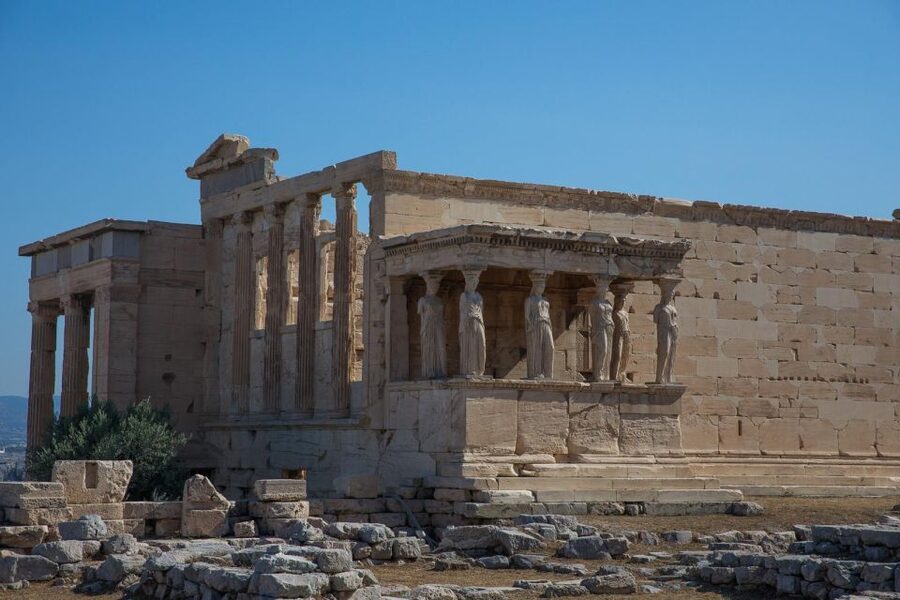
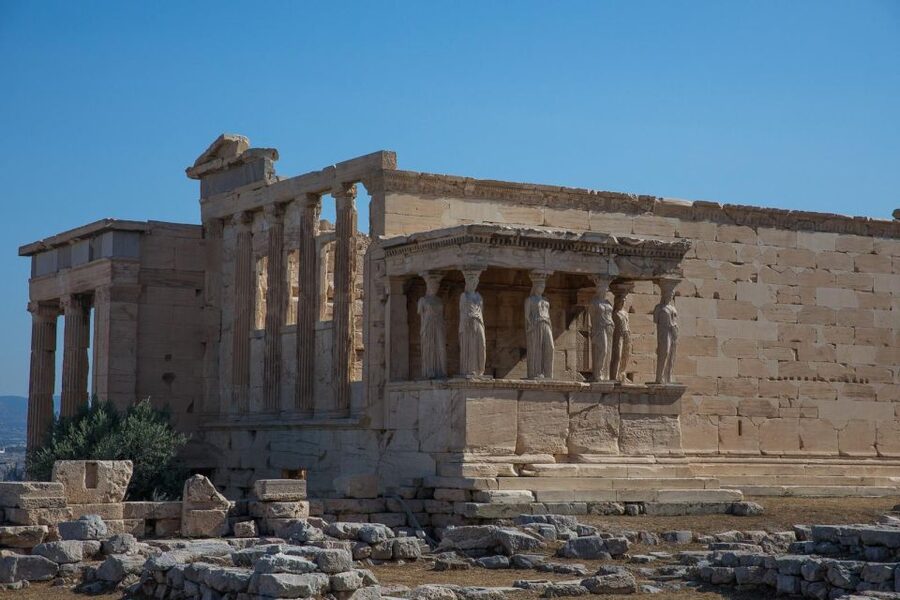
At the Erechtheion, you’ll get another layer of meaning tied to the mythic and religious associations of the hill. This is also a helpful stop for seeing how different parts of the complex connect visually.
One practical note: the group moves. In tighter crowds, you might feel it. A guide named Jim was mentioned as being hard to keep up with during crowded moments, so if you prefer a slower personal pace, keep your expectations aligned.
Parthenon (20 minutes)
Then comes the big one: the Parthenon. You’ll spend about 20 minutes here, including time to look closely and really absorb the structure’s shape. This is where your museum context pays off—details you saw indoors start to click in the real light.
Temple of Athena Nike (5 minutes)
You finish with the Temple of Athena Nike. Short stop, but it’s a strong closer because it rounds out what the hill was about: civic power, religious meaning, and a city presenting itself through architecture.
Throughout the outdoor portion, your guide ties places to themes like divine power struggles—there’s mention of a story about two gods and Athens’ protection. You’ll also hear about ancient healthcare at the sanctuary level, including the idea of hospitals and the remedies they used. That kind of detail is what turns the hill from stones into lived history.
Timing, heat, and crowds: how to make this afternoon feel easier
This tour’s big advantage is the idea of starting later. The tour description specifically calls out avoiding peak temperatures and crowds. Practically, that means you’re less likely to feel like you’re fighting both weather and lines at the same time.
There’s also a clever rhythm to it:
- You begin in the museum, where it’s cooler and you get context.
- Then you move outdoors with the guide still in the flow, so you’re not wandering and trying to self-narrate.
- You reach the Acropolis in a window that’s set by the tour schedule, not by your wandering instincts.
If you’ve been to Athens before, you already know the sun can turn the day into a test. This tour tries to keep you comfortable with the right order and the option for shade breaks. Just don’t overestimate comfort without preparation: bring a hat, use sunscreen, and carry water (it’s on the recommended list).
And remember the “strict entry times” rule. The tour notes say you won’t be able to wait for latecomers due to entry limits. That means your best strategy is simple: arrive early at the start, keep your schedule tidy, and don’t plan to squeeze in another activity right before this.
Price and logistics: what $115 is really buying you
At $115 per person, this isn’t a bargain bus tour. It’s priced like a guided experience that protects your time—especially around ticket flow and interpretation.
What you get included:
- Tour guide
- Skip-the-ticket-line service
- Headsets so you can hear clearly while walking
- Athens guidebook with recommendations plus an Athens map
- Pre-booked entry tickets if you select the ticket option
What can change your total cost:
- If you don’t select the ticket option, you’ll need to buy admission tickets yourself from the official sites. The tour fee itself is non-refundable, and missing a valid ticket means you can’t join.
My advice on value:
- If you want low-fuss planning, choose the option where tickets are included, because it removes the most time-sensitive friction.
- If you already know the exact ticket date and category you need, buying on your own can work. But the tour data flags that the correct EU/NON-EU citizenship selection matters, and mistakes can cause extra charges or tour loss. Bring your passport for verification.
Also, food and drink aren’t included. That’s normal for this kind of guided loop, but it’s worth budgeting a small extra amount so the café break doesn’t surprise you.
What to bring, and who should choose this afternoon plan

This tour is built around walking, standing, and stairs typical of archaeological sites. Come prepared.
Bring:
- Comfortable shoes
- Hat
- Camera
- Sunscreen
- Water
- Weather-appropriate clothing
Not allowed:
- Baby strollers
- Backpacks
- Food and drinks
Who this suits best:
- First-timers who want the Parthenon story explained without guessing
- People who prefer a structured plan that reduces decision fatigue
- Anyone who wants to start later to avoid the worst heat and crowds
Who might find it frustrating:
- Anyone needing wheelchair access or mobility accommodations. The tour notes say it’s not suitable for wheelchair users and people with mobility impairments.
Should you book this afternoon Acropolis Museum and Acropolis tour?
I think this is a strong pick if you want the Acropolis experience to feel understandable, not just impressive. The museum-first order is the big reason to book: you build context indoors, then you get to see the monuments in real space while your guide ties each stop to what you just learned. Add headsets and skip-the-ticket-line service, and you also get a smoother day.
Don’t book if you strongly prefer total independence or if you hate schedules tied to timed entry. The Acropolis entry window is strict, and security plus crowds can test patience.
If you’re traveling with limited time in Athens, this is one of the cleaner ways to make that time count. I’d book it when you want structure, comfort where possible, and the Parthenon to feel like a real story instead of a quick stop.
FAQ
How long is the tour?
The duration is 4 hours. The Acropolis itself is accessed about 90 minutes after the tour starts.
Where do I meet the guide?
Meet at Dionysiou Areopagitou Street 3. Look for the orange sign displaying Athens Walking Tours at the start of the pedestrian walkway that leads toward the Acropolis.
Is the Acropolis ticket included in the price?
It depends on the option you choose. If you select the ticket option, pre-booked entry tickets are included. If you don’t, you must purchase admission tickets from the official sites.
What should I do if I didn’t select the ticket option?
You’ll need to buy your tickets yourself before booking the tour. Make sure you select the correct date, time, and category, and choose the correct EU/NON-EU citizenship to avoid extra charges or losing your spot.
What’s included besides the guide?
The tour includes skip-the-ticket-line service, headsets to hear the guide, and an Athens guidebook with recommendations plus an Athens map.
What’s not included?
Food and drink are not included.
What should I bring?
Wear comfortable shoes and bring a hat, camera, sunscreen, and water. Also bring weather-appropriate clothing.
Is the tour suitable for wheelchair users or limited mobility?
No. The tour is not suitable for wheelchair users or people with mobility impairments.