REVIEW · ZWICKAU
August Horch Museum Entrance Ticket
Book on GetYourGuide →Operated by August Horch Museum Zwickau gGmbH · Bookable on GetYourGuide
One museum, a century of car-making. The August Horch Museum sits right on the site of the first Audi factory, so the story feels physical, not textbook. You’re walking through 120+ years of invention in Saxony’s automotive home, Zwickau.
I especially love the museum’s focus on the Trabant era, including the museum’s exclusive look at a Duroplast production line for the Trabant body. I also like the sheer scale: more than 160 exhibits spanning from 1911 to today, plus film-style storytelling for topics like racing cars.
A possible drawback: this ticket is for entrance only, not a guided tour. If you want a lot of spoken context, you’ll be reading signs and labels instead of following a guide’s explanations.
In This Review
- Key things to know before you go
- August Horch Museum in Zwickau: the Audi birth site you can walk on
- Ticket Value: what you get for about $17
- What you’ll see: from early Horch and Audi to cars of today
- The Trabant story and the exclusive Duroplast production line
- Racing history with films that help the timeline click
- How long to plan for a self-guided visit
- Accessibility, pets, and practical notes that affect your day
- Who should buy these tickets for the best fit
- Should you book August Horch Museum tickets?
- FAQ
- How much is the August Horch Museum entrance ticket?
- Where is the August Horch Museum located?
- How long is the ticket valid?
- Is a guided tour included with the ticket?
- What exhibits and time periods can I expect to see?
- Is the museum wheelchair accessible?
- Are pets allowed?
- Do I need a printed voucher?
- Is free cancellation or pay-later available?
Key things to know before you go
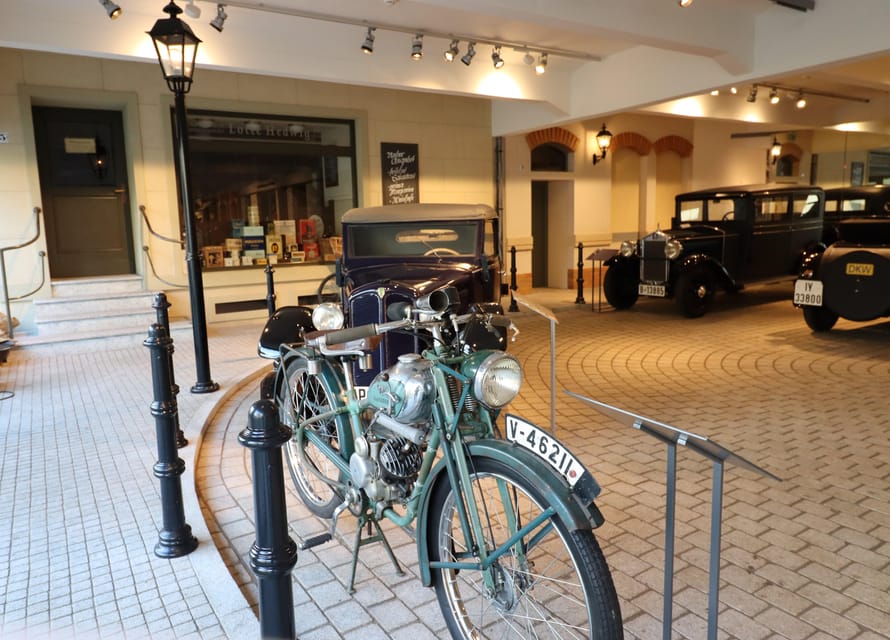
- Audi’s beginnings in the same halls where production started in Zwickau
- Trabant Duroplast production line shown exclusively at this museum
- 160+ exhibits covering 1911 to the present, across a large floor area
- Car culture storytelling that includes film elements for racing history
- Wheelchair access is mostly covered, with one exception (the August Horch Mansion)
- Small group ticketing with a limit of 10 participants
August Horch Museum in Zwickau: the Audi birth site you can walk on

The August Horch Museum is in Saxony, Germany, in the city of Zwickau, and it’s tied to the very ground where early Audi work began. That matters because you’re not just looking at cars behind glass; you’re touring the space itself. The museum’s whole tone is built around how these makers thought and built—step by step, decade by decade.
Expect the story to move beyond Audi too. The halls connect to other brands that shaped East and West German car culture, including DKW and Trabant. In other words, you get a timeline of what Zwickau built, why it mattered, and how the technology evolved.
If you like your history anchored to real places, this is a strong match. The museum frames Zwickau as a true automotive hub, and it closes by bringing you back to the present—Volkswagen is still present in Zwickau—so the ending doesn’t feel cut off.
Ticket Value: what you get for about $17
At $17 per person, the price is easier to swallow once you focus on what’s included: entrance to the August Horch Museum. That’s it—no guided tour, no included meals, and no transfer service. So your value equation is simple: does the museum content justify a self-guided visit?
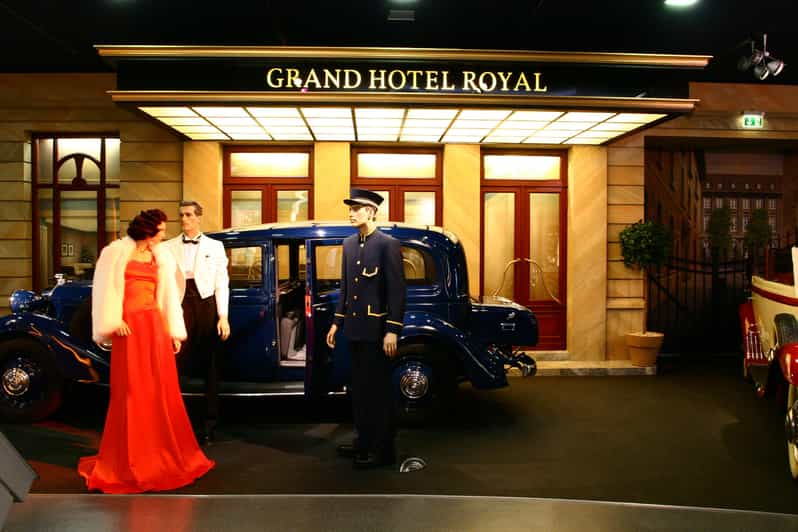
For me, it does—because the museum covers a long arc of more than 120 years of automotive history, and it does it with a big exhibit count: 160+ exhibits (with both large and small displays). The museum also offers a detailed thematic approach: you’re shown cars from early Audi and Horch days (including examples from 1904), then guided toward later luxury cars of the 1920s, and onward to modern vehicles.
You’re paying for time in a focused environment. If you tend to spend real attention on machines, design, and how production changes over time, this price feels fair. If you mainly want a quick walkthrough, you may finish faster than the museum’s scale suggests.
What you’ll see: from early Horch and Audi to cars of today
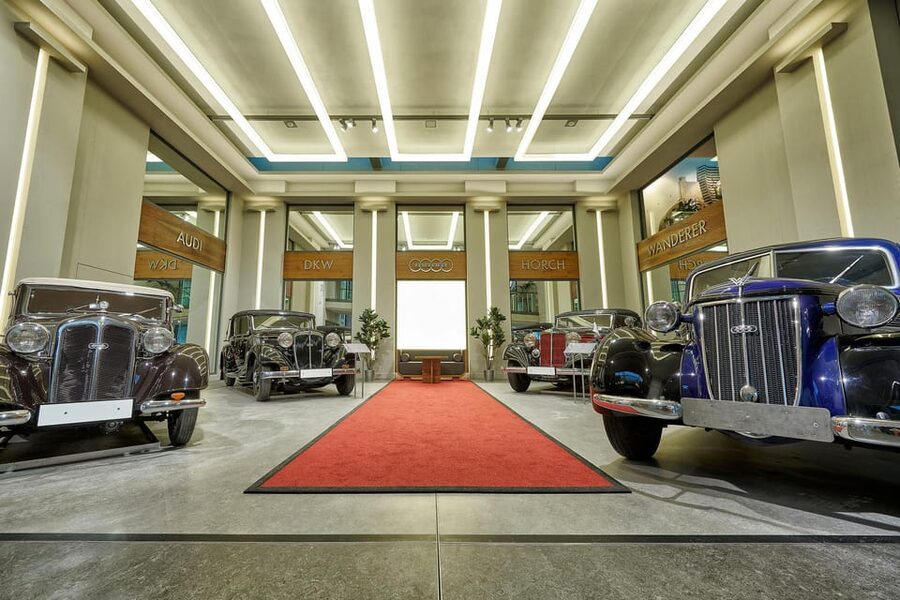
The exhibit space is about 6,500 square metres, which gives the display room to breathe. The museum presents around 160 large-sized exhibits plus numerous smaller pieces, and the collection is organized along a timeline that runs from 1911 to the present.
You can expect a clear progression. The early part connects Audi and Horch from the early 1900s (the museum highlights an Audi and a Horch from 1904). After that, the displays move toward the luxury-focused 1920s era. Then the story turns toward the industrial and everyday realities of Zwickau’s later production.
The finish is important too. The exhibition concludes in the present day, with Volkswagen still present in Zwickau, tying the museum back to where cars are made now. That kind of closing keeps the visit from feeling purely nostalgic.
One practical note: the museum’s design is meant for wandering your own way through the timeline. Since there’s no guided tour included, you’ll get the most from it by treating it like a self-led education session—reading the labels and following the threads between periods.
The Trabant story and the exclusive Duroplast production line

The Trabant section is the star detail on this ticket, and it’s not just a display of one car. The museum is the only place described as offering a production line for the Duroplast—the patented Duroplast material used for the Trabant’s body.
That’s a big deal because Duroplast isn’t just a trivia point. It’s a window into how resources, engineering constraints, and manufacturing choices shape what a car can be. Seeing (and understanding) the production approach helps you grasp why the Trabant became what it was: a product of its era’s priorities and limitations.
In a normal museum, you’d admire an object. Here, you get a chance to connect the object to the process. That’s why this visit feels different from a collection of static vehicles.
If your interests lean toward manufacturing technology—materials, production methods, and how cars moved from workshop thinking to industrial output—this is where you’ll spend extra time.
Racing history with films that help the timeline click
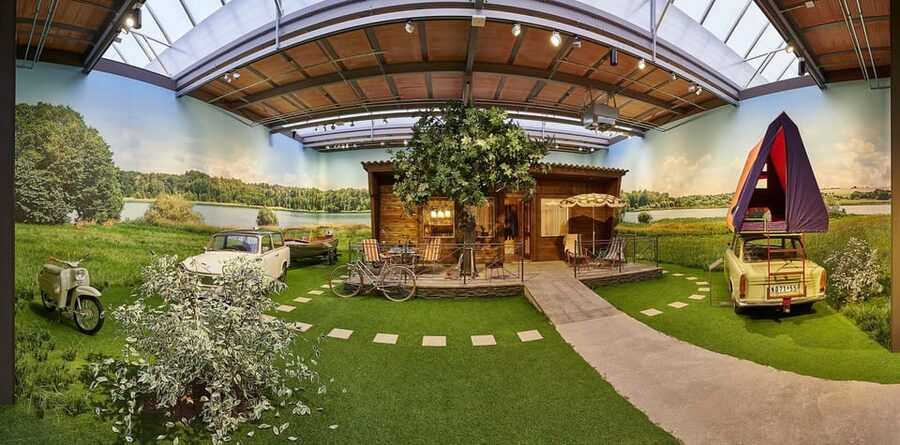
Not all automotive museums handle interpretation well. This one uses more than just cars and captions. Based on what’s included in the exhibition and what people highlight, you can expect film elements tied to topics like racing cars and racing history.
Those films matter because they can do the job that long text panels often can’t: they help you place what you’re seeing in motion and context. Instead of treating the timeline like separate photos, you get a more connected sense of how development, performance, and motorsport culture shaped design choices.
If you learn best with visuals—short clips, staged storytelling, and movement cues—these film sections are a strong part of the experience. They also break up the pacing, which is helpful in a museum with enough material to fill hours.
How long to plan for a self-guided visit
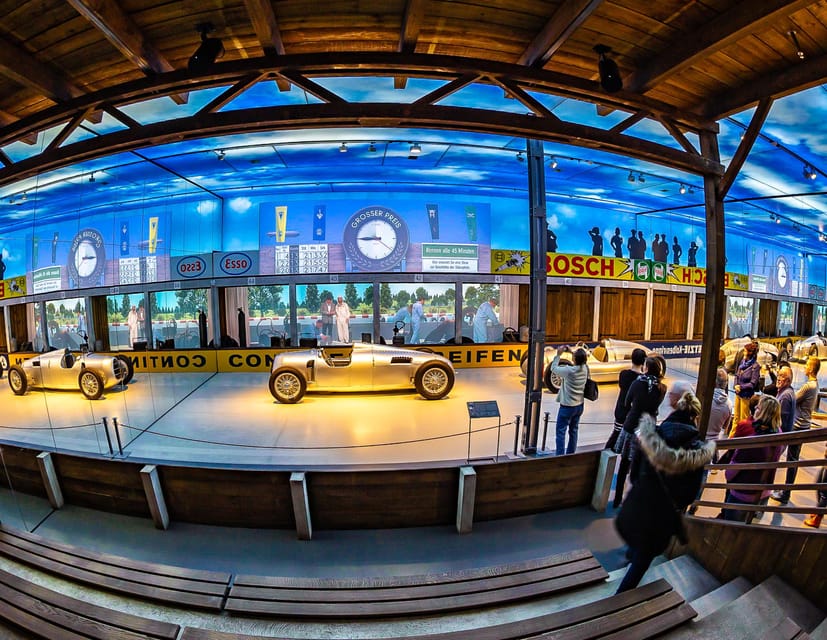
Your ticket is valid for 1 day, but the start times depend on availability, so it’s not set-and-forget for the exact hour. The museum’s scale suggests you’ll want more than a quick stop. The exhibit area is large, and the collection spans over a century.
A self-guided structure can be a benefit: you choose the focus. If you’re drawn to Audi and early Horch, you can spend time there and keep moving. If you care most about Trabant and production materials, you can work toward the Duroplast line and linger longer. If racing films catch your interest, you can time your wander to catch those moments without feeling rushed.
As a general planning mindset: treat this as a half-day to two-hour-plus kind of museum experience, depending on how closely you read and how much you want to see across the whole timeline. The museum isn’t just a few rooms; it’s designed to reward steady attention.
Accessibility, pets, and practical notes that affect your day
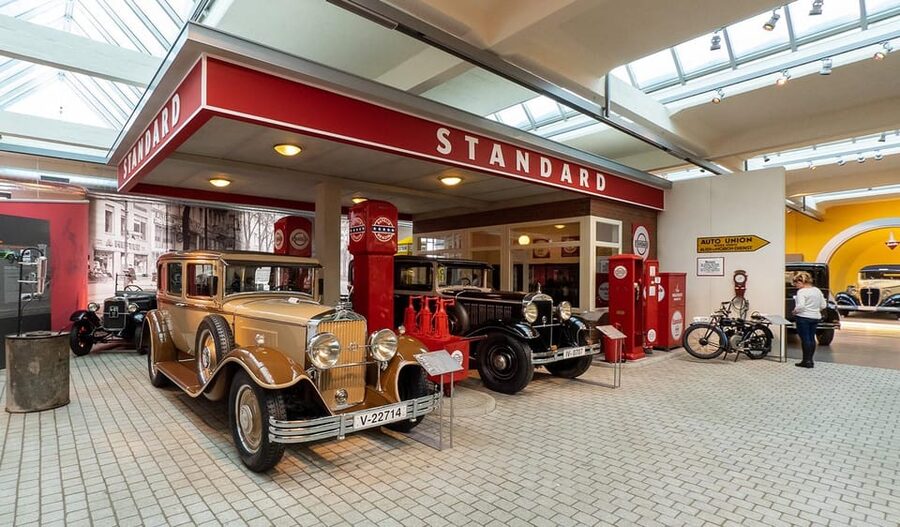
If you rely on a wheelchair, here’s the key point: the exhibition is wheelchair accessible except the August Horch Mansion. That means most of your visit should work well, but the mansion area is a known exception, so it’s smart to keep that in mind if you’re aiming for every last room.
Pets are not allowed. Assistance dogs are allowed, which is the standard accommodation noted for animal access.
Food and drinks are also not included in the ticket. So if you’ll want a break, you should plan on handling meals outside of what’s included with your entrance ticket.
And if you’re keeping things organized on arrival: a printed voucher is required. That’s one of those small details that can cause delays if you forget it.
Who should buy these tickets for the best fit
Buy this ticket if you want to:
- Understand how Zwickau shaped car production over time, from early Audi/Horch through later decades
- See the Trabant Duroplast production line, not just the vehicle as an object
- Appreciate automotive history presented as both machines and manufacturing, with some motion storytelling through films
- Enjoy a museum where you can control your pacing, because you’re not tied to a guided schedule
This is also a good pick for people who like value in plain terms: for about $17, you’re paying to spend time in a large exhibit area with a lot of displays and a clear theme.
It’s not as ideal if you specifically want a guided explanation included in the price. Since the ticket is entrance only, you’ll need to lean on your own reading and curiosity.
Should you book August Horch Museum tickets?
Yes, I’d book it if you’re heading to Zwickau and you care about how cars were made, not just how they look. The combination of Audi/Horch origins in the original production context and the exclusive Duroplast production line for the Trabant is a strong reason to go, especially at this price.
One more deciding question for you: Do you enjoy self-guided museum time? If the answer is yes, this ticket is a practical, high-value way to spend part of your day. If you want heavy narration from a guide, then you may want to look for a guided option elsewhere, because this ticket doesn’t include one.
FAQ
How much is the August Horch Museum entrance ticket?
The ticket price is listed as $17 per person.
Where is the August Horch Museum located?
It’s located in Saxony, Germany, in Zwickau.
How long is the ticket valid?
The ticket is valid for 1 day. You’ll need to check availability to see the starting times.
Is a guided tour included with the ticket?
No. A guided tour of the museum is not included.
What exhibits and time periods can I expect to see?
The museum features more than 160 exhibits covering 1911 to the present day.
Is the museum wheelchair accessible?
The exhibition is wheelchair accessible except the August Horch Mansion.
Are pets allowed?
Pets are not allowed. Assistance dogs are allowed.
Do I need a printed voucher?
Yes. A printed voucher is required.
Is free cancellation or pay-later available?
Yes. You can cancel up to 24 hours in advance for a full refund, and there’s a reserve now & pay later option, where you can book and pay nothing today.
If you want, tell me your travel dates and whether you’re most interested in Audi, Trabant, or racing, and I’ll suggest a smart way to spend your time inside the museum.