REVIEW · QUITO
Private Quito City Tour, Historical Center, Equator Museum, and Pululahua Crater
Book on Viator →Operated by Rebecca Adventure Travel · Bookable on Viator
Quito hits hard in one day. You get Panecillo hill views over the whole city and hands-on science at the Intiñan Equator Museum, then finish with crater scenery at Pululahua. It’s a smart way to see major sights without juggling buses and tickets all day.
The only downside is timing: this is an 8.5-hour plan with a lot of driving plus walking in churches and historic streets. If you’re prone to getting tired in the afternoon, build in a calmer dinner afterward.
In This Review
- Key Moments You’ll Remember
- A Full-Day Quito Plan That Actually Feels Manageable
- Panecillo Hill: Quito’s Best “First View” Stop
- UNESCO Old Town on Foot: Churches, Squares, and Real Time
- Mariscal Lunch Break: Fuel Without Breaking the Schedule
- Intiñan Equator Museum: Where the Equator Gets Hands-On
- Pululahua Crater: Inhabited Volcano Country and Cloud-Forest Air
- Guide Power: Why Private Changes the Whole Day
- Transportation and Timing: What 8.5 Hours Really Means
- Value Check: What’s Included and What You Might Need to Pay
- Packing Tips for a Day That Mixes City and Crater
- Who This Tour Fits Best
- Should You Book This Quito City Tour With Equator Museum and Pululahua?
- FAQ
- What does the tour include?
- How long is the private tour?
- Where do pickup and drop-off happen, and is there any extra charge?
- Do I need a passport for this experience?
- What should I bring for the day?
- Is this tour refundable if I cancel?
Key Moments You’ll Remember
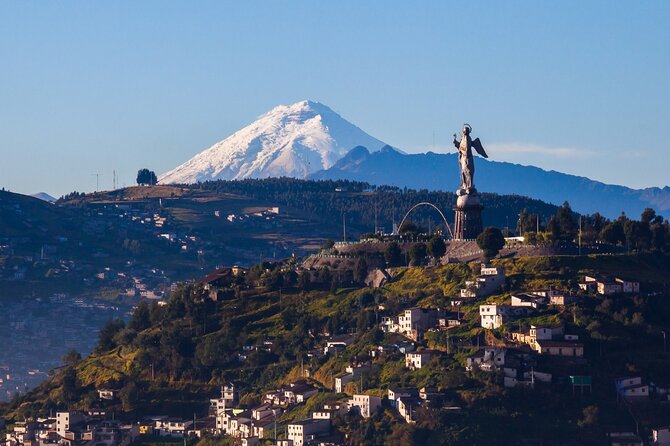
- Panecillo hill viewpoint with the Virgin Mary statue and a city-spanning panorama
- UNESCO Old Town highlights like Plaza de la Independencia, the San Francisco area, and major churches
- Intiñan Equator Museum hands-on stops including photos on the equator line
- Coriolis Effect demo plus gravity-related equator experiences
- Pululahua Crater with a look at an inhabited crater and cloud-forest wildlife reserve
- Lunch included in Quito’s Mariscal area during the middle of the day
A Full-Day Quito Plan That Actually Feels Manageable
This private tour works because it groups Quito’s big attractions into a single route. You start with a hilltop skyline view, move into the historic core, then switch gears to real-world physics at the equator, and end with nature at Pululahua. It’s the kind of day that helps you get your bearings fast.
What makes it especially practical is the flow: you’re not bouncing between distant neighborhoods randomly. Hotel pickup and private vehicle transport keep the day from turning into “wait, ride, wait, walk” chaos. And because it’s private, your guide can nudge the pace and make small adjustments if you want more photos or extra time at a church doorway.
You can also read our reviews of more tours and experiences in Quito.
Panecillo Hill: Quito’s Best “First View” Stop
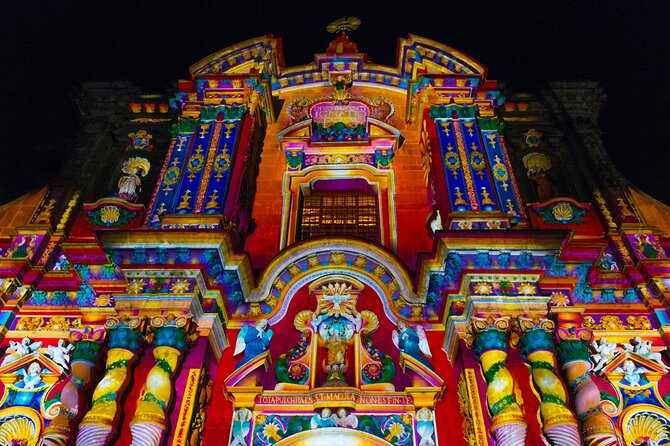
Panecillo Hill is the classic opening act for a reason. The statue of the Virgin Mary sits on top of this roughly 200-meter (655-foot) rise, but the real star is the view. From here, you can scan the city’s layout and rivers of streets like you’re reading a map from above.
This stop is also useful for photos and orientation. Even if you later explore the Old Town on foot, that first panorama helps you understand where the historic center fits in with the rest of Quito. It’s a quick hit of awe without needing to climb forever.
Practical tip: bring sunscreen and sunglasses. Quito sun can be sneaky, especially when you’re exposed on a hill.
UNESCO Old Town on Foot: Churches, Squares, and Real Time
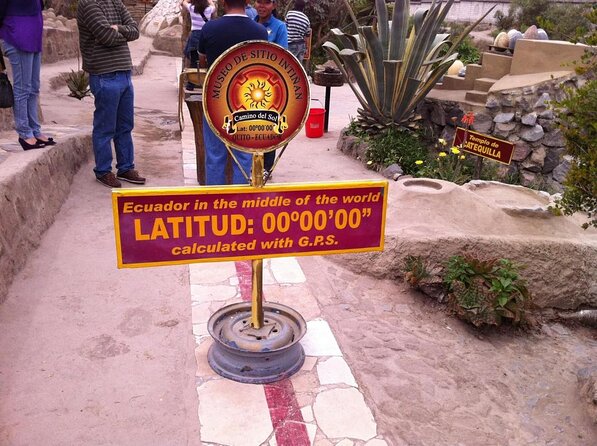
After Panecillo, you go down into Quito’s historic center for a walking tour. This is where the city starts to feel like a living museum. You’ll hit key squares and major religious buildings, and your guide explains the colonial story as you walk.
On the itinerary you’ll see:
- Plaza de la Independencia
- San Francisco Monastery area
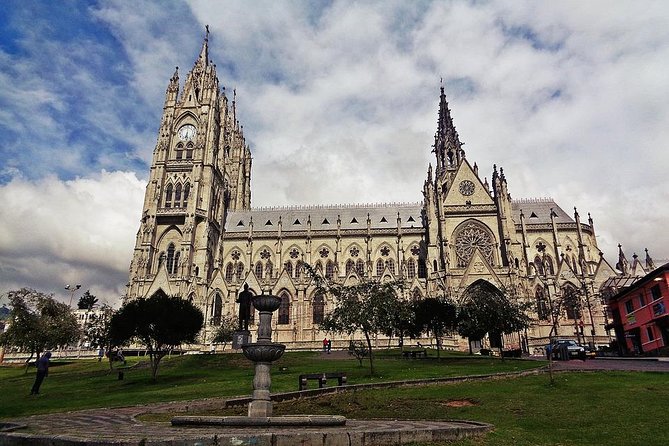
- Basílica del Voto Nacional (the Gothic church peek)
- Plus other main squares and churches in the historic core
This part matters because you’re not just looking at facades. You’re moving through a UNESCO-listed area where the streets, plazas, and church interiors tell the story. When you’re inside, you get that sense of how Quito’s Catholic influence shaped daily life.
A consideration: old stone streets and church interiors can mean slower movement and more steps than you expect. Comfortable, light layers help too, since you’re outside for parts of the route and inside for others.
Mariscal Lunch Break: Fuel Without Breaking the Schedule
Lunch is included and timed for the middle of the day. You’ll eat at a local restaurant in the Mariscal area. This is a big deal for value because it removes a common travel headache: figuring out where to eat between sightseeing stops.
Mariscal is handy because it’s a practical place to rest. You can reset your energy, hydrate, and take a breather before you move to the equator zone and then onward to Pululahua.
If you have dietary restrictions, make sure you share them when booking. The operator asks for food restrictions up front, so it’s worth being clear early.
Intiñan Equator Museum: Where the Equator Gets Hands-On
After lunch, you head to the Mitad del Mundo area, the famous Middle of the World site. From there it’s a short hop to the Intiñan Equator Museum, located about 200 meters from the monument.
This is one of the most entertaining stops on the day because it’s not only about history. It’s interactive. You can:
- Pose for photos on the equator line
- Learn about indigenous tribes
- Watch a demonstration of the Coriolis Effect
- Experience demonstrations related to gravity at the equator
The value here is simple: you leave with more than photos. You get a few memorable “science moments” you can talk about later. It’s also a nice change of pace after walking around old churches and squares.
The tour includes the Intiñan Museum admission, so you don’t have to budget extra for that ticket during your day.
Pululahua Crater: Inhabited Volcano Country and Cloud-Forest Air
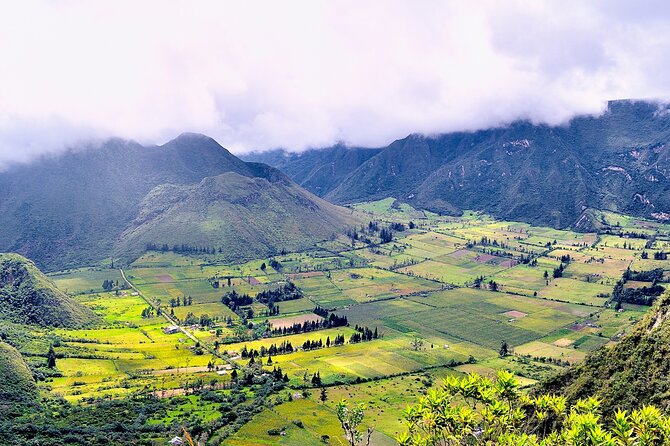
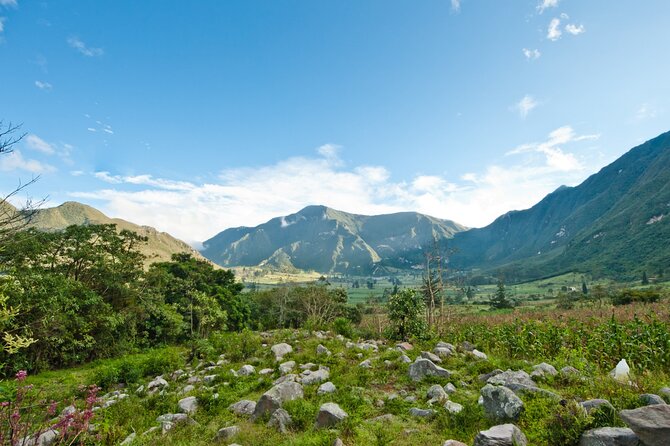
Pululahua is a very different vibe from Quito’s city blocks. The crater sits within a geobotanical reserve area, and it’s one of only two inhabited craters in the world. That fact alone gives the stop a special character: you’re looking at a volcanic setting where people live close to the terrain.
Once you arrive, you’ll appreciate the nature and the way the crater environment shapes the views. You’ll have time to visit the small town in the crater, then drive to the top for crater panoramas and wildlife viewing chances. The reserve is described as a cloud-forest haven, so expect a cooler, misty feel compared to lower elevations, even if the day stays bright.
Timing note: the crater stop is long enough to do more than “look from a viewpoint and leave.” You get a bit of walking and time to enjoy the environment, plus the town visit.
Guide Power: Why Private Changes the Whole Day
A private tour lives or dies by the guide. This one includes a professional driver/guide and is built for personalized attention.
In past days, names like Angel, Andres, Xavier, and Guilerno have been credited with planning a smooth sequence and handling questions well. Many guides on this route are also described as patient, flexible, and willing to adjust if you want to linger for photos or skip something that doesn’t click.
That’s exactly what you want in Quito. You’ll be moving between viewpoints, churches, science demos, and a crater reserve. A guide who can keep the day on track while still giving you control makes the whole experience feel less rushed.
Transportation and Timing: What 8.5 Hours Really Means
The tour runs about 8 hours 30 minutes and includes hotel pickup and drop-off within Quito’s urban zone. A realistic expectation: you’ll spend meaningful time in the car between stops, then switch into walking and standing during viewpoints and church visits.
The itinerary sequencing is built to reduce stress:
- Panecillo first for skyline orientation
- Old Town afterward while you’re fresh
- Lunch before the equator museum
- Equator museum in the afternoon, then Pululahua
- Return to your hotel at the end
Also, the day starts with pickup around 9:00 AM, based on the operator’s pickup window request. That early start helps you avoid late-day fatigue and gives you better light for photography around the morning and early afternoon.
Value Check: What’s Included and What You Might Need to Pay
Even though your details show a price of $0.00, the “value” question is still useful because the inclusions tell you how much is covered.
Here’s what’s included:
- Private transportation from and to your Quito hotel (urban zone)
- Meals as described in the itinerary (lunch)
- Activities as described (sightseeing/visits)
- Intiñan Museum admission included
- Professional driver/guide
- 24/7 assistance in Dutch, English, and Spanish
- Mobile ticket
Admission at other stops is listed as free on the plan, so you’re mostly paying attention to the included Intiñan entry.
One cost consideration: transportation is limited to hotels in Quito’s urban zone. The operator notes that it does not include Valleys, Tababela, or hotels close to the airport. If your pickup is outside that zone, there’s an extra charge of $40 round trip per group, paid directly to the driver. If you’re staying near the airport, it’s worth confirming this early.
Packing Tips for a Day That Mixes City and Crater
This is a day with sun, walking, and changing environments. You’ll want:
- Comfortable light clothing
- A jacket just in case
- Water
- Sunscreen and sunglasses
- Your passport
Passport matters because a current valid passport is required on the day of travel. Also, the operator asks for current travel insurance, including personal medical insurance. If you have medical conditions, tell them in advance.
Who This Tour Fits Best
This works well if you want:
- A first-time Quito overview with the major “anchor stops”
- A mix of history + hands-on science + volcanic nature
- A private guide who can keep the timing smooth and answer questions
- Included lunch so you don’t waste time hunting food
It may be less ideal if you prefer a slow day in one neighborhood, or if long church visits and afternoon crater views aren’t your style. This plan is a full sweep.
Should You Book This Quito City Tour With Equator Museum and Pululahua?
Yes, if you like structured sightseeing and you want a single-day hit list that covers Quito’s skyline viewpoint, UNESCO Old Town highlights, an interactive equator science museum, and an inhabited volcano crater. You’ll also get the practical win of hotel pickup, a private vehicle, and lunch built into the plan.
I’d book it especially if you’re short on time in Quito and want to avoid the mental math of transit between four very different areas. Just confirm your hotel pickup zone so you don’t get surprised by the extra transportation charge if you’re outside the urban area.
If you want one day that actually checks the boxes, this is a strong option.
FAQ
What does the tour include?
It includes hotel pickup and drop-off within Quito’s urban zone, a professional driver/guide, lunch, and the activities listed for sightseeing. Intiñan Museum admission is included, and the tour also includes 24/7 assistance in Dutch, English, and Spanish.
How long is the private tour?
The total duration is about 8 hours 30 minutes.
Where do pickup and drop-off happen, and is there any extra charge?
Pickup and drop-off are included from your Quito hotel within the urban zone. The tour does not include Valleys, Tababela, or hotels close to the airport. If you’re outside the included area, there is an extra charge of $40 round trip per group, paid directly to the driver.
Do I need a passport for this experience?
Yes. A current valid passport is required on the day of travel.
What should I bring for the day?
Bring comfortable light clothing and a jacket just in case, plus water, sun block, sunglasses, and your passport.
Is this tour refundable if I cancel?
No. This experience is non-refundable and cannot be changed for any reason.