REVIEW · ATHENS
Athens: The Acropolis and Acropolis Museum Tour in German
Book on GetYourGuide →Operated by LITTLE OWL TOURS · Bookable on GetYourGuide
Athens only really makes sense with stories attached. This German-language tour strings the major sights together with myths and historical tales that help the Acropolis feel less like a photo backdrop and more like a living place. You’ll also get time at the museum to see the original sculptures, not just copies and views from far away.
The biggest plus here is the guide-led flow: you start at the Theatre of Dionysus, work your way up through the monumental gateway areas, temples, and viewpoints, then finish with the museum’s displays. One consideration: it’s a lot of walking uphill on uneven, sometimes slippery ground, and there’s no elevator, so it’s not a good match if mobility is limited.
In This Review
- Key highlights I’d plan around
- Entering Athens through the German guide’s lens
- What that means for you
- South entrance start: Theatre of Dionysus to the first big views
- A route built for momentum, not wandering
- The Propylaea gateway and the climb to the top
- Practical reality check
- Parthenon, Erechtheion, and Nike Temple: what you’ll focus on
- The short photo window you’ll be glad you have
- Coming down to the Acropolis Museum: where context clicks
- Why the museum finish is worth it
- Acropolis Museum highlights you can’t really fake
- In plain terms: what you’ll get from the museum
- Walking, weather, and comfort: plan like a realist
- A tip that can save the day
- Price and value: is $152 per person justified?
- Who should feel good about the price
- Who this tour fits best
- Quick decision: should you book this Acropolis and Museum tour?
- FAQ
- How long is the Acropolis and Acropolis Museum tour?
- Is the tour guided, and what language is it in?
- Do I need to buy tickets separately?
- Does the tour include a skip-the-ticket-line benefit?
- What stops are included on the route?
- Is there time for photos?
- What should I bring?
- Is food or drinks included?
- Is this tour suitable for wheelchair users or limited mobility?
Key highlights I’d plan around
- Myth-focused storytelling in German that keeps the monuments from turning into a checklist
- Theatre of Dionysus as your first stop, setting the scene for why Athens built public spaces
- Parthenon–Erechtheion–Nike Temple viewpoints from the top, with a structured route that avoids aimless wandering
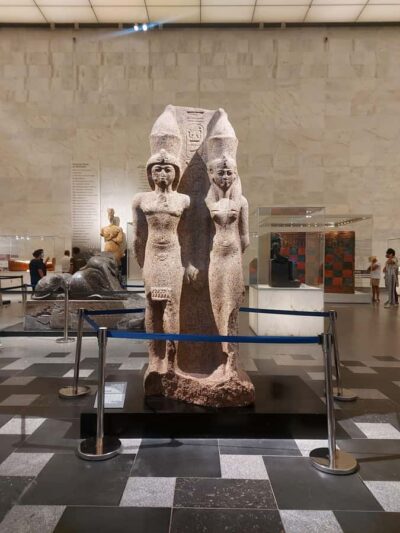
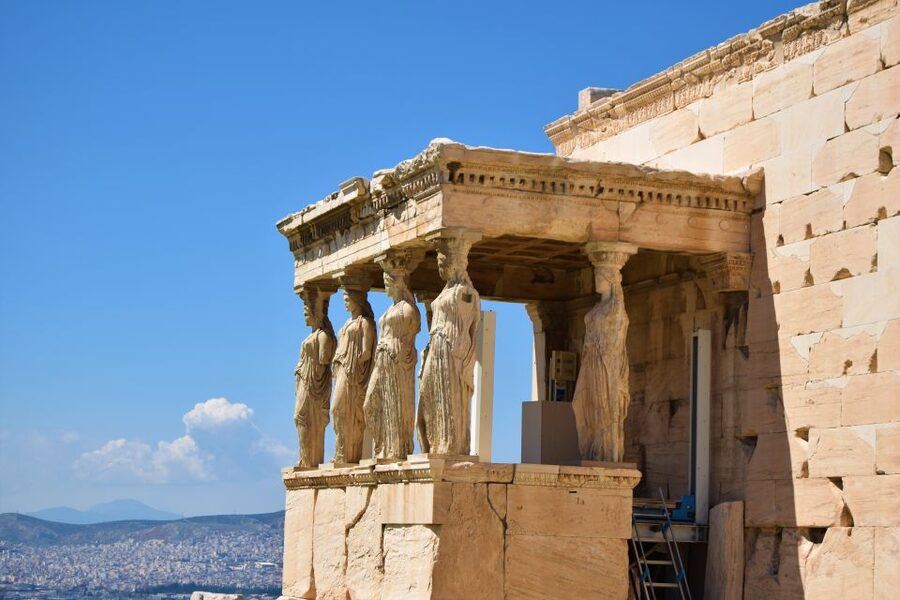
- Original sculptures at the Acropolis Museum, including the Parthenon pieces and Caryatids
- A photo stop atop the hill (about 20 minutes) so you’re not rushed while you shoot
Entering Athens through the German guide’s lens
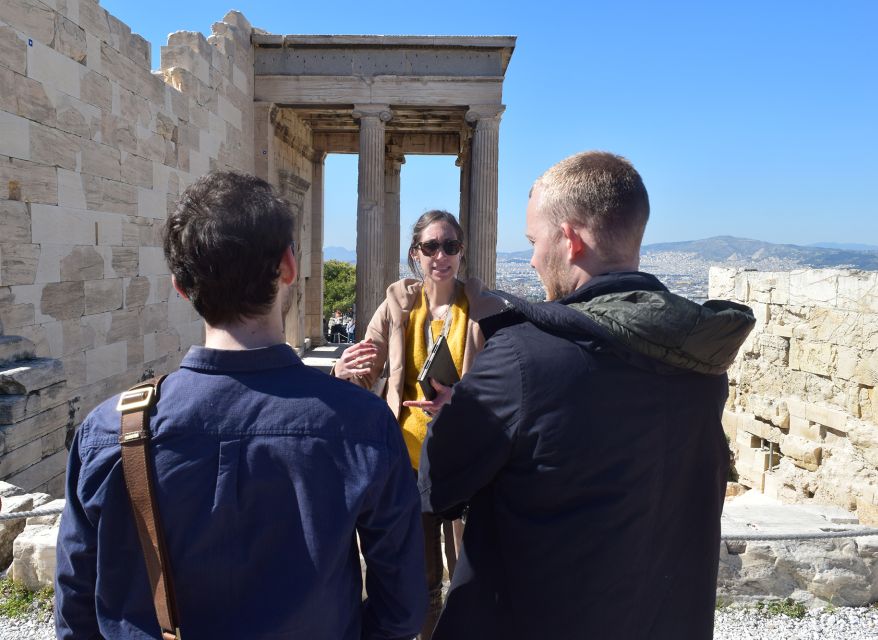
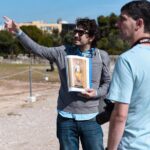
If you’re booking a guided Acropolis tour, language matters more than people think. With this one, you’ll have a live German guide, and the approach is explicitly story-led. Instead of sounding like a textbook, the guide uses myths and historical tales, which tends to make details easier to remember (and, honestly, more fun).
I also like how the reviews point to a guide style that’s both structured and playful. One guide name that came up repeatedly is Jessica, described as very competent and cracking jokes while still covering a lot. In one case, the tour worked well for a family group with kids aged 11 and 12, which is a good sign if you want something that doesn’t go monotonous after 30 minutes.
You can also read our reviews of more museum experiences in Athens

What that means for you
If you’re the type who gets bored by rapid facts, the myth-telling angle is exactly the right antidote. And if you want the Acropolis explained in a way you can actually follow, having someone guide you through the logic of the hill and then connect it to the museum makes the whole day feel more coherent.
South entrance start: Theatre of Dionysus to the first big views
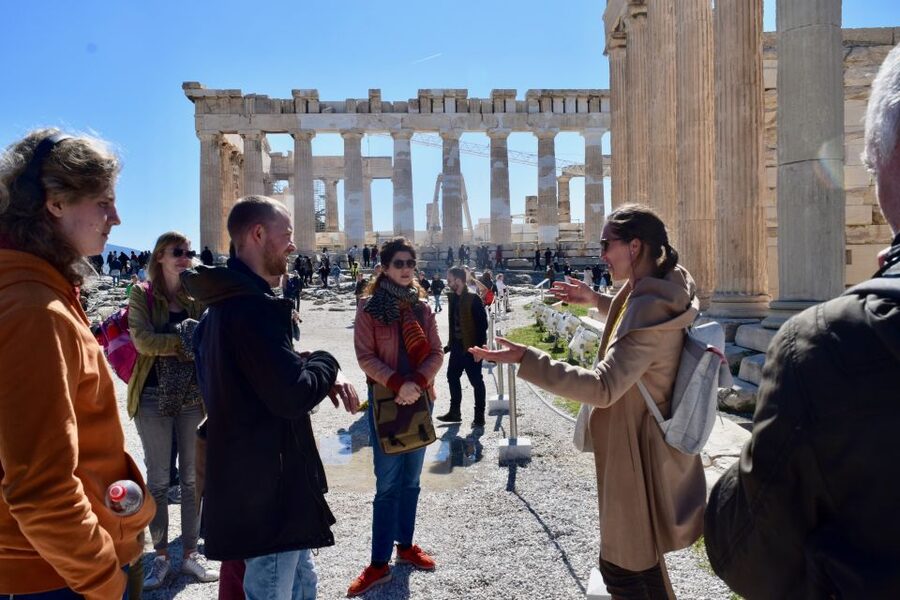
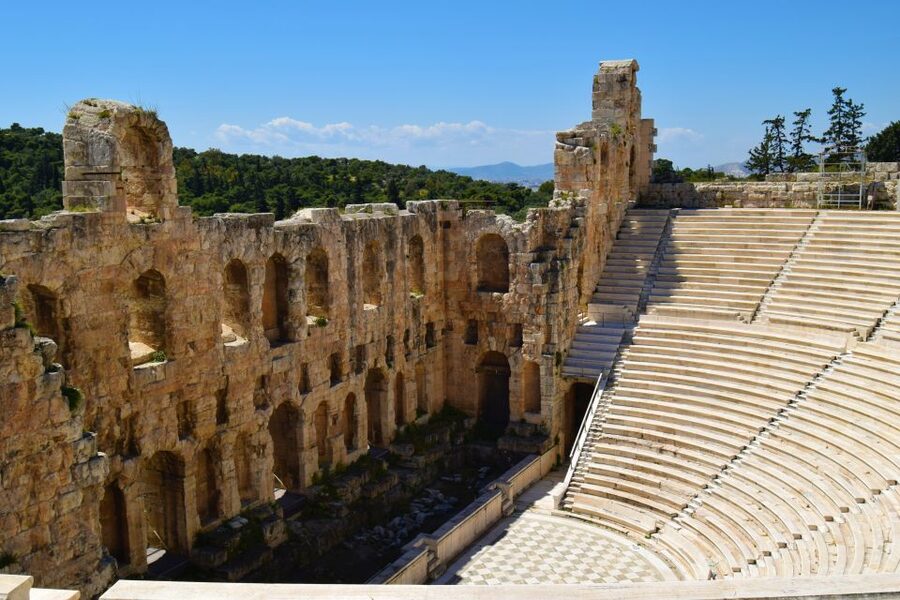
The tour kicks off at the south entrance area and starts with the Theatre of Dionysus. That’s a smart move, because it immediately answers a question you’ll have sooner or later: why were these public spaces built, and how did they fit into daily life? The theatre is tied to ancient Greek drama and performances, and the guide frames it as the place where the first ancient Greek theater was built.
From there, you continue the walk past the Odeon of Herodes Atticus and onward toward the Temple of Athena Nike. You’ll also pass the Herodion and the remains of what’s described as Athens’ first pharmacy. Even if you just treat those as “signposts,” it helps the hill feel layered instead of starting and stopping at the Parthenon.
A route built for momentum, not wandering
This is an on-foot route designed to keep you moving. You’re taken to a set of major points in a sensible order: theatre area first, then the climb up the slope, then the monumental gateway and the top. That matters because the Acropolis area can easily turn into you standing still while your brain tries to connect ten different buildings by yourself.
The Propylaea gateway and the climb to the top
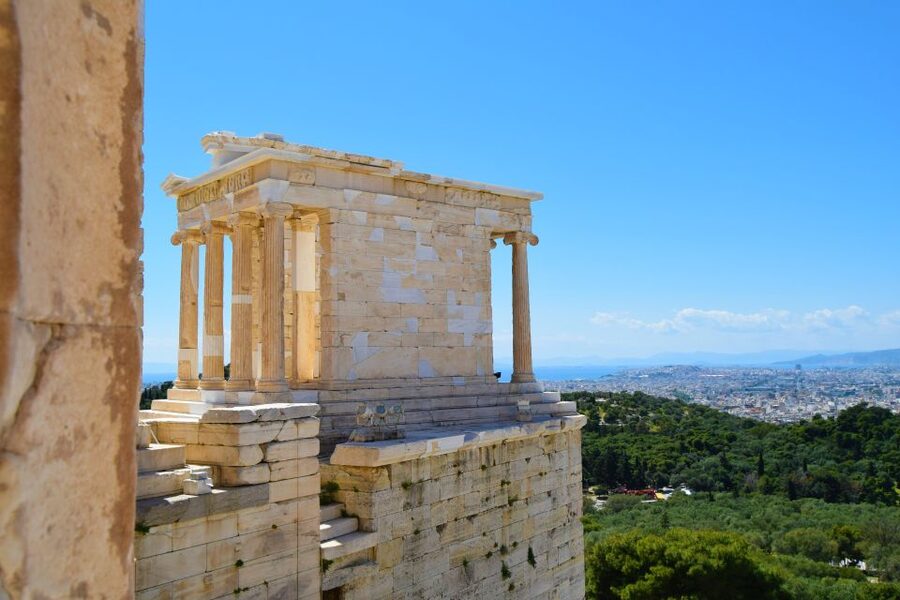
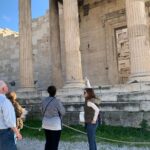
After the theatre stop, the tour takes you to the enormous entrance gate area: the Propylaea. Think of this section as the transition from “city below” to “sacred complex above.” The guide’s job here is to explain why the structures were erected and what techniques the architects used, which gives you a clearer sense of the site’s design logic.
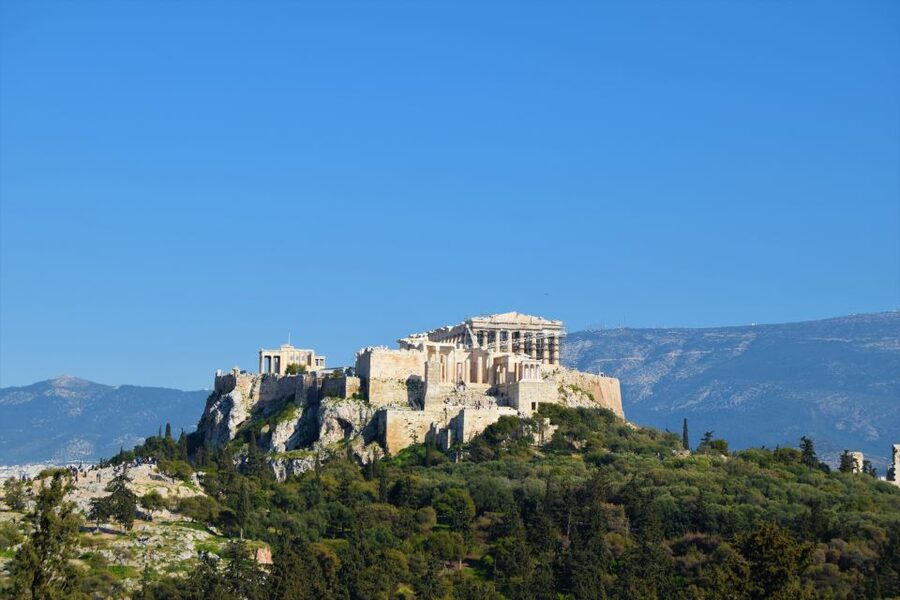
Then you rise to the top and your views really open up. From here you’ll look out toward and learn about the Nike Temple, the Erechtheion, and the Parthenon. The guide’s emphasis stays on stories and context—why people built these places where they did, and what the structures were meant to signal.



Practical reality check
You will be walking uphill on uneven surfaces. The tour notes warn that the terrain can be slippery at times. That’s not meant to scare you off, but it’s worth respecting: comfortable shoes are non-negotiable.
Parthenon, Erechtheion, and Nike Temple: what you’ll focus on
Once you’re at the top, the tour doesn’t just point. You get guided time at major structures in a sequence that helps you compare them, even if you’re not an architecture specialist.
- Parthenon: You’ll tour it as one of the main monuments, and it’s also a visual anchor for the whole skyline.
- Erechtheion: The guide explains it as part of the larger story of why the complex developed the way it did.
- Temple of Athena Nike: You’ll see it from the top and hear why that temple sits where it does.
This is also where the myth-based narration helps. When the guide frames what you’re seeing as part of Athens’ identity and legendary episodes, the buildings stop feeling like random impressive rocks. They become characters in the same story.
The short photo window you’ll be glad you have
There’s a free time photo stop (around 20 minutes) while you’re still on the hill. For many people, the best shots happen when you’re not trying to listen while also sprinting for angles. Having a dedicated window makes your pictures feel less stressful and more intentional.
Coming down to the Acropolis Museum: where context clicks
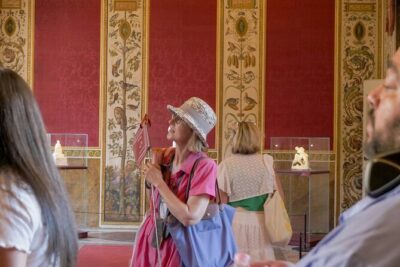
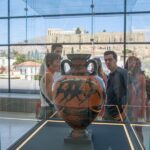
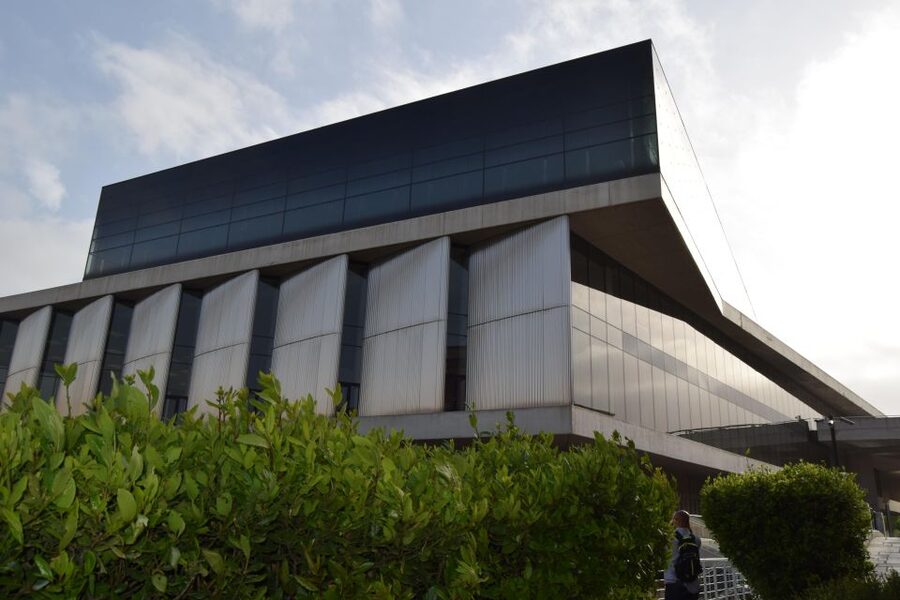
After the Acropolis portion, you descend and head to the Acropolis Museum. The tour specifically sells this logic: the monuments on the hill grab your attention, but they truly make more sense once you see the original sculptures indoors.
This is where the pacing pays off. You’re not walking into the museum cold. You’ve just spent time looking at temples and gateways from above, so when you step into the museum, you’re ready to connect what you saw to what survives in original form.
Why the museum finish is worth it
A lot of Acropolis experiences stop at the hill. This one ends with the museum, which is the smart choice if you care about authenticity and want more than a view.
Acropolis Museum highlights you can’t really fake
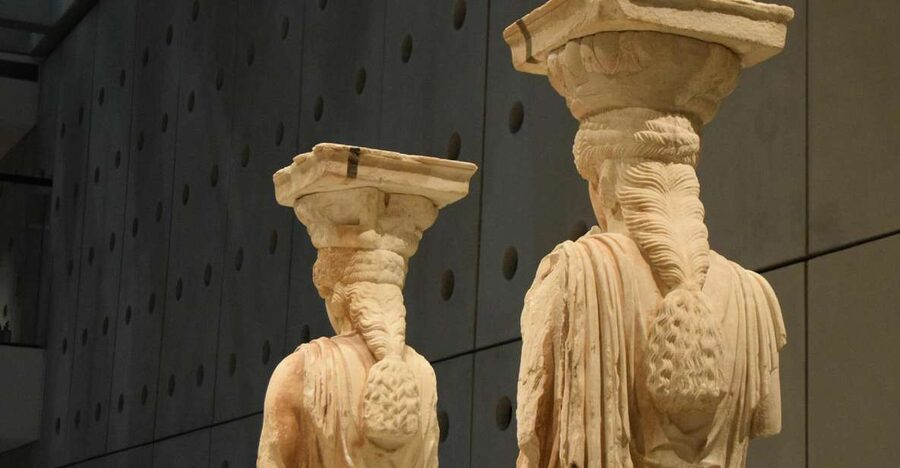
The Acropolis Museum portion is guided, and the big value is the access to real pieces. The tour highlights include original sculptures such as:
- The Caryatids (the museum displays the original figures)
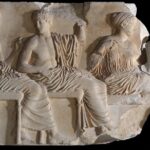
- Parthenon sculptures
- Other authentic statues tied to what you saw outside
This is the part where you start noticing things you missed on the hill. When you look at original sculpture work up close, it changes how you interpret the monuments. The tour also frames the museum as the place to understand the “why” behind Athens’ most important moments, including connections to democracy-era stories and legendary battles for supremacy.
In plain terms: what you’ll get from the museum
If the Acropolis is the stage, the museum is the backstage. You’ll see the real sculptures that complete the meaning of the temples you toured. And you’ll get a guided explanation while you’re looking at the objects, not later from memory.
Walking, weather, and comfort: plan like a realist
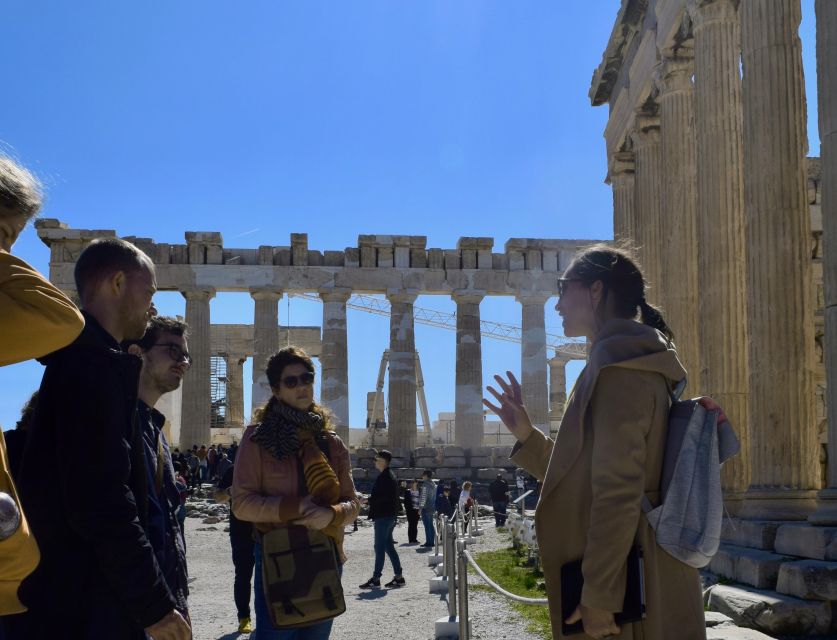
This is not a sit-and-stare tour. You should plan as if you’ll spend most of the time on your feet: uphill walking on uneven ground, plus additional walking between stops.
The tour notes also explicitly say it’s not recommended for people with limited mobility and that there’s no elevator. It’s also marked not suitable for pregnant women, and it’s not for wheelchair users.
A tip that can save the day
One practical detail from a recent hot-weather experience: if the site gets extremely hot, things can get interrupted. In one case, the Acropolis was closed during the midday stretch, and the group handled it with shade breaks while the guide kept the story going. Your takeaway for planning is simple: bring water, wear a sun hat, and expect the route to feel more demanding in peak heat.
Price and value: is $152 per person justified?
At $152 per person, this isn’t a bargain-basement activity. The value comes from what’s included and how the tour is structured:
- Entry tickets to both the Acropolis and the museum
- A licensed guide walking you through the route
- Administration fees for pre-booking tickets (so you’re not scrambling)
- A skip-the-ticket-line element
- Time built in for photos
You’re paying not just for access, but for reduced friction and a guided sequence. If you try to do this self-guided, you can absolutely visit both places—but you’ll spend more time figuring out your own order, and you’ll miss the myth-and-context thread that makes the monuments stick in your mind.
Who should feel good about the price
This price tends to make sense if:
- You like guided storytelling more than solo reading
- You want the museum portion to be more than a quick look
- You prefer a structured route that minimizes decision fatigue
Who this tour fits best
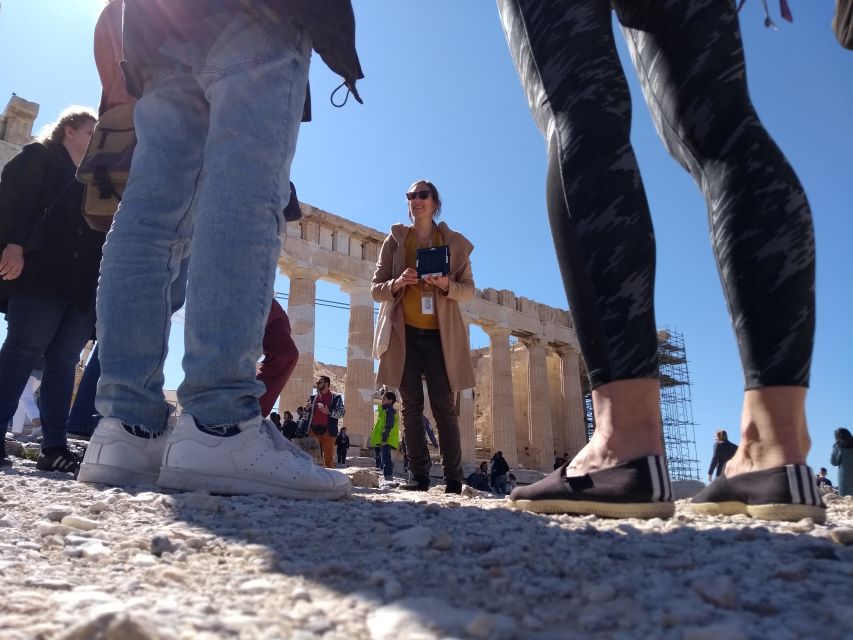
This tour is a strong match if you:
- Want a 3-hour overview of major Acropolis sights without stretching the day
- Enjoy narration (myths and historical tales), not just architectural facts
- Prefer German guidance and you’re comfortable following the tour in German
- Want museum originals—Caryatids and Parthenon sculptures are a big deal
It’s less suitable if you need step-free access, elevator access, or if long uneven walks are a problem.
Quick decision: should you book this Acropolis and Museum tour?
Book it if you want the Acropolis explained as a story and tied directly to the museum’s original sculptures. The structure—theatre first, climb up to the main monuments, then museum finish—is built to make the day feel connected rather than fragmented.
Skip it (or look for a different format) if walking uphill on uneven ground isn’t realistic for you, or if you need accessibility support that this tour can’t provide. And if you don’t speak German, make sure you’re comfortable—this experience is explicitly German-language throughout.
If you’re a planning type and you like your must-sees with context, this one is an easy yes.
FAQ
How long is the Acropolis and Acropolis Museum tour?
The tour lasts about 3 hours.
Is the tour guided, and what language is it in?
Yes, it’s a live walking group tour with a licensed guide, and the language is German.
Do I need to buy tickets separately?
No. Entry tickets for both the Acropolis and the Acropolis Museum are included, along with pre-booking administration fees.
Does the tour include a skip-the-ticket-line benefit?
Yes, it includes skipping the ticket line.
What stops are included on the route?
You’ll visit the Acropolis of Athens, including major sites like the Theatre of Dionysus, the Temple of Athena Nike, the Propylaea, the Erechtheion, and the Parthenon, plus a guided visit to the Acropolis Museum.
Is there time for photos?
Yes. There’s a dedicated photo stop on the hill with free time of about 20 minutes.
What should I bring?
Bring comfortable shoes, a sun hat, and water.
Is food or drinks included?
No. Food and drinks are not included, and food and drinks are also not allowed during the tour.
Is this tour suitable for wheelchair users or limited mobility?
No. It’s not recommended for limited mobility, there is no elevator, and it’s not suitable for wheelchair users.