REVIEW · ATHENS
Athens: Kotsanas Ancient Greek Technology Museum Guided Tour
Book on GetYourGuide →Operated by Kotsanas Museum · Bookable on GetYourGuide
The wow hits fast—ancient tech that runs like ours. I love the private guided tour led by an engineer or historian, and I love the operating models that show how Greek ideas worked in real mechanisms. One consideration: the museum tour is not suitable for people with mobility impairments.
This isn’t a stuffy walk-through. You’re exploring a museum inside an Art Nouveau building (700 square meters), with an interactive setup built around about 300 artifacts of ancient technology—so you get hands-on learning, not just reading.
In This Review
- Key Highlights You’ll Remember After the Tour
- Why the Kotsanas Museum Feels Different From Usual Athens Stops
- Getting There: Pindarou 6 and the Easy Syntagma Start
- Value and Price: What $54 per Group Really Buys You
- Inside the 1-Hour Private Tour: How the Time Is Spent
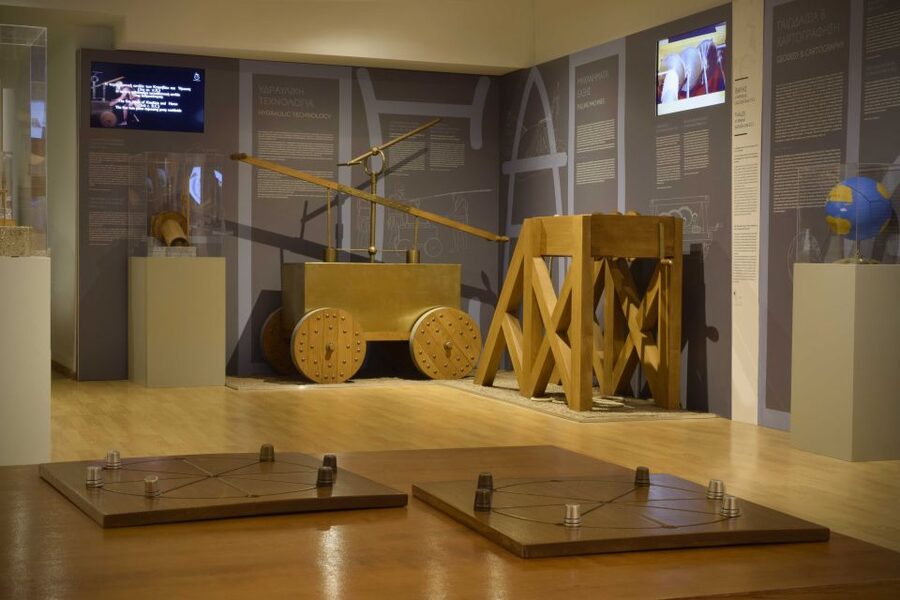
- The Technology Stars: What You’ll See Working
- The analog-computer moment
- Hydraulic and timekeeping inventions
- Automation and “robot” storytelling
- The big picture: why it feels like modern tech
- The Building and the Exhibit Style: Art Nouveau Meets Gadget Science
- The Guides: Engineers, Historians, and Names You Might Hear
- Is This Tour for You? Best Fit (and Who Should Skip It)
- Should You Book This Kotsanas Guided Tour?
- FAQ
- How long is the Kotsanas Ancient Greek Technology Museum guided tour?
- Is this tour private, and how many people can go as a group?
- Where do I meet the guide for the tour?
- What’s included in the tour price?
- Are food and drinks allowed during the visit?
- Is the tour suitable for people with mobility impairments?
Key Highlights You’ll Remember After the Tour
- A guide with technical or historical chops: English explanations from qualified staff such as engineers, archaeologists, historians, or museologists
- Working models, not just photos: you can see key inventions in action, including analog-computer-style tech
- About 100 featured exhibits in one themed experience: The Hi-Tech Inventions of Ancient Greeks focuses on robots, clocks, automata, and calculating devices
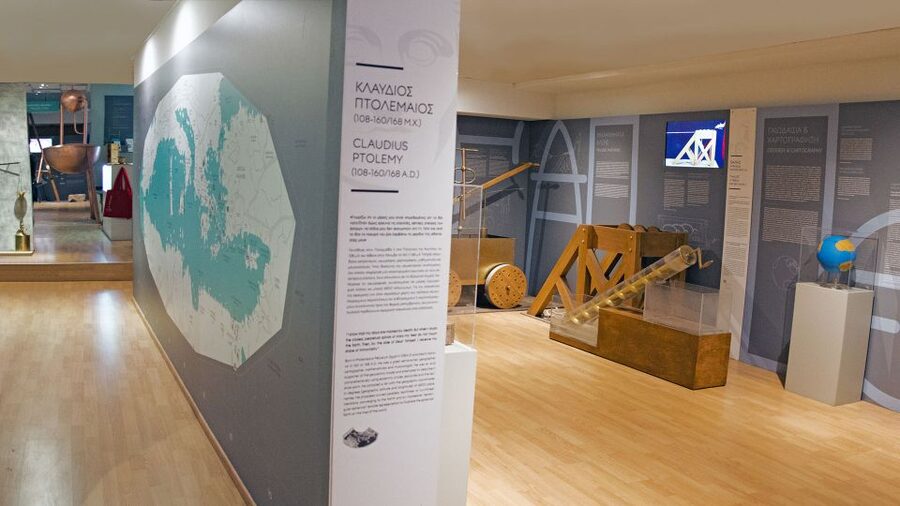
- Heavy on diagrams and visuals: giant posters, labels, and lots of explanatory material in Greek and English
- Video and animation stations: projection screens and documentaries explain how the mechanisms function and how they’re used
Why the Kotsanas Museum Feels Different From Usual Athens Stops
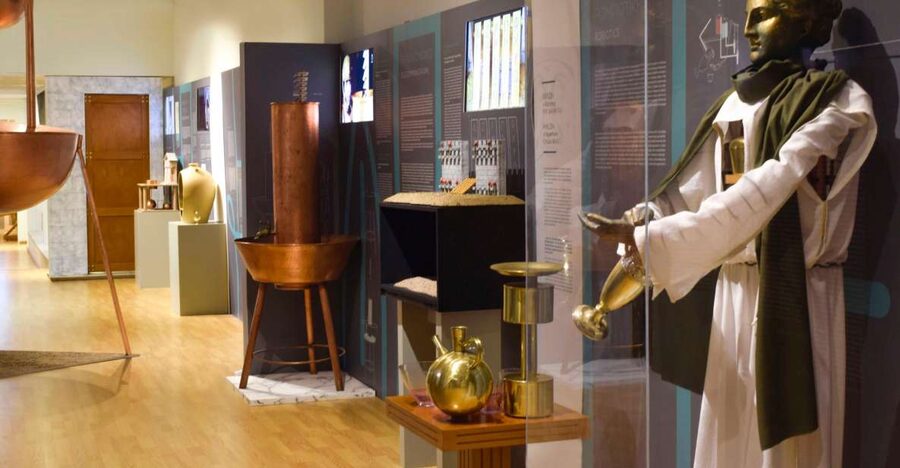
Most museums give you dates and artifacts. Here, the goal is the mechanism. The Kotsanas Museum of Ancient Greek Technology is built to help you understand how gears, hydraulics, and clever linkages could produce real results—years before modern electronics existed.
I especially like the way the museum treats ancient technology as practical problem-solving. When you see the inventions as systems (input, process, output), the surprise hits harder: the ideas don’t feel primitive. They feel familiar.
You’ll also get a focused look at a side of Greek culture that often gets ignored in mainstream sightseeing. Instead of only temples and columns, you’re looking at invention culture—the kind of thinking that asks, how does it work?
You can also read our reviews of more guided tours in Athens



Getting There: Pindarou 6 and the Easy Syntagma Start
You meet at Pindarou 6, Athina 106 71, and the walk is simple. The museum is about a 5-minute walk from Syntagma Metro Station, so you’re not fighting complicated transfers.
This is useful if you’re pairing the tour with other central Athens plans. You can get here from most city-center hotels without planning a whole day around logistics.
The tour ends back at the same meeting point, which makes your next stop easy—no awkward “now take a cab” moment at the end of your hour.
Value and Price: What $54 per Group Really Buys You
The price is $54 per group (up to 4) for a 1-hour private guided tour, with museum entry included. That pricing structure matters, because you’re not paying per person for the guide.
If you’re traveling as a couple, family, or a small group of friends, the value can feel excellent: you’re effectively buying an expert-led hour plus the ability to explore the museum afterward on your own.
If you’re traveling solo, you’ll still get a quality experience because it’s private and guided. The trade-off is simply time—everything is packed into a one-hour window—so the tour is best when you’re ready to move and ask questions.
Inside the 1-Hour Private Tour: How the Time Is Spent
This is a compact visit by design. Your tour lasts about 1 hour, and it’s structured as guided discovery through the museum’s interactive displays. The guide leads you through the key mechanisms, then you get free time to explore further on your own.
Here’s the flow that makes the tour work:
1) Meet, orientation, and what to watch for
Your guide sets the frame fast. You learn what kind of technology you’ll be seeing—mechanical computing, automation, hydraulic power, and analog-style measuring—so the exhibits don’t feel random.
2) Guided walk through interactive stations
As you move through the museum, you’ll focus on mechanisms shown in operating models. This is where the “wow” becomes understanding, because the guide connects what you’re seeing to how it works.
3) Explanations supported by visuals, labels, and diagrams
You’re not relying only on verbal descriptions. There are explanatory labels, detailed diagrams, and large posters, with material available in Greek and English. This helps you follow even when the mechanism is complex.
4) Video/animation stations and documentary-style explainers
The museum includes projecting stations with video and animation, plus documentaries where the exhibitor explains function and use. For many people, this is the piece that turns gears into concepts.
5) Free time to try things yourself
After the guided portion, you can slow down. Since many exhibits are interactive, this time is where you can go back to the mechanism that really caught your interest.
One drawback to keep in mind: because it’s private and timed, you won’t cover everything. If you love machinery and want long, unhurried exploration, plan to use that free time well—or pair it with a longer independent visit later if you’re curious.
The Technology Stars: What You’ll See Working
This museum is famous for making ancient mechanisms feel alive. A few featured highlights are built into the experience, including:
You can also read our reviews of more museum experiences in Athens


The analog-computer moment
You’ll see operating models tied to the oldest analog-computer concept—an idea that helps you understand that ancient Greeks weren’t only building structures. They were also building calculating devices.
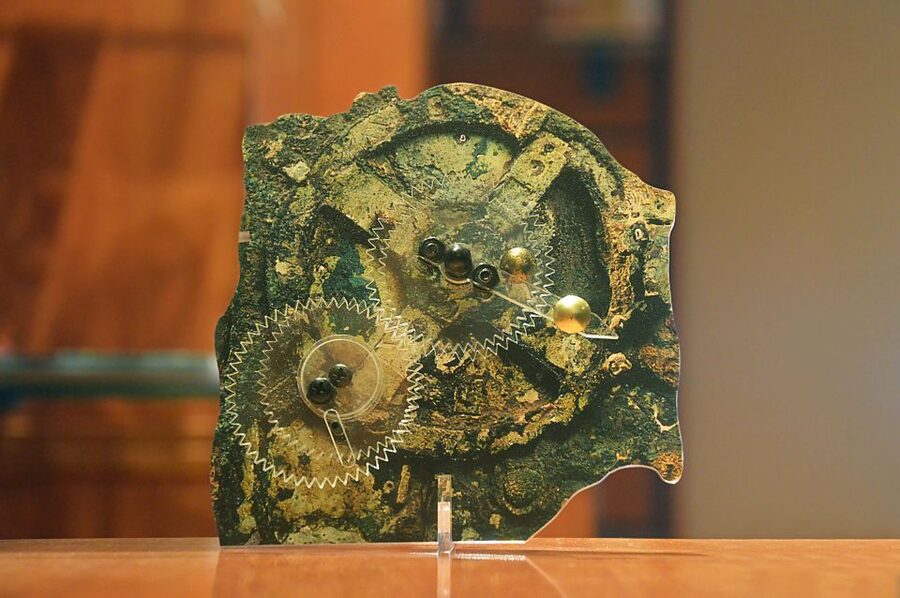
You’ll also encounter the Antikythera calculating mechanism, which is listed among the featured items in the museum’s theme. Watching this style of mechanism explained is a great reminder that computation doesn’t require circuits to be real.
Hydraulic and timekeeping inventions
The museum includes the hydraulic clock of Ktesibios. Hydraulic timekeeping is one of those topics that sounds abstract until you’re staring at a working principle and seeing how water movement can regulate a display.
It’s also a good example of how Greek tech often connected measurement to everyday use. Time, in this case, becomes a designed system—not a mystery.
Automation and “robot” storytelling
The themed exhibition includes the robot-servant idea and automata examples connected with inventors such as Philon and Heron. These weren’t just toys. They represent a mindset: use mechanics to create behavior.
You’ll see references to Philon’s “cinema” and Heron’s automotive-puppet show. Even if you don’t know the names beforehand, your guide should connect the dots so it doesn’t feel like random trivia.
The big picture: why it feels like modern tech
The museum leans into a clear message: ancient Greek technology can seem shockingly similar to what we use today. Not because it’s identical, but because the same engineering logic shows up again and again—linkages, systems thinking, control through regulated motion.
When you understand that logic, you start spotting it everywhere. That’s when the museum stops being a one-hour attraction and becomes a new way of looking at technology.
The Building and the Exhibit Style: Art Nouveau Meets Gadget Science
The museum takes place in a historic Art Nouveau building with a total area of 700 square meters. That means your setting feels more like stepping into an old workshop than entering a generic box.
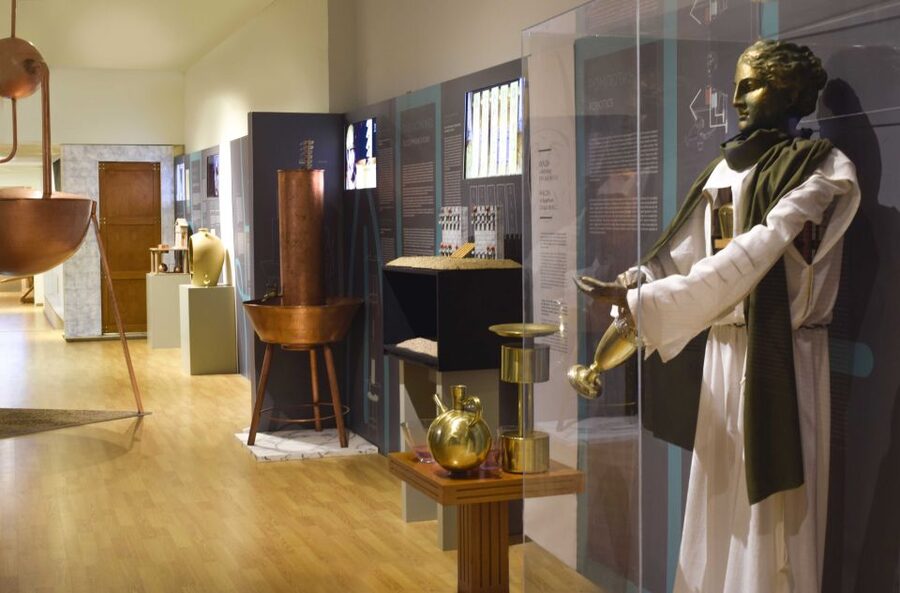
Inside, the exhibit design is built for explanation. You’ll find:
- explanatory labels and giant posters with a lot of information
- detailed diagrams and photos
- complete bibliographical references
- lots of interactive exhibits
And because the materials are available in Greek and English, the museum doesn’t trap you in one language world. Your guide also provides English live interpretation, which helps when diagrams get technical.
If you enjoy learning through visuals, this place is made for you. The mix of physical mechanisms plus graphic explanation prevents the experience from becoming either purely hands-on guessing or purely textbook reading.
The Guides: Engineers, Historians, and Names You Might Hear
One of the biggest reasons this tour gets high marks is the guide quality. The tour is run by qualified staff—engineers, archaeologists, historians, and museologists—so you can get both the how-it-works explanation and the why-it-mattered background.
In particular, Vasilis has been highlighted as a standout guide, and some staff members such as Irina and Maria have been praised for presenting inventions clearly. If your guide can connect the mechanism to a story of invention, you’ll leave with a stronger mental map.
For a non-engineer or a casual history fan, that matters. You don’t need technical schooling. You need clear explanations and time to see the mechanisms run. This tour format gives you both.
Is This Tour for You? Best Fit (and Who Should Skip It)
This experience is ideal if you like any of these:
- hands-on learning, even if you’re not an engineer
- inventions that link history to real mechanism
- a guided hour that makes complex exhibits easier to understand
- science-meets-story museums (automation, clocks, calculating devices)
It also works well for families. The exhibits and interactivity make it approachable, and the guide’s explanations are designed to keep people engaged.
The one clear reason to reconsider is mobility. The activity is not suitable for people with mobility impairments, so plan alternatives if accessibility is a concern.
Should You Book This Kotsanas Guided Tour?
I’d book it if you want a smart, guided way to see ancient technology as functioning systems. The biggest wins are the private format, the engineer-or-historian style explanations, and the fact that you’ll be watching and interacting with mechanisms—especially the analog-computer-style ideas and the hydraulic and automation highlights.
Skip it only if you already know you dislike technical explanations, or if mobility limits your museum experience. Otherwise, it’s one of those rare tours that feels practical and fun at the same time—like learning history through machines instead of through glass and silence.
FAQ
How long is the Kotsanas Ancient Greek Technology Museum guided tour?
The tour lasts 1 hour.
Is this tour private, and how many people can go as a group?
It’s listed as a private group. The price is $54 per group up to 4.
Where do I meet the guide for the tour?
Meet at Pindarou 6, Athina 106 71, Greece. The museum is about a 5-minute walk from Syntagma Metro Station.
What’s included in the tour price?
You get entry to the museum, a 1-hour private guided tour, and free time to explore further.
Are food and drinks allowed during the visit?
No—food and drinks are not allowed.
Is the tour suitable for people with mobility impairments?
No, it is not suitable for people with mobility impairments.