REVIEW · NEW YORK CITY
9/11 Memorial & Ground Zero Tour with Optional Museum Ticket
Book on GetYourGuide →Operated by ExperienceNYC · Bookable on GetYourGuide
Two hours, and you’ll understand the place. This small-group walking tour takes you through Ground Zero and the 9/11 Memorial with a New Yorker guide who shares a personal connection to 9/11. It’s not just sightseeing; it’s structured, paced, and emotionally honest.
I especially love the human angle. You’ll hear first-responders’ stories and get context at each stop, like the meaning behind the memorial design and what the rebuilt area is trying to communicate. Another highlight for me is the focus on key sites you can actually process on foot, including St. Paul’s Chapel and the Survivor Tree.
One consideration: this is a heavy topic. If you need an easier day of sightseeing, plan for breaks and mental space, because the memorial pools and names are powerful in a way that sticks with you.
In This Review
- Key moments to look for
- Where you start: City Hall Subway Station and a tight 2-hour plan
- St. Paul’s Chapel and Trinity Church: the story starts before you reach the memorial pools
- FDNY Ten House and the first-responder lens you don’t want to miss
- The 9/11 Memorial pools: standing where the towers were and reading the names
- Survivor Tree: resilience you can see, not just hear about
- Oculus and One World Trade Center: hope and rebirth in modern form
- Optional 9/11 Museum: when to add it, and how the guide helps
- Price and value: what $32 buys in a 2-hour, small-group format
- Who this tour fits best (and what might not)
- Should you book this 9/11 Memorial & Ground Zero tour?
- FAQ
- Where is the meeting point for the tour?
- How long is the Ground Zero and 9/11 Memorial tour?
- Is the 9/11 Museum included?
- Does the tour include skip-the-line access?
- Is the tour available in English, and is it wheelchair accessible?
- Can I cancel and get a refund?
Key moments to look for
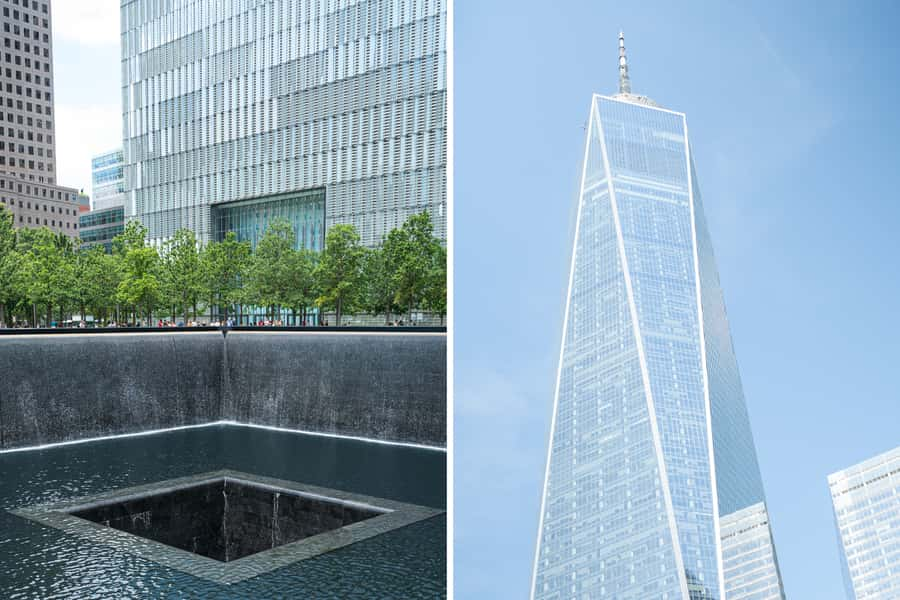
- Meet at City Hall Subway Station (R and W): get your bearings fast at the Warren Street and Broadway corner.
- St. Paul’s Chapel stop: the historic “Little Church That Stood,” tied to the days right after the attacks.
- A pause at FDNY Ten House: hear about the firefighters who responded from the closest station.
- 9/11 Memorial twin reflecting pools: built into the tower footprints, engraved with the names of nearly 3,000 victims.
- The Survivor Tree: a living reminder of resilience and renewal you’ll see near the memorial.
- Optional 9/11 Museum with timed entry: your guide escorts you in so you can focus on exhibits at your own pace.
Where you start: City Hall Subway Station and a tight 2-hour plan
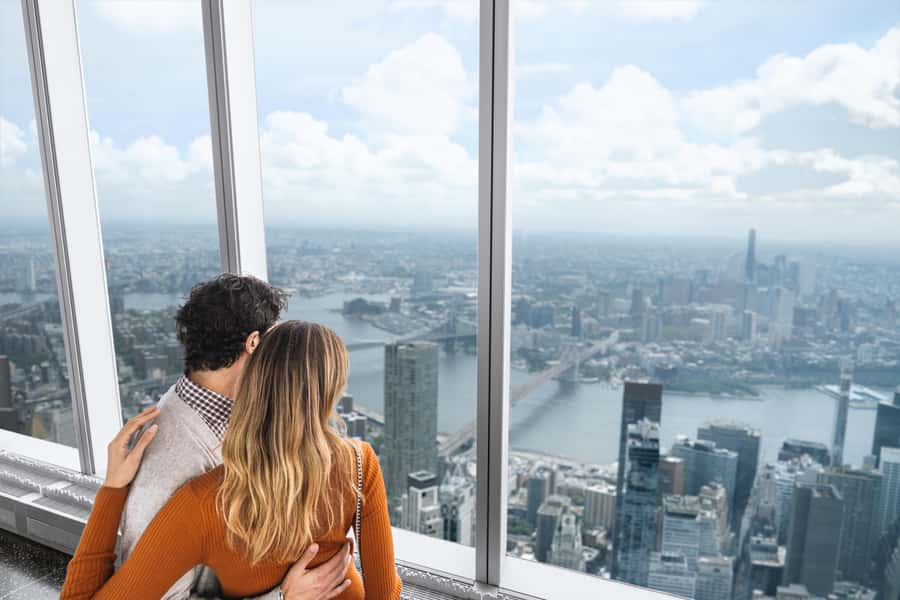
The tour kicks off at the City Hall Subway Station area—right in front of the station for lines R and W at the intersection of Warren Street and Broadway. It’s a smart starting point because you’re already close to Ground Zero, so you don’t waste time commuting across town.
The tour duration is listed as 2 hours, so you’ll want to treat this as a focused walking experience rather than a full-day “see everything” plan. If you add the optional museum entry, you’ll naturally spend more time after the guided walk, since museum time is at your own pace.
One of the quiet benefits of a short, planned route is pacing. You’ll move from place to place in a way that helps the story land in the right order—without the fatigue that can come from trying to DIY this area on your own.
A few more New York City tours and experiences worth a look



St. Paul’s Chapel and Trinity Church: the story starts before you reach the memorial pools
Your first major stop is St. Paul’s Chapel, often described as the historic “Little Church That Stood.” The key detail here is not just that it survived; it’s that it served as a sanctuary and volunteer center in the days after the Twin Towers collapsed. That means the site isn’t frozen in time—it’s tied to real human help when people needed it most.
From there, you’ll also visit Trinity Church as part of the guided sequence. This helps you understand the broader setting around Ground Zero, not only the memorial itself. You’re learning how surrounding institutions and the neighborhood changed as the city responded.
If you want to get the most out of these early stops, keep your questions simple: ask what you’re seeing and why that moment matters. Guides who connect the dots well can make these old-but-still-present buildings feel like part of the same emotional timeline.
FDNY Ten House and the first-responder lens you don’t want to miss
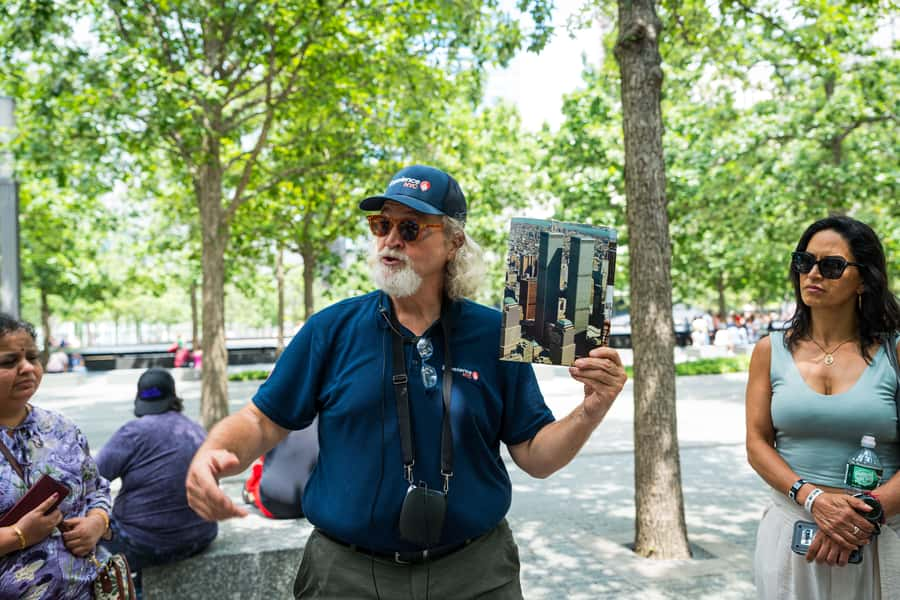
A standout part of the tour is the pause outside FDNY Ten House, the fire station closest to the Twin Towers. Instead of keeping the story at the “big picture” level, you’ll hear about the firefighters who responded and what their role looked like on the ground.
This is one reason I think this tour is worth paying for. The facts are important, but what changes the experience is hearing the human details and being guided to look at the area through their perspective. You walk through the same space, but your mind starts sorting it differently.
This stop also sets the tone for the memorial portion. Once you’ve heard about responders, the memorial doesn’t feel abstract—it feels like it belongs to real people and real choices.
The 9/11 Memorial pools: standing where the towers were and reading the names

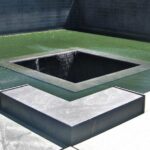
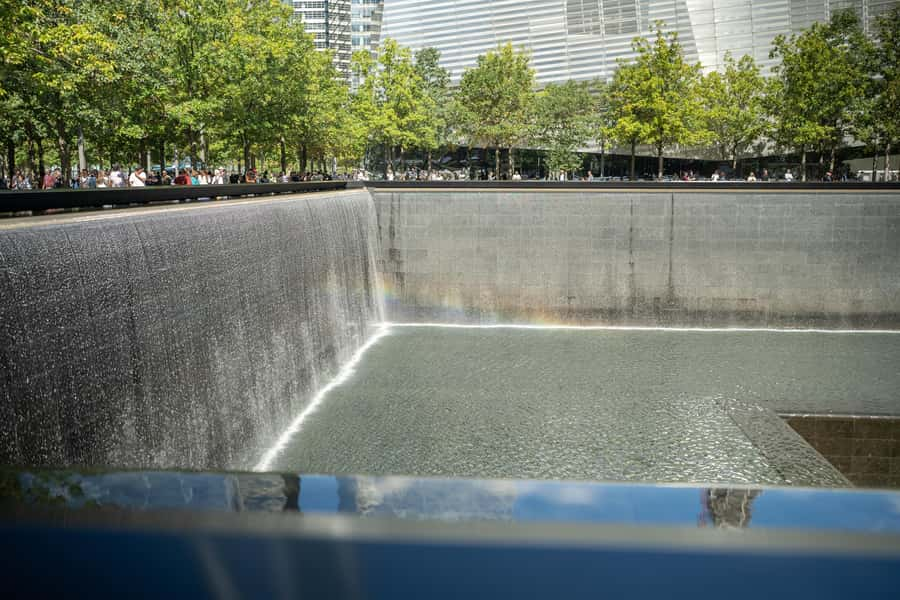
At the heart of the tour are the 9/11 Memorial twin reflecting pools, set within the footprints of the original towers. The design choice is clear: the empty space is intentional, and the water and stone create a quiet atmosphere where you can pause without being rushed.
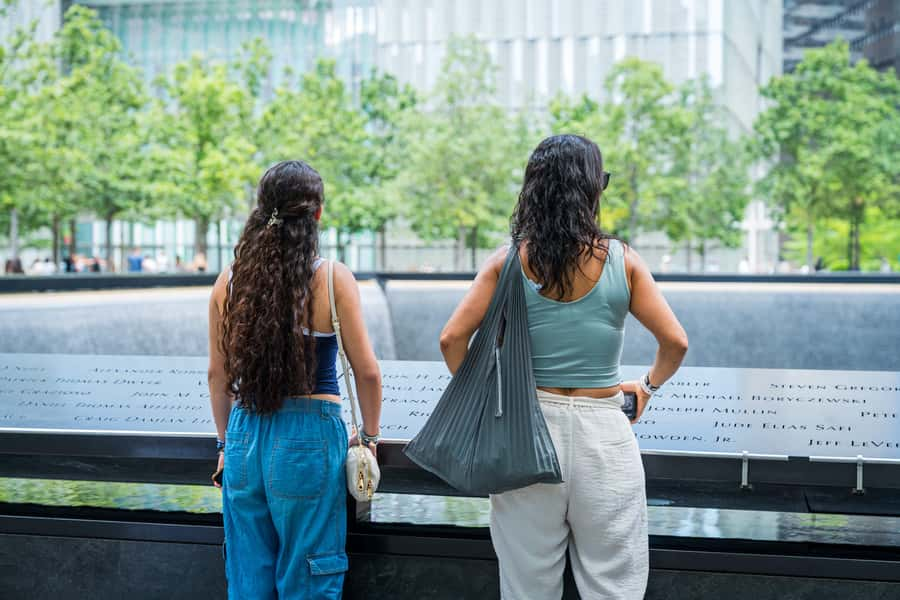
The names engraved into the memorial are described as nearly 3,000 victims, and that detail changes how you experience the site. It’s not a monument that asks you to look once and move on; it’s a place that invites slower reading and reflection.
Your guide shares personal reflections and explains the symbolism behind the memorial’s design. That matters, because memorial architecture can look “simple” from a distance, but it’s doing a lot underneath the surface—especially around meaning, grief, and remembrance.
Survivor Tree: resilience you can see, not just hear about
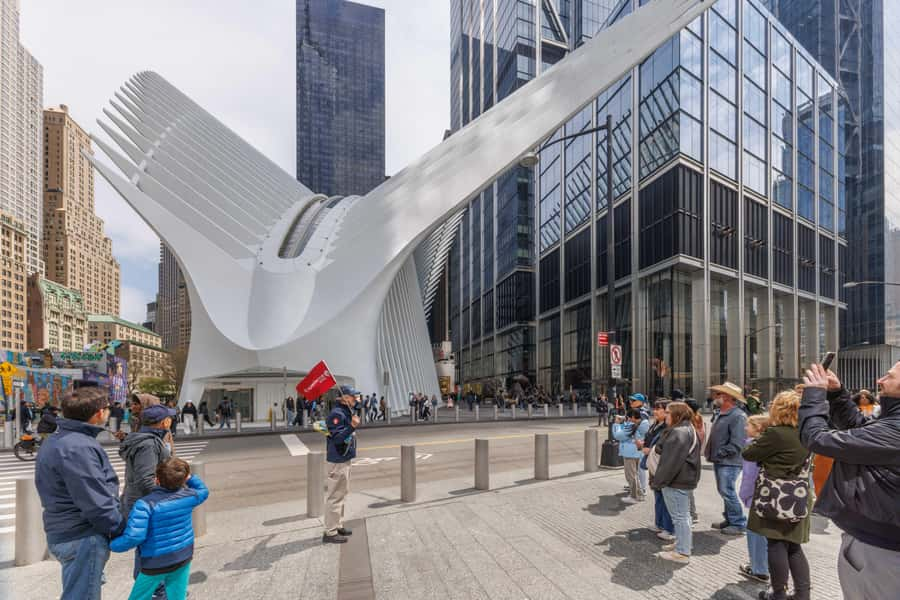
You’ll also visit the Survivor Tree, one of the most powerful moments in the tour. The tour describes it as a living reminder of resilience and renewal, and that framing is exactly what makes it feel different from a photo spot.
A living tree forces a different kind of attention. You’re not only looking at something made for remembrance—you’re seeing something that continues to grow, which can be comforting and unsettling at the same time.
This stop pairs well with the reflecting pools because it gives your brain two kinds of truth: the weight of loss and the reality of survival. Even if you’re not a “tree person,” the way the guide connects it to the memorial story makes it land.
You can also read our reviews of more museum experiences in New York City




Oculus and One World Trade Center: hope and rebirth in modern form
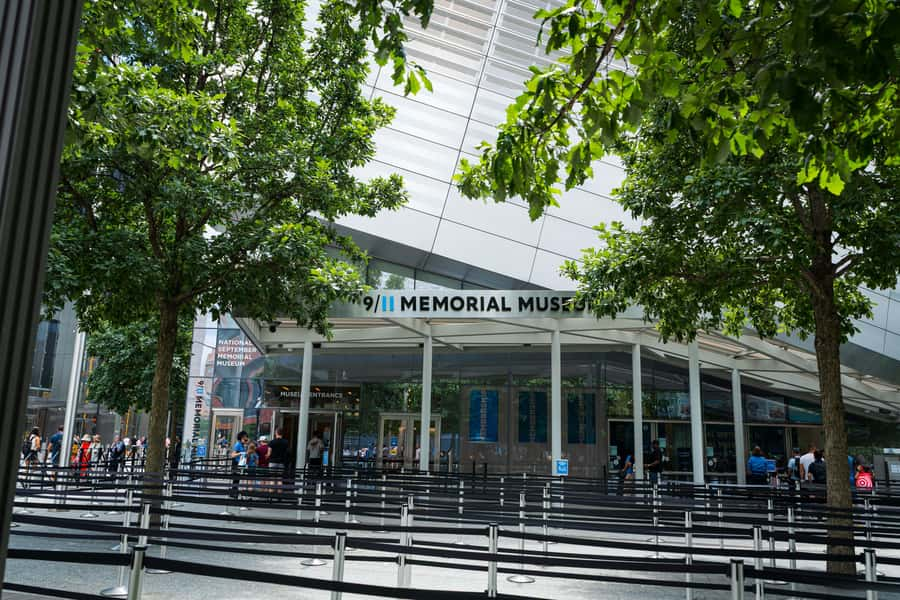
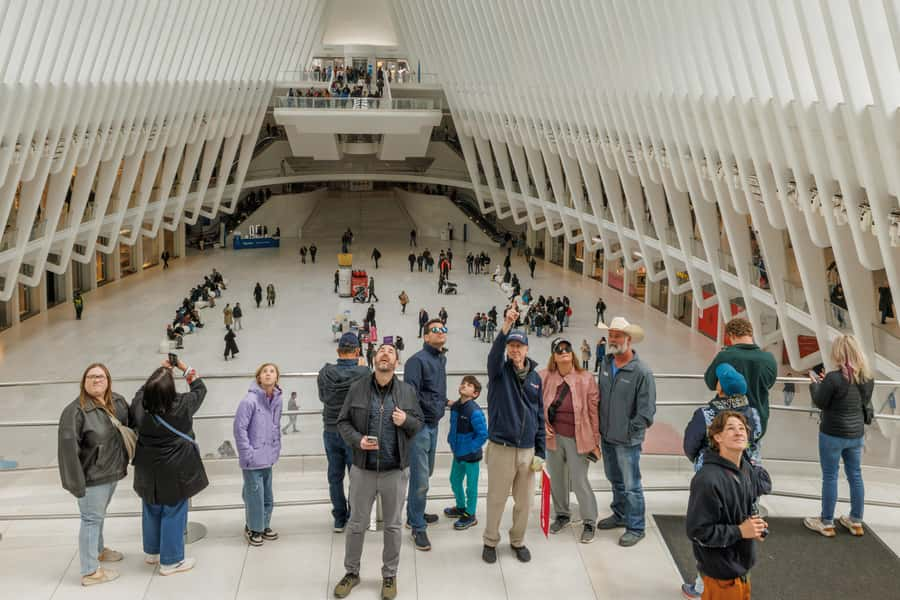
As you continue, you’ll pass through the Oculus Center, described as a dove-shaped transportation hub representing hope and rebirth. The key value here is that the tour doesn’t treat the rebuilt area like generic skyline scenery; you’re guided to understand what the design is trying to communicate.
You’ll also visit One World Trade Center as part of the route. Depending on how the guide structures the stop, you may focus on how the new buildings fit into the rebuilt landscape and what that says about the city’s priorities.
I like this part because it keeps you from ending the tour only in grief. The memorial is essential, but the surrounding rebuilding is part of the story too. You leave seeing that remembrance and redevelopment can happen together—imperfectly, but with purpose.
Optional 9/11 Museum: when to add it, and how the guide helps
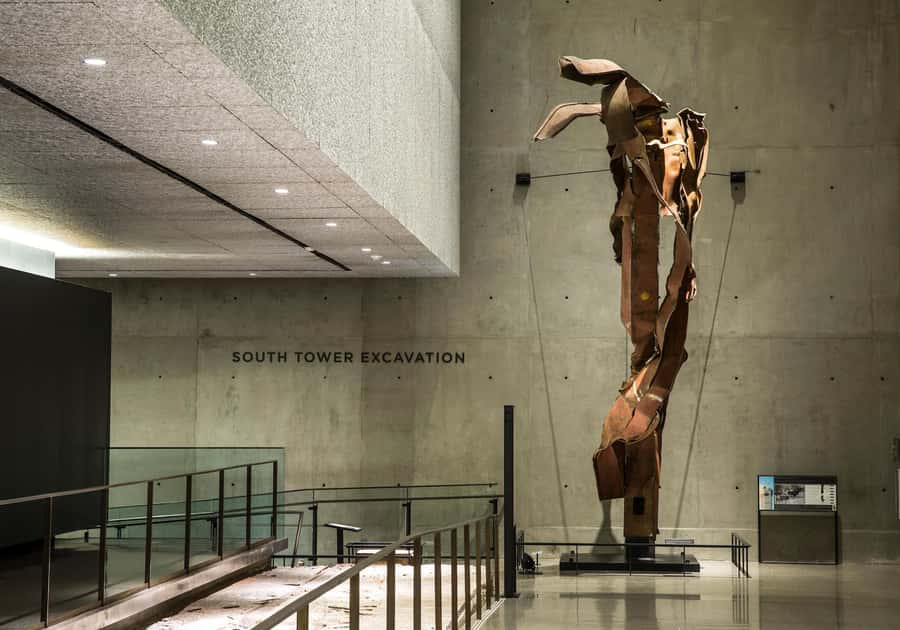
The museum is optional, but if you care about artifacts, multimedia, and deeper context, it’s the best add-on. The tour includes optional timed-entry tickets to the 9/11 Museum, and your guide escorts you to the entrance and gives helpful context before you go in on your own.
Timed entry is the practical piece here. It helps you avoid the frustration of wandering around waiting for admission. The guide’s pre-museum context also matters because the museum experience becomes more “readable” once you know what to look for.
You explore the museum at your own pace after the guided setup. That’s ideal if you want to move fast through some exhibits and spend extra time where something hits you.
One more point: skip-the-line access is mentioned as part of the experience through a separate entrance. Even if you don’t know how much that will matter on your specific day, it usually improves stress levels around a place like this.
Price and value: what $32 buys in a 2-hour, small-group format
At $32 per person, the value is less about “hours” and more about how the experience is delivered. You’re getting an expert local NYC guide, a small-group size capped at 15 guests per tour guide, and structured stops in a sensitive area where a wrong turn or missing context can make the experience harder.
That cap on group size is a big deal here. In a memorial setting, you don’t want to be shoulder-to-shoulder with strangers while trying to process names, symbols, and stories. A smaller group makes the guide’s pacing work better and creates space for questions.
The tour also includes meaningful coverage—St. Paul’s Chapel, Trinity Church, a pause at FDNY Ten House, the reflecting pools, and the Survivor Tree—then continues through the Oculus and One World Trade Center. For a short walk, that’s a lot of “high impact” content without turning it into a marathon.
And if you add the museum, you’re effectively building a two-part experience: guided context first, then self-paced depth. That combination tends to feel balanced rather than overwhelming.
Who this tour fits best (and what might not)
This tour suits you if you want a guided, respectful, story-led walk through Ground Zero and the Memorial rather than trying to figure everything out alone. It’s also a strong option for mixed ages and families because the guide can adjust the story for different needs—one example from past groups includes a guide engaging both a 12-year-old and an 80-year-old with patience.
It’s also listed as wheelchair accessible, which matters in a neighborhood where terrain and crowd flow can be tricky. If mobility needs affect your day, you’ll appreciate that this is designed as a guided walking route rather than a casual stroll.
Where it may not fit is if you’re looking for a purely “light” sightseeing outing. This is a memorial and the topic carries real weight. If you prefer a more detached museum-only approach or you’re on a schedule that won’t allow emotional pauses, you might want to think carefully about whether a guided reflection-focused tour is the right match.
Should you book this 9/11 Memorial & Ground Zero tour?
I think you should book this tour if you want the memorial experience to feel guided, structured, and deeply human. The standout strength is the combination of small-group size (max 15), a local New Yorker guide with a personal connection, and stops that go beyond the headlines—like St. Paul’s Chapel, FDNY Ten House, and the Survivor Tree.
If you’re on the fence about the museum, I’d still lean toward adding it when you can. The guide escorts you and provides context, and then the museum lets you slow down where you need to. That flow usually works well for people who want both story and substance.
If you want one clean rule: book it when you’re ready to walk, listen, and pause. This isn’t a “check the box” experience, and that’s exactly why it’s worth the time.
FAQ
Where is the meeting point for the tour?
Meet your guide in front of the City Hall Subway Station for lines R and W, at the intersection of Warren Street and Broadway.
How long is the Ground Zero and 9/11 Memorial tour?
The tour duration is listed as 2 hours. Starting times depend on availability.
Is the 9/11 Museum included?
Museum entry is optional. The tour offers timed-entry museum tickets if you choose the museum add-on.
Does the tour include skip-the-line access?
Yes. It’s described as skipping the line through a separate entrance, and the museum option includes timed-entry.
Is the tour available in English, and is it wheelchair accessible?
The live tour guide is listed as English, and the activity is wheelchair accessible.
Can I cancel and get a refund?
Yes. Free cancellation is available up to 24 hours in advance for a full refund.