
REVIEW · PARIS
Direct to Musée d’Orsay
Book on Viator →Operated by WORLD PASS TOUR PARIS · Bookable on Viator
The Orsay gate can be chaos. This direct entry option cuts the hassle of ticket-buying and aims to get you inside feeling ready to explore at once. One caution: access can be slowed by ticket-display issues or museum crowd control, so the entry time isn’t a magic wand.
What I like most is the easy, relaxed start—you’re not stuck fiddling at the entrance before you even see the art. And once you’re in, you can take the museum at your own pace, which matters here because the building is part of the experience, not just the walls. My other consideration: at this price point, you should sanity-check whether buying direct from the museum would be cheaper for your exact date.
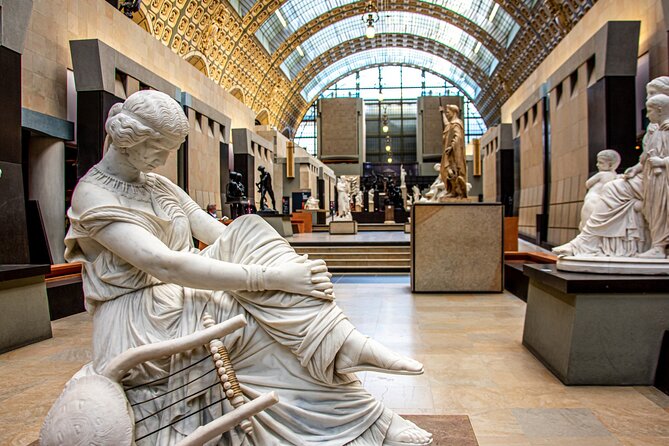
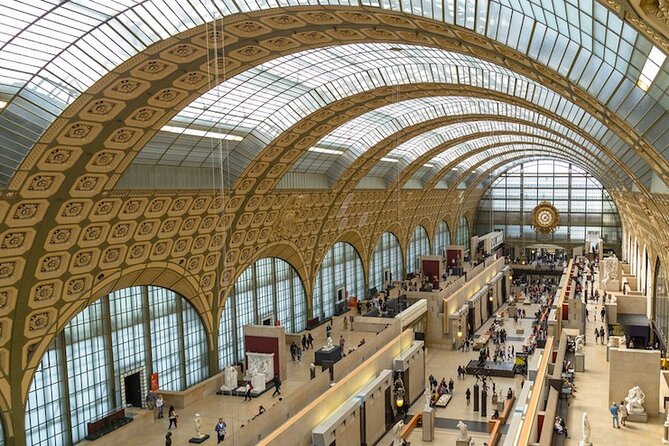
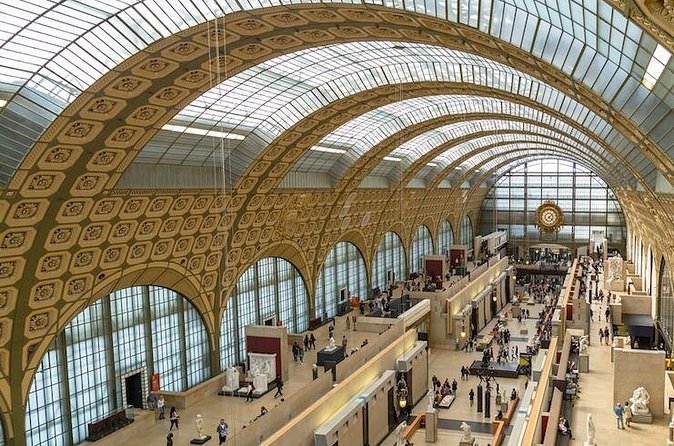
The Musée d’Orsay is housed in a stunning Beaux-Arts railway station building, and that setting helps the collections feel like more than a checklist. You’ll be focusing on 19th and early 20th-century French art, including the kind of Impressionist work that pulls people from across the world. It’s near public transportation, confirmation is provided at booking time, and the overall visit is designed for most travelers.
In This Review
- Key highlights worth your attention
- Musée d’Orsay in one sentence: art inside a former train station
- Price and logistics: what you’re really paying for
- Entering the museum: direct entry and the reality of time slots
- Ticket delivery can be the make-or-break step
- Your Orsay itinerary: a 2-hour self-guided plan that actually works
- Crowds, lines, and what to do when the museum is packed
- Building + comfort perks: free lockers, café, and water
- Common problems to consider before you book
- So… should you book this direct-entry ticket?
- FAQ
- How long is the Musée d’Orsay visit with this ticket?
- How much does this direct entry ticket cost?
- What’s included in the booking?
- Is this a guided tour or self-guided entry?
- Do I get a specific time to enter?
- Where is the experience located?
- Will I receive confirmation after booking?
- Is the meeting point near public transportation?
- Can I cancel or change the ticket?
- What should I do if my ticket doesn’t display correctly on my phone?
Key highlights worth your attention
- Direct entry focus: You’re paying mainly for quicker, smoother entry and less time dealing with tickets at the gate
- Self-guided pace: No need to rush through rooms with a group schedule
- 19th-century French art spotlight: The museum’s core identity is right in your ticket bundle
- Practical on-site wins: Free lockers, a café, and a water fill station can make a crowded day more manageable
- Ticket-display issues can happen: Phone/app/QR retrieval problems show up in real-world feedback, so plan for that
Musée d’Orsay in one sentence: art inside a former train station
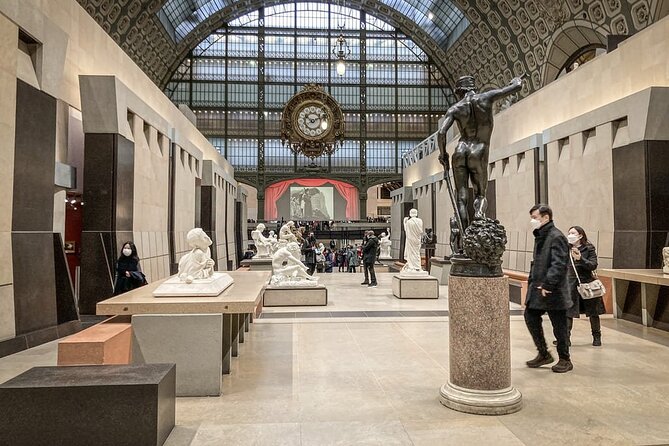
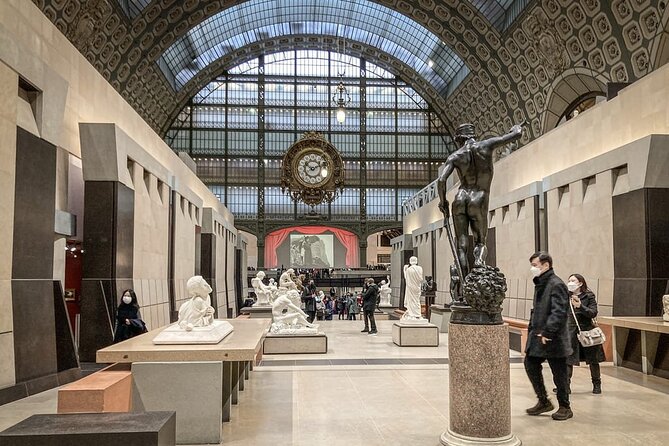
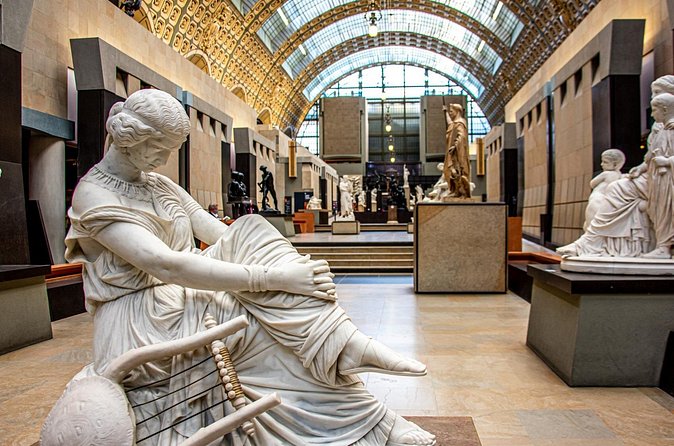
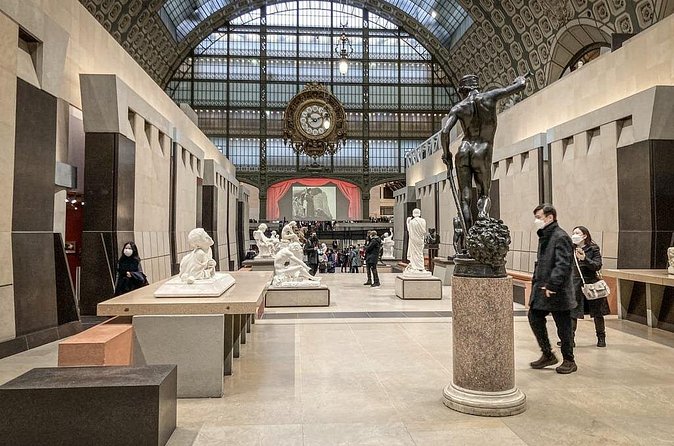
This is one of those Paris museums where the building does half the work for you. The Musée d’Orsay sits in a Beaux-Arts railway station, so the space itself feels cinematic—high ceilings, grand architecture, and big light that makes the collection easier to enjoy. If you’re the type who likes to wander without feeling lost, the museum setup helps.
The big promise here is what the ticket is built around: famous 19th and early 20th-century French art, presented in a way that rewards both slow viewing and focused hits. In practice, that means you can decide whether you want to chase Impressionists immediately or take a calmer route and build your own mini itinerary.
If you’re short on time (and many visitors are), the ticket plan is also designed for a visit that can fit into about 2 hours. That’s not “see everything,” but it’s enough time to get your bearings, enjoy key rooms, and still have room for a break.
You can also read our reviews of more tours and experiences in Paris.



Price and logistics: what you’re really paying for
At $40 per person for roughly 2 hours, this is basically an entry-ticket product. It isn’t a guided tour in the way a classic “follow your guide” experience is. The value is about saving time and friction—getting you into the museum with a minimum of ticket hassle.
Here’s the balancing act: some people report they paid more than the museum’s own pricing or than other operators. So before you book, I’d do one quick comparison for your travel date:
- Check the museum’s official ticket price for the same time window you’re buying
- Compare with other ticket sellers if you’re flexible on exact timing
If your priority is reducing uncertainty at the entrance, this can still be a good buy. Ticket lines at the Orsay can get long, and pre-purchase can feel like buying peace of mind. Just don’t assume this will eliminate every queue moment—museum crowd flow still decides how smooth entry feels that day.
Entering the museum: direct entry and the reality of time slots
The idea is simple: you arrive, you use your admission ticket, and you get inside without the usual ticket-purchase detour. That’s the best-case scenario.
The practical reality from the information provided is that the time you select is not necessarily a guaranteed fast track. The museum controls visitor flow and security checks, and on busy days even ticket holders with a selected entry time can be routed to shared lines. In other words, you’re buying “scheduled entry,” not “instant entry.”
So how do you protect your plans?
- Go early enough that a queue doesn’t wreck your schedule
- Keep your ticket easy to access on your phone before you reach the entrance
- Treat the entry time as a target, not a promise
If you’re trying to fit the Orsay into a tight sightseeing day, I’d also leave buffer time afterward. The museum is large and you will walk more than you expect.
Ticket delivery can be the make-or-break step
A lot of the frustration in the feedback isn’t about the museum. It’s about getting the ticket to work on the day—loading the ticket on your phone, finding it in the right app, or using the correct code format.
Based on the details given, tickets may be delivered or accessed through different channels (for example: the day-of message route, app visibility, and sometimes PDF-style access). There are also mentions of people experiencing trouble loading or retrieving tickets, even with confirmation emails.
This means you should prep like you’re dealing with spotty phone reception:
- Download or access your ticket before you’re standing at the entrance
- Have your confirmation email or proof of purchase available
- If your ticket doesn’t load, be ready for the possibility that you’ll need help checking your booking
One helpful thread in the information is that museum staff may be able to verify entry when you can show valid proof of purchase or see the ticket QR code. Still, verification isn’t something I’d gamble on if your phone is acting up—because it’s the gate, not a quiet office.
Also watch for one more pitfall: a few people reported date mismatches (their voucher showing a different day than what they expected). Before you leave your hotel, double-check the date on what you’ll show at entry.
Your Orsay itinerary: a 2-hour self-guided plan that actually works
Since this experience is built around admission and independent exploring, the itinerary is less about stops and more about how you structure your time once inside.
Here’s a smart 2-hour approach that fits what the ticket is designed for:
1) Start with orientation first
Don’t commit to a full route immediately. Spend a few minutes getting your bearings so you don’t zigzag across the museum when you’re tired.
2) Target the core collection focus
The museum’s identity is 19th and early 20th-century French art. When you see what you came for—especially Impressionist works—it usually hits hardest when you stay longer with fewer paintings rather than speed-scanning everything.
3) Use breaks strategically
If it’s crowded, you’ll enjoy the museum more if you plan a pause. The information provided includes the fact that there’s a café on-site and that free lockers are available for coats. That combo is useful because it reduces clutter and makes it easier to slow down.
4) Add special exhibitions if the timing fits
There’s mention of special exhibition content in the feedback. If you see one running that matches your interests, it’s worth spending extra time there, but don’t let it steal your entire window.
5) Finish while you still have energy
Orsay is big. One comment explicitly warned that the museum is massive and you should be ready to walk. So end your visit while you’re still comfortable, not after you’ve worn yourself out.
This style works especially well if you’re traveling with mixed interests—some people want highlight art, others want to enjoy the building and atmosphere. Self-guided time keeps everyone sane.





Crowds, lines, and what to do when the museum is packed
Orsay can be busy. The good news is that the experience is still doable when you manage expectations.
What I’d plan for:
- Lines can be lengthy, even with pre-purchase
- Crowds can shift where you queue, depending on museum flow
- The museum itself may feel packed but still enjoyable if you keep your goals simple
When you hit a crowd wall, focus on “small wins.” Pick a handful of rooms or artists you care about, then commit to slow viewing. Even in busy conditions, that keeps the visit satisfying instead of stressful.
If your day includes other Paris stops, treat the Orsay as a main event. It’s not the museum to squeeze in at the last minute.
Building + comfort perks: free lockers, café, and water
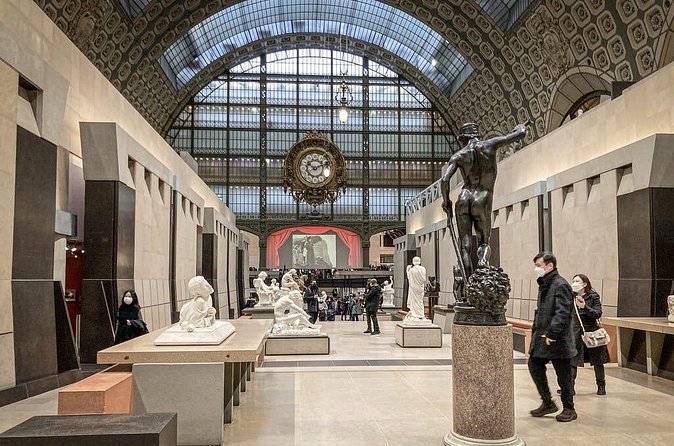
This is one of the more practical museums in terms of comfort. The details in the information provided stand out:
- Free lockers are available inside, which makes it easier to travel light
- The café near the lower level offers inexpensive food, according to the feedback
- There’s a water fill station near the washrooms shortly after the entrance
These aren’t minor details in a museum day. They help you stay hydrated, keep your bag situation under control, and avoid turning your visit into a search for food while your energy tanks.
Also, if the museum is crowded, lockers reduce the physical annoyance of carrying coats. That’s when an “easy ticket entry” becomes an “easy experience,” not just an entry transaction.
Common problems to consider before you book
To be fair: the Musée d’Orsay is wonderful. But this specific type of direct-entry ticket has a downside risk that you should understand before paying and showing up.
Here are the most serious issues that appear in the provided information:
- Ticket retrieval/loading problems on phones (including app/PDF access difficulties)
- Invalid or unworkable tickets reported by some buyers
- Wrong date being shown on vouchers for the visit you expected
- Non-guaranteed timed entry effect, where selected times don’t always mean you avoid longer lines
- Confusion around add-ons: one report says an audio guide expectation didn’t match what the museum would provide
If you hate last-minute tech stress, the safest move is to buy tickets in a way that you can access offline and verify clearly before your departure. If your phone battery is unreliable, bring a backup plan like a power source and keep your proof accessible.
So… should you book this direct-entry ticket?
Book it if:
- You want a simpler entry path and you’re okay managing ticket tech on your phone
- You’d rather spend your effort inside the museum than at the ticket desk
- You’re planning a short visit (about 2 hours) and want a self-guided format
Skip or rethink it if:
- You’re traveling with tight timing and cannot absorb a 1-hour delay at the gate
- Your phone is unreliable for PDFs/apps and you don’t have a good fallback
- You’re the type who prefers to buy directly from the museum to avoid third-party confusion
If you do book, make your success checklist very boring:
- Double-check the date on what you’ll show
- Ensure you can access the ticket before you reach the entrance
- Keep your confirmation/proof of purchase handy
Do that, and you’ll likely get the experience the ticket is meant to deliver: walk in, get your art fix, and enjoy Orsay at your pace.
FAQ
How long is the Musée d’Orsay visit with this ticket?
It’s listed at about 2 hours (approx.).
How much does this direct entry ticket cost?
The price is $40.00 per person.
What’s included in the booking?
An admission ticket to the Musée d’Orsay is included.
Is this a guided tour or self-guided entry?
The experience is set up for you to visit at your own pace, rather than as a guided tour.
Do I get a specific time to enter?
A time of entry is part of the booking, but it is described as not fully guaranteeing immediate access since the museum controls visitor flow.
Where is the experience located?
It’s in Paris, France, at the Musée d’Orsay.
Will I receive confirmation after booking?
Yes. Confirmation will be received at the time of booking.
Is the meeting point near public transportation?
Yes, it’s near public transportation.
Can I cancel or change the ticket?
No. The experience is non-refundable and cannot be changed for any reason.
What should I do if my ticket doesn’t display correctly on my phone?
Keep your confirmation/proof of purchase available for verification. The information provided indicates that issues can relate to device or connectivity, and museum staff may verify once they can see the booking details.