REVIEW · LA ORGANIC
Ronda: LA Almazara LA Organic, Olive Oil Museum and Tasting
Book on GetYourGuide →Operated by LA Organic Experience · Bookable on GetYourGuide
Olive oil gets a whole museum treatment. At LA Almazara LA Organic, you tour the Philippe Starck–designed museum and mill, then take a guided stroll through the farm before ending with an expert-led tasting focused on how oils actually taste. I really like the way the tasting teaches you to find the full bouquet of flavors and tell mild from intense oils without guessing.
One thing to consider: the farm walking is outdoors and not designed for wheelchair users, so bring comfortable shoes and expect uneven ground.
In This Review
- Key things to know before you go
- Philippe Starck’s LA Organic building: why the architecture matters
- Museum + mill tour: from olives to pressing
- Farm walk near Ronda: vegetables, aromatics, citrus, and quince
- Guided tasting: how to detect the bouquet and taste like a pro
- Pressing, bottling, and organic quality: what the 2015 award signals
- Price and timing: is $22 worth 1.5 hours of your day?
- What to bring and what to expect during the walk
- Who this Ronda olive oil tour is best for
- Should you book LA Almazara LA Organic in Ronda?
- FAQ
- How long is the olive oil museum, mill, and tasting experience?
- Where does the tour start and end?
- What languages is the tour offered in?
- Is the tasting included?
- What should I bring with me?
- Is the experience suitable for wheelchair users?
- Is transportation included?
- How many oils will I taste?
- Is olive oil tasting considered alcohol in Spain for age rules?
Key things to know before you go
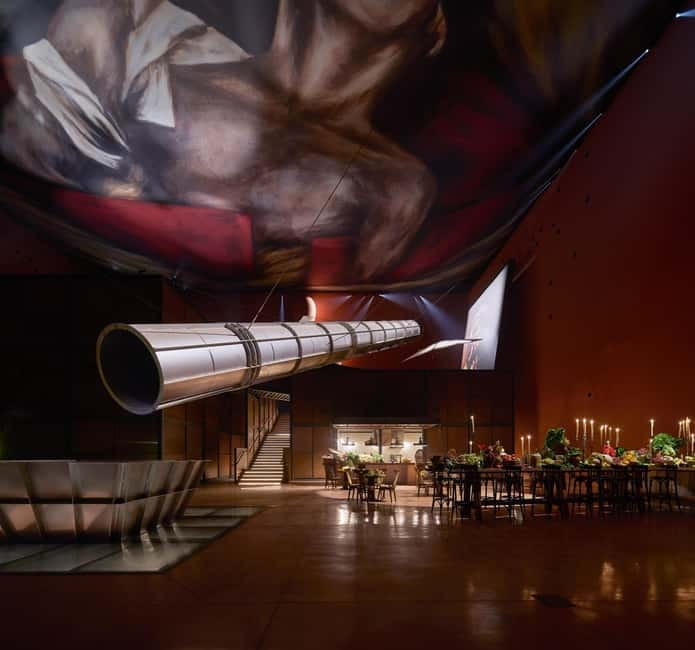
- Philippe Starck design: the museum and mill building make olive oil feel like modern art with real purpose.
- Learn the tasting “language”: you get a guided method for noticing aromas and flavor notes, not just sipping oil.
- Mild vs intense training: you practice how to differentiate oils by intensity, so labels make more sense later.
- Organic farm walk: the walking route passes vegetables, aromatic plants, citrus, and quince trees.
- Pressing and bottling basics: the tour explains how premium organic oil is pressed and packaged.
- Ronda views from the property: vineyards and mountain scenery show up during the farm portion.
Philippe Starck’s LA Organic building: why the architecture matters
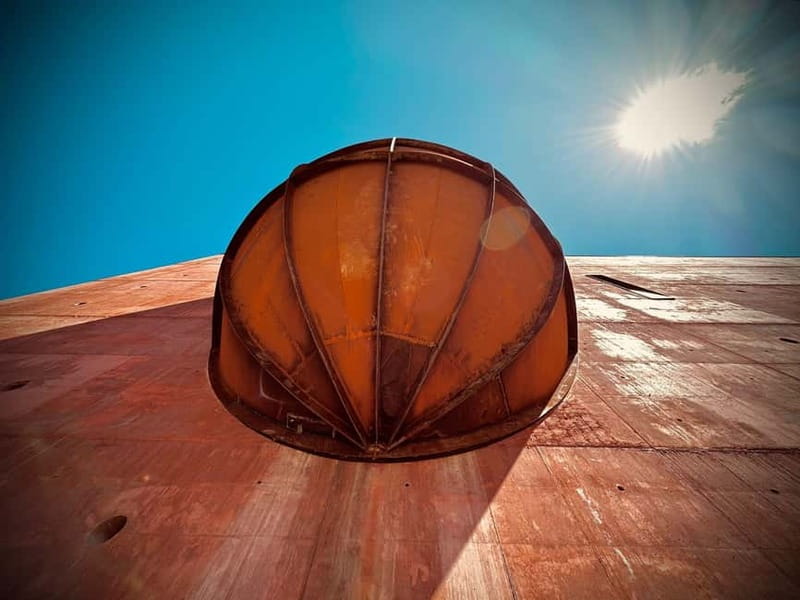
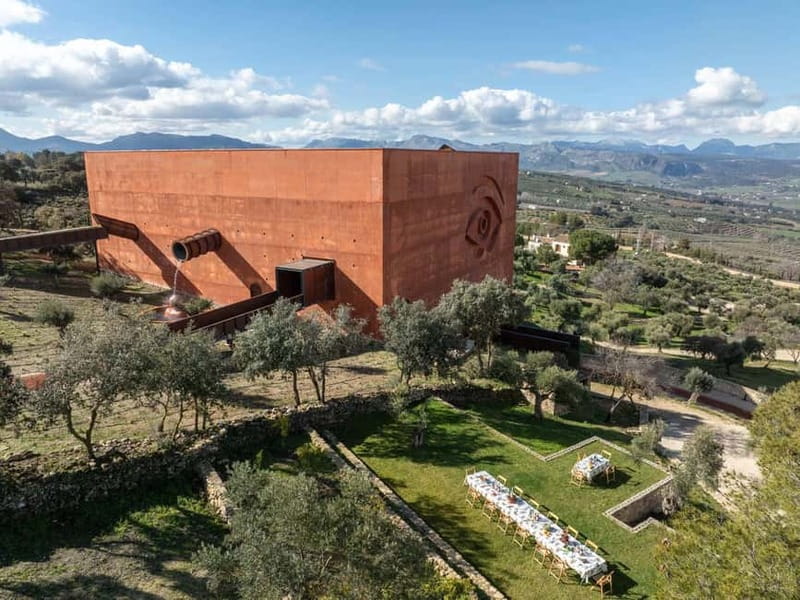
This is not a quiet museum where you shuffle past glass cases. The LA Organic Country House and its olive oil facilities are set up like a gallery—designed by French industrial architect and designer Philippe Starck—but the whole point is to connect the art to the product. You’ll see the structure from the outside, then step inside for the museum portion, and it helps the olive oil story click faster.
I like that the tour doesn’t treat olive oil as a vague Mediterranean lifestyle. It treats it as a real process: fruit from specific trees, harvested and processed, then turned into an oil with measurable character. When the setting looks this bold, you pay closer attention to the details the guide points out—how the milling works, why organic matters, and how tasting should be approached.
Museum + mill tour: from olives to pressing
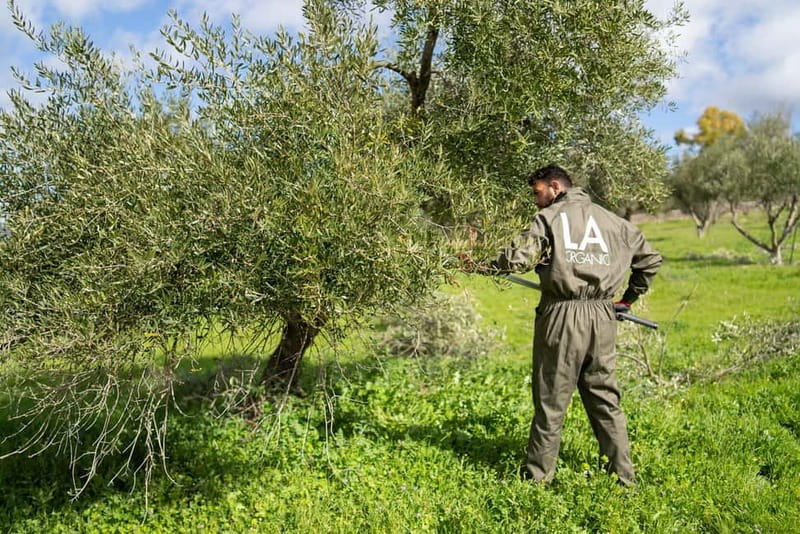
The first part of your experience is the museum introduction. You get oriented with the idea that olive oil isn’t one flavor—it’s a range of aromas and tastes shaped by the olive variety, growing conditions, and how the oil is handled after pressing. The museum portion is designed to give you a practical appreciation before you start tasting.
Then comes the mill visit. This is where the “how” takes over. You’ll walk through the steps that lead from olives to the finished organic extra virgin olive oil—pressing, and how the oil ends up bottled as a premium product. Guides tend to explain what’s happening in plain language, and the best part is that you’re not just watching machinery. You’re building a mental map so that when you later taste, you understand why two oils can feel totally different in your mouth.
A nice bonus from the experience: some tours end with a broader look at reading oil labels and understanding what you’re buying, because once you taste, the label stops being marketing fog.
Farm walk near Ronda: vegetables, aromatics, citrus, and quince
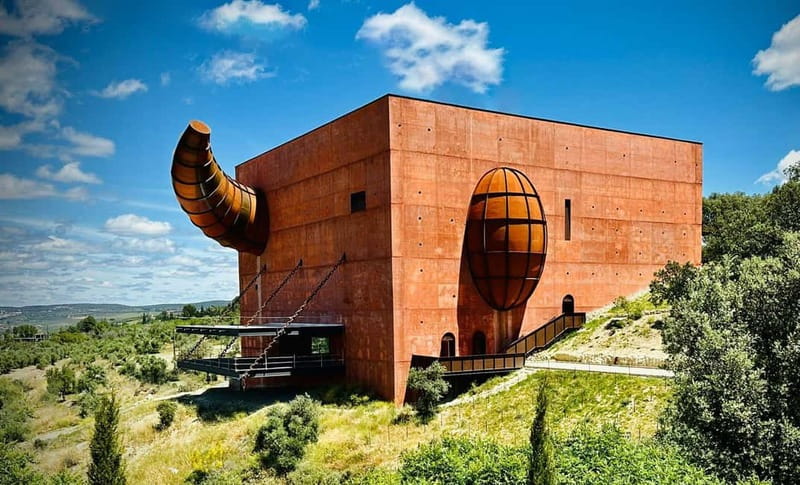
After the museum and mill, the tour moves outdoors on a walking route through the farm. This part is great value because it makes the tasting more grounded. You’re not only tasting oil—you’re seeing the living system that produces it.
On the grounds, you’ll pass vegetables and aromatic plants, along with citrus and quince trees. That mix matters. It reinforces the idea that olive groves aren’t isolated. They sit in a wider landscape of plant life and micro-environments, and organic farming often means thinking about the whole ecosystem rather than just the trees.
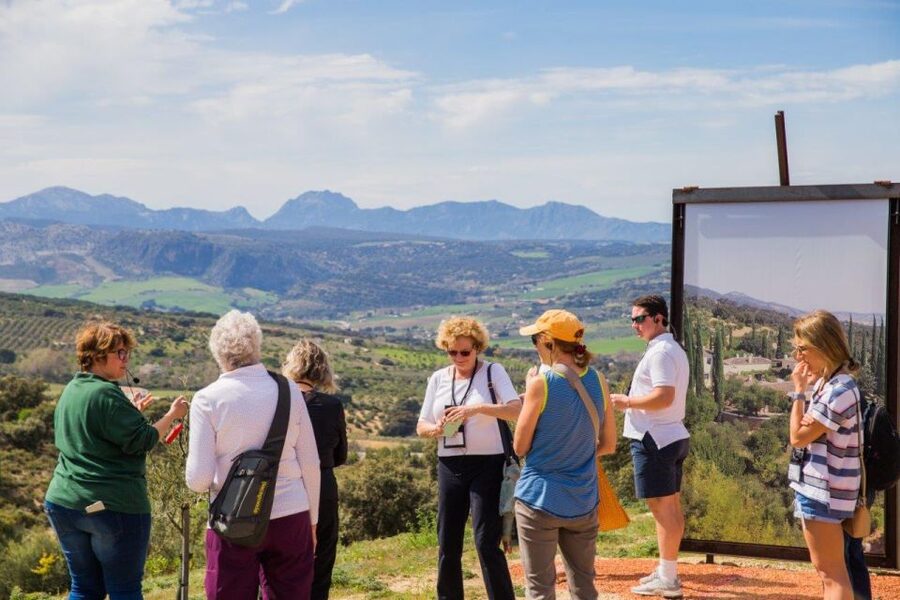
And yes, the view helps. The property includes rolling vineyards with mountain views around Ronda, so you get a little breather between indoor steps and the tasting at the end. The walk is also part of why you should wear comfy shoes and bring water—this isn’t a slow stroll on smooth pavement.
Guided tasting: how to detect the bouquet and taste like a pro
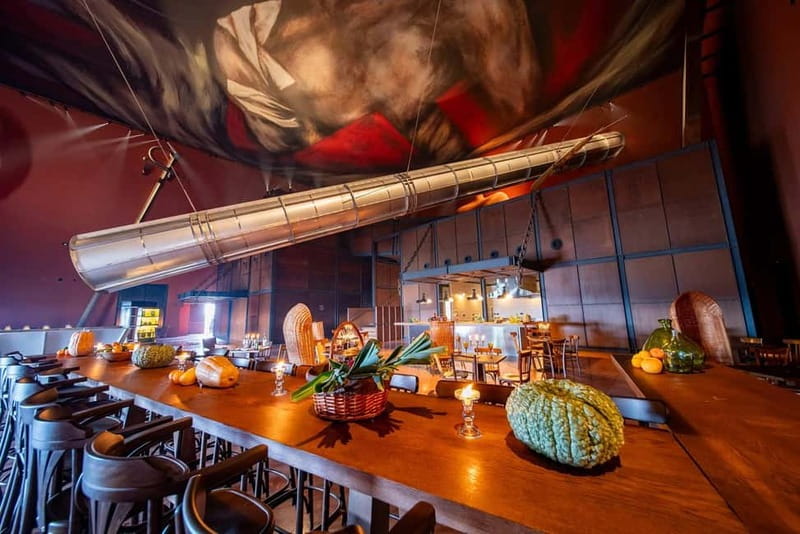
The tasting is the main event, and it’s taught. You’ll learn how to recognize a full bouquet of flavors and how to taste with a guided method. That matters because olive oil tasting can feel awkward if you treat it like wine. This tour steers you toward an approach that’s designed for oil: aroma first, then how it hits your palate, then what linger you notice.
A key lesson is mild vs intense. Instead of calling one oil good and another bad, the guide trains you to describe intensity and character. That’s useful back in your hotel, too, because you can compare oils with confidence rather than just buying the darkest label or the most expensive bottle.
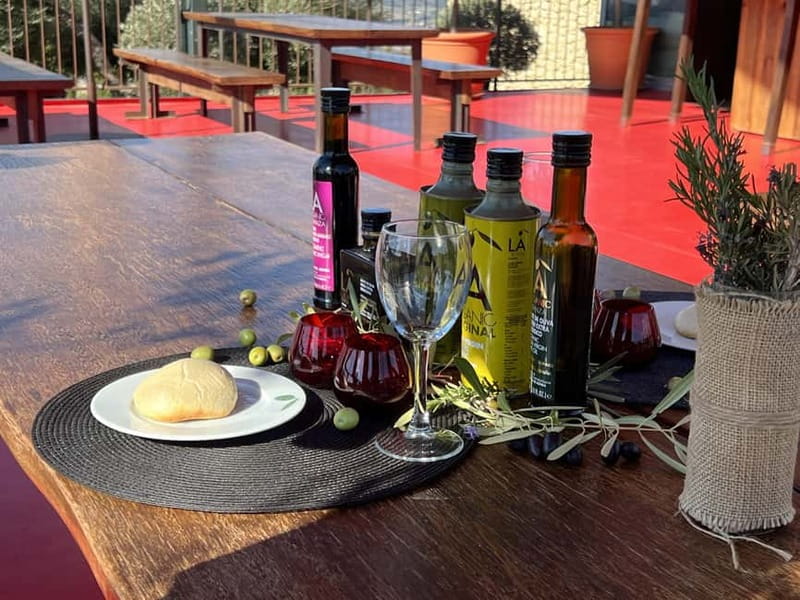
During the tasting, you’ll sample multiple local oils. Some tastings include oils that are pre-poured, with additional oils placed on the table along with bread. Either way, you’re tasting enough to notice differences—enough repetition to learn, not just a quick sip.
What I particularly like is that there’s typically no pressure to buy. The tasting feels like a lesson in how to choose, so you leave more prepared to shop if you want to.
Pressing, bottling, and organic quality: what the 2015 award signals
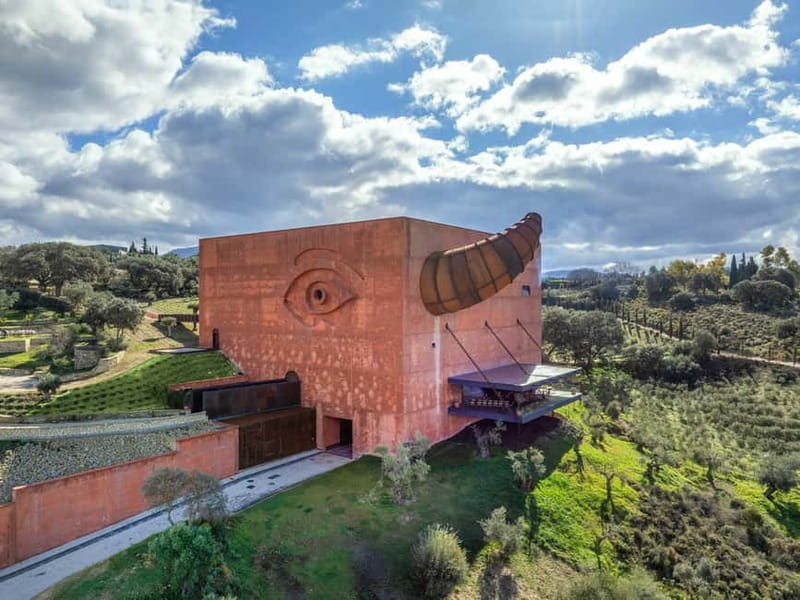
The tour talks about pressing and bottling high-end organic olive oil, including the steps that lead to a final product with strong quality standards. It also references an award for being the best organic oil in the world in 2015, which you’ll hear as part of why they take both farming and processing seriously.
Here’s the practical way to think about that award. It’s not a guarantee that every bottle will taste identical, because nature doesn’t work that way. But it does suggest the operation has been measured and judged at the highest level for organic quality. Combined with what you learn about the process, the award becomes a context clue: they’re not making oil “like everyone else,” and they want you to understand why.
If you care about buying better oil in Spain (or bringing it home), this part of the experience gives you tools. You’re not relying solely on hype. You understand what to look for, and you can taste for intensity, character, and balance.
Price and timing: is $22 worth 1.5 hours of your day?
At around $22 per person for about 1.5 hours, the value is strong if you like hands-on food learning. You’re getting three distinct components packed into that time: museum context, mill/process explanation, a farm walk, and a guided tasting.
It also includes your guide and the olive oil tasting. Transportation isn’t included, so you’ll want to plan how you’ll get to the meeting point outside Ronda.
As for scheduling, it runs at specific starting times. If you’re trying to build a day around Ronda’s busy hours, I suggest booking the earliest slot you can comfortably manage. That way the outdoor walk doesn’t turn into a sweaty end-of-day task, and you still have time afterward to explore Ronda itself.
What to bring and what to expect during the walk
This tour is very practical about what you need.
Bring:
- Comfortable shoes (outdoor farm paths)
- Sunglasses
- Camera
- Water
- Comfortable clothes
The tour isn’t listed as wheelchair-friendly. One reason is simply the reality of outdoor ground on the property.
On the language side, you get a live guide in English and Spanish. In larger groups, guides do switch styles to keep the lesson clear, and the format works well if you want to actually learn, not just listen.
You’ll also want to remember the legal drinking age in Spain is 18. The tasting is part of the experience, so plan accordingly.
Who this Ronda olive oil tour is best for
This is a good match if you want more than a quick factory stop. You’ll enjoy it most if you like learning by seeing and tasting—especially if you want to be able to recognize quality olive oil just by how it smells and tastes.
It’s also ideal for:
- Food lovers who want a skill you can use after the trip
- People who enjoy architecture with a purpose, not architecture for architecture’s sake
- Anyone hoping to buy a bottle and not regret it later
You might skip it if:
- You’re not interested in tasting or learning how to compare oils
- You need fully accessible terrain (outdoor paths can be uneven)
Should you book LA Almazara LA Organic in Ronda?
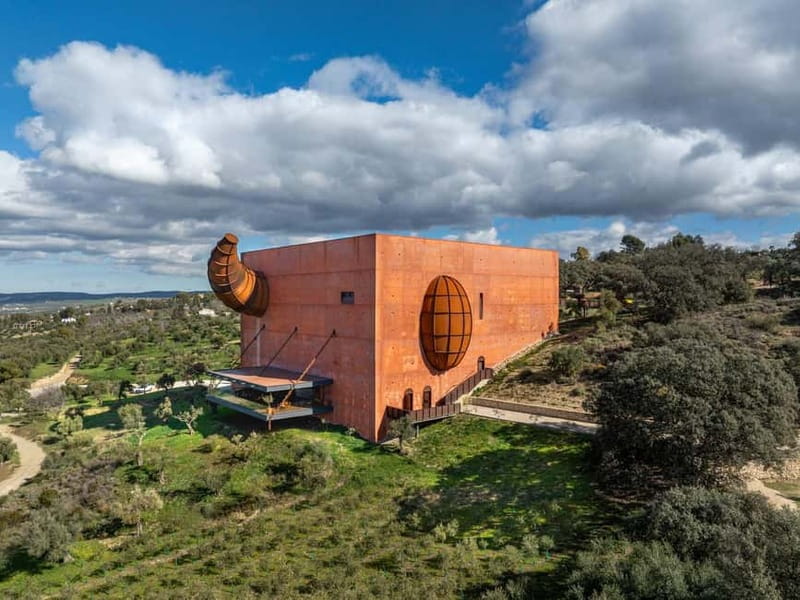
I’d book it if you want a smart, hands-on olive oil experience that doesn’t stay stuck in theory. The Starck-designed museum, the mill process tour, and the guided tasting training in mild vs intense oils make it more than a scenic stop. The price is reasonable for what you get, and it leaves you with practical tasting skills—plus a better sense of what you should look for when you shop.
If olive oil is a big part of your Spain trip (and you’d like to take that knowledge home), this one is an easy yes.
FAQ
How long is the olive oil museum, mill, and tasting experience?
The visit lasts about 1.5 hours.
Where does the tour start and end?
You meet your guide at the LA Organic Country House, and the activity ends back at the same meeting point.
What languages is the tour offered in?
The live tour guide is available in English and Spanish.
Is the tasting included?
Yes. The tour includes a guided olive oil tasting.
What should I bring with me?
Bring comfortable shoes, sunglasses, a camera, water, and comfortable clothes.
Is the experience suitable for wheelchair users?
No, it is not suitable for wheelchair users.
Is transportation included?
No, transportation is not included.
How many oils will I taste?
The tasting is described as a guided session with a variety of fine local oils. Some tastings include two oils pre-poured and two more on the table with bread.
Is olive oil tasting considered alcohol in Spain for age rules?
The legal drinking age in Spain is 18, and you should follow that rule during the tasting.