REVIEW · PARIS
Small-Group Louvre Museum Masterpieces Tour with Access
Book on Viator →Operated by City Wonders Ltd · Bookable on Viator
The Louvre can feel like a maze. This small-group 3-hour route with audio headsets makes the museum’s biggest hits feel workable, and the guide ties each artwork to a clear story; the trade-off is you’ll hit crowds and a fair amount of walking and stairs.
I like that you can choose a morning or afternoon departure, so you can match the Louvre to your energy level instead of squeezing it in last-minute. You’ll meet at the Arc de Triomphe du Carrousel area and use a mobile ticket, with no hotel pickup—easy if you’re already in central Paris.
After the guided portion ends, you get to keep exploring on your own pace. That matters at the Louvre, where you’ll always want more time in the rooms that grab you most.
In This Review
- Key things you should know before you go
- Why this 3-hour Louvre format works
- Meeting at Arc du Carrousel and getting inside smoothly
- The big route: from palace foundations to the Mona Lisa
- Louvre palace origins: medieval foundations and why they matter
- Venus de Milo: the sculpture that stops you cold
- Apollo Gallery: power in the crowns
- Canova’s Psyche and Cupid: love set in stone
- Delacroix: Liberty Leading the People
- Michelangelo in the Italian sculpture halls
- Mona Lisa: the crowd, the mystery, and your strategy
- What the guide actually does for you (and why names matter)
- Headsets, small groups, and the pace you can handle
- Value: what you’re paying for beyond the ticket
- After the tour: how to use your leftover Louvre time well
- Who should book this tour
- Potential drawbacks and how to plan around them
- Should you book this Louvre Masterpieces Tour with Access?
- FAQ
- How long is the Louvre Museum Masterpieces tour?
- Is the tour offered in English?
- How many people are in the group?
- Is the entrance ticket included?
- Does the tour include audio headsets?
- Where do I meet the tour?
- Where does the tour end?
- Is hotel pickup or drop-off included?
- Can I experience delays at the museum entrance?
- Is there free admission for some travelers?
- Can I cancel for a full refund?
Key things you should know before you go
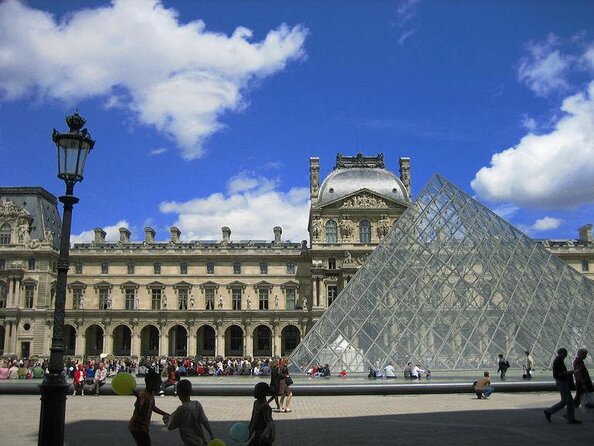
- Small group size (12 or fewer) keeps the route focused and the pace easier to follow
- Reserved access with premium entry helps you avoid starting your Louvre day in a long line
- Audio headsets mean you can hear your guide even in packed galleries
- A highlight-and-context route takes you from the palace origins to the Mona Lisa without overwhelm
- You’re free to roam after the tour so the day doesn’t end when the 3 hours do
Why this 3-hour Louvre format works
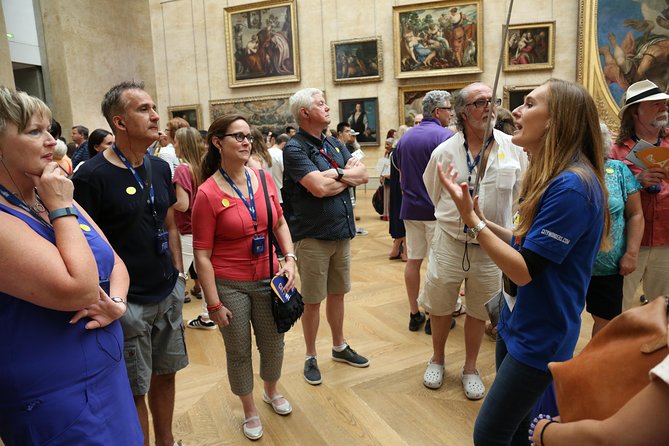
The Louvre is huge. Even when you do the “must-sees,” the museum can still feel like a blur. This tour’s real value is the structure: you get a guided sequence that hits the museum’s most famous works while also giving you a framework for what you’re seeing.
In practical terms, it saves you from the most common first-timer mistake: wandering until your feet are tired and your brain is too busy to notice what matters. With a guide, you look with purpose. And with a small group, you’re not fighting the crowd just to keep up.
The pace is efficient, not rushed-for-rushed’s-sake. You’ll still do real walking—this is the Louvre—but the tour is designed to keep you moving from one major area to the next with context along the way.
You can also read our reviews of more museum experiences in Paris



Meeting at Arc du Carrousel and getting inside smoothly
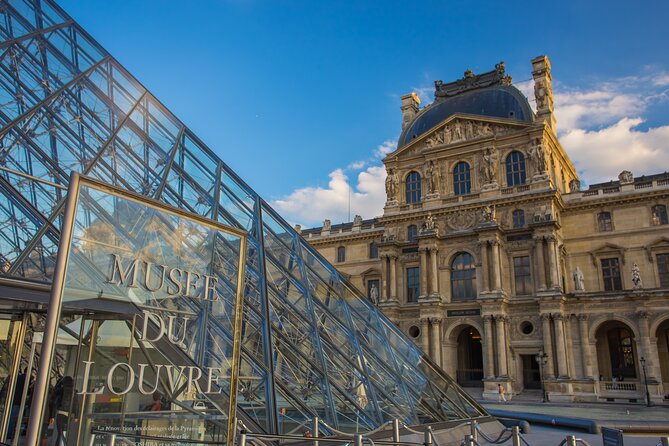
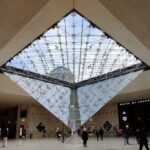
Your tour starts at Arc de Triomphe du Carrousel, Pl. du Carrousel, 75001. The end point is inside the Louvre area at Musée du Louvre (75001). There’s no hotel pickup, so you’ll want to plan transit in advance and arrive with some buffer.
Two things help you start calmly:
- The meeting point is near public transportation, so you can reduce stress on timing.
- Entry is subject to mandatory security checks. Even with reserved access, you may still experience delays.
A smart move: show up early enough to find your guide and get settled before the security flow picks up. One review experience mentioned trouble spotting the tour leader at the meeting spot, so don’t treat the meetup like a quick stop on the way to the gates. Give yourself time to locate the group, then you can focus on the art instead of the hunt.
The big route: from palace foundations to the Mona Lisa
This is a highlights-focused run, with stops chosen to show how the Louvre evolved and how different art styles tell different kinds of stories. Expect a blend of sculpture, painting, and major galleries that connect the museum’s royal past to France’s political moments and Italy’s Renaissance legacy.
Here’s what you should anticipate stop by stop.
Louvre palace origins: medieval foundations and why they matter
You begin by looking at the medieval foundations of this former royal residence. This is a great opening because it turns the Louvre from “a museum building” into something with a timeline. You’ll start understanding why the layout feels the way it does and why royal power is a recurring theme throughout the museum.
Even if you’re more of a modern-art person than a medieval-art person, this first step gives you a map in your head. Later, when you see Napoleon’s and Louis XV’s royal imagery in the galleries, it’ll land with more meaning.
Venus de Milo: the sculpture that stops you cold
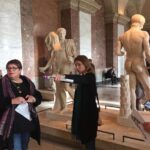
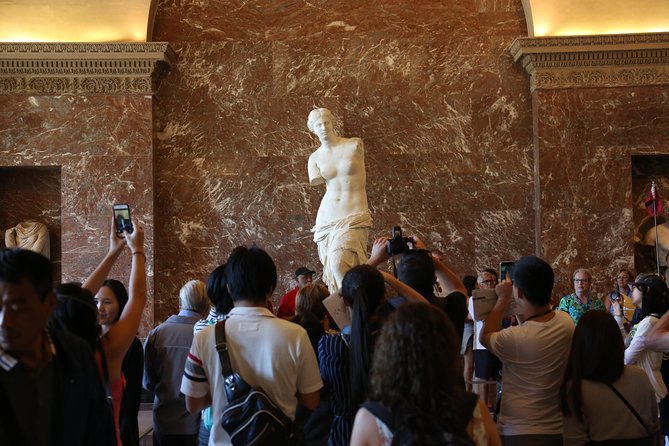
Next comes Venus de Milo. This is one of those artworks that can feel like a postcard until you see it in person. Up close, you notice proportions, posture, and the quiet confidence of the pose.
What I like about starting here is that the tour quickly teaches you how to look. Instead of a long lecture, you get a story hook and then you get time to actually see the details your brain usually skips when you’re rushing through.





Apollo Gallery: power in the crowns
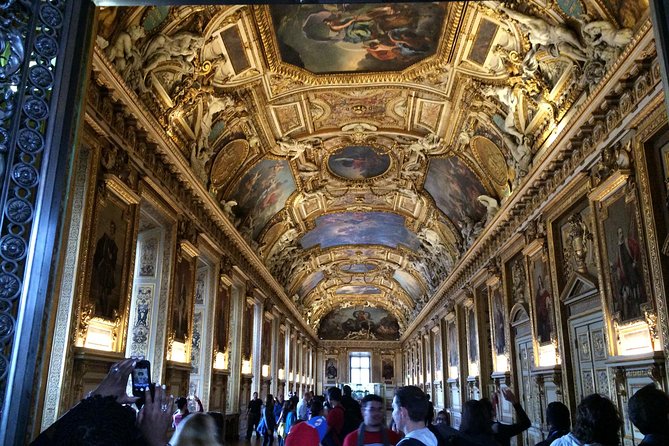
Then you’ll move into the Apollo Gallery, where you can look at ornate royal crowns associated with Napoleon and King Louis XV. This stop is less about romance and more about authority—how rulers used symbols to build legitimacy.
This part makes the Louvre feel like a political stage, not just a warehouse of famous names. It’s also a reminder that art in the Louvre wasn’t always meant for casual browsing. It was part of a world of ceremony, status, and control.
Canova’s Psyche and Cupid: love set in stone
Your tour continues to Canova’s Psyche and Cupid. The story behind the figures gives the sculpture emotional weight, and the “love set in stone” idea makes more sense once you see how the forms interact.
This stop is useful if you worry you’ll be stuck in only the loudest, most crowd-pulling rooms. It gives you a breather and a different kind of attention—slower looking, more noticing of gesture.
Delacroix: Liberty Leading the People
After that, you’ll see Delacroix’s Liberty Leading the People, famous for depicting the French struggle for freedom. Here the guide’s job becomes crucial: translating history into what you’re seeing on the canvas.
This is the moment where many people start connecting the dots between what the Louvre preserves and what it reflects. The painting isn’t just a masterpiece; it’s also a snapshot of a country arguing with itself—and trying to define freedom in visual form.
Michelangelo in the Italian sculpture halls
Next, you’ll reach Michelangelo’s work in the Italian sculpture hall. Even when you’re not a sculpture expert, Michelangelo tends to hit you quickly: you can feel the energy in the forms, and the figures look built for movement even when they’re standing still.
This stop also balances the tour. You get a change from painting to sculpture, from stories of politics to stories of human form and expression.
Depending on the exact route you’re on, you might also encounter other major statues people associate with first-time Louvre visits (like Winged Victory). The key point: the tour aims to keep you from missing the most important anchors while still threading a story through them.
Mona Lisa: the crowd, the mystery, and your strategy
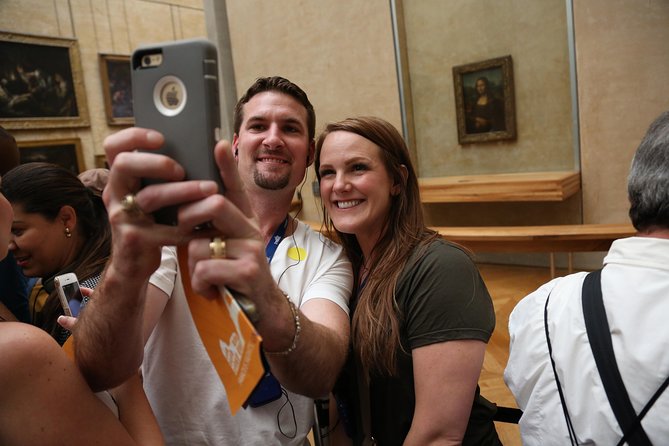
Finally, you’ll reach the Mona Lisa. Yes, there are crowds. That’s part of the experience. But a guided stop helps you avoid the worst kind of staring-by-accident, where you stand in a good position for 10 seconds and then lose it forever.
A good guide also helps you interpret what you’re seeing, which makes the painting feel less like a giant selfie wall and more like an artwork with specific choices. The result is that you’re not just visiting the name—you’re making sense of the experience.
What the guide actually does for you (and why names matter)
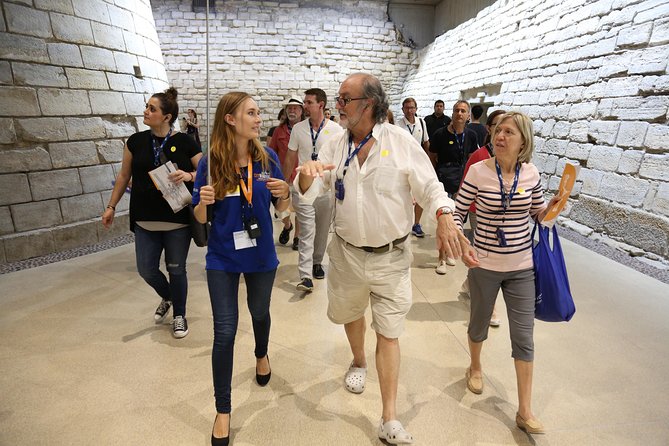
This tour lives or dies on the guide. The best experiences here aren’t only about hitting famous works; they’re about how the guide routes you through the Louvre’s “sea of people” and keeps the story clear.
In real life, the guide style varies, but the common thread in the strongest reviews is:
- clear, easy-to-follow explanations
- active crowd navigation
- pacing that respects different walking speeds
You might encounter guides such as Maryam, Addie, Hamish, Toni, Florence, Nazli, Omar, Maxim, Severine, and others. Even when you don’t get the same route details, the guide’s job is consistent: keep you oriented and help you notice what you’d otherwise miss.
One practical thing worth noting: some guides ask about your walking comfort and help you find benches or alternate routes when needed. If you have mobility limits, tell your guide early. That kind of simple communication can change your entire experience.
Headsets, small groups, and the pace you can handle
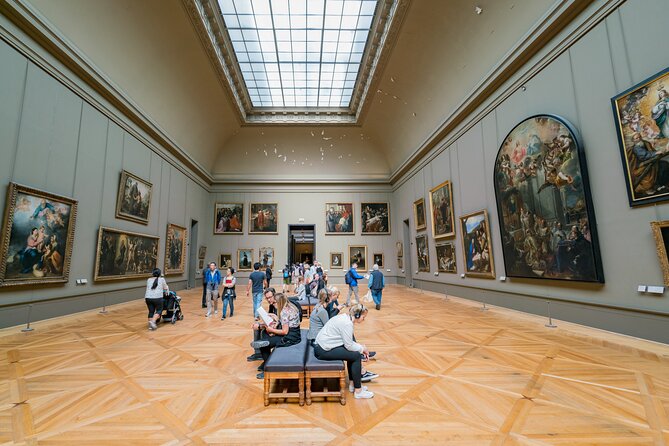
A standout feature is the audio headset. The Louvre is loud in the way museums can be loud—footsteps, groups, echo. Headsets help you hear every explanation without craning your neck or stepping in front of someone else.
The small-group cap of 12 (or fewer) matters more than you might think. It keeps the tour from turning into a moving traffic jam. You get enough space to look at art, and you’re not constantly losing track of where the group is headed next.
There is one caution, based on unusual day-of operations: on rare occasions, groups can be merged and the total number of people can grow beyond what’s promised. If that happens, the experience can feel more group-like and less flexible. The good news is the tour’s core route still aims to show you the major works efficiently.
Also, expect stairs. One important planning point from experiences: there are a lot of stairs in parts of the museum. If you have a bad knee or mobility concerns, plan around it. Bring a sense of patience, and don’t feel shy about moving at your own pace within the group.
Value: what you’re paying for beyond the ticket
At $118.27 per person for about 3 hours, this tour isn’t the cheapest way to do the Louvre. But it’s built around value you can feel immediately: time saved, organization provided, and a guided route through the museum’s top pieces.
Here’s what’s included:
- an English-speaking expert guide
- a small group limited to 12 people or fewer
- a museum entrance ticket for adults (noted as €22)
- audio headsets
- mobile ticket access
And the listing info also indicates a reservation fee is included for the group. In other words, you’re not just buying admission. You’re paying for:
1) a guided sequence through major galleries
2) help navigating crowds and choosing what to see first
3) reserved access that makes your start smoother
If your priority is maximum independence with no structure, you may prefer to do it on your own. But if your priority is learning fast and avoiding the “I saw everything but understood almost nothing” trap, this price starts to look fair.
After the tour: how to use your leftover Louvre time well
When the 3 hours end, you’re free to roam. This is where you turn a highlights tour into your real personal Louvre day.
I recommend you do two quick things right away:
- Pick one or two “extra targets” you want to linger on. This tour tends to focus on major anchors, so your remaining time should go toward what surprised you most.
- Revisit the rooms that felt best earlier. When you return with a bit of context, the museum clicks faster.
Also, consider the crowd rhythm. The Mona Lisa area can be a zoo, but other galleries may feel calmer once your guided group has moved on. If you want the Louvre’s best experience, don’t spend the rest of the day sprinting. Let the museum slow you down in the places that earn your attention.
Who should book this tour
This tour fits best if:
- it’s your first time at the Louvre and you want the key masterpieces without spending your whole day lost
- you want an organized route with stories, not a silent self-walk through thousands of artworks
- you appreciate a small group and better audio clarity with headsets
It’s also a good option if you’re traveling with kids who get bored when walking turns into aimless wandering. One family experience noted that the kids stayed engaged, which makes sense: the tour focuses on famous works with clear, story-driven explanations.
Potential drawbacks and how to plan around them
Be realistic: the Louvre is crowded, and security checks can slow your entry. The tour may still involve waiting, even with reserved access.
Also plan for the physical side:
- lots of stairs in parts of the museum
- long walking time if you continue exploring after the tour ends
Finally, group dynamics matter. The tour aims for 12 or fewer, but on rare operational days, groups can be combined. If you’re someone who hates any chance of a crowd, you might prefer a different format with smaller or more flexible scheduling.
Should you book this Louvre Masterpieces Tour with Access?
If your goal is to see the biggest Louvre works while getting the stories that make them meaningful, this is a smart buy. The combination of a small-group cap, audio headsets, and a tight, high-impact route is exactly what helps the Louvre feel less like an overwhelming blur.
Book it if you like structure and want help choosing your priorities. Skip it only if you want maximum freedom from minute one, or if stairs and fast pacing would be a deal-breaker for you—then you’ll want to compare other options that better match your mobility needs.
FAQ
How long is the Louvre Museum Masterpieces tour?
It runs for about 3 hours.
Is the tour offered in English?
Yes. The tour is offered in English.
How many people are in the group?
The tour is capped at a maximum of 12 travelers.
Is the entrance ticket included?
Yes. Adult entrance to the Louvre is included (noted as €22).
Does the tour include audio headsets?
Yes, audio headsets are included so you can hear your guide.
Where do I meet the tour?
You meet at Arc de Triomphe du Carrousel, Pl. du Carrousel, 75001 Paris.
Where does the tour end?
It ends at Musée du Louvre, 75001 Paris.
Is hotel pickup or drop-off included?
No. Hotel pickup/drop-off is not included.
Can I experience delays at the museum entrance?
Yes. You may experience delays due to mandatory security checks when entering.
Is there free admission for some travelers?
Free admission applies to visitors under 18 and EEA residents under 26, with valid ID and proof of residency.
Can I cancel for a full refund?
Yes. You can cancel up to 24 hours in advance for a full refund.