REVIEW · PARIS
Paris: Rodin Museum Entry Ticket
Book on GetYourGuide →Operated by Paris Odyssey SAS · Bookable on GetYourGuide
A ticket for Rodin turns a normal afternoon into a slow, emotional walk. The Musée Rodin sits in the Hôtel Biron and focuses on Rodin’s most famous works plus the peaceful sculpture garden.
I particularly love how the museum lets you build your own route at your pace, and how the setting feels calmer than many of Paris’s biggest art stops. One thing to consider: it can be warm in the house-like rooms, and parts of the garden may not always be fully open.
You’ll come for The Thinker and The Gates of Hell, then you’ll likely stay for the sheer amount of sculpture—over 6,000 pieces tied to Rodin’s process and experiments. A good drawback check: this ticket does not include a guide or audio on its own, so you’ll either rely on your own reading or plan on adding an optional audio tour.
In This Review
- Key things to know before you go
- Musée Rodin in the Hôtel Biron: what you’re really buying
- The Thinker and The Gates of Hell: where to start (so you don’t miss the point)
- Pacing: how 510 minutes usually turns into a 3–4 hour museum visit
- More than a highlight reel: what the galleries teach you about Rodin
- Camille Claudel’s presence: Rodin’s muse and protégé on display
- The garden sculptures: the calm part of your Rodin day
- Lines, timing, and whether the ticket price is worth it
- Practical rules that affect your comfort (and your photos)
- Accessibility notes: conflicting signals you should check
- Who this Rodin ticket suits best
- Should you book this Musée Rodin ticket?
Key things to know before you go
- Skip-the-line entry through a separate entrance, so you spend less time waiting and more time looking.
- The museum + garden are both part of the ticket, which makes the time feel well used.
- Over 6,000 sculptures show up across rooms and outdoor spaces, so it’s more than just two icons.
- Expect a lot of walking on paths and floors inside and outside—go in with comfortable shoes.
- Photography is allowed without flash, which is great for capturing details.
- Indoor conditions can run hot in some areas, so bring sunscreen and plan for breaks.
Musée Rodin in the Hôtel Biron: what you’re really buying
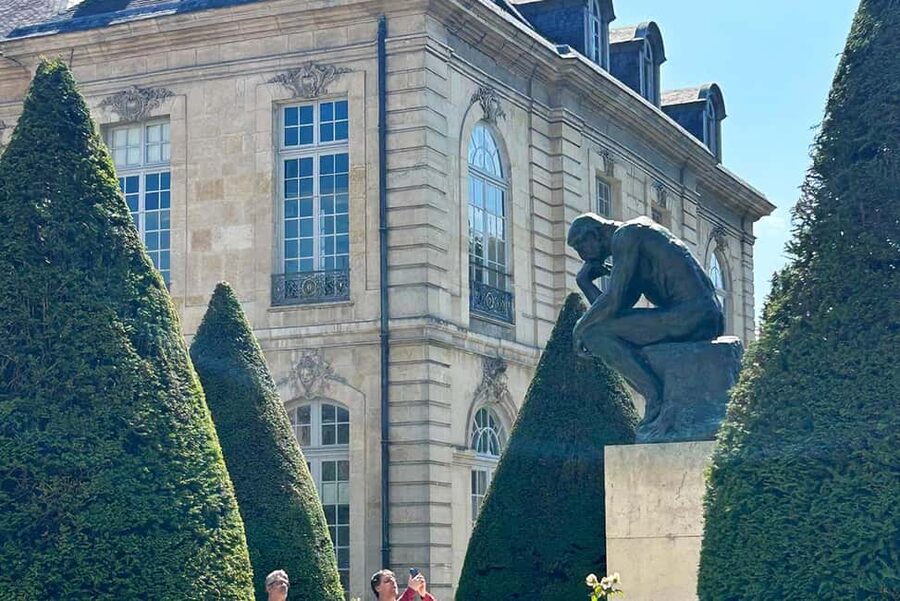
This ticket gets you admission to the Musée Rodin at the Hôtel Biron, plus access to the permanent collections and the garden. That’s the key value: you’re not paying just to see a couple of famous statues. You’re paying to spend time inside a Rodin-focused museum complex where sculptures are placed like they’re part of the architecture—and where the outdoor spaces help you reset between rooms.
The setting matters. The Hôtel Biron has that elegant Parisian feel, but the museum experience is still practical: you can move room to room, then step outside to the garden when you want air and quieter thinking. One review also pointed out that the layout feels mostly outdoors, which helps explain why some visitors find it less crowded than major art museums.
In plain terms, think of this as a flexible afternoon entry into Rodin’s world: galleries indoors, sculpture paths outdoors, and enough material that you can choose how deep you want to go.
A few more Paris tours and experiences worth a look



The Thinker and The Gates of Hell: where to start (so you don’t miss the point)
If you come for Rodin’s headline pieces, plan your first hour around getting your bearings fast. The museum includes Rodin masterpieces such as The Thinker and The Gates of Hell—and the way they’re presented is part of the experience, not just the statues themselves.
A smart approach is to start with the works you came for, then let the rest of the museum “explain” them. Rodin’s famous figures can look simple until you notice the surfaces, the angles, and the emotional intensity. Once you’ve seen the headlines, the surrounding rooms and smaller works make more sense. You start noticing how Rodin built momentum through repetition, variations, and different studies.
If you like to take photos, this is also where you’ll spend time. Rodin’s forms photograph well, but you’ll get better shots by pausing rather than moving quickly. Just remember: no flash photography is allowed, so be ready for natural light and steady framing.
Pacing: how 510 minutes usually turns into a 3–4 hour museum visit

Your ticket is valid for 510 minutes from first activation, which is about 8.5 hours. That sounds huge, but the useful question is how long you’ll actually want to stay.
From the reviews, a common pattern is around nearly four hours for people trying to see everything. That’s believable in a museum where you’ll want breaks between rooms, and where the garden is a real part of the plan—not just a quick exit.
Here’s a pacing idea that works well in this type of museum:
- Start with the main indoor galleries where the big stories and iconic sculptures live.
- Take a full reset outside in the garden before you return for more works and details.
- Use your last hour for whichever area you keep looping back to—Rodin rewards revisiting.
Also keep the closing rhythm in mind. The museum is open from 10:00am to 6:30pm, and the last admission is 45 minutes before closing. If you show up late, you’ll feel it quickly because Rodin is not a museum you rush.
More than a highlight reel: what the galleries teach you about Rodin
The best reason to book this ticket is that it gives you access to a museum collection that’s organized around Rodin’s output—over 6,000 sculptures referenced in the experience description. That scale changes how the artist comes across.
Instead of thinking of Rodin as a statue-maker who produced final products, you start seeing him as someone working through ideas. You encounter examples of his innovative techniques and the emotional energy that appears in both close-up studies and larger compositions. Even if you’re not a hardcore art student, the museum does a good job of showing you how intensity can be built through form.
One practical benefit: because there’s so much material, you can choose your level of attention. If you want to skim, you’ll still catch the major themes. If you want to slow down, there’s plenty to reward you.
And one review mentioned that the museum also includes works by other artists. That’s a bonus if you enjoy comparison, because it helps place Rodin in a wider artistic context without turning the day into a multi-museum sprint.
Camille Claudel’s presence: Rodin’s muse and protégé on display
A standout feature of the Musée Rodin experience is that it honors Camille Claudel, described as Rodin’s muse and protégé, and includes some of her remarkable works. This isn’t a throwaway section. It’s built into the museum’s promise: you’re not only watching Rodin’s personal mythology, you’re seeing a key figure tied to his world and influence.
Why this matters for your visit: if you only come for The Thinker, you might leave with the feeling that Rodin is all about one male genius. Claudel’s works shift the emotional balance. They also add a layer of storytelling that makes your time feel more meaningful, especially if you want your museum day to say something beyond aesthetics.
You can also read our reviews of more museum experiences in Paris






The garden sculptures: the calm part of your Rodin day
The garden is one of the best reasons to pick this ticket instead of a faster photo stop. Reviews called it gorgeous, and the experience description frames it as a picturesque setting where you can admire Rodin sculptures outside.
A big advantage is psychological. Indoors, the museum asks you to look closely. Outdoors, you can shift into a slower rhythm. The light changes. The angles change. Even if you’re photographing, you tend to pause more outside—which makes the sculptures land.
There’s also a practical note from reviews: parts of the garden may be closed off at times. That doesn’t ruin the day, but it does mean you shouldn’t assume every outdoor corner will be available. If outdoor time is a priority for you, leave buffer time so you don’t feel rushed if a section is shut.
And yes, some reviews also mention a cafe on site. Just keep in mind the museum rules say food and drinks are not permitted inside the museum. If you want a break, plan on using any on-site options and then return when you’re ready.
Lines, timing, and whether the ticket price is worth it
At about $23 per person, this ticket sits in the range where value depends on your priorities. You’re not just buying admission. You’re buying time and convenience through skip-the-line entry via a separate entrance, plus access to both the museum and the garden.
One review suggested the ticket could be a bit more than buying directly at the museum and noted that it might be cheaper online. That’s a useful consideration: if you’re the type who enjoys comparing options and you’re not trying to protect a tight schedule, it may be possible to pay less elsewhere. Still, the skip-the-line element can be worth it if you want a smooth arrival.
Another review flagged a ticket-download issue where only one ticket downloaded, which is a reminder to double-check your device before you leave for the museum. This kind of hiccup is easy to avoid, but it can ruin your timing if you’re relying on mobile access at the entrance.
My balanced take: if you want an easy entry and you’d rather spend time in the garden than managing ticket problems, prebooking makes sense. If you’re flexible and you don’t mind normal lines, you can compare costs—but don’t plan on being stress-free if you arrive late.
Practical rules that affect your comfort (and your photos)
This experience is simple, but a few rules and prep items matter a lot.
Bring:
- Comfortable shoes (you’ll be moving across indoor rooms and outdoor paths)
- Camera (photos are allowed)
- Sunscreen
- Water
Plan around these rules:
- No flash photography
- No smoking
- No backpacks or large bags inside
- No food and drinks inside the museum
A quick comfort tip: even if you’re excited, pace your water breaks. One review mentioned the lack of air conditioning in some areas and described it as extremely warm. Fans were not enough for that person, so you should assume indoor rooms can get hot on warm days. Sunscreen and shade time in the garden become more than “nice extras.”
Also, if you’re sensitive to heat, build your route so you spend more time outdoors and in cooler rooms early or late in the day.
Accessibility notes: conflicting signals you should check
The information provided lists the activity as wheelchair accessible. At the same time, it also lists it as not suitable for people with mobility impairments and specifically mentions wheelchair users.
That conflict means one thing for you: don’t assume it’s fully friction-free. If you or a companion uses a wheelchair, confirm details about pathways, entry, and any closed-off sections on the day you go. It’s worth checking directly before counting on an easy route.
Even if you don’t use a wheelchair, keep in mind the experience includes stairs and walking surfaces inside and around the garden, which can be tiring for anyone with mobility limitations.
Who this Rodin ticket suits best
This is a strong choice if:
- You want a museum that rewards slow looking, not speed-walking.
- You love sculptors and want more than a short list of famous works.
- You appreciate outdoor time during your Paris day.
- You’d rather use your own eyes than commit to a guided format.
It’s less ideal if:
- You want a fully guided or narrated experience included in the ticket (guided tours and audio guide are not included on this ticket).
- You dislike walking and outdoor weather changes.
- You have mobility needs and need total clarity on routes, since the provided accessibility notes conflict.
If you’re considering adding an audio tour, one review said the optional audio was high quality and easy to use. Another review questioned whether it was worth the money. So treat it as optional: if you enjoy commentary, it can help connect the dots; if you prefer to read signage and look, you might be fine without it.
Should you book this Musée Rodin ticket?
Yes, I’d book it if your goal is a relaxed, sculpture-focused afternoon and you want access to both the museum galleries and the garden with skip-the-line entry. The price can feel a bit high compared with buying elsewhere, but the convenience and the garden access help justify it—especially if you’re protecting your time.
If you’re heat-sensitive, wear breathable clothes, plan extra breaks outside, and bring sunscreen and water. And if you rely on accessibility accommodations, confirm route details before going, because the information provided is mixed on suitability for wheelchair users.
If your schedule allows, come earlier in the day so you can enjoy the garden without feeling rushed. Rodin is the kind of art where the best moments often happen when you slow down, then look again.