REVIEW · MADRID
Madrid: Nomad Immersive Museum – De Monet a Kandisky
Book on GetYourGuide →Operated by Nomad Museo Inmersivo · Bookable on GetYourGuide
Art that changes when you move. At Nomad Museo Inmersivo in Madrid, you follow the shift from Impressionism to Expressionism through HD projection, digital animation, and sound. I really like the way the exhibition turns art history into something you can react to, not just read about.
The VR glasses and the hands-on moments (like the iris photo and the giant brush activity) are the kind of extras that make it feel personal. One thing to watch: it is more show than traditional gallery, so if you’re expecting lots of still artworks and a long museum crawl, the pacing may feel short or uneven.
In This Review
- Key things to know before you go
- From Monet to Kandinsky: the art storyline you actually feel
- VR glasses and the infinite corridor effect on your sense of space
- Taking a photograph of your iris: why this moment works
- The 40-minute moving show: projections, sound, and rhythm
- Giant brushes and winter wonder scenery: the playful finish
- Price, time, and who gets the best value from $22
- Getting there and using the onsite flow (without stress)
- Should you book Nomad Museo Inmersivo in Madrid?
- FAQ
- How long is the experience?
- Where do I check in?
- What’s included in the ticket?
- Is transportation included?
- What languages are available during the experience?
- Is there an English-speaking host or greeter?
- Is the venue wheelchair accessible?
- Are there different starting times?
- Is the ticket refundable if I change plans?
Key things to know before you go
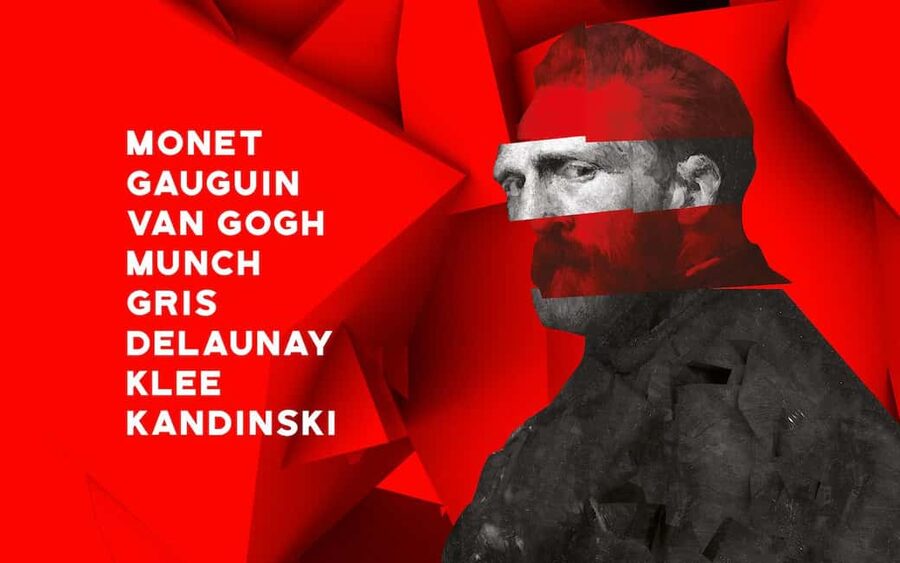
- Monet to Kandinsky story arc: Impressionism, Pointillism, Post-Impressionism, Cubism, Expressionism, plus artists including Monet, Gauguin, Van Gogh, Munch, Gris, Delaunay, Klee, and Kandinsky.
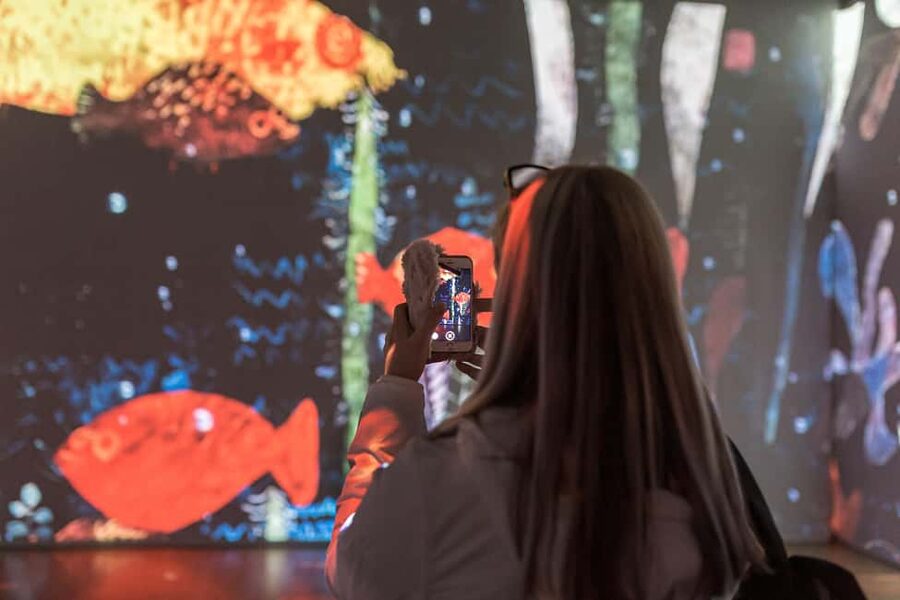
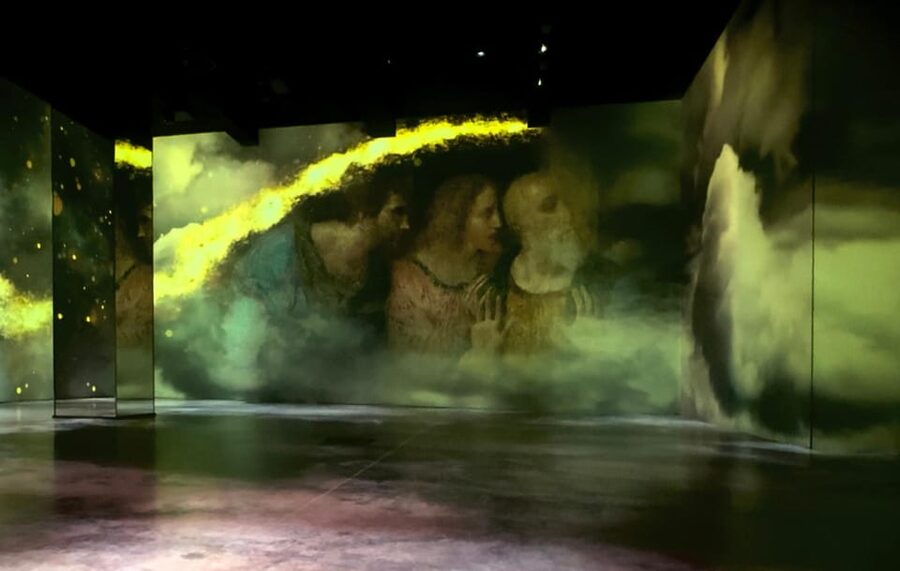
- HD projections meet music: for 40 minutes, the works move, glow, expand, and pulse to the rhythm of the soundtrack.
- VR headsets + special “space” effect: you’ll challenge your perception through VR and the infinite corridor moment.
- Interactive portrait moment: you take a photograph of your iris as part of exploring your own “intimate world.”
- Hands-on brush activity: you get giant brushes to help paint a winter wonder scenery.
- Plan for quiet during the main show: one review called out that voices and walking in front of the screen can distract people who want focus.
From Monet to Kandinsky: the art storyline you actually feel
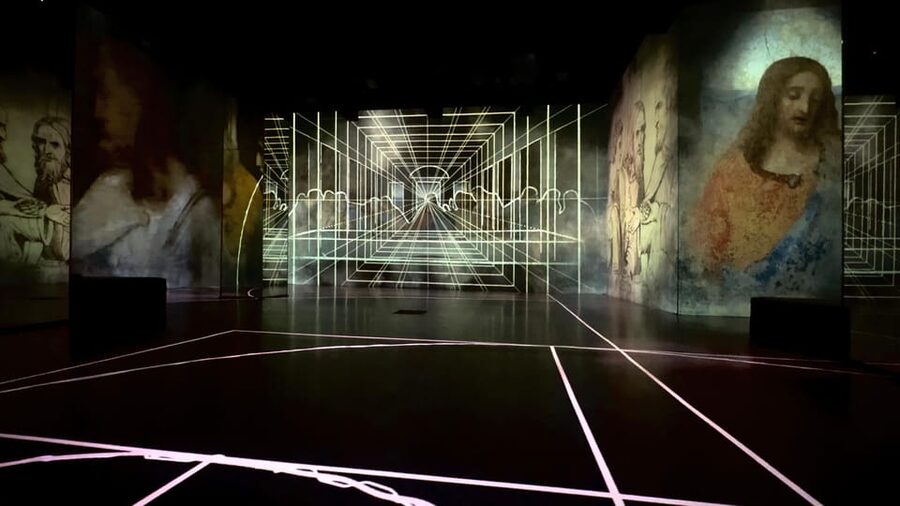
This is a one-day ticketed experience built around a clear evolution of ideas. You move through big movements that changed how artists looked at everyday life: capturing light and fleeting moments, then leaning into intense emotion, and eventually breaking with traditional ways of representing reality.
What makes it work for most people is the structure. The exhibition is divided into chapters that guide you from the real world toward abstraction—basically, from copying what’s in front of you to creating worlds of your own. The show names the artists you’re meant to recognize, and the visuals are designed to respond to them: projections, digital animation, and an enveloping sound design that makes the room feel like part of the artwork.
If you love art history but hate reading walls of text, this setup is built for you. Instead of standing still and staring at one canvas, you experience the transition between styles as a sequence of environments and moods.
If you’re more of a “show me the painting details” person, keep your expectations balanced. This experience is focused on transformation and sensation more than close-up study of brushwork.
You can also read our reviews of more museum experiences in Madrid



VR glasses and the infinite corridor effect on your sense of space
The highlights list VR glasses as a core part of the experience, and the show leans into perception tricks. You don’t just watch scenes—you step into them through virtual reality moments designed to shift how you see space and distance.
One of the standout set-pieces is described as the infinite corridor. Even if you don’t know the art theory behind it, the concept is simple: the visuals push toward endlessness, and your brain tries to measure the room while the show refuses to behave like a normal hallway.
This is where the experience becomes fun, especially if you like interactive media. It’s not a technical VR game like you’d play at home; it’s more like a guided artistic moment. Still, the payoff is real. You’ll likely come out feeling you understand why the artists moved away from realism—because your own viewpoint is being challenged in real time.
Practical tip: keep your space awareness in mind. If the show asks you to look at a screen or follow a focal area, it’s worth staying still when you can. That same idea came up in a review that specifically warned that passing in front of the screen can be distracting.
Taking a photograph of your iris: why this moment works
One of the more memorable highlights is your iris photograph. The show frames it as exploring your most intimate world, which makes sense in a conceptual way: as art breaks from literal representation, it often turns toward perception—how we see, how we interpret, and what becomes personal.
So instead of only consuming imagery, you’re part of the visual language. It’s a simple activity, but it changes your role. You’re no longer just a spectator of Monet to Kandinsky; you’re a participant whose image can connect to the theme of perception.
This moment also helps the exhibition feel less like a single long video. Even people who think the format is short can usually appreciate that at least some parts are interactive and personal, not only passive viewing.
The 40-minute moving show: projections, sound, and rhythm
The center of gravity here is the 40 minutes where the masterpieces move, breathe, and surround you. The exhibition uses HD projections and digital animation so the works merge, glow, expand, and pulse to music.
That detail matters. The show is designed so the timing isn’t random. The rhythm of the soundtrack is part of the “how,” not just the “what.” This matches the whole artistic shift described in the exhibition: artists wanted to unite painting, music, and emotion into one experience.
What you should expect during this phase:
- You’ll be in a more focused viewing mode rather than hopping between activities.
- The soundscape is meant to wrap around you, so it’s not ideal to treat it like background media.
- The pacing is concentrated. Many of the concerns people raise about the experience being short usually come from people arriving expecting a long gallery, not a single strong projection session.
This is also the part where quiet helps. One review noted that the experience requires silence and concentration and that voices from parts of the audience can disrupt the atmosphere. If you want the best version of this show, arrive ready to listen and watch, not ready to chat.
Giant brushes and winter wonder scenery: the playful finish
After the main projection sequence, the experience doesn’t end with another art lecture. You’ll get hands-on fun with giant brushes and help paint a winter wonder scenery.
This part is listed as a highlight for a reason: it gives you a break from screens and VR and swaps “watching art” for “making something inspired by art.” It’s also where the experience can feel most accessible. Even if abstract art isn’t your thing, painting with a large brush is a quick way to participate.
That said, it’s also one reason the experience doesn’t land equally for everyone. One review described the post-show activities as similar to coloring, and that’s a fair heads-up: if you’re expecting another major projection chapter, you might feel the energy shifts into something more casual.
You can handle that expectation easily: treat the hands-on stage as the playful epilogue, not as another main attraction. If you go in with that mindset, you’ll likely enjoy it more.



Price, time, and who gets the best value from $22

At about $22 per person for a 1-day ticket, the value question comes down to what you want from art in the first place.
Here’s the honest math in plain terms:
- You’re paying for an art concept presented with technology (VR glasses, HD projections, sound design) and interactive moments (iris photo, giant brush activity).
- You’re not paying for a traditional museum route full of static works and long viewing time.
So the best match is:
- You like multimedia shows and want art history explained through experience.
- You enjoy interactive moments even if the core is a projection-based sequence.
- You’re open to seeing the shift from realism to abstraction as something you can feel, not only something you can read.
The weaker match is:
- You want a long visit with lots of time close to paintings.
- You prefer quiet study over guided staging.
- You’re strongly sensitive to distractions like noise during the main show (because the experience works best when the audience stays focused).
Duration-wise, remember the 40-minute moving masterpiece is a key anchor. If you only want the projection, you’ll still need enough time for the VR/interactive portions before and after. That’s why choosing the right starting time slot matters—this is a schedule-based experience, not a drop-in gallery.
Getting there and using the onsite flow (without stress)
Transportation isn’t included, so plan how you’ll reach Madrid on your own. Once you’re there, your job is simple: show your ticket at the reception to the Nomad Museo Inmersivo.
Because it is scheduled (it’s valid for 1 day and starting times depend on availability), I suggest you pick your slot based on your energy level. The main show is concentration-heavy. If you’re arriving right after a long day of walking, you might enjoy the VR and hands-on parts more than the projection, which is a shame because that’s where the show peaks.
Also, keep an eye on room etiquette. If the show asks for focus, it helps to follow it. In this kind of projection + sound environment, a chatty group or someone stepping in front of the screen can ruin the experience for everyone nearby.
Should you book Nomad Museo Inmersivo in Madrid?
Book it if you want art history with motion: a Monet-to-Kandinsky storyline, VR perception play, and a 40-minute main show where the music drives the visuals. It’s especially worth it if you like modern presentation formats and you’re traveling with someone who enjoys interactive experiences.
Skip it (or at least reconsider) if you’re only interested in traditional, quiet gallery time and you expect to spend a long period studying many still artworks. Since the format is show-based, the experience may feel short for people who want the museum version of art viewing.
If you’re not sure, choose based on your attention style: if you can settle into silence for the main projection, you’ll likely have the best outcome.
FAQ
How long is the experience?
The activity is listed as lasting 1 day, with the main moving projection portion running for 40 minutes.
Where do I check in?
Show your ticket at the reception to Nomad Museo Inmersivo in Madrid.
What’s included in the ticket?
Your ticket includes the Nomad Immersive Museum entry.
Is transportation included?
No. Transportation is not included.
What languages are available during the experience?
The experience offers Spanish and English.
Is there an English-speaking host or greeter?
Yes. The host or greeter language is listed as Spanish and English.
Is the venue wheelchair accessible?
Yes, it is listed as wheelchair accessible.
Are there different starting times?
Yes. You’ll need to check availability to see starting times.
Is the ticket refundable if I change plans?
No. The activity is non-refundable.
![Frida Kahlo VIP [Museum Tickets Included] Walk, Markets & Churros - Plaza de la Conchita: church shade, cobblestones, and the quiet Frida feel](https://cdn.museumtravelguide.com/wp-content/uploads/frida-kahlo-vip-museum-tickets-included-walk-markets-churros-400x267.jpg)