REVIEW · OSWIECIM
Auschwitz-Birkenau: Museum Entry Ticket with Guided Tour
Book on GetYourGuide →Operated by LegendaryKrakow · Bookable on GetYourGuide
Auschwitz is hard to describe, and that is exactly why this tour matters. This Auschwitz-Birkenau Museum Entry Ticket with Guided Tour pairs skip-the-line entry with an authorized English-speaking guide, so you’re not left trying to piece everything together on your own. You’ll use your own transport to get there and back, then meet your guide at the visitor center.
I especially like the headsets, which help you hear clearly even when the group stretches out. I also like that the visit is built around two key areas: Auschwitz I and Auschwitz II-Birkenau, with the guide bridging the story between the sites.
One drawback to plan for: the pace can feel tight, and your time slot can shift (the tour provider notes timing can change by a lot, up to 4 hours). Come ready to move through a heavy, structured experience without expecting a slow stroll.
In This Review
- Key Things That Make This Tour Worth Your Time
- Ticket + Guide: What This Format Really Does for You
- Getting to the Visitor Center and Meeting Your Guide
- Auschwitz I: Entrance Gate, Barracks, and the Ground You Walk On
- The 30-Minute Break: When You Need Space
- Auschwitz II-Birkenau: The Railway, Ruins of Gas Chambers, and What Lingers
- Pace, Crowds, and Language: The Real-Life Tradeoffs
- What You’ll See: The Main Stops People Plan Around
- Who This Tour Fits Best (and Who Should Rethink It)
- Price and Value: Is $52 a Good Deal Here?
- Should You Book This Auschwitz-Birkenau Guided Ticket?
- FAQ
- What does the tour include?
- How long is the tour?
- Where do I meet the guide?
- Do I need my own transport?
- Is the guided tour in English?
- What should I bring and wear?
- Are there restrictions on bags and luggage?
- Is this tour suitable for children and mobility needs?
Key Things That Make This Tour Worth Your Time
- Skip-the-line entry that gets you past the ticketing bottleneck fast
- Headsets so you don’t lose the guide’s words in larger groups
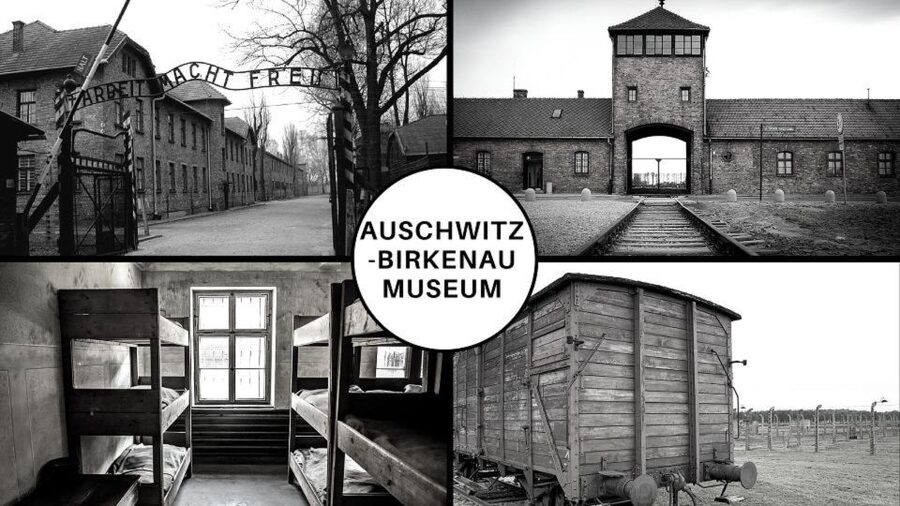
- Auschwitz I focus (about 105 minutes) including the entrance area, barracks, and camp grounds
- Auschwitz II-Birkenau focus (about 75 minutes) along the railway and toward the gas chamber ruins
- A guided break (about 30 minutes) so you can reset without getting separated
Ticket + Guide: What This Format Really Does for You
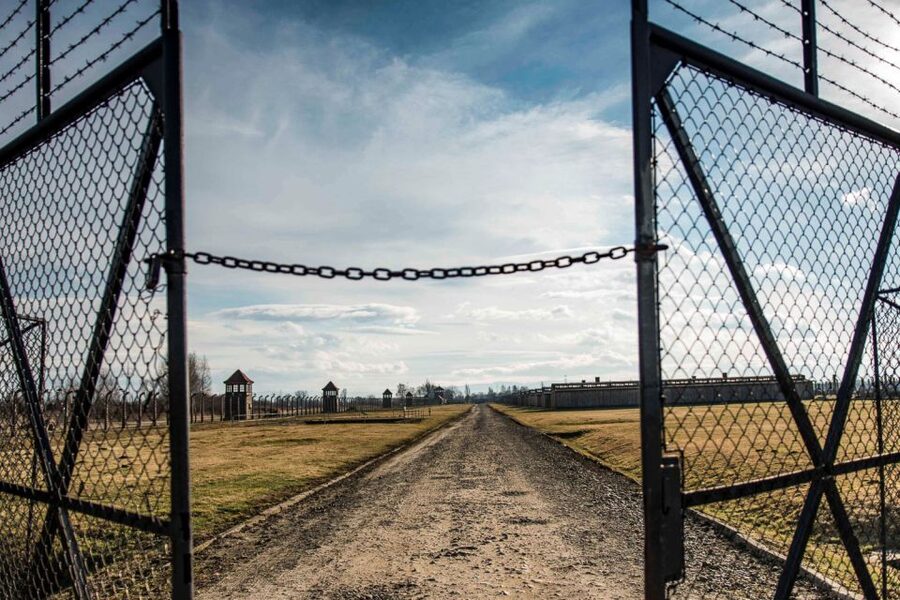
This is not just a ticket you hold in your pocket. It’s a guided visit that’s designed to keep the story coherent across both Auschwitz I and Auschwitz II-Birkenau. That matters because these places are physically connected by history but separate in layout, atmosphere, and what you’re seeing.
What you get for your $52 per person price is the practical stuff that saves stress on-site: skip-the-line entry, a live group guide, and headsets. You still handle your own transportation to and from the memorial. In other words, you’re paying mainly for interpretation, structure, and time-efficiency once you arrive.
The biggest value for me is the headset setup. When you’re walking, the distance between you and the guide can grow. With headsets, you’re not constantly craning your neck or giving up on what’s being explained. It turns a potentially frustrating group walk into something you can actually follow.
The tour is listed at 210 minutes total, but the memorial service determines pace and time on the ground. The provider also warns that timing is approximate and may shift by as much as 4 hours, so you’ll want a flexible day plan.
Getting to the Visitor Center and Meeting Your Guide
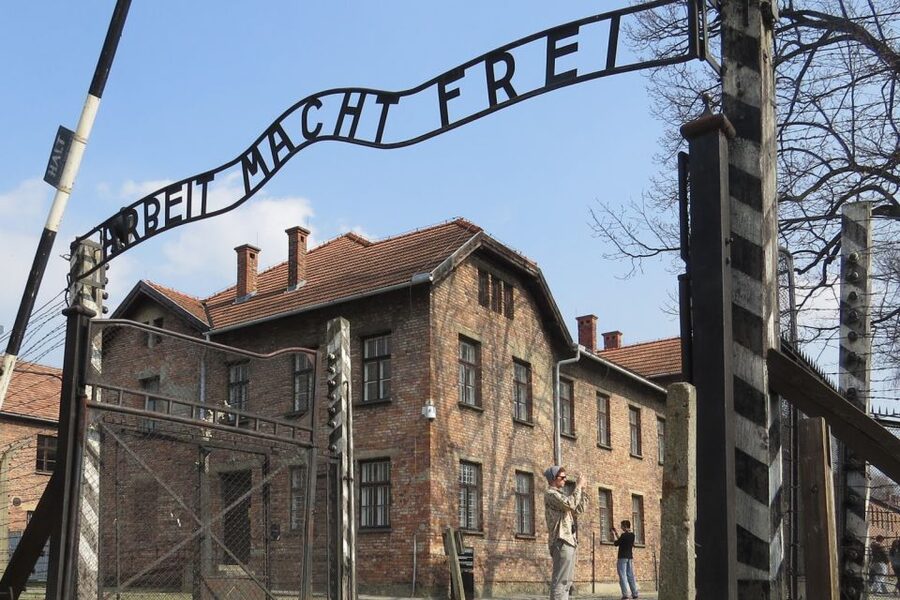
Plan to arrive at the Centrum Obsługi Odwiedzających Muzeum Auschwitz-Birkenau, the Auschwitz-Birkenau Museum Visitor’s Center. Your meeting point is at the visitor center area, looking for information boards right by the gate leading to the parking.
Because you’re using your own transport, you control one big variable: your arrival time. That matters here because the experience is structured by entry windows and on-site scheduling. If you’re late, you may end up stressed rather than ready.
Also plan for name matching. The memorial requires you to provide your full name and contact details when booking, and your names need to match your ID or passport exactly. If you try to fix this late (or if your ticket name differs from your document), you can risk being refused entry. It’s not the moment you want to be double-checking paperwork.
Before you go, read the dress and bag rules too, because they affect how smoothly you’ll pass through entry:
- Bring an ID or passport and comfortable shoes
- Avoid shorts, sleeveless shirts, and any large bags
- Keep luggage and bags within 30 x 20 x 10 cm
- Don’t bring weapons or sharp objects
If you travel with a larger bag, you’ll need to adjust plans ahead of time. Trying to solve it at the entrance is a fast way to waste energy.
Auschwitz I: Entrance Gate, Barracks, and the Ground You Walk On
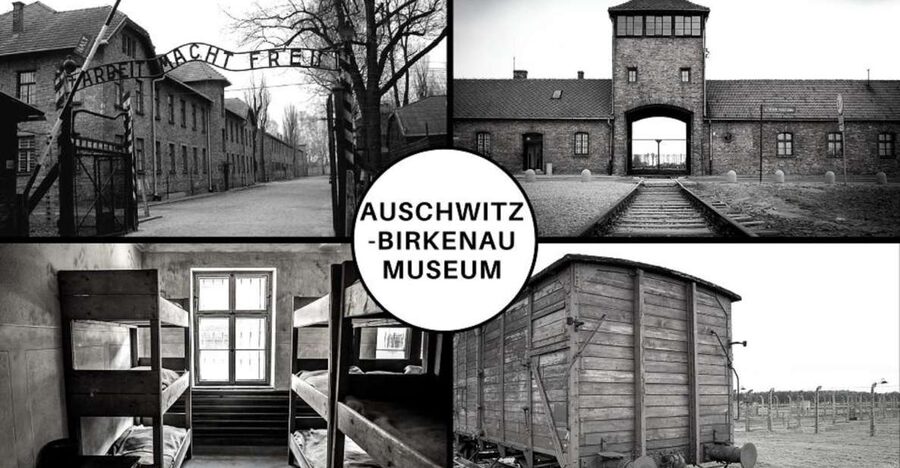
Your guided walk begins in Auschwitz I, the original camp area built in 1940 in the suburbs of Oswiecim. Expect the experience to start on a solemn note as you move from the entrance area into the part of the site where the story begins to lock into place.
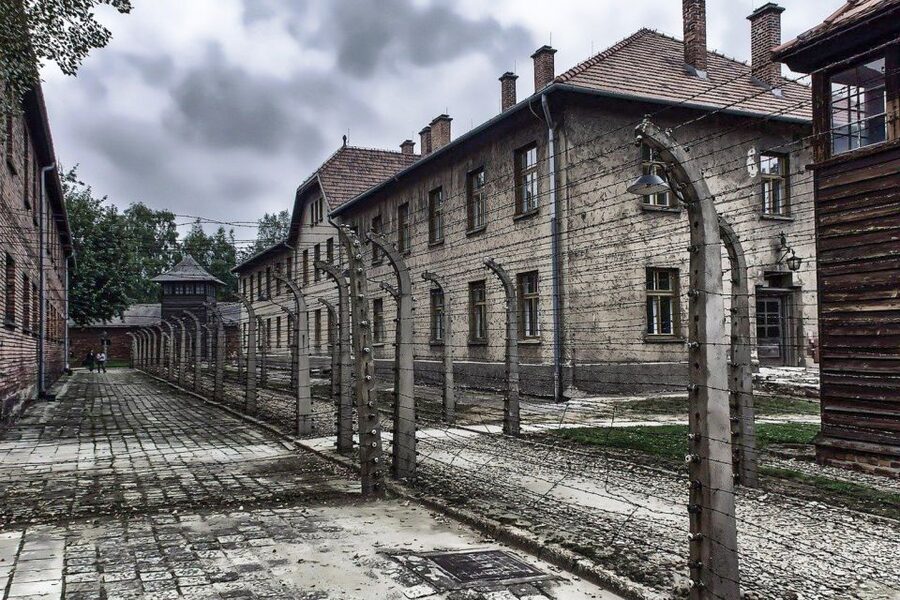
In Auschwitz I, the emphasis is on understanding daily reality inside the camp. You’ll have time to walk on the former camp grounds and see the barracks where people were held, along with museum exhibitions presented inside those buildings. The guided portion here runs about 105 minutes, so you’re not just seeing a few highlights; you’re being guided through a sequence of places with explanations that help you connect them.
A headset makes this easier because you’ll naturally move away from the group at times, especially around narrow areas or key buildings. Without audio support, it’s easy to miss the key context while you’re trying to look.
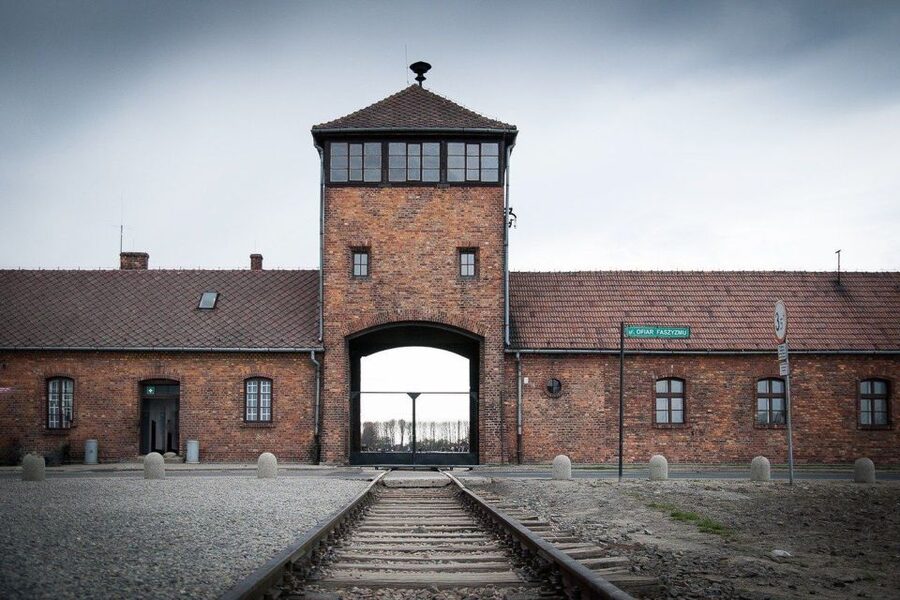
This part also gives you the unforgettable anchors people come for: the infamous entrance gate, the layout, and the physical evidence of the camp’s design. You’ll likely spend more time processing details here than you expect. That’s normal. The place asks for attention.
One more thing I consider important: this is a heavy topic. You’ll be hearing about deaths on a massive scale. The tour information states an estimated total of over 1.5 million deaths, representing 28 nationalities, with nearly 90 percent being Jews. That’s not something to cram in with distraction. If you’re the type who needs a quiet moment to absorb facts, take it.
The 30-Minute Break: When You Need Space
After Auschwitz I, the tour includes a short break with about 30 minutes of free time. This is a useful design choice. The experience is emotionally intense and physically demanding—walking, reading, and listening while taking in difficult scenes.
Use this time to:
- Catch your breath and hydrate
- Find restrooms if you need them
- Recheck your bearings before moving to Auschwitz II-Birkenau
This break can also help with pacing. You might feel the guided walk is pushing forward. A set break gives your body a chance to reset so you can stay present for what comes next.
If you’re sensitive to crowds, note that the site can feel busy depending on the day. The tour does keep you moving with structure, but it doesn’t magically eliminate the fact that this is a major destination.
Auschwitz II-Birkenau: The Railway, Ruins of Gas Chambers, and What Lingers
After the break, you drive to Auschwitz II-Birkenau and the guided visit continues for about 75 minutes. This is where the visit shifts from the more central, original camp feel into the sprawling second site.
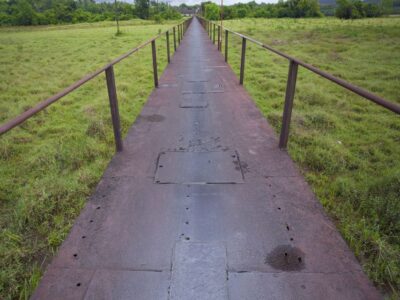
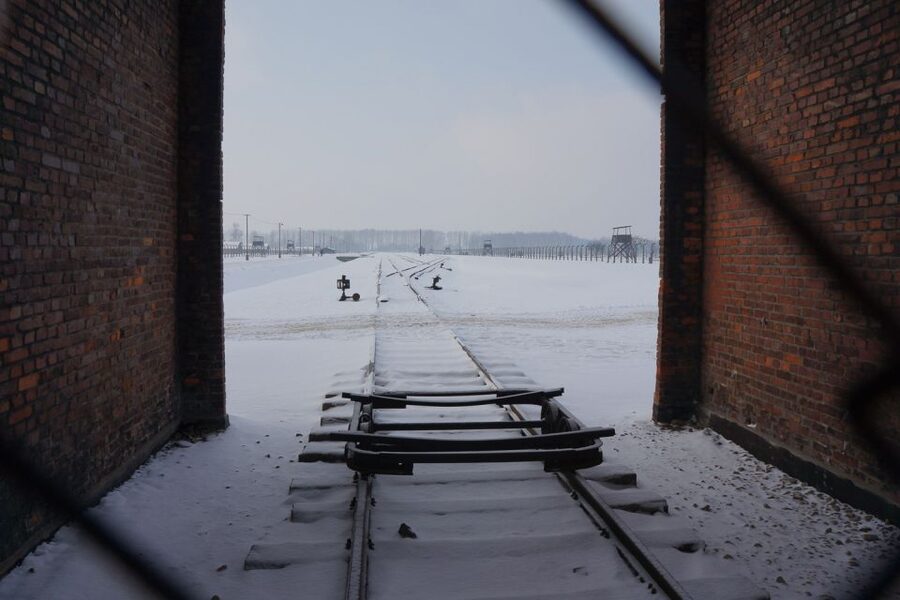
One of the most important parts here is walking along the railway that transported people to the other part of the camp. That railway line is a key visual in the story because it shows how the system operated at scale, and it changes how you interpret what you’ve already seen at Auschwitz I.
You’ll also see the ruins of gas chambers, described in the tour information as where people vanished on a mass scale. The phrase is stark by design. You’ll likely find yourself slowing down in this area, not because the guide makes you linger, but because the visuals and explanations land with weight.
In Auschwitz II, the design of the guided route matters. You’re not simply wandering. The guide’s explanations connect the transport, the camp layout, and what’s left behind today. That’s where the headset and group structure earn their keep. Even if you’re standing still, you’re absorbing what you’re seeing.
If you’re worried about getting bored or spacing out during a 210-minute day, this is where the guidance helps. The focus stays on meaning, not trivia.
Pace, Crowds, and Language: The Real-Life Tradeoffs
This tour has a simple promise: a guided group experience with headsets. That promise comes with two real-world considerations.
First, pace. The timing is approximate and can change, and one review-style theme in the provided feedback is that it can feel a bit rushed at times. Another theme is that groups can be agglomerated or crowded depending on the day. You can’t control that from your side. What you can control is how you prepare.
Show up with:
- Comfortable walking shoes
- A flexible schedule
- The mindset that you’re not doing a sightseeing run—you’re doing a guided memorial visit
Second, language dynamics. This tour is English-language with an English-speaking guide, and headsets help you hear clearly. Still, group composition can affect the vibe. If you’re traveling with friends who don’t speak English well, you might prefer a tour with your shared language—because the emotional context can be harder to follow when you feel cut out.
What You’ll See: The Main Stops People Plan Around
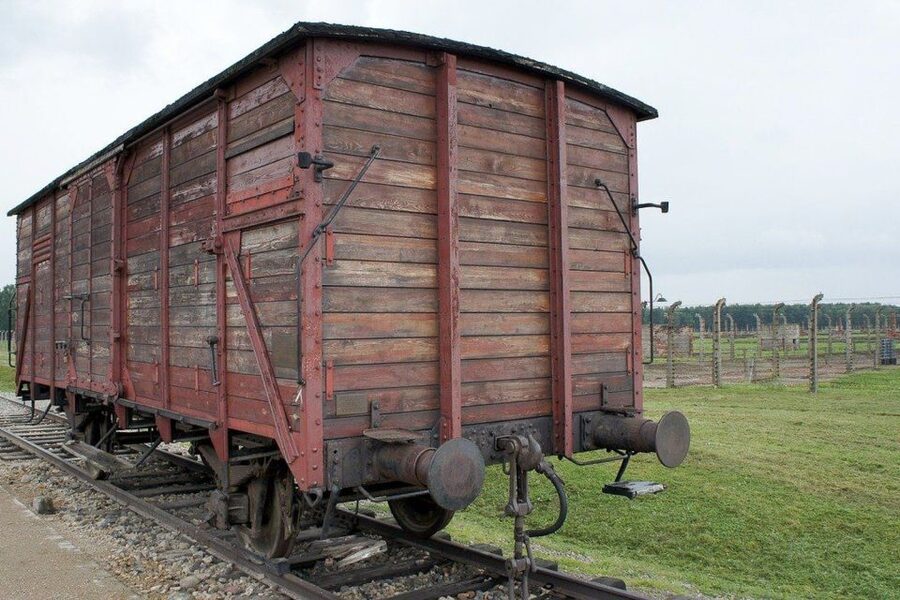
You should come knowing these are the big visible highlights built into the route:
- The entrance gate
- Auschwitz I camp grounds and barracks
- Museum exhibitions presented in former barracks where people lived
- The railway at Auschwitz II-Birkenau
- Ruins of gas chambers
Even if you’ve read about Auschwitz-Birkenau before, seeing the structure in person changes your understanding. The space forces you to confront scale and design, not just numbers. The guide helps you translate what you’re looking at into context you can hold onto after you leave.
Who This Tour Fits Best (and Who Should Rethink It)
This experience is not suitable for:
- Children under 14
- People with mobility impairments
That’s not just a technical note. It reflects how much walking, standing, and structured movement the visit involves across two major areas.
You’ll likely find this tour works well if you:
- Want the context delivered by a live guide, not only signage
- Prefer a guided route that keeps you from getting lost in the site
- Appreciate hearing explanations clearly through headsets
- Are okay using your own transportation and staying flexible with timing
If you’re the type who likes to wander slowly and take your time reading every sign, the guided structure may feel strict. If you’re okay with that kind of discipline, you’ll get more meaning out of the experience.
Price and Value: Is $52 a Good Deal Here?
$52 per person can sound like a lot until you map it to what’s included. For that price, you get:
- Skip-the-line entry to the memorial
- A live authorized guide for a structured group tour
- Headsets so you can hear clearly
What isn’t included is your transportation to and from Auschwitz. But since you’re responsible for getting there either way, this tour price is mostly buying you the interpretation and the on-site efficiency.
In value terms, this tends to be a good fit if you don’t want to spend your limited mental energy on logistics after you arrive. The headset + guided sequence is the part that turns the visit from information gathering into understanding.
Should You Book This Auschwitz-Birkenau Guided Ticket?
Yes—if you want a guided, structured experience that keeps you connected to what you’re seeing. I’d book it if you like hearing a guide explain what’s happening at each step, especially with the headsets that help you follow along while walking.
You might skip this specific format if:
- You know you struggle with emotionally intense, tightly managed pacing
- You need maximum flexibility on timing or want a self-paced visit
- Your group needs something other than English-language guidance
If your day can be flexible and you can handle a serious, guided memorial visit, this ticket is a practical way to make your time count.
FAQ
What does the tour include?
It includes skip-the-line entry, a guided group tour, and headsets so you can hear the English-speaking guide clearly.
How long is the tour?
The total duration is listed as 210 minutes, though the time on-site can be approximate and may change.
Where do I meet the guide?
Meet your guide at the Auschwitz Birkenau Museum Visitor’s Center, looking for information boards by the gate leading to the parking.
Do I need my own transport?
Yes. The experience requires you to use your own transport to get to Auschwitz and back. The tour also includes driving from Auschwitz I to Auschwitz II during the visit.
Is the guided tour in English?
Yes, the live guide is provided in English.
What should I bring and wear?
Bring a passport or ID card and comfortable shoes. Dress appropriately and avoid shorts and sleeveless shirts.
Are there restrictions on bags and luggage?
Yes. Luggage and large bags are not allowed. The maximum size noted for bags/purses/backpacks is 30x20x10 cm.
Is this tour suitable for children and mobility needs?
It is not suitable for children under 14 and for people with mobility impairments.