
REVIEW · PARIS
Paris Orsay Museum Entry Ticket with Digital Audio Guide
Book on Viator →Operated by Global Tours and Tickets · Bookable on Viator
Orsay can be smooth, not stressful. This entry ticket for the Musée d’Orsay comes with a digital audio guide in multiple languages, plus flexible entry times so you’re not boxed into a rigid schedule. Best of all, it’s designed for a self-guided visit, which is exactly how Orsay works when you want to linger with Degas, Monet, Renoir, and more.
I love that you’re buying admission bundled with the audio content (no extra add-on at checkout), so you can plan one clear trip instead of juggling separate purchases later. I also like that the audio program covers 300+ artworks and is available in English and other languages, which helps when you want context without waiting for a live guide. The main drawback to keep in mind: this “audio guide included” is delivered as a downloadable phone app, and that tech step can be finicky if your code or download doesn’t go smoothly.
Because Orsay is famous, it can get crowded, especially in peak months. And since some exhibitions can be loaned out, you might not see every single special display you hoped for—though the permanent collection still gives you plenty to fall in love with.
In This Review
- Key points at a glance
- Musée d’Orsay, in 3–4 hours: where the art feels close
- Entering Orsay without the scramble: flexible times and the right entrance
- The digital audio guide: 14 languages, 300+ artworks, and one real-world catch
- What your Orsay visit feels like: a self-paced route that actually works
- Crowds and timing: how to keep your visit enjoyable
- Price and value: when €36.02 makes sense (and when it might not)
- Who should book this Orsay ticket (and who should skip the audio bundle)
- Should you book this Musée d’Orsay ticket with digital audio?
- FAQ
- Is entry to Musée d’Orsay flexible or timed?
- What languages are available for the audio guide?
- Do I need to bring headphones or earphones?
- Is the audio guide the same as the museum’s paid audio system?
- How do I access the audio guide?
- Which entrance will I use at the museum?
- Can I cancel or change the booking?
Key points at a glance
- Flexible entry so you can choose when to arrive during open hours
- Audio guide included in 14 languages with 300+ artwork commentaries
- Self-paced galleries that let you spend time where your eyes keep returning
- Small group size (max 15) helps keep the logistics calmer at the start
- Phone app required; bring charged phone power and personal earphones
- Museum entrance may vary (C1 until March 9, 2026; Parvis from March 10, 2026)
Musée d’Orsay, in 3–4 hours: where the art feels close
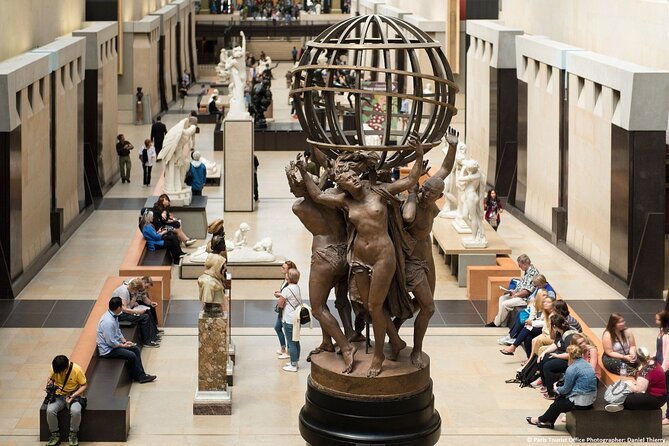
The Musée d’Orsay is housed in a former train station, so even before you hit the galleries you’re standing in a big, dramatic space. One reason this museum fits so well into a short visit is that you don’t have to “do everything” to feel satisfied. You can build a day around the Impressionists and Post‑Impressionists—then let your curiosity pull you to other movements when you spot something that catches your eye.
Plan on about 3 to 4 hours. That’s enough time to slow down, find a few standout rooms, and still take breaks. One practical tip I’m confident you’ll appreciate: the museum’s iconic views from inside the building (including the upper levels) make good photo moments if you time them right. If the place looks packed, don’t panic—step back, wait a minute, and you’ll usually find a pocket of space.
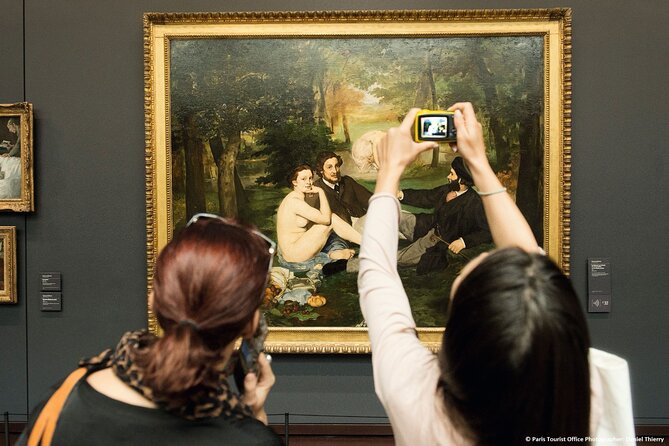
Most people come for Monet, Degas, Renoir, and Van Gogh. You’ll also run into Manet and plenty of other names that connect the era in interesting ways. The museum is at its best when you let the art lead you from room to room instead of trying to force a strict checklist.
A few more Paris tours and experiences worth a look



Entering Orsay without the scramble: flexible times and the right entrance

This ticket is built around flexible entry. That means you don’t need to show up at a specific minute, which helps when your morning plans run long or when you’re trying to dodge crowds. Orsay’s open hours shown for this offering are Tuesday–Sunday, 9:30 AM–4:00 PM. So for the smoothest experience, aim to arrive earlier in the day or earlier in the afternoon—whenever that best fits your overall Paris schedule.
The meeting point is on the Esplanade Valéry Giscard d’Estaing, 75007 Paris. From there, you’ll use the museum entrances assigned for your visit date. Here’s an important logistics detail that’s easy to miss: C1 entrance is used until March 9, 2026, then the Parvis entrance is used from March 10, 2026 onward. If you’re visiting near that changeover, double-check in your voucher information so you don’t waste time walking the wrong direction.
Your ticket is described as a mobile ticket, and it must be used on the scheduled tour date. That’s not just a technicality—treat it like a real admission ticket. Make sure you have the phone access you need before you arrive, and don’t rely on last-minute screen-spotting.
One more small win: the maximum group size listed is 15 travelers. Even though this is mostly an “arrive and enter” setup, smaller batches tend to make the start of the day calmer. You’ll still be entering a world-famous museum, but the handoff is usually easier when the crowd control feels organized.
The digital audio guide: 14 languages, 300+ artworks, and one real-world catch
Here’s the deal with the “audio guide included.” The audio is not the museum’s own in-house audio system that you might see for sale separately. Your included audio guide is a digital product that you download to your phone using instructions in your voucher. An information email is also sent one day before so you can access and use it properly.
That means your best move is simple: download the app before you leave your hotel. Add your personal earphones too. Earphones are specifically listed as not included, and the notes recommend bringing your own so listening is clear and comfortable.
Now, a reality check you should plan for: the success of the audio depends on the code/reservation setup working. Some past experiences have included cases where links didn’t validate or the app returned a reservation not found message. I can’t promise it will happen to you—but you can reduce the risk with a couple of smart steps:
- Download the app early and try the access instructions once before you’re inside.
- Keep your phone charged. If the app fails mid-visit, you don’t want a dead battery compounding the problem.
- If something goes wrong at the museum, be ready to switch to an on-site option. In at least some cases, people ended up buying museum headphones separately on-site (one report cited around €6 for the museum audio/earsets). Having that Plan B in mind protects your budget and your mood.
Also note a content mismatch possibility: some people reported that the audio guide didn’t line up neatly with the numbered works in the galleries, or that a piece shown in the audio list wasn’t actually on view due to timing. Orsay loans artworks and rotates displays. Your “included audio” is helpful, but it’s not magic. If you notice a mismatch, don’t burn time fighting the app—pause, look around, and use museum descriptions as a backup.
What your Orsay visit feels like: a self-paced route that actually works
Because there’s no live guide, the museum becomes your schedule. This can be a big plus. You won’t feel rushed through rooms, and you can spend time where you’re drawn—whether that’s a dramatic brushstroke detail or the way light hits a painting.
A smart way to structure your 3–4 hours:
- Start with a highlights sweep so you anchor your visit around the big Impressionists and related artists.
- Use the audio guide to add context, then stop letting it “drive.” If a painting stops you, enjoy it first, then decide if the audio clip adds anything.
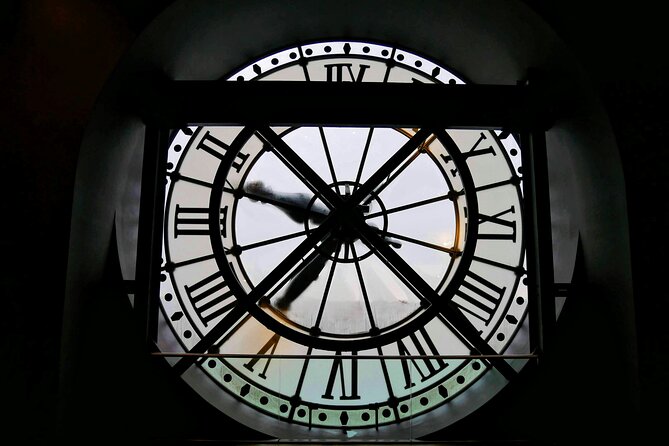
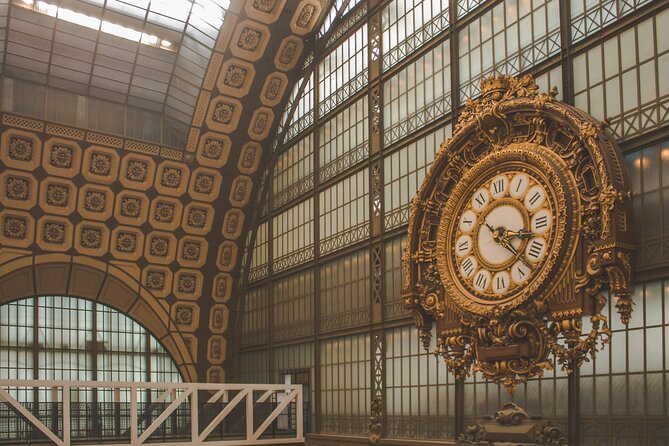
- Take the upper-level break when you want a breather and a photo moment. One commonly loved spot is near the clock area and the views up high. If you want a silhouette-style photo with the famous clock backdrop, patience helps—waiting a few minutes when there’s a clear line of sight is often the difference between a usable shot and a crowded blur.
- Finish with whatever room you keep returning to. At Orsay, the second pass is often where you notice what you missed the first time.
Even without a live guide, you’re not wandering blind. The museum is well signed, and the included audio aims to connect you to over 300 commentaries. In practice, you’ll probably use it more for the “why” behind the famous works—style, technique, and context—then rely on your eyes for the “wow.”
Just keep one expectation realistic: not every exhibition space is guaranteed to be open if something is on loan. You may still find plenty to see, but if you had your heart set on a specific temporary display, be flexible.
Crowds and timing: how to keep your visit enjoyable
Orsay can be busy. One reason the ticket’s flexible entry time is valuable is that you can shift your arrival to match your day. If you’re coming from a morning activity, giving yourself a little cushion helps.
Here’s the practical crowd strategy that tends to work:
- If you’re sensitive to crowds, aim for earlier entry within the open window.
- If you’re okay with some bustle, arrive later—then plan your most “must-see” rooms first so you’re not chasing them after you’re tired.
Lunch and breaks also matter. The museum has opportunities to pause, and there’s at least one popular suggestion to take advantage of the upper-level areas for a longer sit. Even a 20–30 minute reset can make the last hour more enjoyable than pushing through at full speed.
If you get stuck waiting at an entrance or encounter a line, don’t assume your whole day is ruined. Lines can move fast once the bottleneck clears. Keep your phone ready for ticket scanning, keep your earphones accessible, and use the waiting time to pick one “anchor painting” you want to see first once you’re in.
You can also read our reviews of more guided tours in Paris






Price and value: when €36.02 makes sense (and when it might not)
At $36.02 per person, you’re paying for two things: a timed-external benefit (you’re securing your ticket in advance) and a bundled digital audio program. Whether it feels like a great deal depends on how likely you are to get value from the audio app.
This can be strong value if:
- You care about having context while you move at your own pace.
- You want the convenience of one purchase instead of figuring out audio options later.
- You’re going on a date where the official ticketing situation can be tight, and advance booking helps you lock it in.
This may feel less worth it if:
- You strongly prefer museum-provided devices or you don’t want to rely on your phone.
- You’re worried about the audio access step not working smoothly. Since the audio is delivered via a separate digital app, you might want a Plan B even if it’s unlikely you’ll need it.
- You’re the type who enjoys reading short museum labels and moving quickly without audio.
One reason this works for many people is that it removes a common “Paris problem”: the official site can sell out for certain days, so having an advance ticket in hand avoids the scramble. Even some people who skipped audio still felt the bundled admission was worth it for faster entry and less uncertainty.
Also remember: the cancellation terms listed for this experience are non-refundable and cannot be changed. So book only if your date is solid.
Who should book this Orsay ticket (and who should skip the audio bundle)
This is a good fit for you if you like:
- A self-guided museum experience with flexible entry.
- Using a phone for interpretation rather than waiting for a live guide.
- A structured audio program in 14 languages when you want extra context.
It’s not the best choice if:
- You dislike app-based ticket/audio experiences.
- You have low phone battery tolerance or unreliable access to downloads.
- You know you’ll want a simple plug-in device and don’t want to troubleshoot codes.
Families can work well with this setup because flexible entry helps everyone move on the group’s rhythm. Couples often like it too because you can drift together without matching someone else’s tour pace.
If you’re the “read everything on the wall and go” type, you might still find value in the admission ticket itself, but you may decide audio isn’t central to your experience.
Should you book this Musée d’Orsay ticket with digital audio?
I’d book it if you want a smooth, organized entry plus a self-paced audio option in 14 languages, especially when advance tickets save you from chasing availability. The best part is the combination of admission and audio in one package, plus flexible entry that lets you shape your day.
I would think twice if your whole plan depends on the audio working perfectly on arrival. In that case, I’d still consider the admission ticket value, but I’d make sure you’re comfortable using on-site alternatives if the app doesn’t cooperate.
If you do book, set yourself up for success: download the audio app early, bring your own earphones, and keep your phone charged. That turns the “digital audio guide” from a potential headache into exactly what it’s meant to be—an easy companion while you wander Orsay at your own pace.
FAQ
Is entry to Musée d’Orsay flexible or timed?
It includes flexible entry times for the Musée d’Orsay. You can visit during the museum’s open hours listed for the period shown.
What languages are available for the audio guide?
The digital audio guide is available in 14 languages and includes commentary on 300+ artworks.
Do I need to bring headphones or earphones?
Yes. Headphones/earphones are not included, and you’re recommended to bring your own personal earphones for clear listening.
Is the audio guide the same as the museum’s paid audio system?
No. The included digital audio guide is distinct from the museum’s audio guide that may be offered for an additional fee.
How do I access the audio guide?
You download the digital product to your phone using instructions in your voucher. Additional access and usage guidelines are sent by information email one day before.
Which entrance will I use at the museum?
You’ll use the entrances specified for your visit date: C1 entrance until March 9, 2026, then Parvis entrance from March 10, 2026 onward.
Can I cancel or change the booking?
No. This experience is non-refundable and cannot be changed for any reason.