REVIEW · HONOLULU
Bishop Museum General Admission Ticket
Book on Viator →Operated by Bishop Museum · Bookable on Viator
Big museum, easy payoff. Bishop Museum in Honolulu is one of the best ways to understand Hawaiian culture and the wider Pacific world without doing a multi-stop tour. With Hawaiian Hall Complex as the centerpiece, plus a planetarium and hands-on science space on the same campus, this ticket is a smart way to spend serious indoor time.
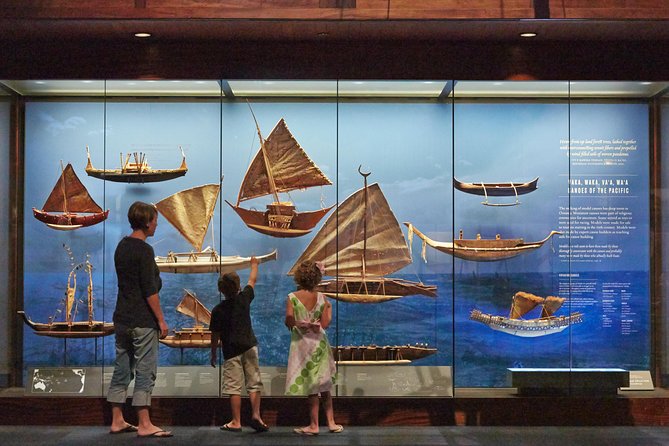
I especially like how the exhibits are organized by theme, so you’re not wandering through one giant room of stuff. Pacific Hall helps you connect origins, migrations, and shared Pacific values through clear displays, maps, and artifacts.
One drawback to plan for: the museum campus is large, and you’ll get the most from it with more than a quick, rushed visit. Also, the planetarium is often listed as optional, so you’ll want to check what’s actually running on your day.
In This Review
- Key things to notice before you go
- What your Bishop Museum general admission ticket really covers
- Price and what could add costs on the day
- Hawaiian Hall Complex: the heart of Hawaiian history and culture
- Pacific Hall: migrations and shared values across the islands
- Jhamandas Watumull Planetarium: skies of Hawai‘i and Polynesia
- Richard T. Mamiya Science Adventure Center: lava, environment, and hands-on learning
- Castle Memorial Building: changing exhibits for a short, smart stop
- How long you should plan: 2 hours is not the full story
- Getting there, weather, and walking comfort
- Is it worth $38.95? My value take
- Who this fits best (and who might not love it)
- Should you book this Bishop Museum general admission ticket?
- FAQ
- What does the Bishop Museum general admission ticket include?
- Are the planetarium shows included in the ticket price?
- Are special exhibits included?
- How long should I plan for my visit?
- Is Bishop Museum open in bad weather?
- Do I need to use cash or a paper ticket?
- Is parking included?
- Can I get a refund if my plans change?
Key things to notice before you go
- Hawaiian Hall Complex is the flagship space for Hawaiian history and culture.
- Pacific Hall links origins, migrations, and Pacific values in a single flow.
- Jhamandas Watumull Planetarium lets you explore Hawai‘i and Polynesia skies using an ancient-traveler lens.
- Richard T. Mamiya Science Adventure Center focuses on science tied to Hawai‘i and the Pacific, including lava.
- Live lava melting is part of the science experience when shows are operating.
- Castle Memorial Building changes with time-limited exhibits, so it can be worth a quick look even if you’re short on time.
What your Bishop Museum general admission ticket really covers
A Bishop Museum general admission ticket gets you entry into the museum campus and its main exhibit spaces. At $38.95 per person, it’s not the cheapest thing on O‘ahu, but it covers a lot of ground because the museum is built around multiple major buildings and learning zones.
Here’s the key point for value: you’re paying for access to Hawaiian culture, Pacific history, and science all in one place. If you’re already planning a day of indoor sightseeing (or you want an education stop that doesn’t feel like school), this ticket makes sense.
Just know what can cost extra. The ticket includes admission, but planetarium shows and special exhibits can be optional/add-on costs, depending on what’s offered that day. Parking is also optional and not included.
Price and what could add costs on the day
Let’s talk money like a grown-up. Your base cost is $38.95 per person for general admission, and that admission is what gets you into the museum buildings. In practice, your total can rise if you decide to add on a planetarium show or a special exhibit with its own fee.
The easiest way to avoid sticker shock: plan your visit with two versions in mind. Version one is your “main museum day” (general admission only). Version two is your “science/sky day,” where you add a planetarium session if the schedule fits. That way you aren’t trying to make last-minute choices when you’re already tired and standing in lines.
Also keep in mind the museum is spread across buildings. That matters because if you end up spending the afternoon here, you might not need to buy as many other paid attractions nearby. It’s a one-stop cultural and science anchor.
Hawaiian Hall Complex: the heart of Hawaiian history and culture
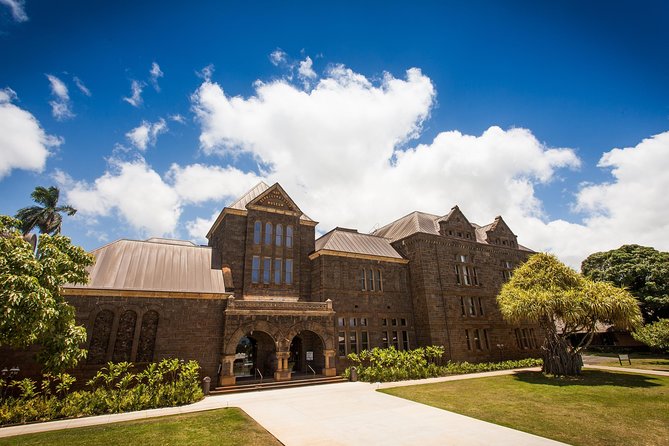
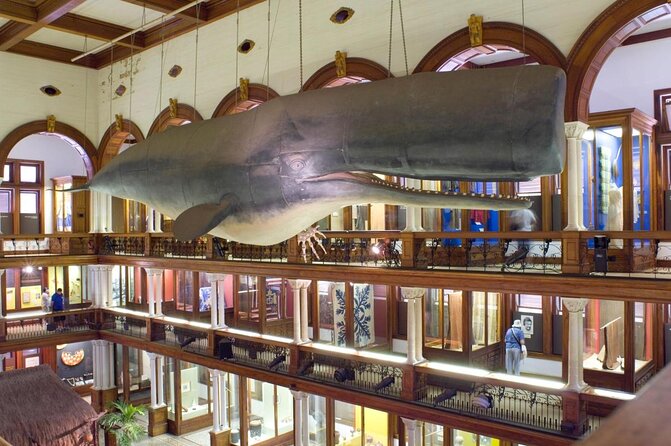
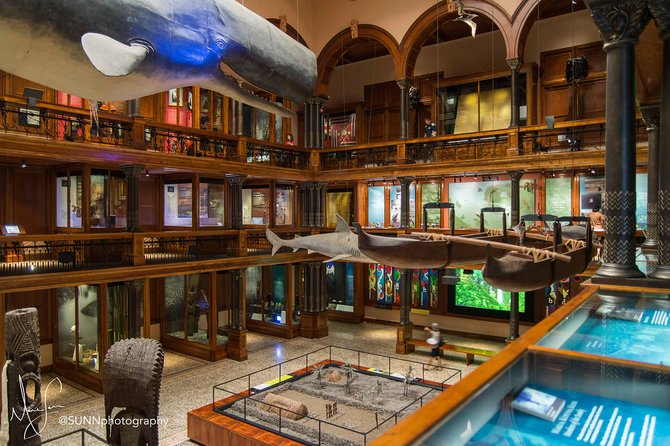
If you want one area that explains why Bishop Museum is a must-see, it’s Hawaiian Hall Complex. This is the world’s premier showcase of Hawaiian history and culture, which is exactly what you hope for when you’re visiting for the first time.
What I like about this setup is the clarity. Instead of scattering themes randomly, the museum builds an intentional path through Hawaiian identity, traditions, and historical context. You can treat it like a single long experience, or you can break it into smaller chunks as you move room to room.
Practical tip: give Hawaiian Hall more time than you think you need. Even if you only skim, there’s enough detail in the storytelling that it adds up fast. If you’re short on time, prioritize the sections that match what you care about most—history, arts, or cultural traditions.
Pacific Hall: migrations and shared values across the islands
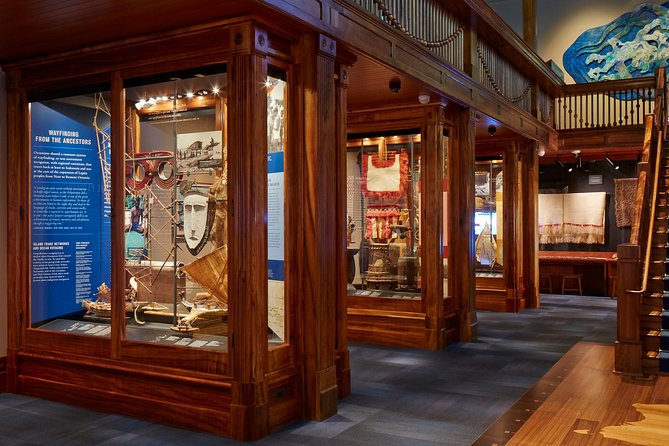
Next door in spirit is Pacific Hall, focused on origins, culture, and values of Pacific people. What makes this part useful is how it connects the big picture—migrations and settlement across the Pacific—with how people lived and what communities valued.
This is also where the museum helps you understand Hawai‘i in context. You’re not just learning facts about one location. You’re seeing how Pacific navigation, movement, and cultural exchange relate to the islands you’re visiting now.
If you’re a map person, you’ll likely enjoy how the museum frames movement across the ocean. If you’re more visual, you still get something here: the displays are set up so you can understand relationships without needing to read every label. Either way, this hall is a strong “connector” between cultural history and the planetarium and science content later.
Jhamandas Watumull Planetarium: skies of Hawai‘i and Polynesia
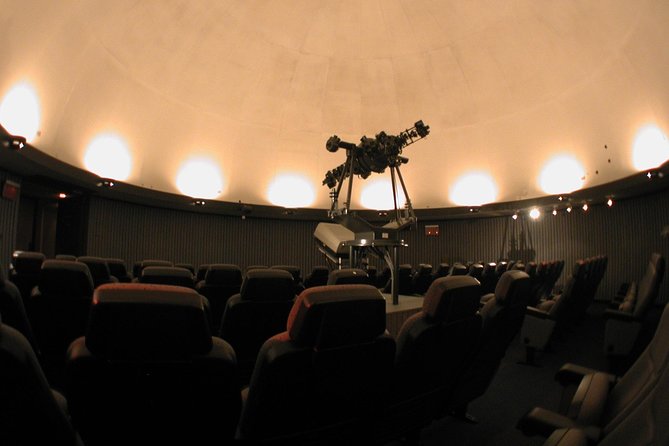
Bishop Museum’s Jhamandas Watumull Planetarium is one of the most interesting “why this museum and not another” features. The planetarium is described as showing the skies of Hawai‘i and Polynesia in ways ancient travelers once experienced.
Even if you’re not a dedicated astronomy person, this is worth considering because it connects astronomy to Pacific navigation knowledge, not just star facts. It’s the kind of learning that feels relevant to place.
Plan for a flexible visit here. The info you have says planetarium shows can be optional, and some days can have different access. So don’t build your entire schedule around one specific showtime unless you’ve checked what’s running that day.
If the planetarium does line up, I’d place it mid-visit. You’ll still have energy, and it can give context to the rest of what you’re seeing—especially the science and navigation themes.
Richard T. Mamiya Science Adventure Center: lava, environment, and hands-on learning
The Richard T. Mamiya Science Adventure Center is where the museum gets practical in a good way. It focuses on science tied to Hawai‘i and Pacific environments, with a strong emphasis on lava and how the Hawaiian Islands formed.
If you’re traveling with kids, this is usually where the day changes gears. The science center is interactive by nature, and the topic—Hawaiian volcanic landscapes—is made for real-world curiosity. Even adults who usually skip hands-on stuff tend to slow down here because the questions are easy to ask and the answers feel physical.
The highlight tied to your ticket experience is the live lava melting show. It’s a memorable add-on because it makes an abstract topic feel real. If the show is running, try not to treat it like a “maybe.” Build your pacing so you can catch it without sprinting across the campus.
Castle Memorial Building: changing exhibits for a short, smart stop
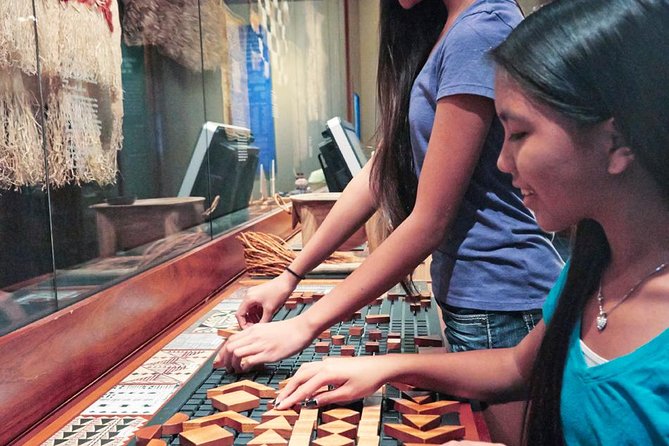
Castle Memorial Building is where the museum rotates with changing exhibits for limited time periods. That means your experience here depends on what’s on display during your visit window.
Because it’s a changing space, I recommend a strategy that keeps you from wasting time. Do a quick loop if you’re already nearby, then decide whether you want to slow down. If it’s not your thing, you haven’t lost much. If it hits your interests, it’s an easy win without requiring a total schedule overhaul.
In other words: let this be a bonus stop, not the backbone of your day.
How long you should plan: 2 hours is not the full story
Your visit can run anywhere from 1 to 8 hours depending on how you move and what you want to focus on. The museum is big, and the exhibit quality encourages lingering.
If you’re the type who reads signs carefully and wants time for photos, I’d plan at least half a day. If your goal is faster and you already know what you want to see, you might do more efficiently, but rushing makes the museum feel like a checklist.
A good rule: start early. When you arrive later in the day, you may find you’re finishing on the clock rather than enjoying the museum’s rhythm. One practical point from visitor experience: if you get close to closing time, onsite food options can be limited, so it helps to time breaks earlier.
Getting there, weather, and walking comfort
This experience is near public transportation, so you don’t have to rely entirely on a car. Parking fees are optional and not included, which is your cue to either budget for it or plan around transit if you prefer.
The museum operates in all weather conditions, so it’s a reliable pick for rain or heat. Still, dress for the day you’ll actually have. Indoors doesn’t mean comfortable outside-to-indoor transitions, especially if you’re waiting for shuttles or navigating from a drop-off.
Moderate physical fitness is recommended. That usually means you should be comfortable with walking and moving between buildings on the campus. Wear shoes you can stand in, not just “look good” shoes.
Finally, you’ll receive a mobile ticket, and service animals are allowed.
Is it worth $38.95? My value take
For a general admission ticket at $38.95, the value depends on your goals.
If you want Hawaiian culture plus Pacific history plus science in one place, it’s strong value because you’re buying access to multiple learning zones without paying for separate attractions back-to-back. This works especially well if you’re visiting with kids, because the science center and interactive learning keep energy up.
If you only care about one small part—say, just the planetarium—your money might feel stretched because planetarium shows can be optional and other exhibits are expansive rather than compact. In that case, you may want to treat the general admission day as the full museum commitment, not a single-ticket convenience.
Also, the museum being rated as a top Hawaii attraction adds a useful reality check. It’s not a niche stop that you have to love to justify. Bishop Museum is the kind of place where lots of different interests find something to latch onto.
Who this fits best (and who might not love it)
This ticket is best for you if:
- You want a culture-and-science day in Honolulu without a complicated schedule.
- You like history you can connect to living traditions.
- You’re traveling with kids or teens who need hands-on moments.
It might be less ideal if:
- You hate walking between buildings and want a smaller attraction.
- You only want one quick experience and are short on time.
- You’re hoping for a “light” museum day with minimal reading and minimal time planning.
The good news is that the museum’s structure lets you pace yourself. You can go deep in one hall and skim another, as long as you give your top priorities enough time.
Should you book this Bishop Museum general admission ticket?
Yes, I think you should book it if you want one day that teaches you how Hawai‘i fits into the bigger Pacific story—then adds a science angle that makes the geology and natural forces feel understandable. The combination of Hawaiian Hall Complex and the Science Adventure Center alone makes this a strong use of time, especially on a weather-flexible day.
Skip the overthinking and do this: arrive earlier than you think you need, pick one “must see” area (Hawaiian Hall or Science Center), and treat the planetarium as a bonus if the schedule works. If you do that, the day won’t feel like paying for a hallway tour. It’ll feel like a real, place-based education you’ll remember.
FAQ
What does the Bishop Museum general admission ticket include?
Your ticket includes general admission to the Bishop Museum, with access to the museum’s exhibit spaces on the campus.
Are the planetarium shows included in the ticket price?
Planetarium shows are listed as optional, which means they can cost extra depending on the show you choose.
Are special exhibits included?
Special exhibit fees are listed as optional, so some time-limited exhibits may require an additional fee.
How long should I plan for my visit?
The experience duration is listed as 1 to 8 hours, so your ideal time depends on how much you want to read, explore, and attend any optional experiences.
Is Bishop Museum open in bad weather?
It operates in all weather conditions, but if it’s canceled due to poor weather, you would be offered a different date or a full refund.
Do I need to use cash or a paper ticket?
No. You receive a mobile ticket.
Is parking included?
Parking fees are optional and not included.
Can I get a refund if my plans change?
Free cancellation is available. You can cancel up to 24 hours in advance for a full refund, and cancellations within 24 hours are not refunded.