REVIEW · PARIS
Paris: Orangerie Museum Skip-the-Line Entry and Guided Tour
Book on GetYourGuide →Operated by Babylon Tours LLC · Bookable on GetYourGuide
Paris does art like no one else. This 2-hour Orangerie visit gets you past the fuss and straight into the oval room—where Monet’s Water Lilies can hit you like a calm wave. I love how the tour is guided by an art historian, not just a facts-on-a-timeline lecture, and I also love that the skip-the-line ticket gets you inside with less stress than the usual entrance scramble.
You’ll walk a short stretch through the Tuileries Gardens, then settle into a focused museum route that connects Impressionism to the early 20th century. And yes, it’s still about the art first: you’ll see how French painting ideas evolve across rooms, with artists like Monet, Matisse, Cézanne, and even Picasso-like stagecraft for nude studies (plus more, depending on what’s on view). One consideration: there’s moderate walking, and it’s not suitable for mobility impairments, so plan accordingly.
Key takeaways before you go
- Skip-the-line entrance helps you avoid the worst of the waiting
- Oval Room time for Monet’s Water Lilies is the main event
- Small group size (max 8 per guide) keeps the pace human
- Art historian guidance ties paintings to ideas and the artists’ moment in time
- Tuileries Gardens stroll gives you a nice Paris reset between sights
- Rain or shine means you’ll still move, so dress for weather
In This Review
- Why Musée de l’Orangerie feels different from other Paris museums
- Skip-the-line entry: saving energy for the part you came for
- The quick Tuileries Gardens walk you’ll actually appreciate
- Inside the oval room: how to look at Monet’s Water Lilies
- The art historian route: how the tour builds meaning across the walls
- Monet, Matisse, Cézanne, and Renoir: the guide’s “timeline you can see”
- When the tour reaches Picasso and the early-20th century turn
- Group size, pacing, and what the experience feels like
- Practical details that can make or break your day
- What to bring
- What not to bring
- Languages
- Guide quality shows up in the details
- Price and value: is $128 worth it?
- Should you book this Orangerie skip-the-line guided tour?
- FAQ
- How long is the Orangerie skip-the-line guided tour?
- Does this tour include skip-the-line entry?
- Who provides the tour guide, and what kind of guide is it?
- Where do we meet, and where does the tour end?
- Is the tour suitable for people with mobility impairments?
- What should I bring with me?
- Are luggage or large bags allowed?
- What group size should I expect?
- What languages are available?
- Does the tour run in bad weather?
Why Musée de l’Orangerie feels different from other Paris museums
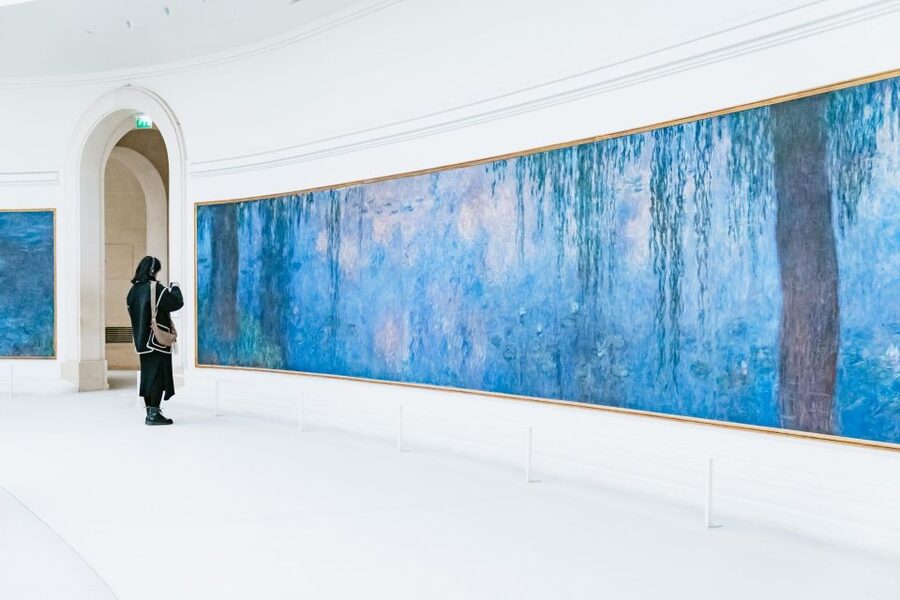
Musée de l’Orangerie is not trying to be huge. That’s the point. In just a short visit, you get a concentrated hit of 19th- and early-20th-century French art, and then you’re surrounded by Monet’s Water Lilies in the iconic oval room.
What I like most is the tour’s “connect-the-dots” style. Instead of treating each painter like a separate exhibit with no relationships, the guide helps you see the thread: how visual ideas shift from Impressionism toward the bold experimentation of the early 1900s. It makes the paintings feel alive, not like museum wallpaper.
Skip-the-line entry: saving energy for the part you came for
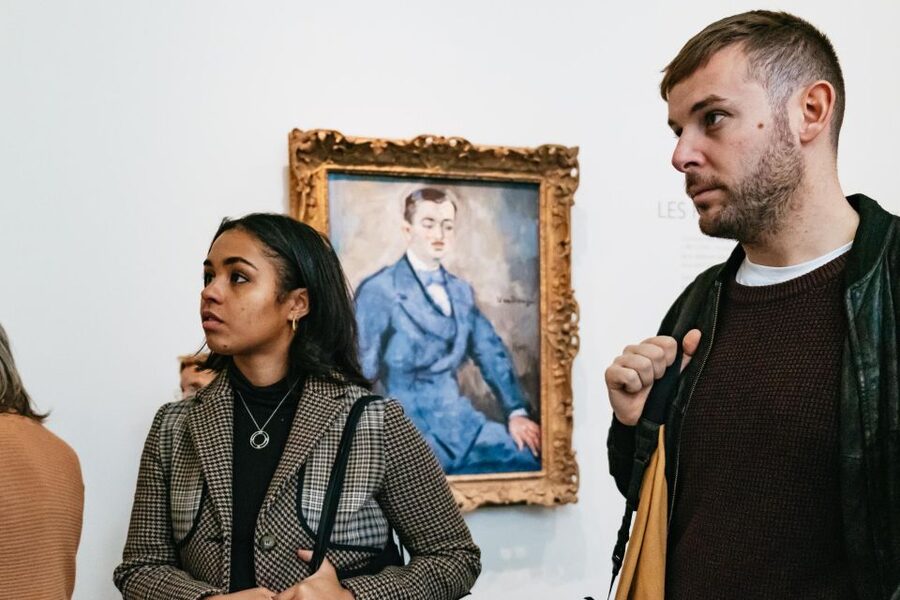
At Orangerie, lines are the enemy. This tour includes a skip-the-line entrance ticket, so you can get in without spending your limited museum time waiting at the door.
That matters because the museum experience is best when you’re fresh—especially for the Water Lilies, where quiet attention is everything. The tour’s timing is also tight (about 2 hours), so arriving stressed or rushed can shrink your enjoyment fast.
You can also read our reviews of more guided tours in Paris



The quick Tuileries Gardens walk you’ll actually appreciate

You don’t just teleport from the street to the museum. You head through the Tuileries Gardens on the way to the former Orangerie. It’s a scenic walk, and it does two helpful things:
First, it breaks up the city energy. You go from Paris motion to something calmer before you enter. Second, it gives you a sense of place. The Orangerie building has a historical role tied to winter storage for royal oranges, and that context lands better when you arrive slowly instead of bursting in at full speed.
This is also where good weather can sweeten the mood. Bad weather won’t stop the tour (it runs rain or shine), but at least the walk is short and manageable.
Inside the oval room: how to look at Monet’s Water Lilies
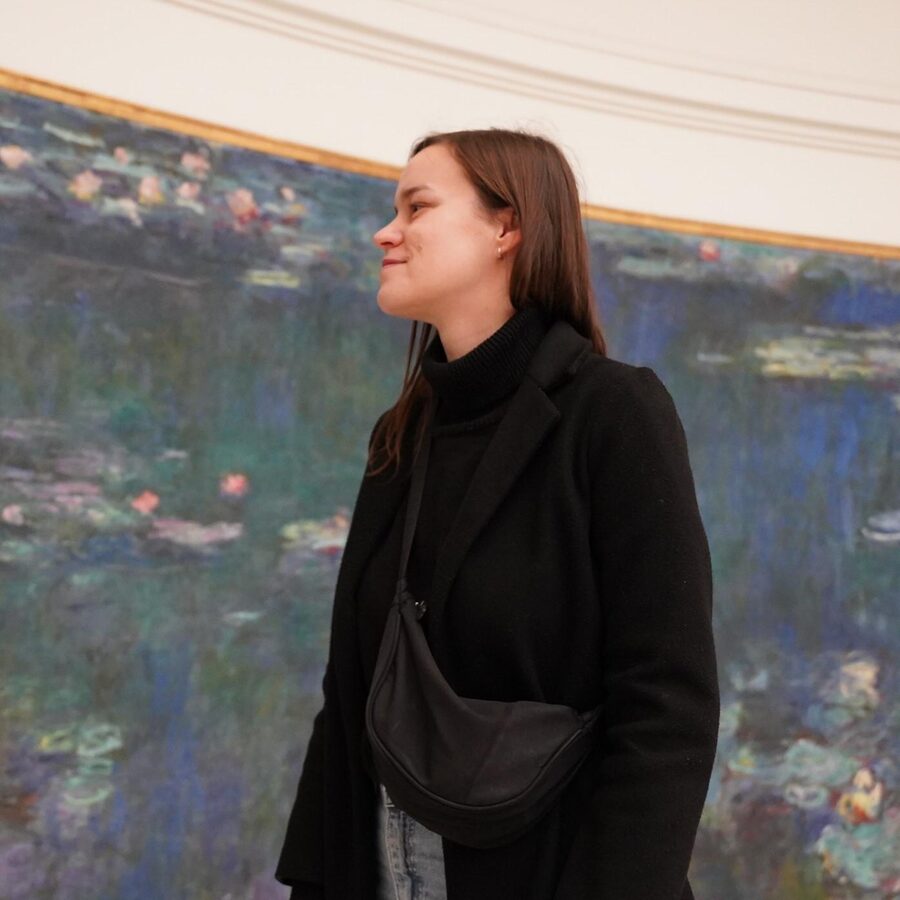
Monet’s Water Lilies are famous for a reason. But if all you do is admire the surface, you can miss the trick. The guided approach helps you notice how the paintings create atmosphere, not just scenery.
Here’s what the guide work tends to highlight in this setting:
- How the oval architecture wraps you into the view
- How Monet’s water-lily world feels more like a sensation than a landscape
- How the paintings work as a full-room experience, not separate images
In the reviews, I noticed a pattern: guides really lean into the emotional timing. One guide named Hugo has been praised for pairing his explanation with an atmospheric audio moment while everyone witnesses Monet’s beauty. That kind of pacing is exactly what makes the oval room feel like an event, not just an item on your checklist.
The art historian route: how the tour builds meaning across the walls
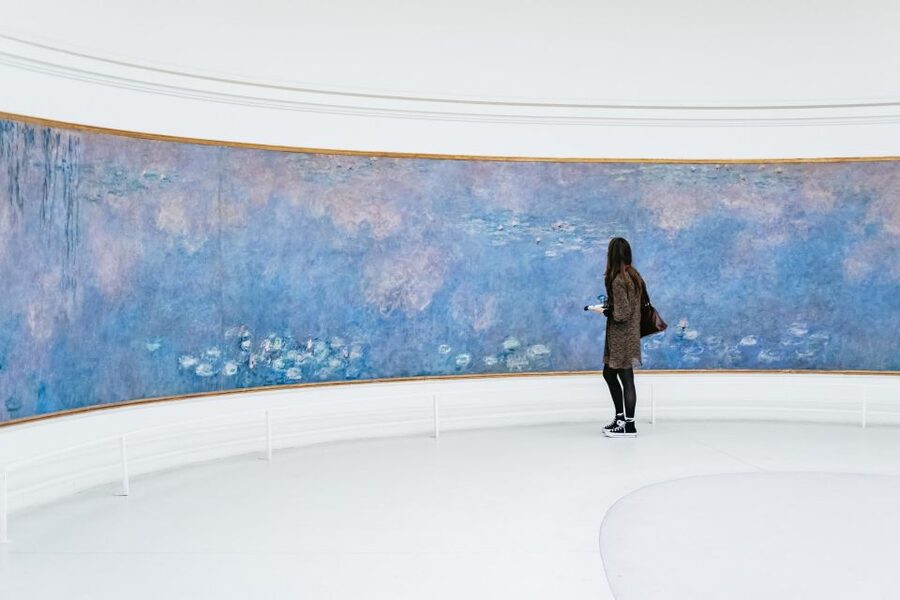
The heart of this experience is the guide. You’re not just moving from painting to painting; you’re learning how to read what you’re seeing. The tour is designed around 19th and early 20th century French art, and the guide connects technique, style, and artistic choices to the broader shifts in art.
The result: you start understanding why certain movements changed the way artists worked. You’ll watch the progression of Impressionism’s impact and then see how artists responded—sometimes by pushing the rules, sometimes by breaking them.
It’s also where the small-group format helps. With a maximum of 8 guests per guide, you can actually ask questions and get answers that fit your level of interest. When groups are larger, you often get rushed answers. Here, the tone stays conversational.
Monet, Matisse, Cézanne, and Renoir: the guide’s “timeline you can see”
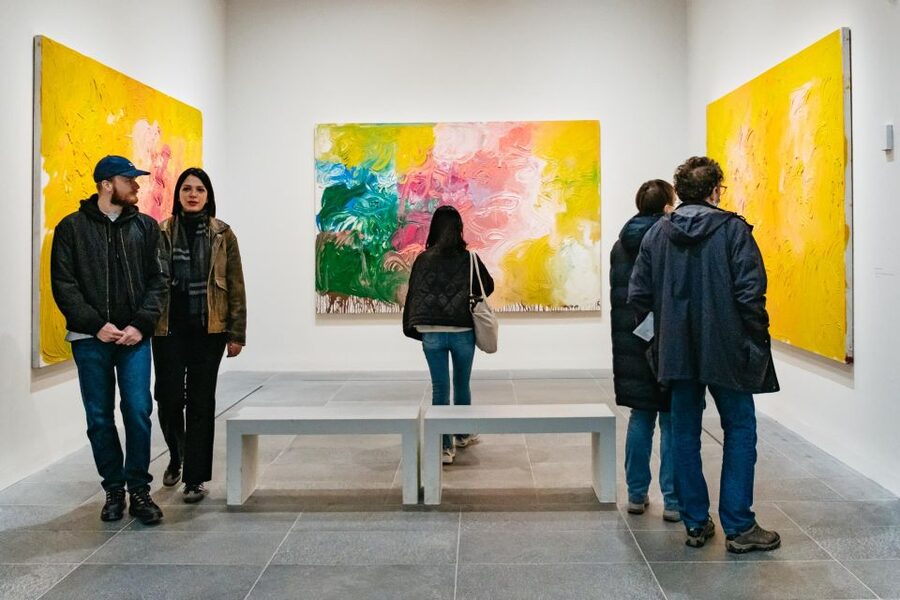
The tour highlights several heavyweights, and it does it with context instead of name-dropping.
- Monet: You’ll spend real time in the oval room environment built for Water Lilies. Expect the guide to connect what you see to the wider development of Impressionism.
- Cézanne: You’ll look at fruit and flower paintings and learn how his approach helped set up later changes in form and perspective.
- Matisse: The tour includes discussion of his style and seductive portrait approach—how his choices influenced what painting could feel like.
- Renoir: You’ll see how Impressionism’s legacy continues and shifts through his work.
One of the things I find most useful is that the guide doesn’t treat these artists as isolated geniuses. The tour language is about evolution—how style changes are tied to new ways of seeing.
You can also read our reviews of more museum experiences in Paris




When the tour reaches Picasso and the early-20th century turn

Once you move beyond Impressionism, the early 1900s can feel like a sudden gear shift—sometimes thrilling, sometimes confusing. This tour is structured to reduce that confusion by preparing you for what changed and why.
You can expect the tour to touch on:
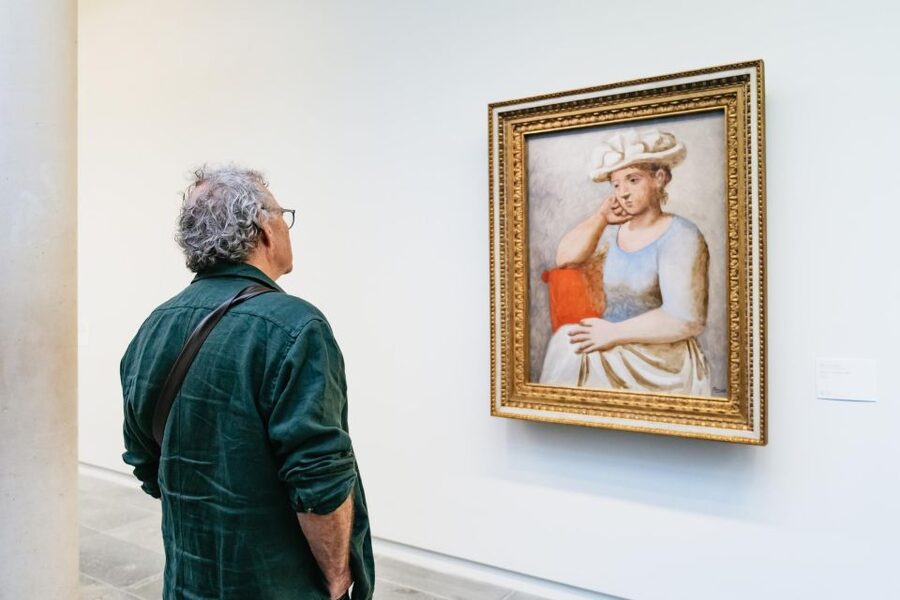
- The different stages in Picasso through interpretations of nude models
- Works by artists such as Modigliani and Utrillo (with what’s on view varying by season)
- A general sense of how art keeps evolving, room to room
This is a practical benefit for you: if you’re not an art history expert, you still leave with a mental map. If you are an art history fan, you’ll like how the route gives you connecting tissue between artists you might otherwise treat separately.
Group size, pacing, and what the experience feels like

This isn’t a sprint tour, but it isn’t a slow museum wander either. It’s about 2 hours, and it walks a moderate amount inside and outside.
What you’re likely to feel:
- A focused pace that keeps you from getting lost in the collection
- Enough explanation time to understand why you’re looking at each work
- A quieter listening environment in certain rooms where speaking may be restricted
A small but important practical note: some rooms inside the museum have rules that require quiet or restricted right to speak. If you’re someone who asks lots of questions out loud, you’ll want to keep it respectful and follow the guide’s cues.
Practical details that can make or break your day
These are the practical points I’d actually plan around:
What to bring
Bring your passport or ID card. You’ll want weather-appropriate clothing for the Tuileries Gardens walk, since the tour runs rain or shine.
What not to bring
No luggage or large bags are allowed. If you’re traveling light, this is easy. If you’re stuck with a big day bag, plan to rethink what you carry.
Languages
Guides are available in French, English, Russian, Italian, Spanish, German. If you have a preferred language, pick your option carefully so you get the full explanation.
Guide quality shows up in the details
The reviews are full of praise for guides like Z, Sunday, Malaika, Barbara, Belen, and Lily. The common theme is how they translate art history into something you can feel and understand. One stand-out example: Barbara has been praised for engaging a 9-year-old granddaughter by drawing her into the paintings and the artists’ lives. That tells me the guides are used to adjusting how they teach.
Price and value: is $128 worth it?
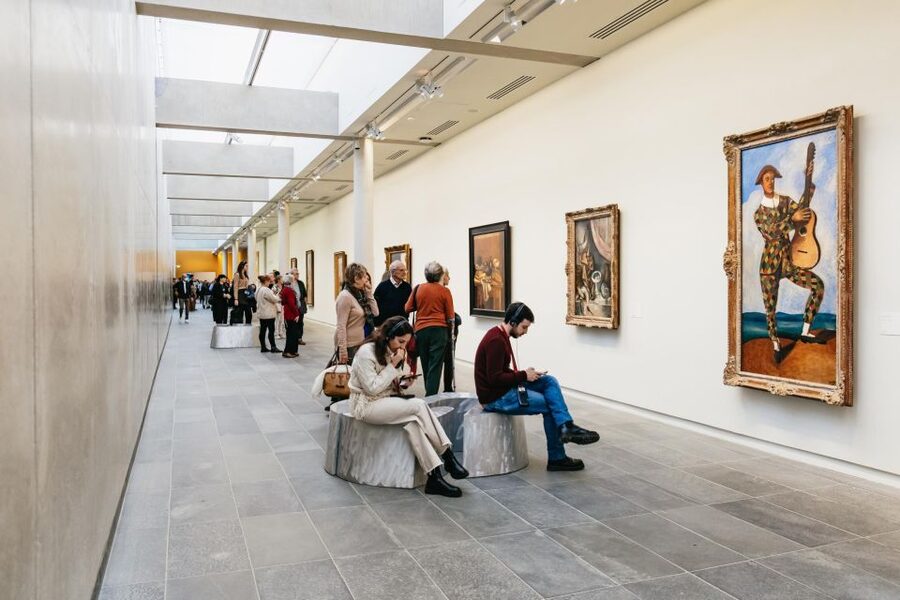
At $128 per person for about 2 hours, this sits in the paid-guided-tour tier. You’re paying for three things you’ll notice right away:
- Skip-the-line entry
Time is money in Paris. You’re buying back minutes and reducing stress.
- A live art historian guide
Orangerie is famous, but the value of a guided approach is the context—how you interpret what you see.
- A structured route
With a concentrated museum plan, you’re less likely to wander aimlessly and miss the ideas the museum represents.
If you’re the type who likes going deep on a short list of major works, this can feel like a smart use of your day. If you’re comfortable doing museums unguided and you don’t care much about art context, you might decide you’d rather self-tour. But if you want the paintings to mean something beyond names, the guide is what you’re really paying for.
Should you book this Orangerie skip-the-line guided tour?
I think it’s a strong choice if you want:
- Monet’s Water Lilies with real guidance, not just quick photos
- A clear sense of how French art shifts from the 19th century into the early 20th
- Less time wasted in line and more time listening, looking, and absorbing
- A small group experience with a guide who actually interacts
Skip it only if:
- You need an itinerary designed for mobility limitations (this one isn’t suitable)
- You hate walking at all, even moderate walking
- You’re carrying large bags and don’t want to handle restrictions
If your goal is to leave Orangerie feeling like you understood what you saw, this tour is built for that.
FAQ
How long is the Orangerie skip-the-line guided tour?
It lasts about 2 hours. Exact starting times depend on availability.
Does this tour include skip-the-line entry?
Yes. It includes a skip-the-line entrance ticket to Musée de l’Orangerie.
Who provides the tour guide, and what kind of guide is it?
You get a live guide described as an art historian, and the tour includes a museum tour.
Where do we meet, and where does the tour end?
The meeting point can vary depending on the option booked, and the tour ends back at the meeting point.
Is the tour suitable for people with mobility impairments?
It is not suitable for people with mobility impairments. You should contact the activity provider if you have specific mobility needs.
What should I bring with me?
Bring a passport or ID card and wear weather-appropriate clothing.
Are luggage or large bags allowed?
No luggage or large bags are allowed.
What group size should I expect?
The tour runs with a maximum of 8 guests per guide for a more intimate experience.
What languages are available?
French, English, Russian, Italian, Spanish, and German.
Does the tour run in bad weather?
Yes, it runs rain or shine.