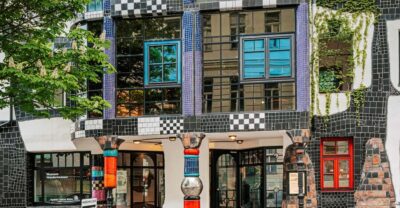
REVIEW · MIAMI
Miami: Museum of Graffiti Admission
Book on GetYourGuide →Operated by Museum of Graffiti · Bookable on GetYourGuide
Graffiti has a timeline, and it tells a story. This admission gets you into the Miami Museum of Graffiti for a chronological look at U.S. graffiti and an audio tour narrated by co-founder Ket, plus the art energy of Wynwood outside the door.
I especially like how much you get for $16: indoor exhibitions, a fine art gallery, and twelve exterior murals that turn your museum ticket into a walking visit. One note: the museum can feel small if you’re expecting a huge, hours-long museum campus, so go with the right expectations.
In This Review
- Key highlights worth planning around
- Museum of Graffiti Admission in Wynwood: What you’re really paying for
- The chronological exhibit: How graffiti went from street origins to American culture
- Indoor exhibition space, fine art gallery: The museum’s “why it matters” rooms
- Twelve exterior murals around the museum: When your ticket turns into a walk
- Audio tour narrated by Ket: How to get context without slowing everyone down
- Big artist names you’ll spot: From Kaws to Phase 2
- Wynwood murals nearby: What to plan if you’re also doing the Walls
- Gift shop with limited-edition graffiti merchandise
- Price and value check: Is $16 a good deal?
- Should you book the Museum of Graffiti admission in Miami?
- FAQ
- What’s included with the Museum of Graffiti admission?
- Is Wynwood Walls included in this ticket?
- How long is the experience?
- Is there an audio tour?
- Are food and drinks allowed?
- Is the museum wheelchair accessible?
Key highlights worth planning around
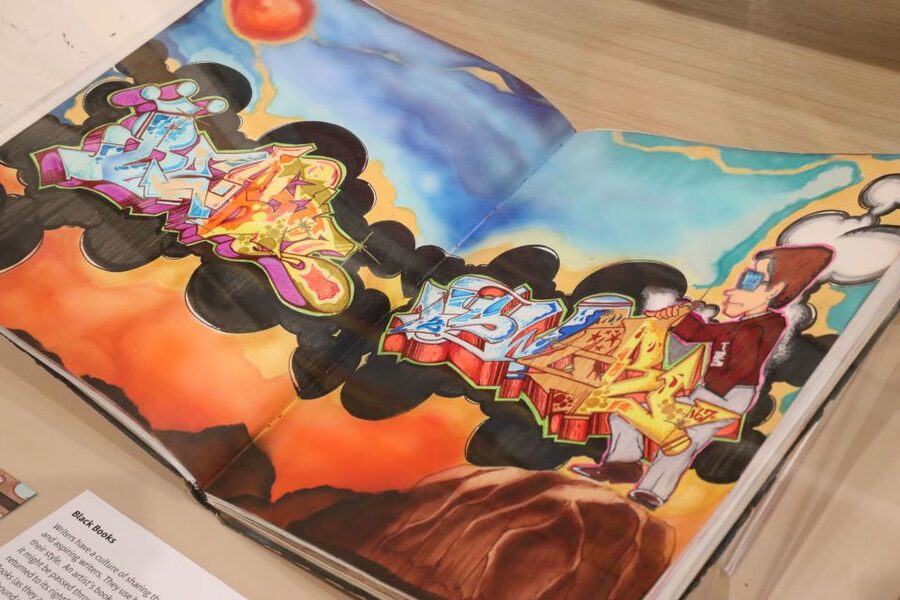
- Audio tour with Ket: You get narration from the museum’s co-founder for built-in context.
- Chronological storytelling: The exhibit path is built to show how graffiti moved from early roots into American design and culture.
- Hundreds of artists shown: You’ll see work attributed to artists including Kaws, Futura 2000, Dondi White, Phase 2, and Rammellzee.
- Twelve outdoor murals: The experience doesn’t end indoors; it keeps going outside.
- Wynwood area, but not the Wynwood Walls ticket: You’re in the neighborhood, yet the Wynwood Walls entrance is separate.
- Gift shop with limited-edition items: If you like collecting, this is set up for that.
Museum of Graffiti Admission in Wynwood: What you’re really paying for
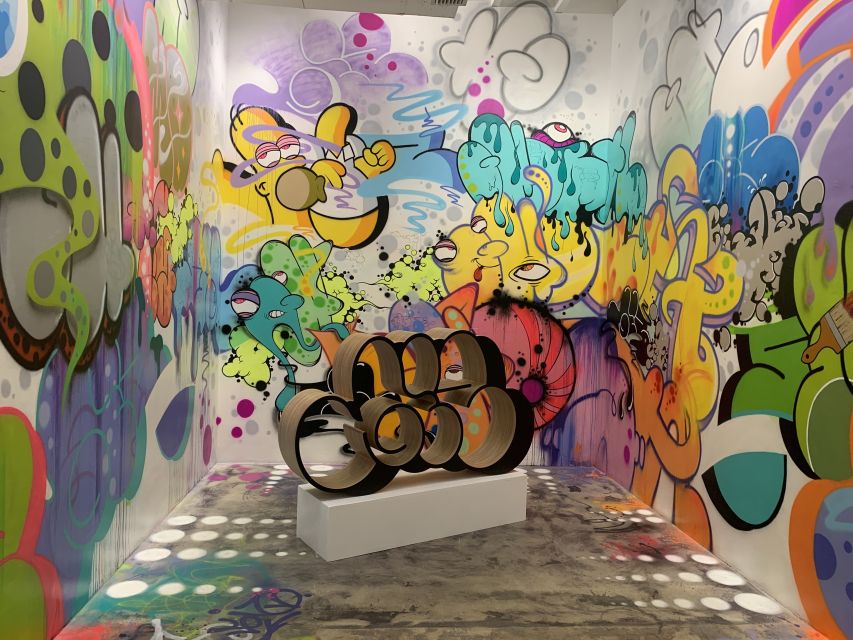
The Miami Museum of Graffiti is built around preservation and explanation. You’re not just looking at “street art” as a novelty; the museum frames graffiti as a creative movement with influence across design, fashion, advertising, and galleries. That angle matters, because it changes how you look at the work. Instead of asking what it looks like, you start asking how it became part of mainstream culture.
Location is a big part of the value. The museum sits in Wynwood, an area known for mural-covered streets. Your ticket is for the Museum of Graffiti itself, but you’re still steps away from the wider Wynwood mural scene. That makes it easy to turn this into a true neighborhood day instead of a one-room stop.
You’ll also notice the experience is designed to be guided, even if you go at your own pace. Guides are available in the exhibition space if you want extra context, and there’s an audio option that helps you move efficiently.
You can also read our reviews of more museum experiences in Miami



The chronological exhibit: How graffiti went from street origins to American culture
The centerpiece of the visit is a chronological journey through U.S. graffiti. The museum is set up to explain the movement’s humble origins and then trace how graffiti imagery and styles grew legs—ending up in places you might not have expected, like fashion, advertising, and gallery settings.
If you like art history that’s not trapped behind glass labels, this format can feel refreshing. A timeline helps you connect the dots: you see how styles evolve and how different approaches show up over time. It also makes the museum more useful if you’re a first-timer. Instead of standing in front of random pieces and hoping it all clicks, you follow a story.
You’ll see artwork connected to a large number of artists. The museum highlights several big names—Kaws, Futura 2000, Dondi White, Phase 2, and Rammellzee—so there’s a good chance you’ll recognize at least a couple of references even if you’re not a lifelong graffiti scholar.
Indoor exhibition space, fine art gallery: The museum’s “why it matters” rooms
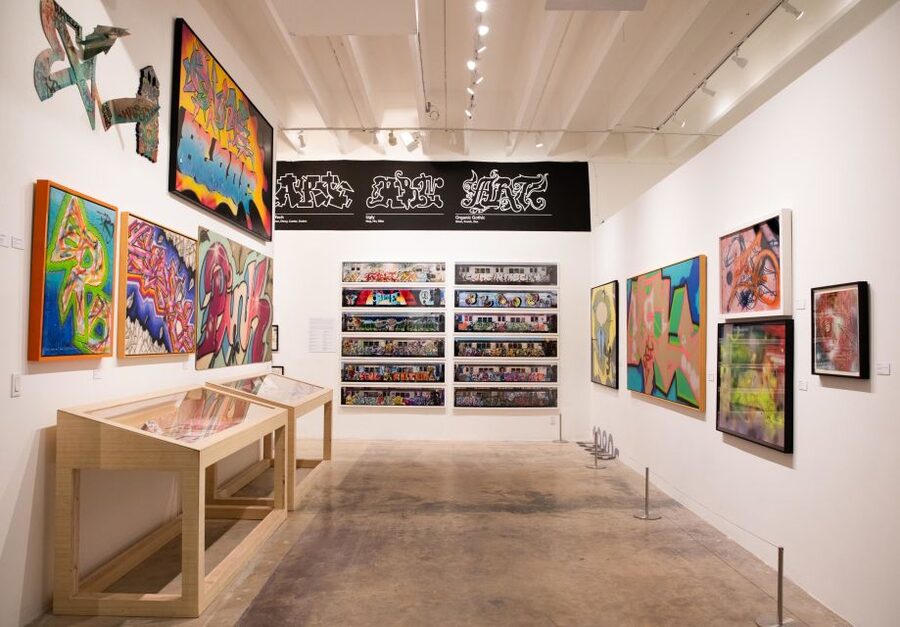
Inside, the museum experience includes an indoor exhibition space and a fine art gallery. This is where the museum does its most “explainer” work. Graffiti can be tricky to interpret at first glance because it’s often tied to place, time, and community. The indoor rooms help translate that energy into a curated museum context.
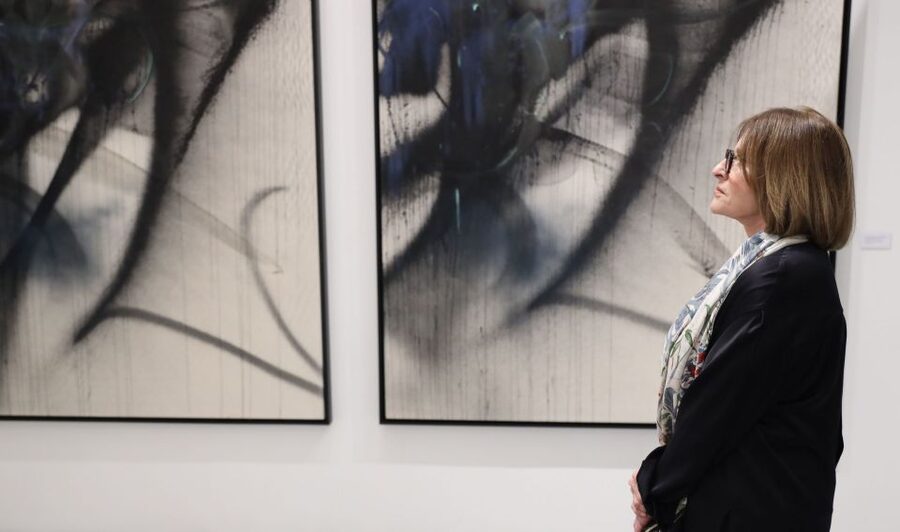
The fine art gallery angle is particularly useful if you want to understand the movement’s artistic credibility. You’re not just seeing spray-paint aesthetics; you’re seeing how graffiti-related work sits in the broader world of visual art. That’s also why this museum can work for non-experts. You don’t need technical jargon. You just need the museum’s framing, and then you can judge for yourself.
One practical point: plan to take your time reading the context rather than sprinting through the rooms. The chronological setup rewards that slower approach.
Twelve exterior murals around the museum: When your ticket turns into a walk
A big reason this admission feels like more than a typical indoor museum stop is that it includes twelve exterior murals. These are part of the museum experience, so your ticket covers both indoor exhibition time and outdoor mural time.
This matters because graffiti is inherently public-facing. Even when the museum is doing preservation, the outdoor murals bring back the original street-art setting: larger scale, direct connection to the street, and a more immediate visual impact. If you’re a photographer, you’ll probably find yourself pausing more outdoors than inside. The surfaces, angles, and spacing around the murals change what you can see and how it reads.
Do note that the outdoor portion also means you’ll want decent footwear. And depending on the time of day you go, lighting can shift how the colors pop. If you have a flexible schedule, late afternoon can be a pleasant time for walking mural areas.
Audio tour narrated by Ket: How to get context without slowing everyone down
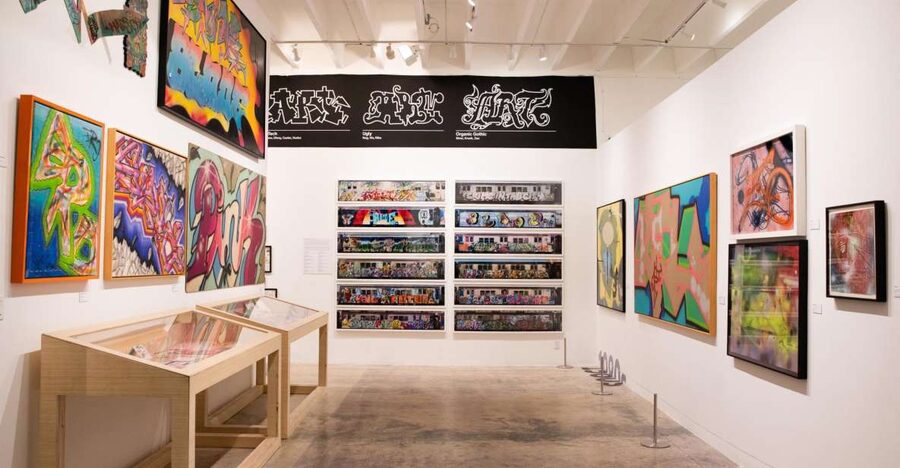
The museum includes an audio tour narrated by co-founder Ket. Even if you prefer to move fast, the audio helps you build a mental map. It gives you context as you go, which is the whole point of a museum like this. You’re not just seeing pieces; you’re learning how the movement is positioned and why certain works matter.
If you like to connect stories to visuals, an audio guide is a strong option. It also gives you something you can’t always get from a quick conversation with staff—consistent narration and a steady pace. You can stop, rewind, and keep going without holding up anyone else.
On top of audio, guides are available throughout the exhibition. That’s helpful if you want more specific answers, like what you should be looking for in a particular piece or how a style fits into the timeline. You’re not stuck with the audio only.




Big artist names you’ll spot: From Kaws to Phase 2
One of the most satisfying parts of the museum is seeing recognizable graffiti and street-art figures represented in one place. The museum specifically includes artwork associated with Kaws, Futura 2000, Dondi White, Phase 2, and Rammellzee.
Why this is valuable for you: it helps you go from “I’ve heard the names” to “I get what people are talking about.” Graffiti culture can be full of references. Seeing the work connected to those references in an organized setting makes the culture feel less vague.
Also, the museum emphasizes that graffiti art shows up across mediums and industries. That gives meaning to why you’re seeing artists in different styles and approaches. Even if you don’t know the background of every name, the timeline structure and on-site context make it easier to interpret what you’re looking at.
If you care about fashion, advertising, or design, pay attention to how the museum frames the crossover. That’s where graffiti becomes more than a street phenomenon.
Wynwood murals nearby: What to plan if you’re also doing the Walls
Your ticket is for the Museum of Graffiti, and the entrance to Wynwood Walls is not included. That’s important because Wynwood is famous for multiple mural attractions, and it’s easy to assume everything is bundled.
So here’s a practical way to plan: treat this admission as the “graffiti history + curated museum framing” piece, and then decide separately whether you want to add Wynwood Walls. Because you’re in the neighborhood, you can combine them smoothly, but you shouldn’t expect your ticket to cover the Walls.
In practice, this means you should budget a little extra time if you want both. If you’re short on time, prioritize the museum if you want context, and prioritize Wynwood Walls if you want to focus on large-scale street murals as an outdoor spectacle.
Gift shop with limited-edition graffiti merchandise
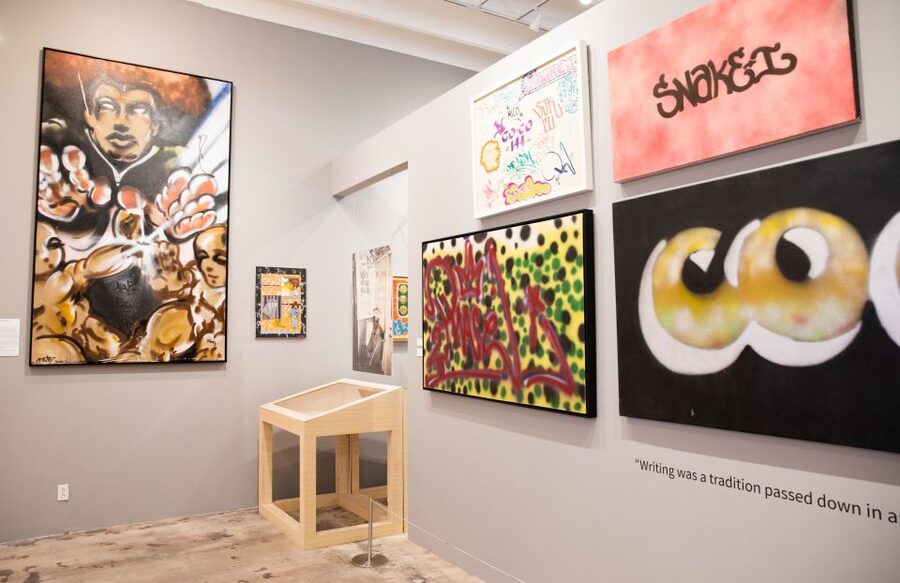
The museum experience includes a world-class gift shop with limited-edition merchandise and exclusive items from talented graffiti artists. If you’ve ever walked out of an art museum with nothing but a postcard, this shop setup can change that.
The reason I’d take the shop seriously: graffiti culture has a strong collector side, and limited drops tend to feel part of the culture, not an afterthought. The museum’s shop is specifically described as stocked with limited-edition and exclusive items, so it’s built for fans who want something more specific than generic souvenirs.
Even if you don’t plan to buy, it’s worth stepping through. It gives you a sense of how the museum connects street culture to design and art markets.
Price and value check: Is $16 a good deal?
At $16 per person, the Museum of Graffiti admission is priced like an affordable arts stop, not a premium, full-day museum ticket. For the money, you’re getting a mix of formats: indoor exhibition space, a fine art gallery, and twelve exterior murals, plus access to an audio tour and on-site guides.
That said, value depends on what you want. If you love graffiti culture and want a guided explanation with named artists, you’re likely to feel the price makes sense. If you expect a massive multi-building museum experience, you could feel the museum is small relative to the ticket cost. One downside to keep in mind is that the museum can feel tight in scale, so it’s not the best choice if you want a long, wandering day.
My practical advice: plan this as a focused art stop within a larger Wynwood day. That way, you won’t judge the museum in isolation.
Should you book the Museum of Graffiti admission in Miami?
Book it if you want a clear, chronological way to understand how graffiti moved into mainstream American culture. The combo of indoor exhibits, outdoor murals, and the audio tour narrated by co-founder Ket is a strong match for first-timers and art-curious people who still want real context.
Skip or rethink if you’re shopping for a giant museum campus or you need lots of interactive features to feel satisfied. In that case, you may want to pair Wynwood options differently and treat this as a short art stop rather than your main event.
If you’re heading to Wynwood anyway, this is an easy, smart add-on—especially if you like seeing graffiti framed as design, fashion, advertising, and gallery art instead of just street tagging.
FAQ
What’s included with the Museum of Graffiti admission?
Admission to all exhibitions is included.
Is Wynwood Walls included in this ticket?
No. Entrance to the Wynwood Walls is not included.
How long is the experience?
It’s listed as valid for 1 day.
Is there an audio tour?
Yes. The museum includes an audio tour narrated by the museum’s co-founder, Ket.
Are food and drinks allowed?
No. Food and drinks are not allowed.
Is the museum wheelchair accessible?
Yes, the museum is wheelchair accessible.