
REVIEW · NEW YORK CITY
NYC: Whitney Museum Ticket
Book on GetYourGuide →Operated by The Whitney Museum of American Art · Bookable on GetYourGuide
Art plus city views.
The Whitney Museum in the Meatpacking District makes a strong case for why modern American art belongs downtown: you get a top-tier collection, and you also get sky-high outdoor viewing from the building itself. Your ticket is self-paced, and the downloadable audio guide helps you see more than just what’s on the label.
I love how the museum tackles 20th-century American art head-on, with big names you’ll actually recognize alongside artists you may not know yet. I also love the setting: the Whitney’s Renzo Piano architecture funnels you toward the galleries and then rewards you with four levels of outdoor terraces.
The main drawback to plan around is crowding—especially if you go on a busy day. If you’re trying to linger with the art, pick a calmer time and give yourself breathing room.
In This Review
- Key Things That Make This Ticket Worth Your Time
- Entering The Whitney: Renzo Piano’s Meatpacking District First Impression
- What You’ll See: 20th-Century American Art Plus Today
- Picking Your Route with the Downloadable Audio Guide and Free Wi‑Fi
- The Terraces You’ll Plan Around: Four Levels of Outdoor City Views
- Ticket Value at $30: What You’re Actually Paying For
- Rules That Affect Your Comfort: Headphones, No Food, No Large Bags, No Coat Check
- Best Fit: Who This Whitney Ticket Works For
- Should You Book This Whitney Museum Ticket?
- FAQ
- Where do I redeem my voucher for the Whitney Museum?
- What’s included with the Whitney Museum ticket?
- What languages is the audio guide available in?
- How long is the ticket valid?
- Can I use the museum map and mobile guide inside?
- What should I bring to the museum?
- Is food or drinks allowed inside?
- Is there a coat check for jackets and bags?
- Can I cancel for a refund?
Key Things That Make This Ticket Worth Your Time

- Four-story outdoor terraces with standout views of Lower Manhattan and the High Line
- 20th-century American art focus that stretches from Pop Art to Abstract Expressionism and beyond
- Audio guide in English and Spanish so you can move at your pace
- Free onsite Wi‑Fi to pull up your mobile guide and museum map digitally
- Permanent collection scale (thousands of works) plus rotating temporary exhibitions
- Rules that affect comfort: light packing helps since no large bags and no coat check
Entering The Whitney: Renzo Piano’s Meatpacking District First Impression
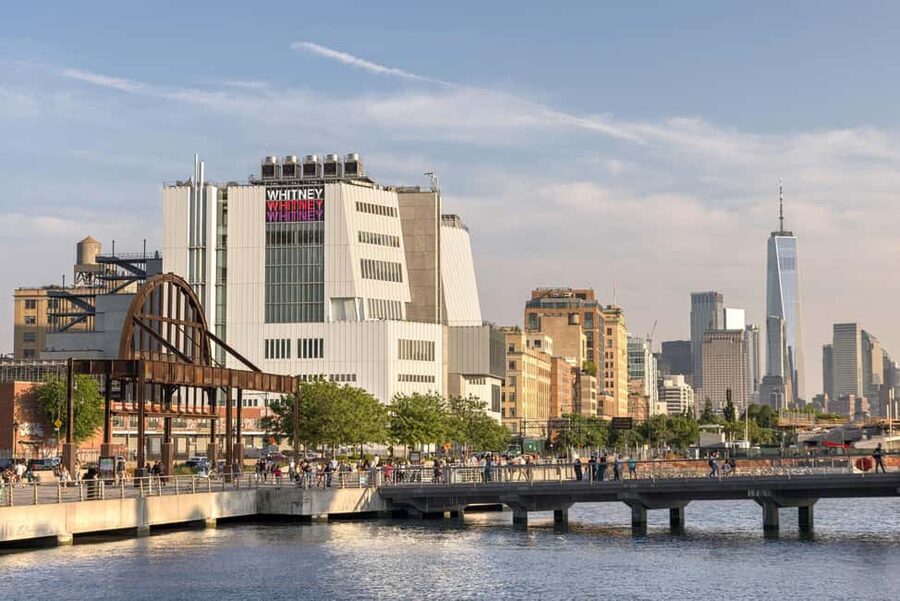
The Whitney Museum sits in the Meatpacking District at 99 Gansevoort Street, so you’re already in a part of Manhattan where walking is the whole plan. Even before you settle into the galleries, the building’s design makes you feel like you’re moving through an art experience, not just a museum visit.
This is a museum housed in a structure by Renzo Piano, and you’ll notice the way the spaces open up—especially around the outdoor balconies. It’s the kind of architecture that keeps pulling you upward and outward, turning the city into part of the museum day.
Your ticket is valid for one entry for the specific date you reserve, and it includes admission to both permanent and temporary exhibitions. That matters because you’re not limited to just one theme. You can spend your time building a personal route around what you want to see that day.
A few more New York City tours and experiences worth a look



What You’ll See: 20th-Century American Art Plus Today

The Whitney’s core strength is its mission: showcasing one of the world’s foremost collections of 20th-century American art, with programs that also reach into contemporary work. If you’ve ever felt like American art is treated as an afterthought in some museums, the Whitney pushes back hard—and it does it with scale.
The permanent collection includes more than 21,000 works across painting, sculpture, drawings, prints, photographs, film, video, and new media. It’s also huge in artist count—more than 3,000 artists—so you’ll get both familiar names and a lot of you-shouldn’t-miss pieces that aren’t strictly household words.
The museum’s emphasis on living artists is a major part of the Whitney’s identity. You’ll see the museum isn’t only looking backward; it’s building a record of what’s being made now, while keeping key work from earlier decades in constant view.
If you want some anchor points, expect to run into major artists such as Jackson Pollock, Georgia O’Keeffe, and Andy Warhol. And stylistically, the museum is built around movement in American art: Pop Art, Minimalism, Abstract Expressionism, Modernism, and contemporary work all show up in the Whitney’s orbit.
Temporary exhibitions are part of the deal too. The museum runs about 15 exhibitions a year, ranging from single-artist focuses to group shows and larger historical surveys. That makes your visit feel different even if you come back later.
Picking Your Route with the Downloadable Audio Guide and Free Wi‑Fi

This ticket is designed for the way most people actually enjoy museums: self-paced exploration. You’re not locked into a strict schedule, and the audio guide gives you a path to follow without feeling rushed.
The audio guide is included and available in English and Spanish. You’ll want headphones since the experience depends on audio. Plan for that before you arrive, because once you’re inside, you’ll be spending less time thinking and more time absorbing.
One practical bonus: the museum offers free onsite Wi‑Fi, and you can connect anywhere in the museum to access digital content like the mobile guide and museum map. This is helpful because it reduces the need to constantly stop, hunt for labels, or figure out where you are in the building.
Here’s a smart way to use it without turning your visit into homework:
Start with your top 5 artists or movements, then let the audio guide connect the dots as you move. If a gallery feels crowded or you spot a long line for a specific work, you can pivot. That flexibility is a big part of the value of this ticket.
The Terraces You’ll Plan Around: Four Levels of Outdoor City Views

The Whitney’s outdoor terraces are not a side feature—they’re one of the reasons this museum feels so memorable. You get soaring city views from multiple levels, and the museum’s design makes the terraces feel like part of the museum flow, not a quick photo stop.
The views aren’t generic. You can look out over Lower Manhattan and the High Line, and you’ll feel the difference between looking at art indoors and then switching your eyes to the city outside. That pause helps, too—especially if you’re seeing art across different styles and time periods.
Because the terraces are outdoors, your experience will change with the time of day. If you’re sensitive to crowds, aim for earlier hours when possible so you’re not competing for space. If you’re chasing skyline photos, plan for lighting and give yourself a little time to move between levels.
The terrace setup also works well as a reset point. You can come back in with fresh eyes, use the audio guide to continue your route, and then head out again if a particular view pulls you.
Ticket Value at $30: What You’re Actually Paying For
At $30 per person, this isn’t the cheapest museum option in New York. But the value isn’t only the collection—it’s the package: admission to the museum, plus a built-in audio guide experience and access to digital tools through onsite Wi‑Fi.
The Whitney is not a small museum, and it’s built around serious depth. When you’re paying for a ticket here, you’re paying for time in a major collection that includes thousands of works and a full year’s worth of rotating exhibitions.
There’s also another practical angle: buying ahead can help you avoid slowdowns. People often appreciate that pre-purchased tickets can reduce time spent waiting in a general line, letting you get into the museum faster.
One caution: ticket resellers sometimes price differently than the museum itself. If you’re price-sensitive, check the museum’s options too, since you may spot differences depending on how you book.
So is $30 “worth it”? If you care about modern American art and you want architecture + views built into the experience, it usually adds up. If you only want one small corner of the collection or you dislike museums with crowds, you’ll feel the cost more sharply.
You can also read our reviews of more museum experiences in New York City



Rules That Affect Your Comfort: Headphones, No Food, No Large Bags, No Coat Check
A smooth visit depends on knowing what the museum does and doesn’t allow. From the rules provided, you should plan on: no food and drinks inside, and no luggage or large bags. That alone changes how you pack for the day.
You’ll also want passport or ID card on hand. And yes, this is one of those museums where headphones are necessary to get full value out of the audio guide.
The other big comfort issue is about storage. The information you have says there are currently no coat-check facilities available. If you’re visiting in colder months or you carry a bulky layer, this is something to plan around. Traveling light helps here.
None of this ruins the visit, but it affects your day flow. You’ll spend less time thinking about belongings and more time using your time where you want it—in the galleries and out on the terraces.
Best Fit: Who This Whitney Ticket Works For
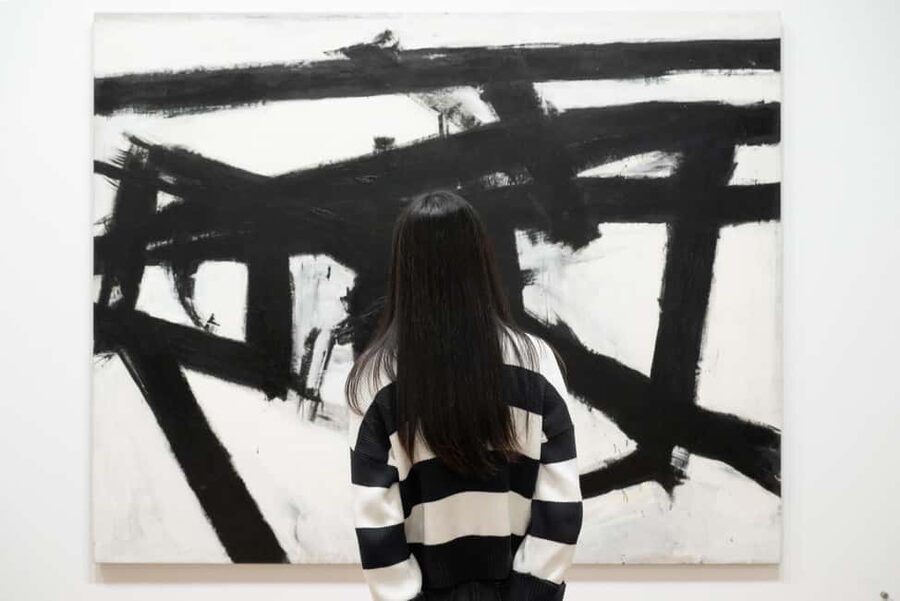
If you’re into modern American art—especially the kinds of movements that feel more intellectual than decorative—you’ll be in your element. The Whitney’s mix of Pop Art, Minimalism, Abstract Expressionism, and more recent work makes it a good fit for people who want variety without leaving the American-art conversation.
This ticket is also a strong choice if you like to explore at your own pace. The audio guide plus Wi‑Fi map means you can slow down where you care, speed up where you don’t, and still feel like you understood what you saw.
Architecture fans will likely enjoy it too. The building’s Renzo Piano design and the outdoor terraces create natural breaks that make long museum time feel less exhausting.
One small planning note: some visitors prefer easier-to-read label text. If you rely on museum text a lot, keep that in mind and plan to spend a bit more time with each artwork if needed.
Should You Book This Whitney Museum Ticket?
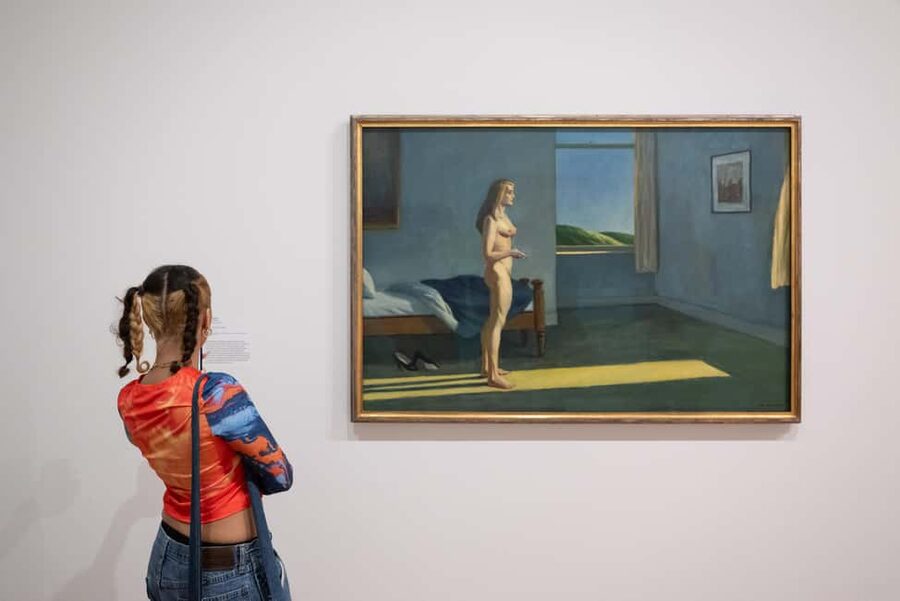
I’d book this ticket if you want a real Whitney-style day: major 20th-century American works, a self-paced audio guide experience, and those terrace views that turn the visit into more than gallery rooms. The $30 price makes more sense when you’ll actually use the audio guide and linger across both permanent and temporary spaces.
Skip or rethink if you hate crowds or you’re arriving on a peak day without a plan, because you may find it harder to settle in and focus. Also consider the museum rules: if you can’t travel light (no large bags, no coat check), you’ll feel that friction.
If you’re flexible on timing and you want a modern-art stop with a built-in city-view payoff, this is a solid choice.
FAQ
Where do I redeem my voucher for the Whitney Museum?
Redeem your voucher at the Admissions Counter at The Whitney, 99 Gansevoort Street, New York, NY 10014.
What’s included with the Whitney Museum ticket?
Your ticket includes entry to the Whitney Museum of American Art, a guide, a downloadable audio guide, and access to Wi‑Fi on site.
What languages is the audio guide available in?
The audio guide is available in English and Spanish.
How long is the ticket valid?
The ticket is valid for one day. You’ll need to check availability to see the starting times.
Can I use the museum map and mobile guide inside?
Yes. Connect to the museum’s free Wi‑Fi to access the mobile guide, museum map, and other digital content.
What should I bring to the museum?
Bring passport or ID card and headphones.
Is food or drinks allowed inside?
No. Food and drinks are not allowed.
Is there a coat check for jackets and bags?
No. The information provided says there are currently no coat-check facilities available.
Can I cancel for a refund?
Yes. The ticket offers free cancellation up to 24 hours in advance for a full refund.