REVIEW · PARIS
Louvre Museum Small Group Spanish Guided Tour
Book on Viator →Operated by France Tourisme · Bookable on Viator
The Louvre can swallow a day whole—this tour helps you bite back. You get a Spanish-speaking guide plus priority access so you spend more time looking and less time figuring out where to go.
I love that the group is intentionally small (max 6 people). That size makes it easier to keep questions moving and actually hear the guide without shouting over a stadium. I also like the “greatest hits” focus: you’ll cover major works such as Mona Lisa, Raft of the Medusa, and Venus de Milo, then you’re released to roam.
One possible downside: a highlight tour is not an everything tour. Even with priority entry, lines can still happen, and the guided portion moves at a fast pace, so you’ll need to use the free time wisely.
In This Review
- Quick, Useful Takeaways
- Why This Spanish Louvre Tour Works When You Have Limited Time
- Meeting at Rue de l’Amiral de Coligny and How Priority Entry Plays Out
- The 2-Hour Guided Portion: From the Mona Lisa to Venus de Milo
- Tip on seeing the big paintings without losing your mind
- What You Do After the Tour Ends (Your All-Day Ticket)
- Small-Group Size: Why 6 People Changes Everything
- Price and Value: Is $80 Fair for the Louvre?
- Best Fit: Who Should Book This Tour
- Should You Book It? My Practical Verdict
- FAQ
- How long is the Louvre small-group Spanish guided tour?
- How many people are in the group?
- Is the guide Spanish-speaking?
- What is included in the price?
- Do I get access to the Louvre after the guided tour?
- Does the tour include priority access?
- Where do I meet the guide?
- Is this experience refundable?
- Can I bring a service animal?
- Is it suitable for most travelers?
Quick, Useful Takeaways
- Spanish guide for real clarity: You’ll get commentary in Spanish, with a guide who can manage the museum’s complexity in plain language.
- Priority access, not magic: Pre-booking helps, but entry lines can still run long at peak moments.
- Small group (up to 6): Better attention, better flow, fewer “where are we?” moments.
- Highlights that matter: Mona Lisa, Raft of the Medusa, and Venus de Milo are built into the route.
- All-day ticket included: You can slow down after the tour and revisit favorites.
Why This Spanish Louvre Tour Works When You Have Limited Time

If you’ve ever walked into the Louvre feeling tiny, you’re not alone. It’s enormous, and without a plan you can spend hours drifting and still miss the big talking points. This tour is designed for the realistic traveler: you want structure, you want the famous works, and you want your time back.
The Spanish language element is a big deal. Even if your French is limited (mine would be), having your guide explain what you’re seeing in Spanish makes the museum feel less like a maze of labels and more like a story you can follow. And because the guide is part of a professional team and is described as multilingual, you’re less likely to get stuck when the museum gets crowded and the route needs quick decisions.
This kind of tour is also a confidence booster. Once you understand where the highlights are and how the museum is laid out, your solo wandering after the tour feels less chaotic. You’re not “just visiting.” You’re learning the museum’s rhythm.
You can also read our reviews of more guided tours in Paris



Meeting at Rue de l’Amiral de Coligny and How Priority Entry Plays Out
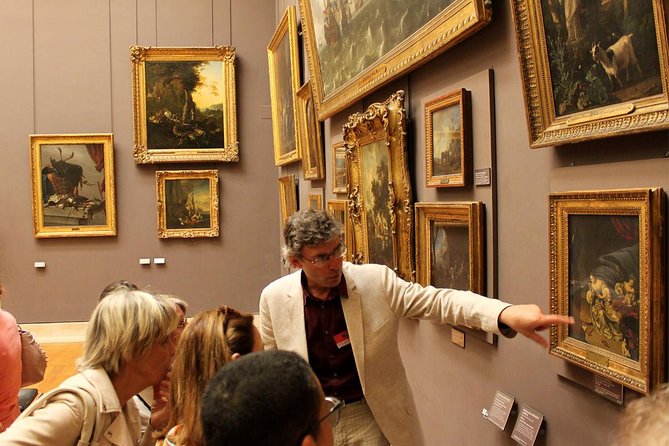
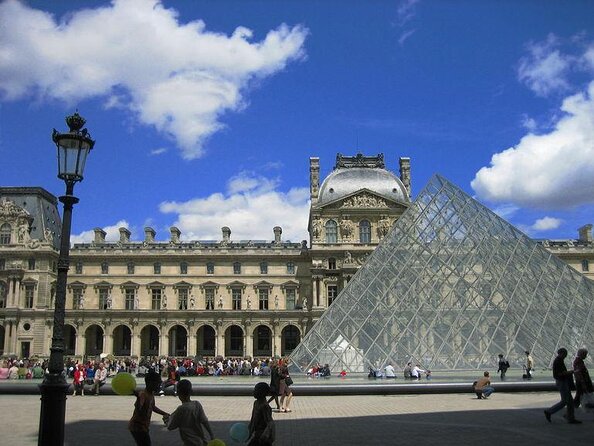
You start at 6 Rue de l’Amiral de Coligny, 75001 Paris, and the tour ends at the Louvre Museum (75001). That’s a practical location for getting in and out of the area without turning your morning into a scavenger hunt. It’s also near public transportation, which matters in Paris, where “close” and “easy” can be very different.
The ticket situation is important: your entrance ticket is valid for the day. That means even though the guided portion lasts about 2 hours, you’re not trapped in a timed box. After the tour, you can return to the areas you care about most.
Now the honest part: priority access helps, but it doesn’t always erase every line. Some past guests reported that the skip-the-line promise didn’t fully prevent delays at the entrance. I’d treat priority access as a better odds plan, not a guaranteed zero-wait scenario. If you’re traveling at a peak time, you should plan to arrive with patience energy. Early starts often help most, and the Louvre punishes lateness.
The 2-Hour Guided Portion: From the Mona Lisa to Venus de Milo
The guided part is about 2 hours, built around the museum’s must-see masterpieces. The idea is to walk a route that hits the work people actually remember—without trying to cover the entire museum floor by floor (because that would be impossible).
Here’s what you can expect conceptually during the tour:
- You’ll move as a group from highlight to highlight, with the guide explaining what you’re looking at and why it matters.
- You’ll get context that turns names and dates into something you can “read” with your eyes.
- You’ll hit major crowd magnets like Mona Lisa and major visual experiences like Raft of the Medusa and Venus de Milo.
The tone of the tour matters. Several guides were praised for being prepared and for giving explanations that feel grounded rather than robotic. Names that came up include Margot, Floren, and Florion—each described as professional, punctual, and attentive to the group. You shouldn’t assume you’ll get one of those specific guides, but it tells you the operator invests in the experience.
The drawback is also tied to the format: the tour is fast-paced. You’ll see a lot of key works, but you won’t linger for long, slow study during the guided portion. If your love language is standing still and absorbing every detail, save that for the free time after.
Tip on seeing the big paintings without losing your mind
When you reach a headline attraction, pick one thing to focus on immediately—expression, composition, lighting, or gesture—then let your eyes wander. That way you don’t just get a photo moment; you get an actual viewing moment. You’ll enjoy the museum far more in the long run.
What You Do After the Tour Ends (Your All-Day Ticket)
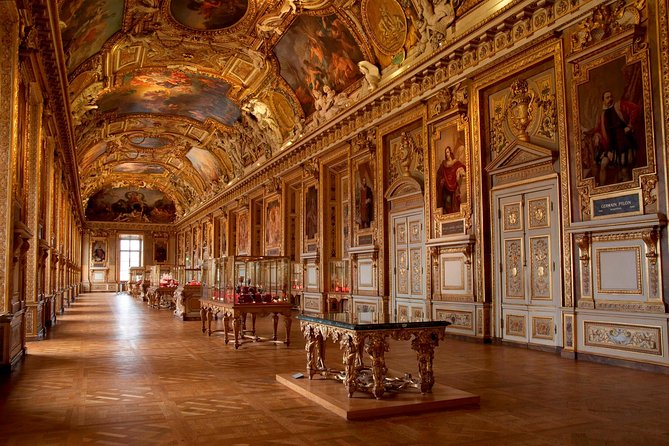
After the guided 2 hours, you get free time to stroll through the Louvre’s many spaces. This is where the value really expands.
Why? Because you can switch from “guided overview mode” to “choose your own adventure.” Want another look at Mona Lisa? You can. Interested in a different masterpiece you didn’t expect to love? You can follow that curiosity. The ticket validity for the whole day is what makes this more than a quick hit.
Here’s how I’d use the free time:
- Start with a second pass on whatever you liked most during the tour. Your memory will sharpen once you’ve heard the story.
- Then branch out to nearby areas at a slower pace. Don’t try to conquer everything. Pick a few zones and let time work for you.
- If the crowds spike in one room, step away and come back later. The Louvre’s crowd pattern can shift quickly, and your patience pays off.
If you’re an art fan, you’ll likely come out with a shortlist of favorites. Your job then is to do repeat viewing. Museums feel different on a second encounter, and this ticket setup makes that possible.
You can also read our reviews of more museum experiences in Paris




Small-Group Size: Why 6 People Changes Everything
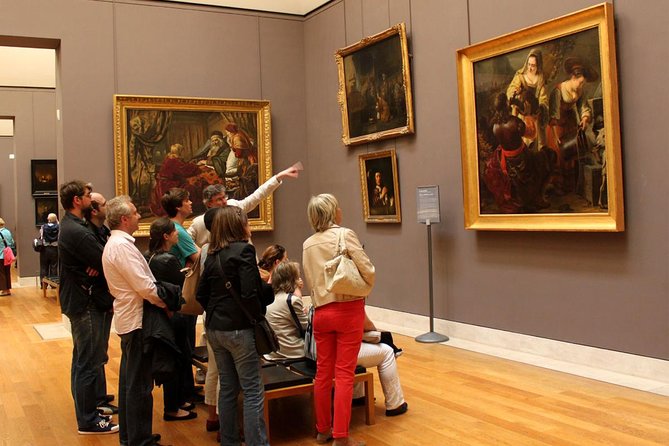
A group limited to 6 travelers is the sweet spot for the Louvre. Larger tours become loud and logistical. Smaller tours feel like a guided walk, not an organized herd.
In practice, that matters for three things:
- Questions don’t vanish. You can ask something and actually get an answer that fits the time window.
- The route can adjust. When a room gets packed, a small group can sometimes adapt with less friction.
- You stay oriented. Instead of getting pulled along by the momentum of dozens of people, you’re paying attention to where you are.
Several guests noted the guide’s performance and attention to the group, including attention to a person with a disability. That’s a good sign in a museum environment where stairs, crowds, and long routes can be challenging. It also suggests the guide focus isn’t only on facts—it’s on managing the group.
If you want a calmer visit, this format is a strong match. If you want zero structure, you can always do the museum independently—but you’ll likely spend longer figuring out what to see first.
Price and Value: Is $80 Fair for the Louvre?

$80 for about 2 hours, plus admission, plus priority access, plus a Spanish-speaking guide, sounds like a lot—until you compare it to what a Louvre visit costs you in time and mental energy.
Here’s the value math that matters:
- You’re paying for a guided route that covers major works you’d otherwise need to plan separately.
- Priority access reduces friction at entry, even if it doesn’t guarantee no waiting.
- Your ticket is valid for the whole day, so the guided portion is only part of what you paid for.
That all-day ticket is the hidden value. It turns the experience into a two-step visit: fast guided highlights first, then the slower real museum experience later. If you’re the type who wants to revisit favorite artworks, this setup helps you get more out of the time you’ve invested in getting to the Louvre.
One caution: a few reviews criticized the price as high relative to delays they experienced and the speed of the tour. That’s a fair perspective. If the day is packed and entry takes longer than expected, the “effort vs reward” can feel off. Still, the overall consensus leans positive, especially about guide quality and the usefulness of having direction.
Best Fit: Who Should Book This Tour

This tour is ideal if you:
- Want Spanish commentary and don’t want to rely on English-only audio guides.
- Have limited time and want the Louvre’s most famous artworks covered.
- Like the idea of a guided “starter route,” followed by independent roaming.
- Prefer a calmer experience over big-group mayhem.
It’s less ideal if you:
- Want to spend hours doing ultra-slow, room-by-room study during the guided portion.
- Get frustrated by any lines at all. Even with priority access, crowd dynamics can create delays at busy times.
- Are looking for a deep, museum-wide tour. This is highlights focused, not everything.
If you’re traveling with kids, older relatives, or anyone who benefits from clear direction, the small group size and guide-led route can be especially helpful. But anyone with mobility needs should note that the Louvre is a huge venue with lots of walking; this tour doesn’t remove those realities.
Should You Book It? My Practical Verdict
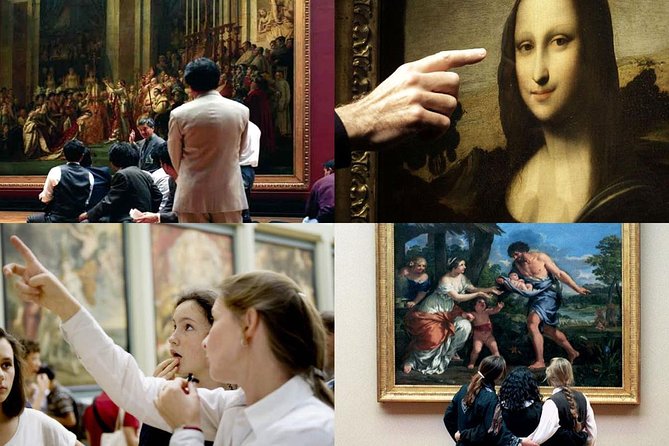
I’d book this tour if you want to maximize your Louvre day without turning it into a confusing marathon. The combination of Spanish guidance, small-group size, and an all-day ticket is the winning formula.
The only reason to skip is if your schedule is extremely tight and you’re certain you can’t tolerate any possible entrance delays, or if you prefer to wander without any structure whatsoever. In all other cases, this is a strong way to get your bearings fast and see the Louvre’s headline masterpieces with context.
If you do book, plan to use the free time after the tour like it matters. That’s where your “real Louvre visit” happens.
FAQ
How long is the Louvre small-group Spanish guided tour?
It lasts about 2 hours.
How many people are in the group?
The maximum group size is 6 travelers.
Is the guide Spanish-speaking?
Yes, the tour is a Spanish guided experience.
What is included in the price?
Your Louvre admission ticket is included.
Do I get access to the Louvre after the guided tour?
Yes. Your ticket is valid for the whole day, so you can stay and explore independently after the tour ends.
Does the tour include priority access?
The tour includes pre-booked tickets for priority access.
Where do I meet the guide?
The meeting point is 6 Rue de l’Amiral de Coligny, 75001 Paris.
Is this experience refundable?
No. It is non-refundable and cannot be changed.
Can I bring a service animal?
Service animals are allowed.
Is it suitable for most travelers?
Most travelers can participate.