REVIEW · KRAKOW
Krakow: Galicia Jewish Museum Entry Ticket
Book on GetYourGuide →Operated by Discover Cracow · Bookable on GetYourGuide
A day here can feel like opening an old family album. The Galicia Jewish Museum uses photos, documents, and displays to show Jewish life in Poland and the losses of the Holocaust. You’ll get a strong sense of place through the permanent show Traces of Memory, built around 140+ preserved images.
I especially like how the museum puts stories into context without pretending it’s light entertainment. Plan on the permanent exhibition plus rotating temporary exhibitions, and keep an eye out for on-site cultural programs such as concerts and author meetings if they’re running during your visit.
One possible drawback: this is ticketed museum entry, not a guided tour. So you’ll do most of the learning from the exhibits themselves and the museum’s materials.
In This Review
- Key things worth planning for
- Galicia Jewish Museum: a one-day stop with serious purpose
- Traces of Memory: the permanent exhibition you’ll remember
- Holocaust and WWII culture loss: what the museum chooses to show
- Temporary exhibitions, coffee shop, and the bookstore floor-plan you’ll appreciate
- How to plan your one-day museum visit without feeling rushed
- Price and value: does $6 cover what you want?
- Before you go: tickets, last entry, and your day’s timing
- Should you book this ticket?
- FAQ
- What’s included with the Galicia Jewish Museum ticket?
- Is a guided tour included?
- Do I need a printed ticket?
- Where can I print my ticket if I can’t print it at home?
- What time do I need to arrive?
- Is entry free with the Krakow City Card?
- How late can I cancel for a full refund?
Key things worth planning for

- Traces of Memory: permanent exhibition with 140+ photos and twelve years of artistic work behind it
- 800 years of Jewish culture: a long view of Jewish presence in Poland, not just one tragic chapter
- Holocaust and WWII culture loss: includes an exhibition focused on the destruction of culture during the Second World War
- Chris Schwarz’s photography story: the founder’s British photos connect to Jewish photography in Poland
- On-site programs: concerts, author meetings, lectures, and workshops may fit your day
- Practical comforts: a coffee shop and bookstore are on-site, so you can slow down
Galicia Jewish Museum: a one-day stop with serious purpose
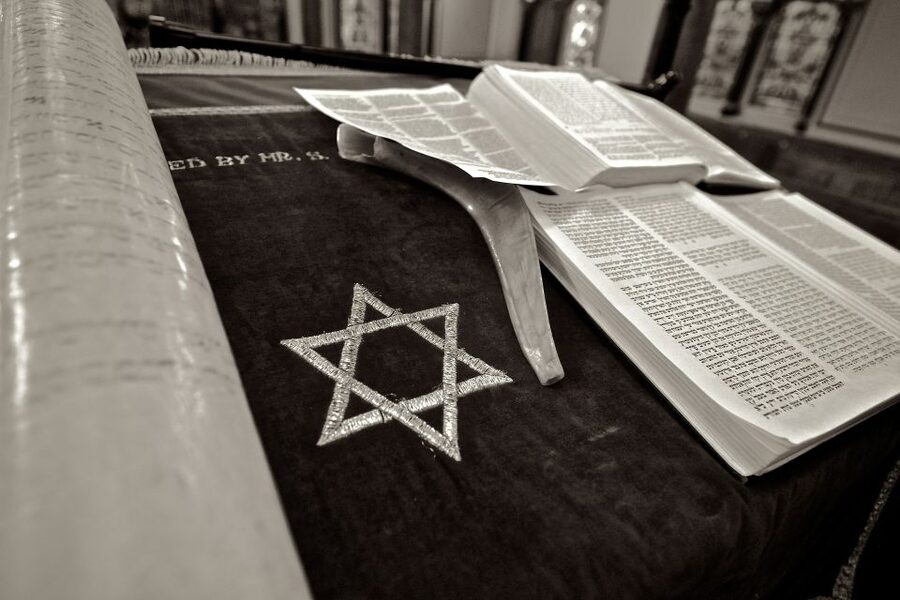
Krakow already has major museums. This one is different in tone. It’s built around memory, heritage, and how quickly culture can vanish—then it keeps going by showing what remains.
I like that the ticket covers the core exhibitions for a full day. You’re not rushed into a single room and out the door. Instead, you can pace yourself through the permanent exhibition and then add time for temporary exhibits and any on-site events that happen to coincide with your visit.
Also, the museum has a steady track record with visitors. It sits at a 4.3 rating from 75 bookings, and people consistently flag it as clean and informative—good signals when you’re paying to focus.
A few more Krakow tours and experiences worth a look


Traces of Memory: the permanent exhibition you’ll remember
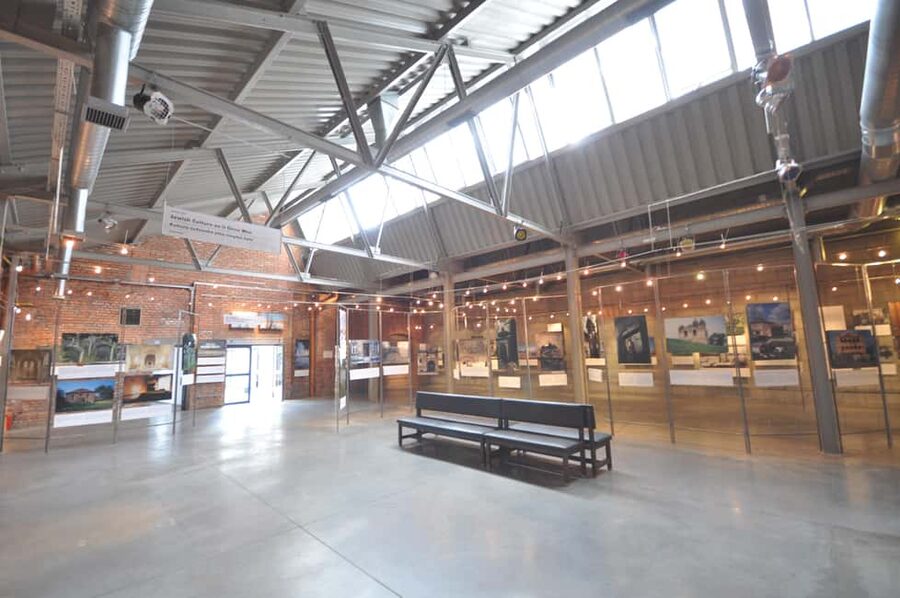
The main event is the permanent exhibition Traces of Memory. It’s described as the result of twelve years of artistic work, centered on over 140 photos preserved by the museum’s founder.
What makes this exhibit valuable is the way it uses images to show “traces” rather than just facts. You’ll be looking at preserved photographs that document the presence and future of Galicia’s Jewish world. It’s not only about the past—it’s about what those images help you reconstruct.
A detail worth noting: the museum explicitly frames the visit around commemorating 800 years of Jewish culture in Poland. That long timeline matters. If you’ve only encountered Jewish history through the Holocaust, this shift gives you a fuller, more human picture of how culture lived before it was attacked.
You’ll also see how the museum ties the photos to a specific creative thread. The founder, Chris Schwarz, is part of the story—his British photos relate to Jewish photography in Poland. He directed the museum until his death in 2007, which gives the place a strong “single vision” feel, like you’re walking through one person’s careful lifetime work.
Practical tip: slow down during the photo-heavy sections. If you try to skim, you’ll miss the point. Give yourself time to read captions and notice how images are grouped, since the exhibit is doing more than displaying photos—it’s shaping meaning.
Holocaust and WWII culture loss: what the museum chooses to show
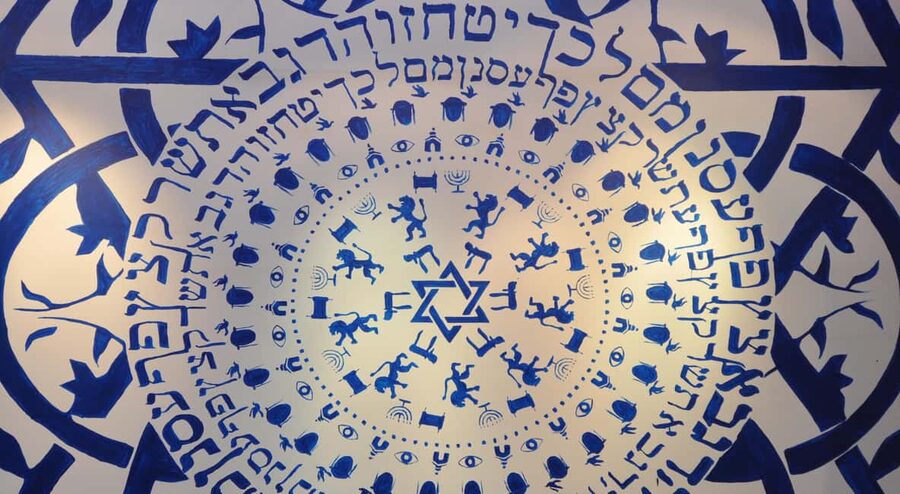
This museum doesn’t treat the Holocaust as an abstract topic. It includes content about Jewish heritage and the Holocaust, and it also has a special exhibition focused on the destruction of culture during the Second World War.
That second part is important for planning your emotions. You’ll be confronted with the idea that war didn’t just take lives—it tried to erase identity, language, art, and community memory. The museum’s approach, using a dedicated exhibition for cultural destruction, helps you understand the “how” and the “what got broken,” not only the “what happened.”
Because the subject matter is heavy, I recommend you plan your day so you’re not rushing to another high-energy attraction right afterward. If you want the rest of Krakow to feel lighter, leave this museum as a centerpiece rather than a quick stop between meals.
Also, if you’re the type who likes context before big exhibits, you may want to spend extra time reading background panels early in the visit. It can help your brain keep track as the material becomes more difficult.
Temporary exhibitions, coffee shop, and the bookstore floor-plan you’ll appreciate
After the permanent show, the museum opens up into rotating temporary exhibitions. You might find additional thematic displays that complement the main photo archive, and this is where your visit can feel more current and less “fixed.”
The museum also includes a coffee shop on-site. This seems small until you’re actually there. Having a place to pause means you can take breaks without leaving the building and restarting your day. For many people, that makes it easier to stay with the material longer.
Then there’s the bookstore, which I consider part of the experience, not just a retail add-on. You can browse books about Jewish life and culture, the Holocaust, and topics tied to Jewish philosophy, identity, and literature. If something hits you emotionally during the exhibit, the bookstore is a sensible place to turn that reaction into reading you can carry home.
One more detail that can shape your visit: the museum may host concerts, meetings with authors, lectures, and workshops. The ticket includes access to these kinds of programs, but whether you’ll catch a specific one depends on the day. Still, if your dates line up, that can turn your visit from a museum trip into a full cultural evening.
How to plan your one-day museum visit without feeling rushed
Since this is museum entry (no guided tour), your “itinerary” is really about pacing. Think of your day as three layers: permanent core, supplemental exhibits, then comfort and enrichment.
Start with Traces of Memory. Plan enough time to actually look. With 140+ photos, your brain will need breaks, and the exhibit is designed to be absorbed in sections, not in a single sweep.
Next, move to the WWII-focused display on the destruction of culture and any other Holocaust-related presentations included in your entry. If you hit this material while already tired, it can feel harder than it needs to. If you’re feeling sharp that day, you’ll get more from it.
After that, add time for temporary exhibitions. This is where you can tailor your visit. If you’re more interested in art/photography, you may find more to enjoy there. If you’re focused on the historical arc, you may use the temporary displays to connect themes you saw in the permanent show.
Finally, build in a pause for coffee and a slow browse of the bookstore. If you buy one book, choose one that matches the exhibit’s themes that affected you most. It’s a practical way to extend the museum beyond one room and one day.
You can also read our reviews of more museum experiences in Krakow


Price and value: does $6 cover what you want?
At about $6 per person, this ticket feels like strong value for what you get. You’re paying for access to the permanent exhibition plus temporary exhibitions, and you also have the coffee shop and bookstore available during your visit. Even if you don’t buy anything, the on-site spaces help you stay longer and absorb more.
The “value” isn’t just the price—it’s the structure. A permanent exhibition centered on preserved photos, paired with Holocaust and WWII culture-destruction themes, plus rotating shows, means you can spend real time here without needing a guided group schedule. And since you have a full 1-day validity window, you’re not locked into a narrow time slot.
If you’re comparing museum options in Krakow, this one is a better fit if you want meaning and context. If you want only upbeat sightseeing, you might find the themes heavy for your mood. But if you want a visit that respects memory and heritage, $6 is the kind of ticket that feels almost too reasonable.
One more practical note: the ticket includes a skip-the-ticket-line benefit. That matters in busy city spots. It gives you back time for actual looking and reading.
Before you go: tickets, last entry, and your day’s timing
Your booking sends you a separate ticket by email from the local operator. Only a printed version will be accepted. If you can’t print it, you can print at Plac Szczepański 8.
Also plan around timing. The last entrance is 90 minutes before closing, so don’t show up at the finish line and hope for the best. Opening hours can also vary, so check closer to your visit date.
If you hold a Krakow City Card, your entry is free of charge. That’s a great way to stretch value if you’ve already paid for the card.
Should you book this ticket?
Yes, if you want a focused, respectful museum day that connects Jewish heritage in Poland to the realities of the Holocaust and WWII. The permanent exhibition Traces of Memory—with its 140+ preserved photos and long timeline framing—gives you enough substance for a full visit, not a quick glance.
Book it if you like photo-based exhibitions, careful storytelling, and places where you can pause for coffee and then keep reading in the bookstore. And check whether your dates line up with events like author meetings or lectures; if they do, you may get extra value from the museum’s programming.
Skip it only if you’re strongly committed to a guided experience. Since there’s no guided tour included, you’ll rely on exhibit information and your own reading pace. If that works for you, this is an excellent use of a day in Krakow.
FAQ
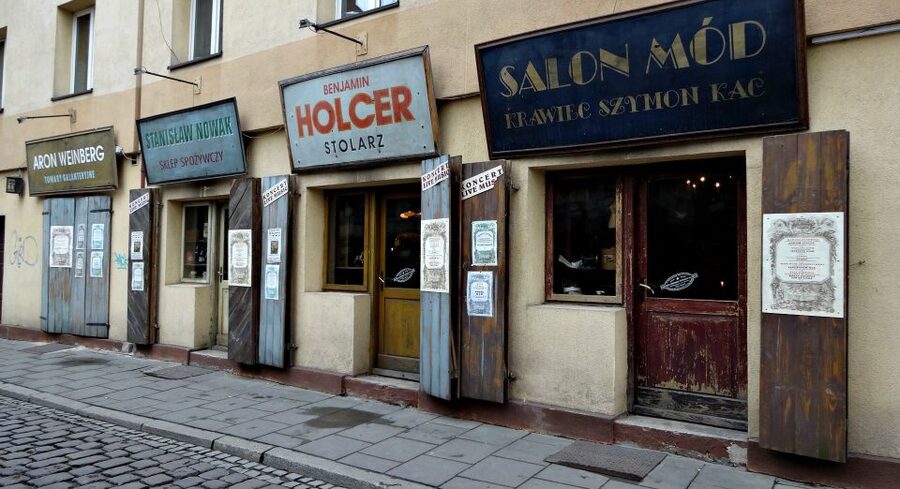
What’s included with the Galicia Jewish Museum ticket?
Your ticket includes entry to the permanent exhibition Traces of Memory, a sales exhibition on the destruction of culture during the Second World War, temporary exhibitions, access to the coffee shop, and the museum’s on-site activities such as concerts, meetings with authors, lectures, and workshops, plus the bookstore.
Is a guided tour included?
No. A guided tour is not included with this ticket.
Do I need a printed ticket?
Yes. You’ll receive a separate ticket by email from the local operator, and only a printed version will be accepted.
Where can I print my ticket if I can’t print it at home?
If you can’t print your ticket, you may print it at Plac Szczepański 8.
What time do I need to arrive?
Last entrance is 90 minutes before closing, so plan to arrive with enough buffer.
Is entry free with the Krakow City Card?
Yes. If you have a Krakow City Card, entry is free of charge.
How late can I cancel for a full refund?
You can cancel up to 24 hours in advance for a full refund.