REVIEW · KRAKOW
From Krakow: Auschwitz-Birkenau Memorial and Museum Tour
Book on GetYourGuide →Operated by INTERCRAC Ltd. · Bookable on GetYourGuide
This kind of history hits you fast. A guided day at Auschwitz-Birkenau turns facts into something you can stand next to. I like that the tour covers Auschwitz I and Birkenau II with a clear guide-led story, not a random wander.
Two things I really appreciate: the professional guide handling sensitive topics with care, and the way you see both extermination-focused areas plus the memorial messaging. Guides like Sylvie and Joanna were noted for being very planned and never boring, which is exactly what you want here.
One drawback to plan for: it is a long, emotional, walking-heavy day, with parts outdoors and rules that limit what you can carry and photograph. If you go in expecting a quick “checklist,” you’ll miss what makes it meaningful.
In This Review
- Key Points That Matter
- Why Auschwitz-Birkenau Works Best With a Guided Format
- How the 7-Hour Timing From Krakow Actually Feels
- Skip-the-Line Entry Plus Security Rules You Must Follow
- Auschwitz I: Dormitories, Exhibitions, and the Reality of the Site
- Birkenau (Auschwitz II): Watchtowers, Fences, and the Scale of the System
- The Liberation Film: Why 1945 Changes the Meaning
- What You Actually Get for $81 (And What You Don’t)
- Food, Water, and the 15-Minute Break Plan
- Packing Limits, Photo Rules, and Sensible Clothing
- Picking the Right Guide Style for This Kind of Day
- Who Should Book This Tour From Krakow
- Should You Book This Auschwitz-Birkenau Tour From Krakow?
- FAQ
- How long is the Auschwitz-Birkenau tour from Krakow?
- What parts of the Auschwitz-Birkenau site are included?
- Is food included in the ticket price?
- Does the tour include transportation from Krakow?
- Are there rules about bags and photos?
- Is pickup from my hotel included?
- Is the tour refundable if I cancel?
Key Points That Matter
- Skip-the-line entry helps you start the visits without burning time at security and queues.
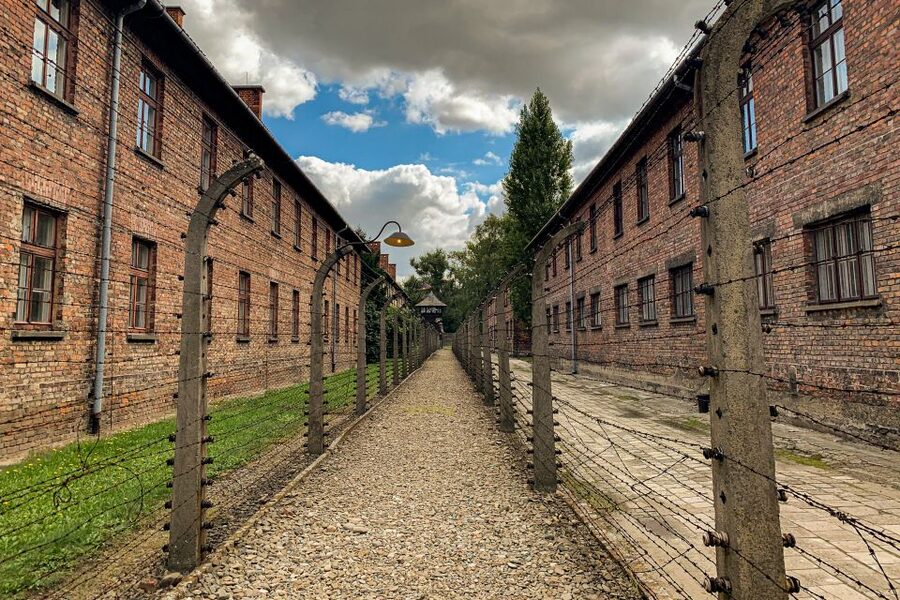
- You’ll see Auschwitz I (dormitories, gas chambers, exhibitions) and then move to Birkenau’s surviving remains.
- There’s a short 15-minute break for a snack and water, so bring what you’ll need.
- You get a guide plus a documentary film on the early moments after liberation in 1945.
- Expect rules that affect photos and bags: no flash and a 30 x 20 x 10 cm limit for brought items.
Why Auschwitz-Birkenau Works Best With a Guided Format
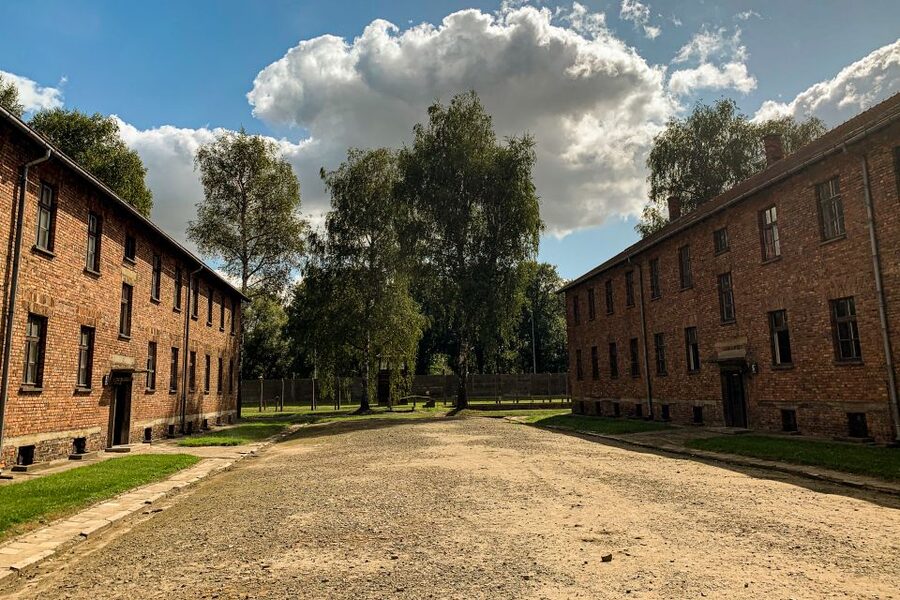
Auschwitz-Birkenau isn’t just a place you look at. It’s a place where the layout, the artifacts, and the official records all point in the same direction: planned mass murder under Nazi rule. The camp complex—now part of a UNESCO World Heritage listing—became a worldwide symbol of terror, genocide, and the Holocaust, and the memorial keeps that focus.
What I like about doing it with a guide is the structure. You’re not just seeing buildings and fences. You’re tracing how the Nazi camp system developed, and why Auschwitz became a center of the Nazi plan called Endlösung der Judenfrage—the final solution. That context matters because without it, your brain fills gaps with guesses.
The tour also includes a documentary film showing the first moments after liberation in 1945. That piece often changes how the rest of the day lands. It’s not a spoiler so much as a turning point. You see what freedom looked like in the aftermath, and then you understand the memorial’s purpose more clearly as you walk.
You can also read our reviews of more museum experiences in Krakow
How the 7-Hour Timing From Krakow Actually Feels
This is a 7-hour tour from Krakow, and the operator schedules departures within 6 AM to 3 PM. The hours you book can be tentative and may shift, so plan your Krakow morning or afternoon with breathing room. If you’re booking another activity the same day, I’d leave a buffer so the schedule changes don’t wreck your plans.
You’ll travel by air-conditioned vehicle, and the day is paced like this: transportation out of Krakow, guided time inside both Auschwitz I and Auschwitz II-Birkenau, a short break, then the return transfer. There’s also an important “mental rhythm” to keep in mind: the museum parts move from explanation to walking to silence. That’s normal here, and it’s usually why good guides get mentioned.
During the tour, there’s a 15-minute break when you can eat a snack and drink. Reviews and tour info point out that this is short enough that you shouldn’t rely on finding food at the last second. If you need caffeine, a snack you actually like, or water you can tolerate, bring it.
Skip-the-Line Entry Plus Security Rules You Must Follow
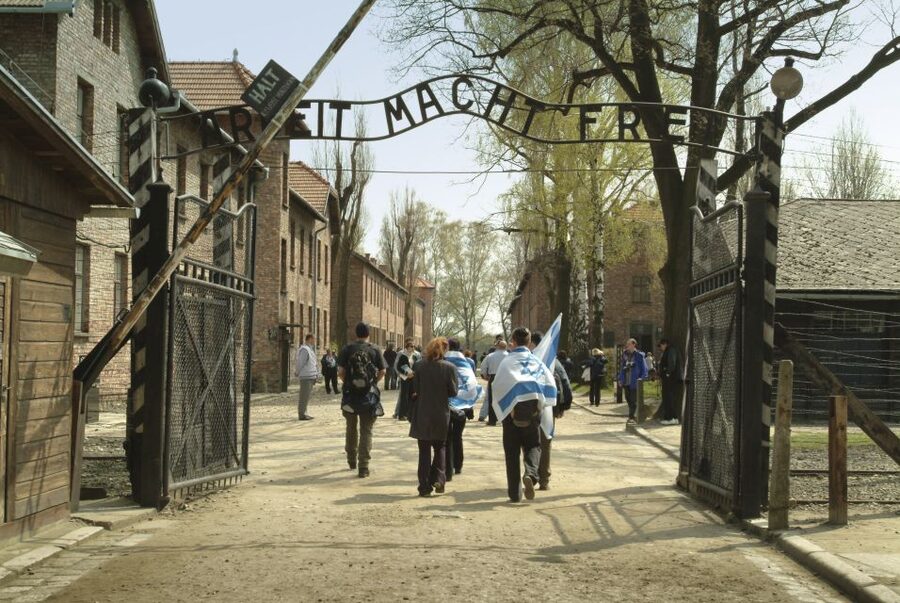
The tour includes skip-the-line entry through a separate entrance. That’s a real value in a place where waiting can eat up your time and your emotional energy. But skip-the-line doesn’t mean you’re free from rules.
Here are the big ones to take seriously:
- You must provide your full name and contact details during booking.
- Entrance may be refused if the name on your ID doesn’t match what you booked.
- Flash photography is forbidden, and photos are only allowed in selected parts of the museum.
- Bag size is limited: the maximum size for backpacks or handbags is 30 x 20 x 10 cm. Larger bags must be left in the bus.
This is also where having the right ID matters. Bring your passport or ID card. It’s not about being fussy. It’s about keeping the entry process smooth for everyone.
Also note the rule about flash in buildings. In practice, you’ll likely find yourself photographing less than you expect—because you’ll want to take in what’s in front of you, not just record it. A good guide helps you know where photos are allowed, so you don’t waste effort.
Auschwitz I: Dormitories, Exhibitions, and the Reality of the Site
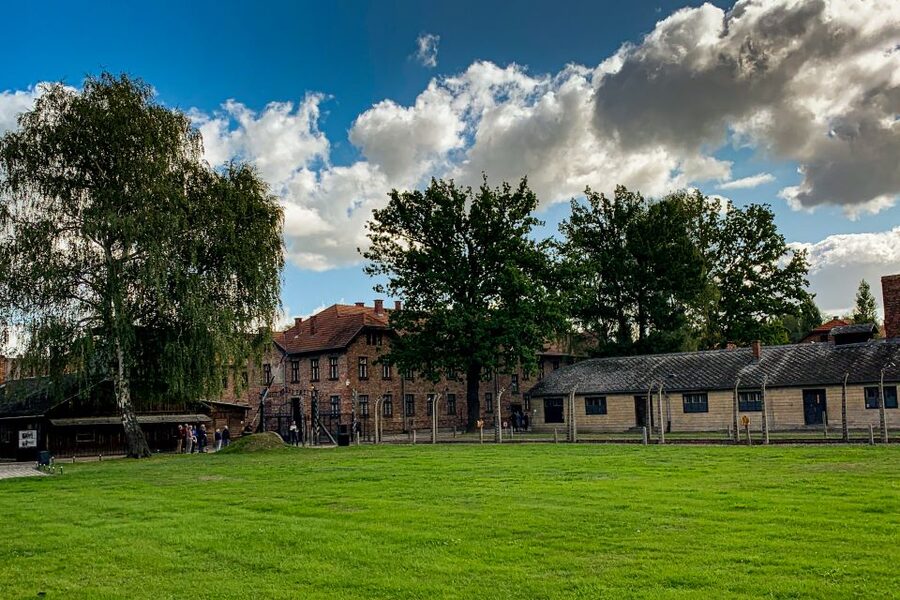
Auschwitz I is the core concentration camp area. The tour specifically highlights the prison dormitories, gas chambers, and museum exhibitions. This part is often where your understanding clicks into place, because the material is more contained and interpretive—signs, displays, and room layouts help you follow the story.
There’s a reason people leave Auschwitz I feeling overwhelmed but focused. The space isn’t an open field where you wonder what you’re looking at. It’s a structured place with evidence. The exhibitions help explain how the camp operated and why Auschwitz became a central location for extermination.
One practical note for your own comfort: Auschwitz I can feel busy and crowded at times, and groups can be close together. That doesn’t mean the tour is poorly run. It means you’ll want to keep your pace flexible. If you’re the type who needs wide personal space to absorb details, you might find it harder here than at Birkenau, where the scale is different.
Photo and filming expectations are part of this too. Flash is out, and you’ll only be able to take photos in selected sections, especially inside buildings. So treat your camera like an accessory—not your main activity.
Birkenau (Auschwitz II): Watchtowers, Fences, and the Scale of the System
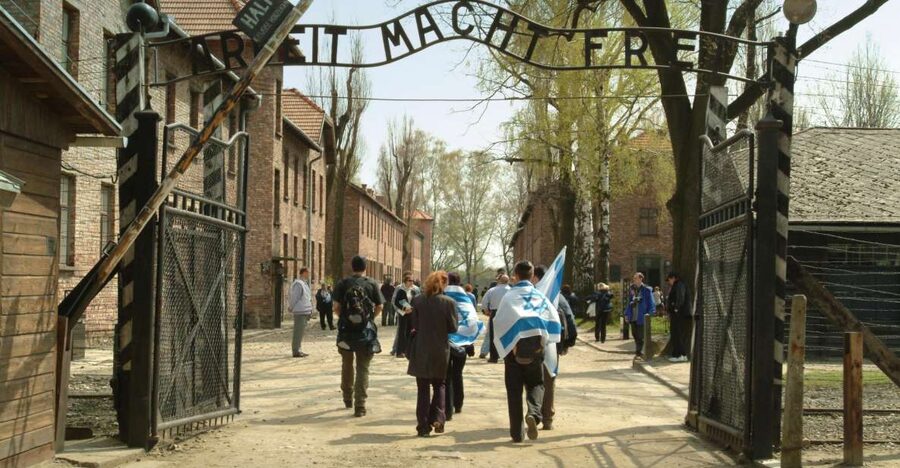
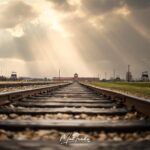
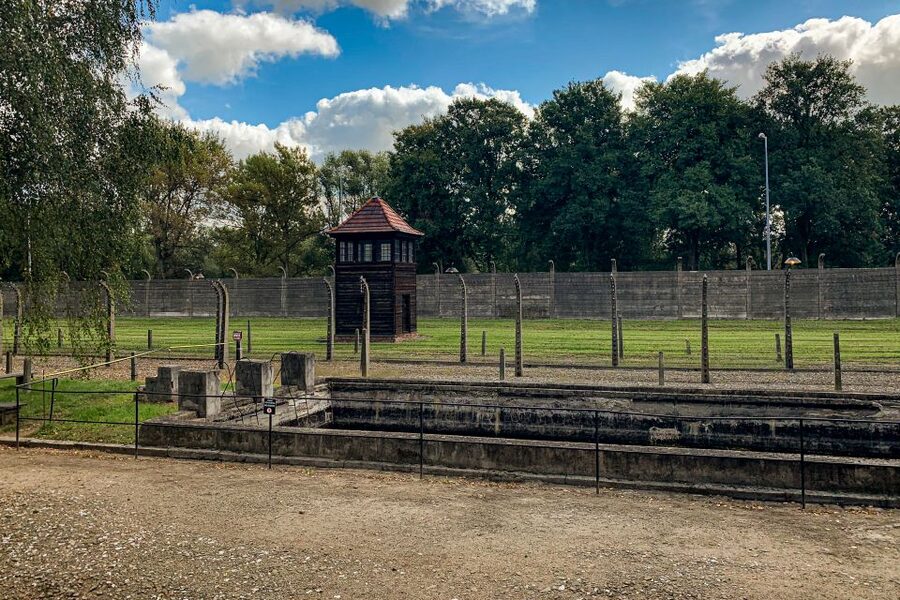
Birkenau II is where the camp’s scale hits you. This tour includes the remains of watchtowers, fences, barracks, and gas chambers. Even when structures are incomplete, the layout shows how the system was built to control, separate, and process human beings at massive speed.
If Auschwitz I gives you the “how” through exhibits and preserved details, Birkenau gives you the “how big” through space and distance. Your feet will notice that. Birkenau also involves more outdoor walking, so plan for weather. The tour info and visitor feedback both point out that it’s outdoor a lot—bring weather-appropriate clothing and layers.
One more reality check: the ruins can feel exposed and stark. That’s not a design flaw—it’s part of what you’re seeing. The memorial keeps the remnants visible because they’re evidence. A thoughtful guide helps you stay oriented while your emotions do their thing.
And yes, it can feel horrifying in a different way than Auschwitz I. The emotional “shape” of Birkenau is often described as bigger than the numbers, because your brain has trouble turning open space into a housing system for mass murder.



The Liberation Film: Why 1945 Changes the Meaning
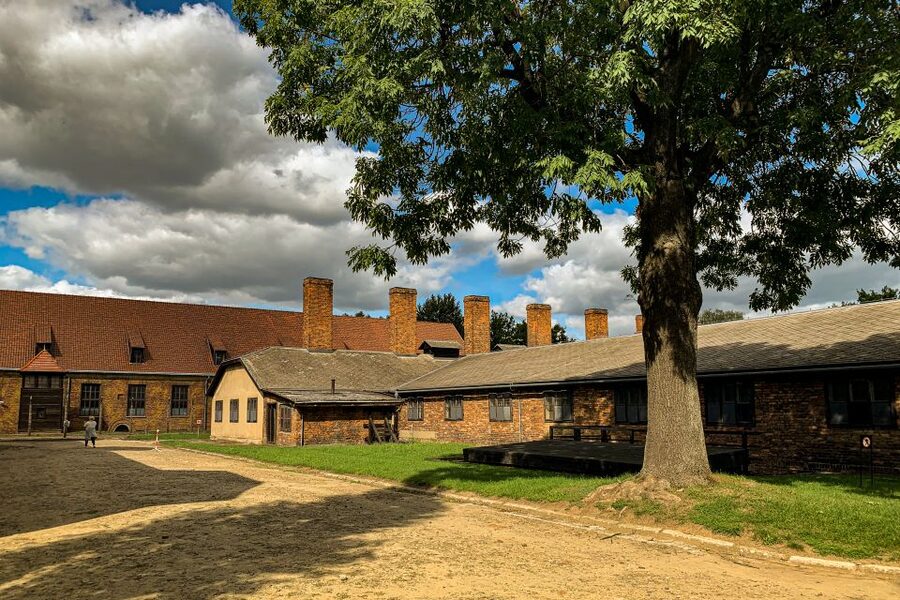
This tour includes a documentary film that covers the first moments after the camp was liberated. That matters because it anchors the day in time. You’re not only seeing the machinery of genocide; you’re also seeing what survivors, liberators, and the world faced afterward.
I find this kind of “after” context helps visitors understand why memorials exist the way they do. A memorial isn’t there to make you feel shocked. It’s there to prevent the past from becoming a vague story.
You don’t need to know every date before you go. The film helps you connect the WWII timeline to what you’re seeing on the ground, and it gives you a clearer reason to pay attention during the guided walkthrough.
What You Actually Get for $81 (And What You Don’t)
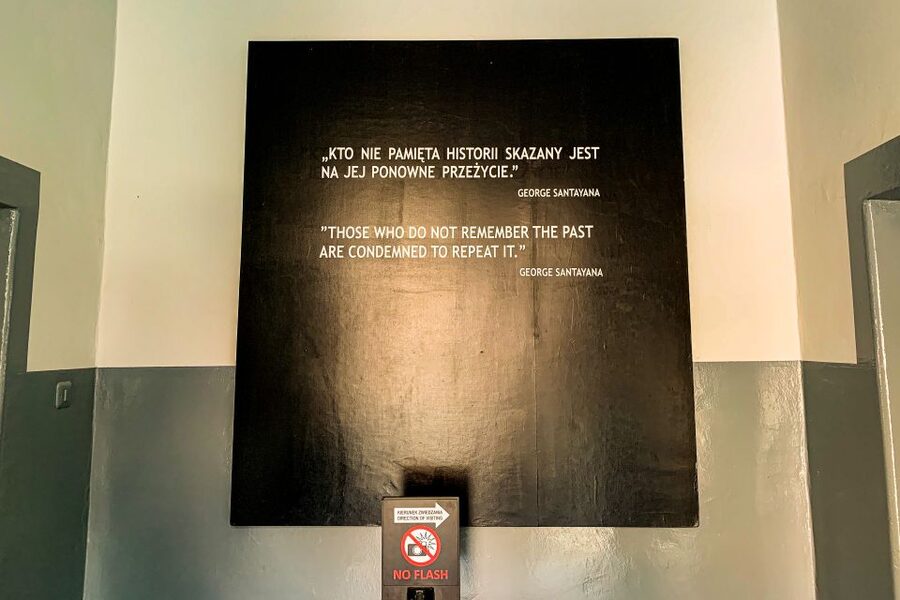
The price is $81 per person for a 7-hour guided experience with transportation. That includes:
- a professional English-speaking driver
- air-conditioned vehicle transport
- a guide
- WiFi on board
That set-up is good value if you want two things: reliable transport out of Krakow and a guide who can interpret what you’re seeing. For this kind of site, having a guide isn’t a luxury. It’s the difference between “seeing” and understanding.
What you don’t get: food and drink. That’s the tradeoff. Because there’s only a 15-minute break, you’ll want to bring snacks you can eat quickly. It’s also smart to bring a reusable water bottle.
Also, a heads-up that can affect your budget planning: tickets for the museum are non-refundable. So if you’re the type who books with “maybe we’ll change plans,” this is a tour to commit to.
Food, Water, and the 15-Minute Break Plan
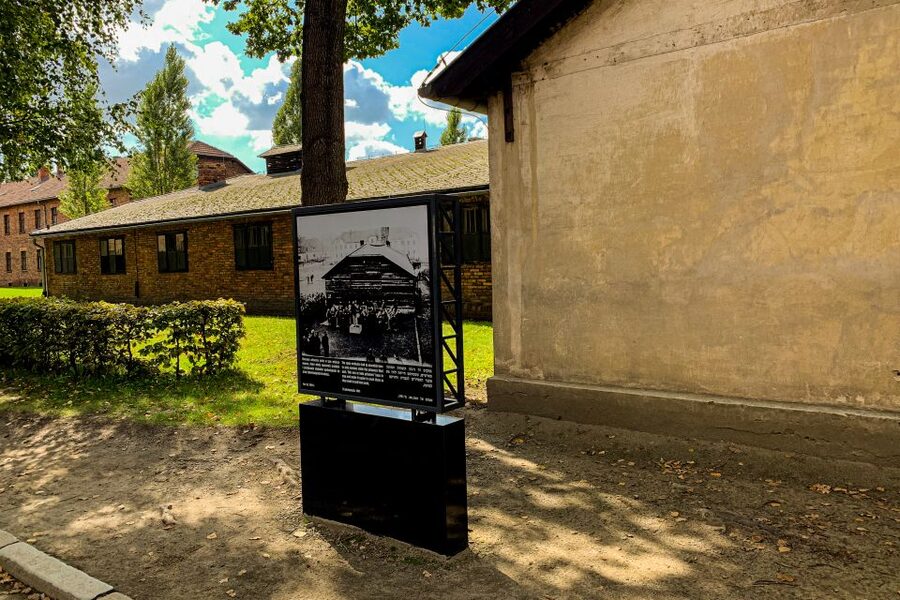
There’s a 15-minute break during the tour, when you can eat a snack and drink. It’s short enough that you should treat it like a pit stop, not lunch.
Since food and drink aren’t included, I strongly recommend you bring:
- snacks you know you’ll actually eat
- a reusable water bottle
- something weather-friendly (if it’s cold, keep it accessible)
One practical detail: you’ll likely be out of sync with Krakow meal times, especially if your departure is earlier. If you’ve planned brunch or a late breakfast, you may find yourself hungry. This is one of those times where a little preparation is respectful—to you and to the group schedule.
Packing Limits, Photo Rules, and Sensible Clothing
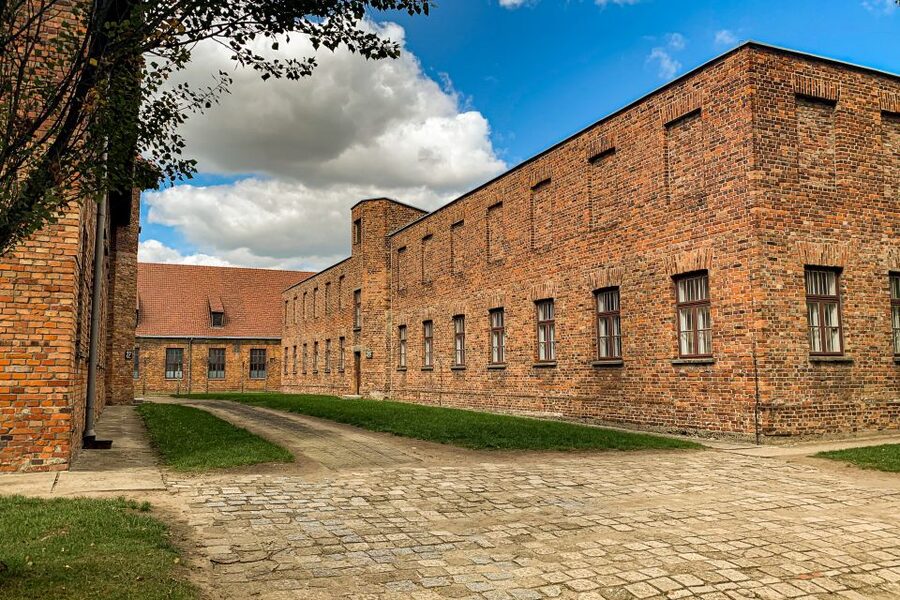
This tour has clear rules, so you don’t get surprised at the entrance. Beyond the bag size limit, remember that you can’t use flash photography in buildings, and photos are only allowed in selected parts of the museum.
For clothing, think comfort and weather. Reviews highlight that there’s outdoor time and lots of walking. Even if you walk a lot at home, this is still a full day on your feet. Wear comfortable shoes. Bring a jacket or layer if the weather needs it.
If you’re traveling with a baby or toddler: infants must sit on laps. Still, the tour isn’t suitable for children under 15 and it’s not suitable for wheelchair users. If you’re in either of those categories, you’ll need a different plan.
Picking the Right Guide Style for This Kind of Day
The best part of this tour, when it’s done right, is the guide’s balance of clarity and sensitivity. The tour info says the guide is live and available in English (and other languages on offer), and the guides are described as very good at explaining sensitive issues without rushing.
Names that came up include Sylvie, Joanna, and Jacek of Cracow Tours. What’s useful in that detail is the pattern: well-planned commentary, real focus on meaning, and a sense that the guide is managing pacing and expectations.
I’d also plan emotionally for how your guide sets the tone. Some guides can sound downbeat, and that isn’t a problem. It can be appropriate for the subject matter. If you prefer upbeat energy at all times, this may not be your kind of day. But if you want honest context and careful pacing, it fits.
Who Should Book This Tour From Krakow
This tour makes sense if you want:
- a structured, guided visit to both Auschwitz I and Birkenau
- skip-the-line entry so you spend more time on site and less time waiting
- a guide-led explanation plus a WWII liberation documentary
It’s a strong fit for adults and teens 15 and up who can handle a heavy topic and a walking day. It’s also good if you’re traveling with someone who wants clarity and shared context rather than a self-guided stop-and-go approach.
If you’re traveling with limited mobility, or you’re bringing a very young child, the tour’s suitability rules are clear—this one won’t work.
Should You Book This Auschwitz-Birkenau Tour From Krakow?
Yes, if you can do a full day with lots of walking, you’re willing to follow museum rules, and you want more than “surface facts.” The combination of skip-the-line entry, guided interpretation, and the inclusion of the liberation film makes it a strong value for your time.
Skip it only if you’re hoping to keep it light and flexible. There’s no food included, the bag limits are strict, flash photography is banned, and it’s not designed for people who need frequent photo stops or long breaks. This place deserves your attention, not just your schedule.
If you do book, go prepared: ID on you, snacks packed, layers ready, and your camera set to behave. Then let the guide do their job—your job is to stay present.
FAQ
How long is the Auschwitz-Birkenau tour from Krakow?
The duration is 7 hours. Starting times are checked when you book, and departures run between 6 AM and 3 PM.
What parts of the Auschwitz-Birkenau site are included?
You visit Auschwitz I (including prison dormitories, gas chambers, and exhibitions) and Auschwitz II-Birkenau (including the remains of watchtowers, fences, barracks, and gas chambers), plus a documentary film on the first moments after liberation in 1945.
Is food included in the ticket price?
No. Food and drink are not included, and there is a 15-minute break during the tour when you can eat a snack and drink.
Does the tour include transportation from Krakow?
Yes. It includes transportation by air-conditioned vehicle plus a professional English-speaking driver and a guide.
Are there rules about bags and photos?
Yes. Backpacks/handbags must be no larger than 30 x 20 x 10 cm; larger items must be left on the bus. Flash photography is not allowed and photos are only permitted in selected parts of the museum.
Is pickup from my hotel included?
Pickup is optional. If you want it, contact the tour operator no later than 24 hours before your tour.
Is the tour refundable if I cancel?
No. The activity is non-refundable, and museum tickets are also non-refundable.