REVIEW · GHENT
Ghent: Museum of Fine Arts Entry Ticket
Book on GetYourGuide →Operated by Museum of Fine Arts Ghent · Bookable on GetYourGuide
Art in Ghent feels close-up. This ticket gives you major European paintings and a live restoration moment.
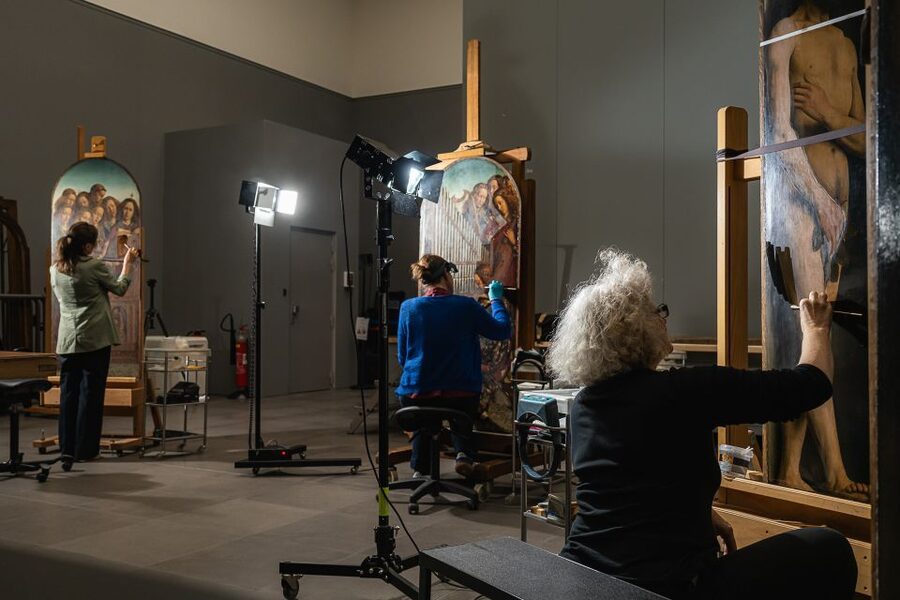
I especially love the Ghent Altarpiece restoration behind glass. Watching the work being done, right in the middle of your visit, turns a famous artwork into something you can actually understand. I also like the chronological layout across 30 galleries, which helps you see how styles and themes change as you move through the centuries.
One thing to consider: the museum has rules that can affect your comfort. Food and drinks are not allowed, and large coats or bags aren’t permitted inside (but there is a free cloakroom), so plan your day around the museum experience instead of snack breaks.
In This Review
- Key highlights worth timing your visit for
- Entering Ghent’s Museum of Fine Arts: what your ticket actually covers
- A 30-gallery route that keeps you oriented through 600 years
- The Ghent Altarpiece restoration behind glass: the moment that feels different
- The big Belgian and European names you’ll run into
- From pre-1800 art to the 19th and 20th centuries: what to hunt for
- Modernism and contemporary installations: Magritte and beyond
- Temporary exhibitions included: how to choose when you have limited time
- The audio guide and family route: art that talks back
- Timing and pacing: a full day that doesn’t have to be exhausting
- Practical rules that affect comfort (and how to work with them)
- Price and value: is $17 a fair deal?
- Who should book this ticket?
- Should you book the Museum of Fine Arts Ghent entry ticket?
- FAQ
- What does the ticket include?
- How long is the experience valid for?
- Which languages are available for the audio guide?
- Are temporary exhibitions included?
- Is food and drinks allowed inside the museum?
- Do I need to bring an ID?
- Is the museum wheelchair accessible?
- When does the museum stay open late?
Key highlights worth timing your visit for
- Live Ghent Altarpiece restoration: see the final phase in a workshop behind glass (Jan van Eyck, 1432)
- 30 galleries, one coherent route: a chronological flow plus thematic stops makes the museum easier to navigate
- Big-name art across centuries: Hieronymus Bosch, Pieter Paul Rubens, Brueghel II, Anthony van Dyck, and more
- Temporary exhibitions included: you get both the permanent collection and current special shows
- Modern perspectives via audio: adult audio includes queer views, musical interpretations, and accessibility descriptions
- Late-night option on the first Thursday: the museum stays open until 22h with extra programming
Entering Ghent’s Museum of Fine Arts: what your ticket actually covers
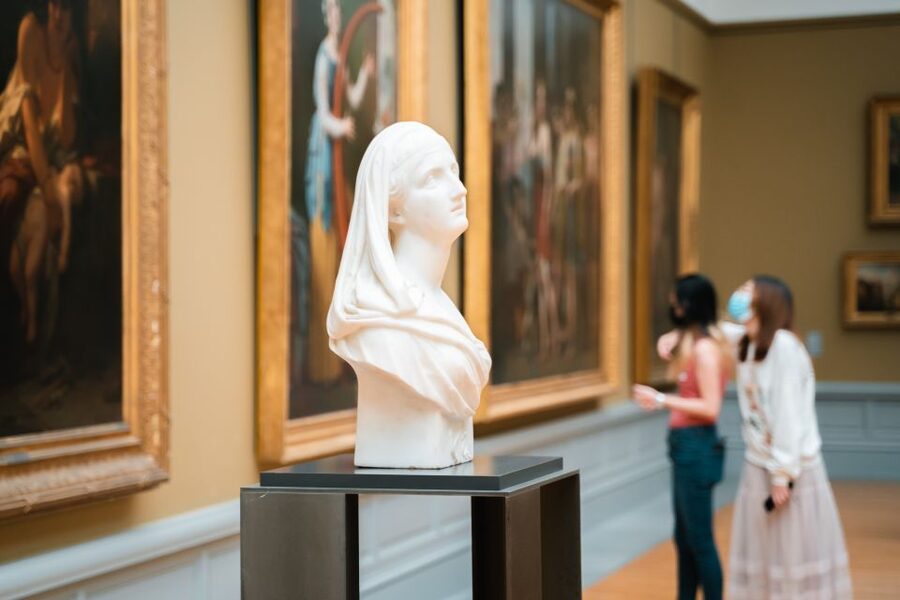
This entry ticket is built for a full museum day. You get access to the permanent collection and the temporary exhibitions, plus an adult audio guide and a kids audio experience/family route designed with labels and small activities.
That mix matters because museums can be a gamble: sometimes the permanent collection is great, but the temporary show is a letdown. Here, your ticket already includes both. Even if you only hit your must-sees, you’re not stuck with one single part of the museum.
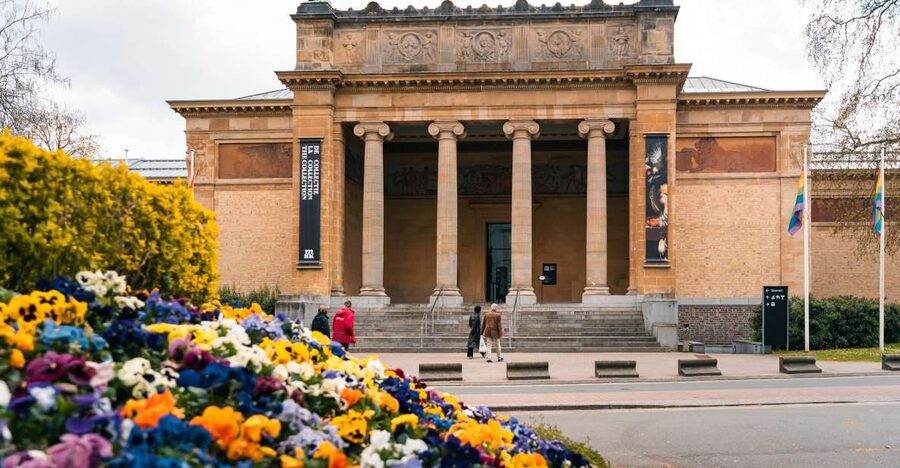
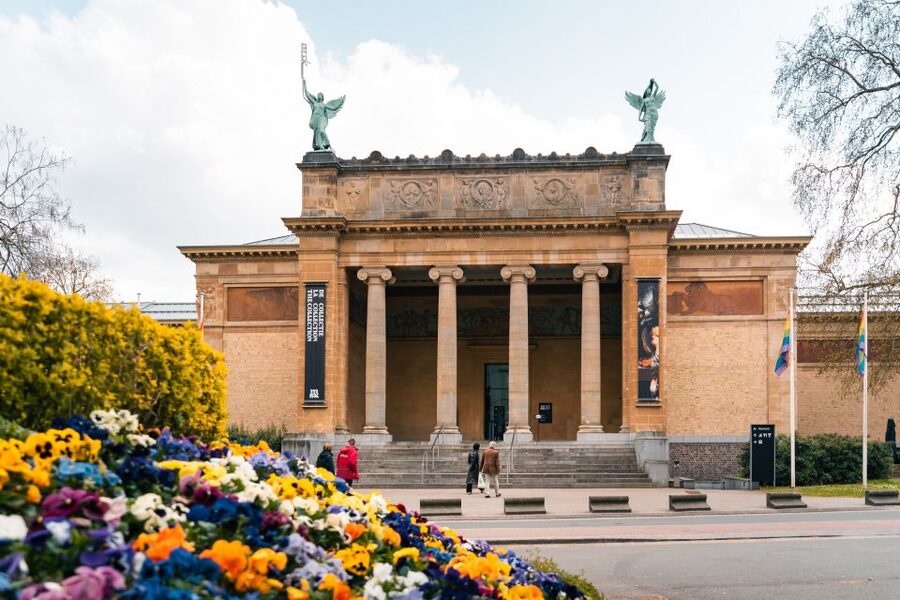
The building itself is also part of the experience. You enter through the monumental museum halls, then you’re practically back outdoors with a green park on the doorstep—handy if you want to reset with air after a few hours of galleries.
And yes, this museum is a real contrast machine. You go from medieval and early art through to 19th and 20th centuries, then you land in modernism and contemporary installations without the day feeling like random browsing.
A 30-gallery route that keeps you oriented through 600 years
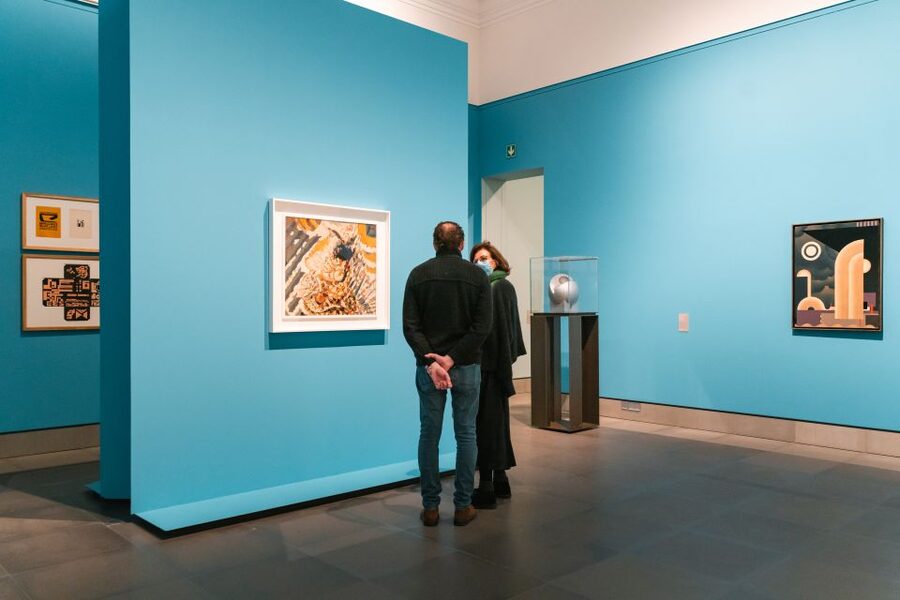
You’ll see art from the 14th to the 20th centuries, and the museum encourages a visiting route that’s mostly chronological. That doesn’t mean it’s dull or linear. It’s more like a guide rail: you can follow the timeline, then break into thematic galleries when the museum changes the topic.
The practical win for you is simple: you spend less time asking where to go next, and more time looking closely. If you’ve ever wandered through a big museum and lost track of what period you’re in, this route structure helps.
Here’s what the day tends to feel like based on the museum’s layout:
- You start with older works and early art narratives. About half the galleries focus on art before 1800, so you’ll get time to understand the long arc of European styles.
- Then you move through 19th- and 20th-century art, with strong Belgian representation.
- Finally, you reach the modern side, where you’ll see artists tied to modernism and contemporary installations in the collection.
You also get thematic and monographic galleries along the way. That’s useful because a timeline tells you when something happened. A thematic room helps you understand why it mattered.
The Ghent Altarpiece restoration behind glass: the moment that feels different
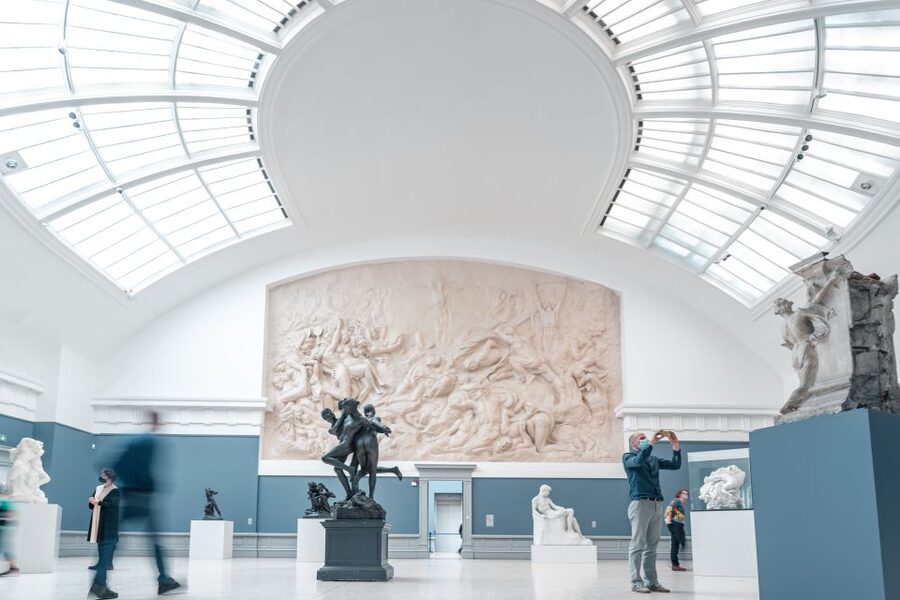
The headline here is the Ghent Altarpiece restoration workshop, visible behind glass. The famous work is associated with Jan van Eyck (1432), and this museum lets you witness the final restoration phase as part of your visit.
Why this is so powerful (and worth planning around) is that it changes how you see a masterpiece. Paintings can feel untouchable when you only experience them behind distance and glass. Here, the museum turns restoration into a living process you can watch—layer by layer, technique by technique.
If you’re a first-time museum-goer, this gives you a natural anchor. If you’re more experienced, it’s still interesting because you’re watching conservation in action, not just reading a label.
Practical tip: when you see the workshop area, give it a few extra minutes. Don’t treat it as a quick photo stop.
The big Belgian and European names you’ll run into
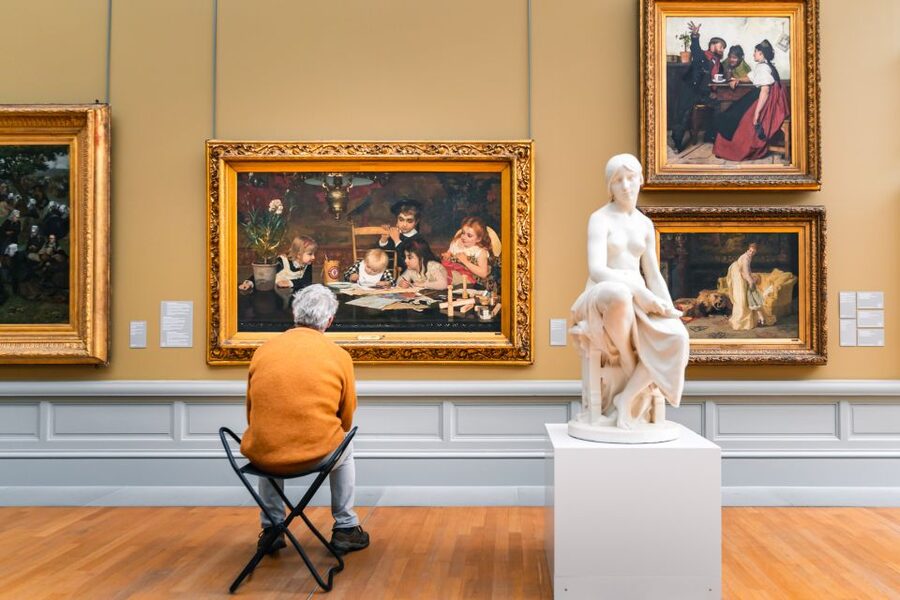
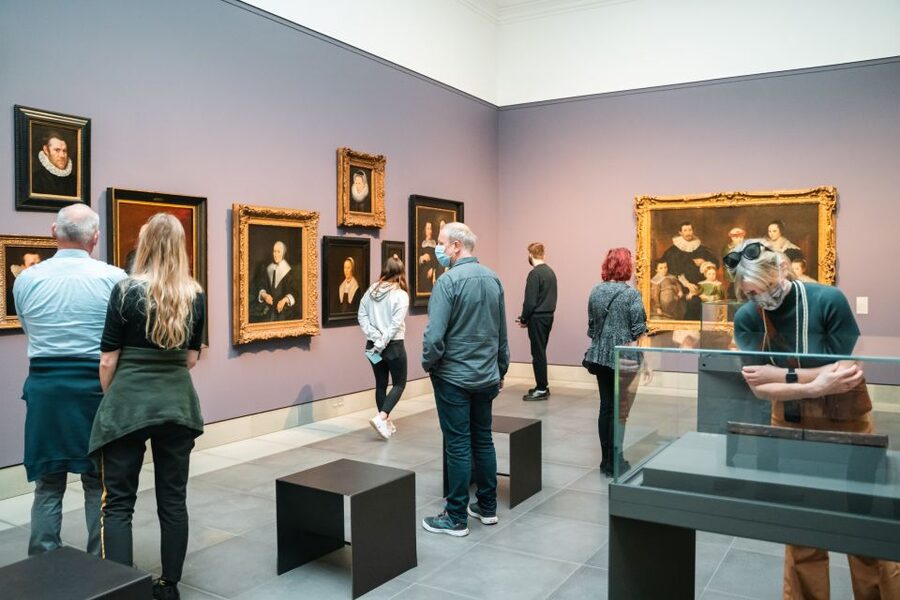
Your ticket puts you face to face with major figures in Belgian and European art history. The museum’s collection includes works by Hieronymus Bosch, Pieter Paul Rubens, Brueghel II, and Anthony van Dyck—the kinds of names that sound familiar even if you don’t consider yourself an art person.
Seeing them in the museum context is different from seeing them as thumbnails online. You can compare scale, brushwork, and composition more directly. And because the route is organized, you can also notice how subject matter and style shift from one period to the next.
There’s also something reassuring about the breadth. If you go for one artist and it turns out you’re not in the mood for that style, the next galleries give you a different kind of art. It’s a helpful way to keep a museum day from becoming one long commitment.
From pre-1800 art to the 19th and 20th centuries: what to hunt for
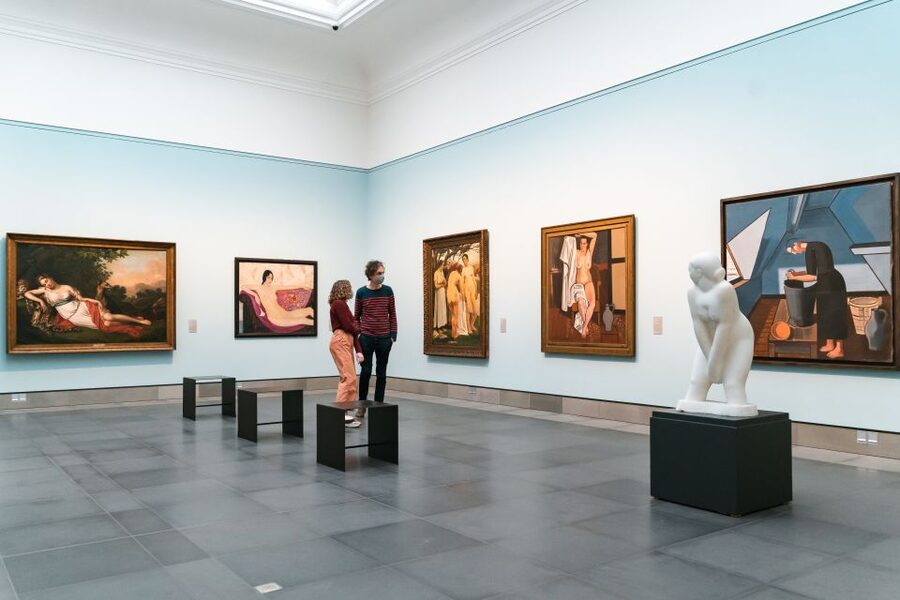
The museum gives you a strong split: older art before 1800 makes up about half the galleries, then you transition to the 19th and 20th centuries.
In the 19th and 20th-century stretch, the Belgian focus is a big advantage. You’ll find standout names such as:
- James Ensor
- Emile Claus
- Georges Minne
- and later, key modern voices
This is where the museum can help you appreciate Belgium beyond just its landmarks. Instead of thinking of the country as a stop between places, you start recognizing it as a serious art world with its own modern trajectory.
When you’re moving through these rooms, a useful way to approach it is to look for contrasts. Ask yourself:
- Is the artwork trying to document reality, or to interpret it?
- Are the colors and shapes meant to describe, or to provoke?
- Does the subject feel traditional, or newly modern?
That kind of looking keeps you engaged, even if you’re not reading every label.
Modernism and contemporary installations: Magritte and beyond
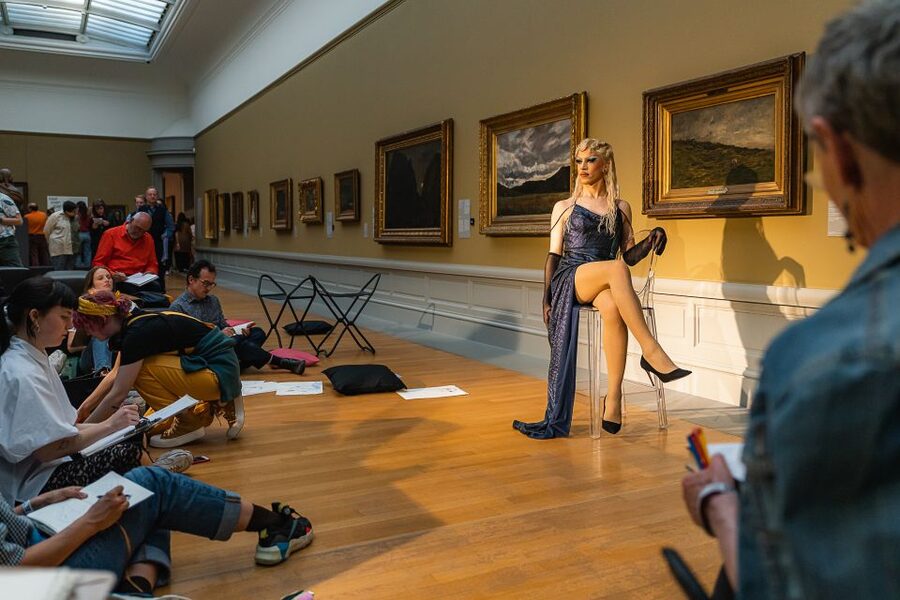
The museum doesn’t stop at traditional painting. In its modern section, you’ll see works connected to modernism by artists such as:
- René Magritte
- Gustave Van de Woestyne
- Frits Van den Berghe
And on top of that, the collection also includes contemporary installations. That matters because installations can feel like they’re in a museum by accident—unless the rest of the collection prepares you for it. The chronological route and thematic galleries help you connect the dots.
If you’re someone who normally skips modern art because it feels intimidating, this is a smart museum to test the waters. You’re not thrown into the deep end without context. The museum is already moving you from earlier styles to newer ideas, so the modern work has a runway.
If you’re more into modern art, you’ll likely appreciate that it isn’t isolated. You can link techniques and themes across galleries instead of treating modern rooms like a separate universe.
Temporary exhibitions included: how to choose when you have limited time
Temporary exhibitions are included automatically in your ticket. That’s a major value point, because special shows can cost extra at many museums.
You still have to choose how you spend your hours. If you’re short on time, I recommend you do this:
- Walk the main route once at a steady pace to understand the museum’s flow.
- Then come back for slower looking in the areas that grab you—especially the modern rooms and the temporary exhibition space.
A useful detail: the museum often has changing exhibitions, so the one you see might not be the same as another day. But the structure is consistent: you’re not buying into uncertainty. Your ticket covers the permanent core and the current temporary show at the same time.
The audio guide and family route: art that talks back
One of the best features here is the free audio guide for adults, and the audio guide/family route for kids, both included in the ticket.
The adult audio guide isn’t just a standard narration. It includes modern perspectives on art history, queer views, musical interpretations, and descriptions for visually impaired visitors. That means you get multiple ways to read the same work—sometimes in a single gallery.
If you’re the kind of person who gets stuck on labels, audio can change your whole experience. You’ll hear context without feeling like you’re studying for a test.
For families, the museum also provides a family route with children’s labels and small activities. You’re not left with random stop-and-go behavior. The museum is helping you keep a kid moving with purpose.
Timing and pacing: a full day that doesn’t have to be exhausting
The ticket is valid for 1 day, and you’ll want to check starting times based on availability. That matters because “all day” can still mean a timed entry system.
The museum stays open until 22h on the first Thursday of the month, and there’s often a separate activities programme. If you’re trying to squeeze in a museum visit with evening plans, this is the key day to target.
How long should you plan? The museum is designed for serious looking with 30 galleries, so one day is ideal if you want to do more than just a quick pass. If you’re the fast-walker type, you can still do it. If you’re a slow-linger type, build in breaks—especially once you reach the modern and installation spaces.
Also remember: the museum rules limit food and drinks. So time your visit so you can step out near the start or mid-afternoon for a proper break outside the museum.
Practical rules that affect comfort (and how to work with them)
These are the rules that can change how smooth your visit feels.
- No food and drinks inside. Plan meals outside the galleries.
- No luggage or large bags inside. There is a free cloakroom for coats and large items.
- No flash photography and no umbrellas.
- You should bring passport or ID card.
Accessibility is solid. The museum is wheelchair accessible via the side entrance. There’s also a breastfeeding and diaper changing room, and gender inclusive restrooms.
A smart strategy: arrive with minimal carry-on items. You’ll spend less time managing bags, and more time actually looking at art.
Price and value: is $17 a fair deal?
The price listed is $17 per person. For a museum day in a city like Ghent, that’s not just about entry. Here, you’re also paying for:
- permanent collection access
- temporary exhibition access
- adult and kids audio experiences included
- the chance to see restoration activity behind glass
That’s a strong value blend because you get multiple layers of interpretation. Audio guides alone can easily be an extra cost elsewhere, and temporary shows often cost more on top of entry.
Also pay attention to possible student pricing. One visitor noted a student rate of €4.8 and mentioned an extra 5% discount with the code JUSDP0M5. If you qualify, that can turn the ticket into a very budget-friendly way to experience a major museum.
One more practical caution: if you’re planning to use a city card (like City Card Gent) for discounts, verify that it applies to this specific museum in advance. It can be frustrating if your discount plan doesn’t cover your entry.
Who should book this ticket?
This is a great fit if you:
- want a one-day museum plan with both permanent and temporary exhibitions included
- like art history that moves from medieval periods to modernism without feeling random
- care about something special and current, like the live restoration workshop
- are traveling with kids and want a family route and audio support instead of constant translating
It’s also a good choice if you’re an art fan who likes structure. The chronological approach plus thematic galleries helps you track what you’re seeing.
If you hate museum rules, or you strongly prefer eating inside museums, plan accordingly. The no food and restrictions on large items can be annoying if you expect a relaxed hangout. But the cloakroom helps.
Should you book the Museum of Fine Arts Ghent entry ticket?
Yes, I’d book it if you want a high-value Ghent museum day where the ticket covers more than just doors and walls. The combination of a serious collection, temporary exhibitions included, and the rare chance to watch Ghent Altarpiece restoration behind glass gives you real reasons to feel satisfied even if you only focus on a few key sections.
Book it especially if you like having context while you look. The audio guide is built to offer different angles, from modern perspectives to accessibility support, which makes the experience easier to follow.
If you’re on a tight schedule, target the altarpiece workshop early, then follow the chronological route from there. If you’re planning a slower day, add extra time for modern rooms and installations, where you’ll benefit most from the audio guide’s commentary.
FAQ
What does the ticket include?
Your ticket includes entry to the permanent collection, entry to the temporary exhibitions, and a free audio guide for adults plus an audio guide/family route for children.
How long is the experience valid for?
The ticket is valid for 1 day. Starting times depend on availability.
Which languages are available for the audio guide?
The audio guide is available in Dutch, English, and French.
Are temporary exhibitions included?
Yes. Temporary exhibitions are included automatically with your ticket.
Is food and drinks allowed inside the museum?
No. Food and drinks are not allowed.
Do I need to bring an ID?
Yes. Bring a passport or ID card.
Is the museum wheelchair accessible?
Yes. The museum is fully wheelchair accessible via the side entrance.
When does the museum stay open late?
The museum stays open until 22h on the first Thursday of each month, often with a separate activities programme.