REVIEW · AMSTERDAM
Amsterdam: Rijksmuseum Entry Ticket
Book on GetYourGuide →Operated by Distributor: GetYourGuide Tours & Tickets GmbH · Bookable on GetYourGuide
The Rijksmuseum is built for the slow look. This entry ticket takes you through 800 years of Dutch life, with The Night Watch and the Gallery of Honour doing the heavy lifting. I like that the big masterpieces sit in carefully lit spaces, so you can actually see the craft. One drawback: the museum is huge, and if you rush, you’ll miss what makes it special.
You get one-day admission, and practical extras like the cloakroom and free Wi‑Fi to help you plan on the move. Your ticket also lets you enter up to 15 minutes after the time listed, and you can stay until closing, which is a rare kind of freedom in a timed-entry world.
Getting there is straightforward by tram: 2, 5, and 12 stop at Rijksmuseum. This ticket is best when you want the famous works plus plenty of room to wander at your own pace.
In This Review
- Key highlights I think you’ll care about
- Entering The Rijksmuseum With Timed Entry That Still Feels Flexible
- Gallery of Honour: The Famous Rooms That Set the Mood
- Rembrandt’s The Night Watch: Why That Lit Hall Matters
- The Big Dutch Names: The Night Watch, Hals, Van Gogh, and Friends
- More Than Paintings: Delftware, Maritime History, Clothing, and Asian Art
- A Practical One-Day Route Inside the Museum (Without Burning Out)
- The App and the Audio Options: Use Them to Pick Your Own Focus
- Navigation and Crowds: How to Keep Your Day Smooth
- Breaks That Matter: Cloakroom, Café Time, and Garden Wandering
- Price and Value: Is $31 Worth It for a Day at the Rijksmuseum?
- Should You Book This Rijksmuseum Entry Ticket?
- FAQ
- How late can I enter after the time on my ticket?
- How long can I stay inside?
- Is the multimedia audio tour included with the ticket?
- Can I take photos or video inside?
- What are the Rijksmuseum opening hours?
- Is the museum wheelchair accessible?
Key highlights I think you’ll care about

- Gallery of Honour first, or you’ll be tempted to skip it later
- Rembrandt’s The Night Watch is shown with a lighting plan made for close looking
- A live restoration project means you’re seeing history being preserved, not just displayed
- It’s not only paintings: Delftware, maritime history, clothing, prints, sculptures, and artifacts
- A paid multimedia tour exists, but you may be able to get a lot from the museum app
- Plan for real time. People often underestimate how long it takes to see this place well
Entering The Rijksmuseum With Timed Entry That Still Feels Flexible
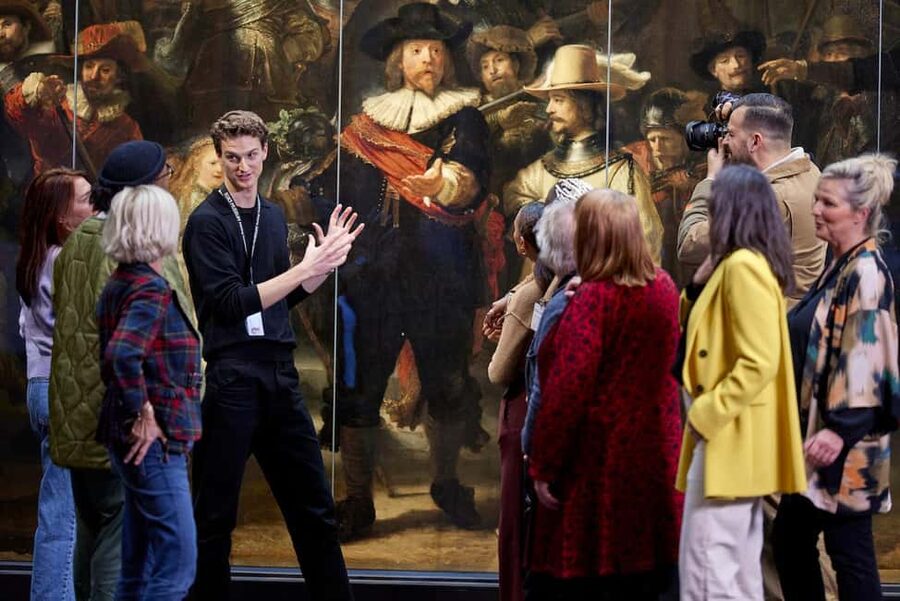
Your ticket is timed, but it’s not a “stand in a line for exactly 60 minutes” kind of deal. You can enter up to 15 minutes after your scheduled time, and once you’re in, you can stay as long as you want until the museum closes.
Opening hours are 9:00 AM to 5:00 PM daily, and the ticket desk closes at 4:30 PM. That matters because if you arrive late in the day, you may still get in depending on your entry window, but you’ll have less time to enjoy the deeper rooms (and those tend to be the fun ones).
You’ll also want to show up with a simple plan. With a museum this size, “I’ll just see everything” turns into “I only saw one corridor.” Timed entry helps you start sooner, not see more by magic.
A few more Amsterdam tours and experiences worth a look



Gallery of Honour: The Famous Rooms That Set the Mood

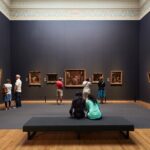
The Rijksmuseum is famous for Dutch Golden Age art, but the museum’s real trick is how it guides your eye. The Gallery of Honour is where the museum turns volume into feeling—world-class works staged in a way that makes you slow down without being told to.
This is also where you’ll notice the difference between seeing a painting as an image on a screen versus seeing it as an object. Brushwork, texture, and even the way the room frames the painting changes what you think you’re looking at.
If you like your museums with a clear “greatest-hits” arc, start here early. Reviews mention that crowds build, especially around the biggest names like Rembrandt and Van Gogh, so getting the Gallery of Honour done before the rush is a smart move.
Rembrandt’s The Night Watch: Why That Lit Hall Matters

Let’s talk about the star: Rembrandt’s The Night Watch. It’s not just that it’s famous. It’s that the museum puts it in a hall designed for attention. The lighting is meant for close looking, so you can catch tiny details you’d otherwise miss.
This matters for value. You’re paying for a ticket, sure, but your best “return” is that you get the chance to see why this painting became a cultural reference point. From where you stand, you can start noticing the layers of faces, motion, and fine details that make it so hard to forget.
One extra layer: the museum has started the largest research and restoration project ever for The Night Watch, and it’s happening live. You can be part of it by supporting the project with a donation. That turns the visit from passive viewing into a hands-on moment of cultural preservation, which I always appreciate.
The Big Dutch Names: The Night Watch, Hals, Van Gogh, and Friends
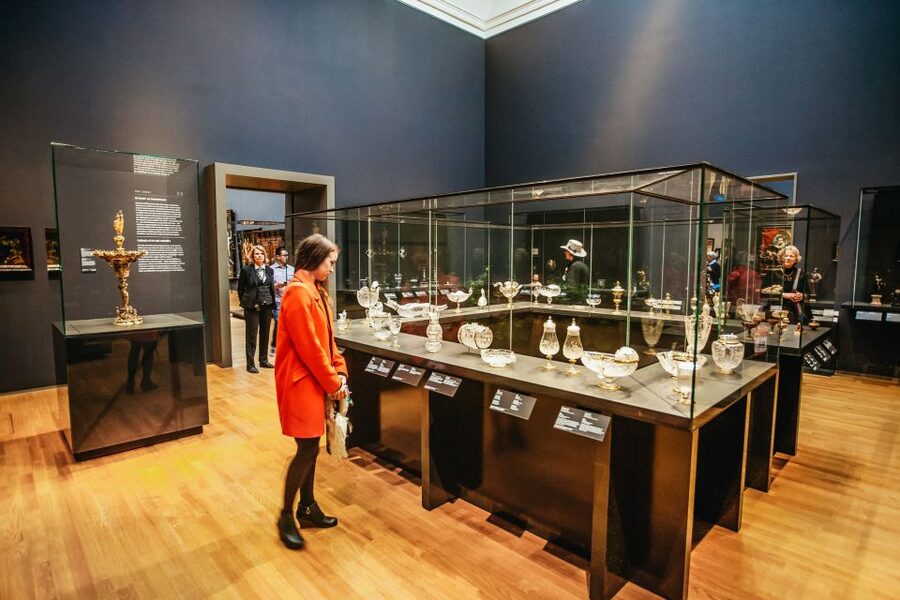
The Rijksmuseum’s collection covers a lot of Dutch art and history, but the top painters are the magnets. You should expect to see major works by Rembrandt, Frans Hals, Van Gogh, and others. If Dutch Golden Age art is your thing, this is the moment where the museum justifies itself.
One painting detail I like here is The Jewish Bride. It’s described as a work that moved Vincent van Gogh to tears during his early Rijksmuseum visit. You’ll also learn the famous story about his letter—how he’d gladly give up ten years of his life to sit with it for two weeks, eating only bread crusts. It’s a dramatic anecdote, but it’s the kind of connection that makes a museum feel human.
There’s also mention of Vermeer in visitor experiences, and that makes sense: the Rijksmuseum is one of those rare places where major Dutch masters live under the same roof. Even if you don’t chase every artist, you can often spot several “this is the one I’ve seen before” moments just by moving through the main galleries.
More Than Paintings: Delftware, Maritime History, Clothing, and Asian Art
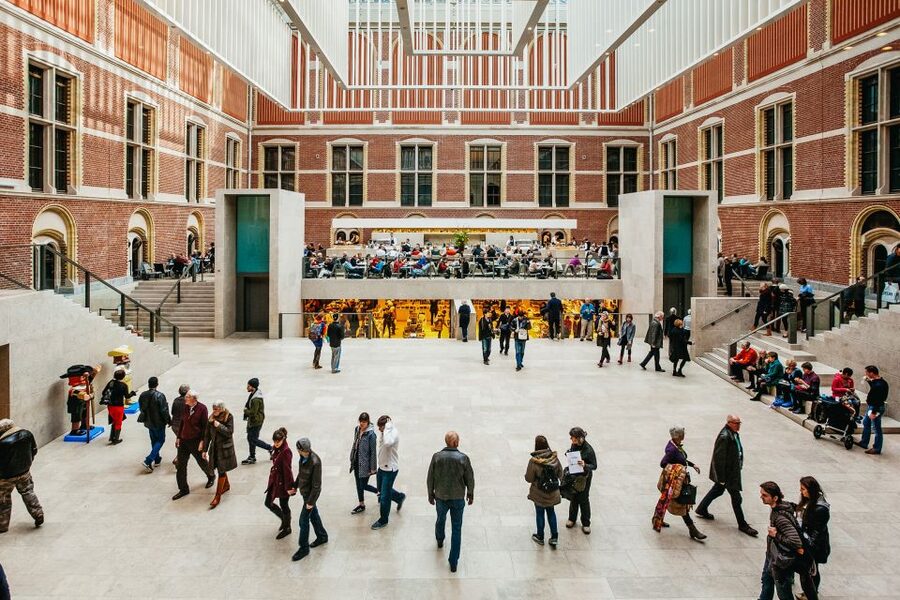
If you only came for portraits and landscapes, you’d still have a good day. But the Rijksmuseum earns a bigger reputation because it doesn’t stop at painting.
Expect to see a broad sweep of Dutch culture and daily life through Delftware, sculptures, archaeological artifacts, clothing, prints, and items from Dutch maritime history. The museum’s presentation is meant to tell a story across centuries, and it’s also global in context—so it’s not just Dutch names on labels.
I like this approach because it changes how you read the art. After you see clothing, trade objects, and maritime material, paintings stop feeling like isolated masterpieces. They start feeling like windows into how people actually lived, worked, traveled, and built power.
And yes, the collection isn’t frozen. The museum includes newer objects too, like a Mondrian-inspired dress by Yves Saint Laurent from 1965. That kind of modern follow-up helps you see that Dutch art ideas didn’t end with the 1600s.



A Practical One-Day Route Inside the Museum (Without Burning Out)
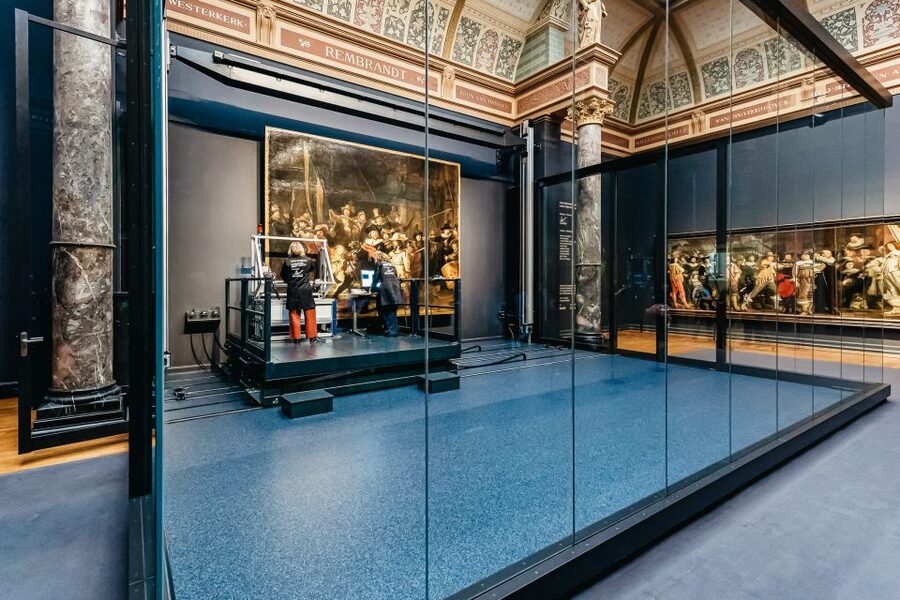
This ticket gives you permission to set your own pace. Here’s a route that keeps you from wandering in circles.
First stop: the highlights zone. Start with the Gallery of Honour and work your way toward The Night Watch while your attention is fresh. Early entry is the easiest way to keep the experience feeling enjoyable rather than frantic.
Second: paint-to-culture connection. After the big paintings, switch gears. Move into decorative arts and history rooms—Delftware, maritime objects, prints, and sculptures. This is where the museum’s “800 years” theme becomes real. You’ll often find yourself thinking, Oh, now I get why this style mattered.
Third: history rooms with heavier themes. There’s mention of an occupied-city presentation tied to WW2 on the 1900s floor. If that kind of context is your interest, plan time for it. If you’re not, you can still pass through quickly, but the museum benefits when you let at least one history exhibit hit you for a few minutes.
Final: modern connections. Leave some time for newer items and design-era surprises, like the Yves Saint Laurent piece inspired by Mondrian. Even if you’re not a fashion person, it’s a fun way to end the day with a different kind of “Dutch idea meets world influence.”
How much time? A lot of visitors suggest 2–3 hours for highlights, with more time needed if you want to see a lot of rooms deeply. If you want the kind of visit that feels satisfying, I’d plan on closer to 4 hours and treat it like a half-day commitment.
The App and the Audio Options: Use Them to Pick Your Own Focus
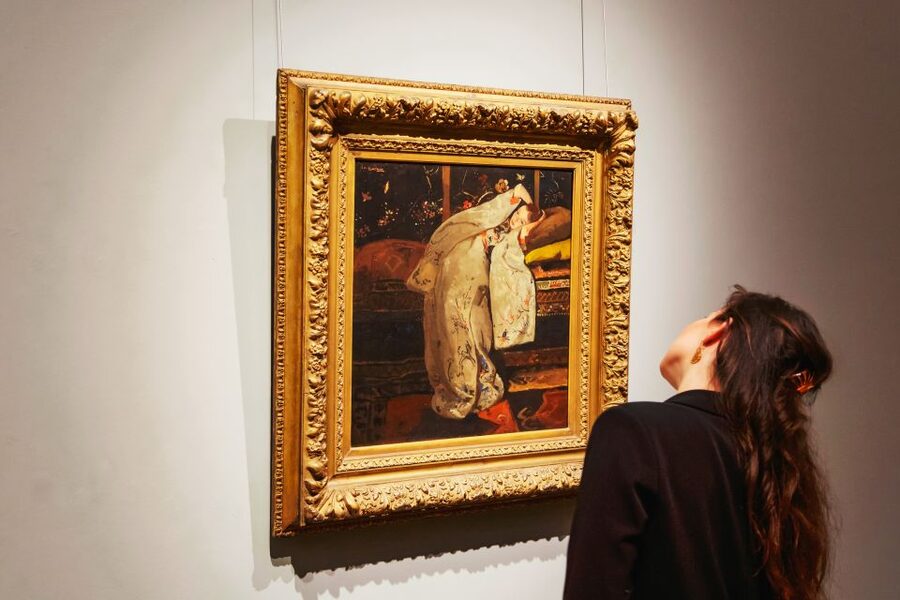
The ticket includes museum entry and permanent exhibition access, but it does not include the multimedia tour. A multimedia tour in 10+ languages is available for purchase at the museum for €6.50. Guided tours are also not included.
So what should you do? Two good paths exist:
- Use your phone for free audio (if you want flexible, light guidance). One review notes that you can download the museum app for free and access audio guides that way. If you’re the type who likes choosing stops on the fly, that’s a solid approach.
- Buy the multimedia tour if you want easier structure. People mention that a paid audio route can help you move through highlights and pull out details you might miss otherwise.
If you do get any audio set with numbered exhibits, I’d lean into it. One person described using exhibit numbers to bring up information quickly. That’s useful when you’re trying to avoid aimless browsing.
Bottom line: you’re not locked into a script. Audio is a tool to help you see more meaningfully, not a replacement for looking.
Navigation and Crowds: How to Keep Your Day Smooth

The Rijksmuseum can get busy, especially around the biggest names. Visitor tips repeatedly point out that it’s smart to go early, and some people describe the museum as large enough to feel a bit tricky to navigate.
Here’s my practical advice:
- Give yourself time at the start. If you start early, you can see the main rooms before the crush.
- Don’t over-plan every minute. Pick 8–12 works you care about most, then let the rest be a bonus.
- Expect signage to be less helpful than you want. If you feel lost, that’s normal. Use the museum’s free Wi‑Fi and your app/map to re-center.
Also, take advantage of the cloakroom. Dropping a coat or bag off reduces the stress of moving through crowds and narrow spaces. Even if you’re a light packer, it can make the visit feel easier.
Breaks That Matter: Cloakroom, Café Time, and Garden Wandering
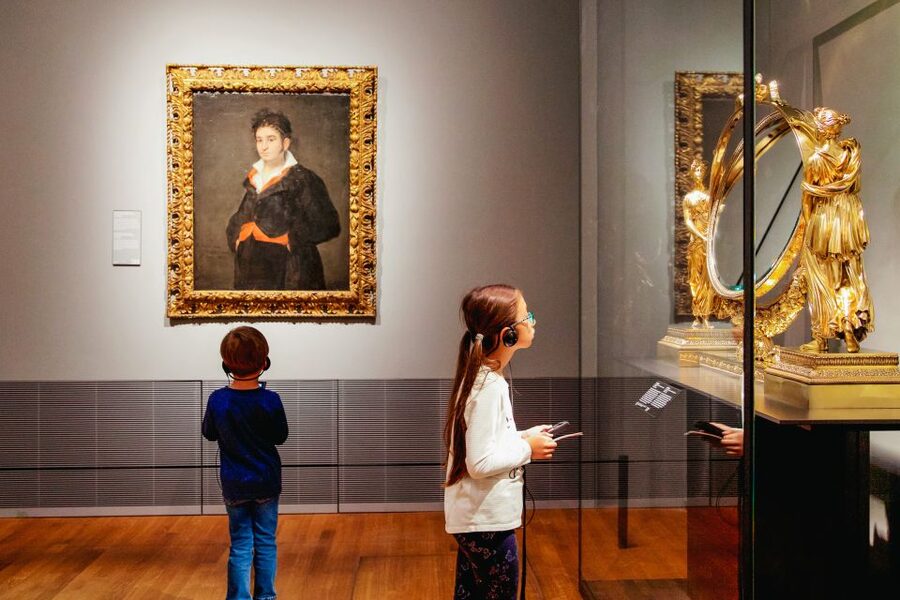
A big museum is a marathon, not a sprint. The included cloakroom helps you move comfortably, and the museum has a café/restaurant setup where you can pause during the day. Reviews mention breakfast and lunch options and describe breaks as a good way to reset.
A fun extra: several visitors talk about free drink vouchers or drink tickets included with their entry. You might want to keep an eye out for what you’re handed at arrival so you don’t miss the chance to use it.
If you like outdoor time, there’s mention of gardens at the museum. Even a short pause outside can help you finish the second half of the collection with energy instead of exhaustion.
And if your day runs long, don’t feel guilty. People who stay longer often say it’s because once you stop trying to “do the whole thing,” you start enjoying it more.
Price and Value: Is $31 Worth It for a Day at the Rijksmuseum?
At about $31 per person, the main value is straightforward: you’re paying for access to one of Europe’s most important art collections, plus included essentials like the cloakroom and free Wi‑Fi, with a booking fee added.
The ticket does not include the paid multimedia tour (about €6.50 at the museum). But that’s optional. If you’re comfortable using your phone app, you may be able to keep costs down.
Where the price feels worth it is when you plan to linger. If you only want to see a couple of paintings and leave, any major museum ticket will feel steep. If you’ll spend real time in the galleries—especially the Gallery of Honour and the Night Watch hall—the ticket starts making sense fast.
Also, the live restoration element gives you one more reason to choose the Rijksmuseum ticket rather than a generic “art museum” stop. This is not just a static exhibit; it’s preservation in progress.
Should You Book This Rijksmuseum Entry Ticket?
Book it if you want to see Dutch art at its best, with enough flexibility to go at your pace for hours. This is ideal if you like the idea of pairing big-name works (like The Night Watch) with the museum’s broader story through artifacts, design, and historical context.
Skip it or adjust expectations if you’re hoping for a quick, guided, one-room experience. The museum is big, and you’ll get more out of it if you treat it as a real outing, not a check-the-box stop.
If you do book, I’d plan your day around early entry, a focused list of highlights, and a simple audio strategy (phone app or the €6.50 multimedia tour).
FAQ
How late can I enter after the time on my ticket?
You can enter the museum up to 15 minutes after the time mentioned on your ticket.
How long can I stay inside?
Your ticket is valid for 1 day, and you can stay as long as you wish inside until the museum closes.
Is the multimedia audio tour included with the ticket?
No. A multimedia tour in 10+ languages is available for purchase at the museum for €6.50. A guided tour is also not included.
Can I take photos or video inside?
Yes, taking photographs or video recordings is allowed, except with flash or a selfie stick.
What are the Rijksmuseum opening hours?
The museum is open 9:00 AM to 5:00 PM daily, every day of the year. The ticket desk closes at 4:30 PM.
Is the museum wheelchair accessible?
Yes, the Rijksmuseum is wheelchair accessible. People unable to independently navigate through the museum may bring one companion for free (with a companion entrance ticket available at cash register 1).