REVIEW · VIENNA
Vienna: MAK – Museum of Applied Arts – Tickets
Book on GetYourGuide →Operated by MAK - Museum für angewandte Kunst · Bookable on GetYourGuide
A day at the MAK turns design into real culture. This ticket gets you into Vienna’s Museum of Applied Arts for art-and-design special exhibitions inside one of the city’s most dramatic Ringstraße buildings. What I like most is that the admission covers both permanent and several temporary exhibitions, so you’re not stuck in one theme, and you also get an express security setup to keep your time moving. One catch: parts of museums sometimes close for maintenance, so if you want to see everything, plan with that in mind.
The MAK sits between Stadtpark and the University of Applied Arts, so it’s easy to pair with a walk through central Vienna rather than treating it like a separate chore. Inside, the building’s size matches the collection scale too: it’s home to 900,000+ objects and printed works, which is part of why a visit can feel unexpectedly long.
And if you’re more interested in modern ideas than old-style displays, you’ll appreciate the MAK Design Lab, where contemporary design projects take center stage. I’d still give yourself a full chunk of the day, because a shorter visit can leave you wishing you had slowed down.
In This Review
- Key things to know before you go
- Why the MAK Museum ticket feels like a design day on the Ringstraße
- What your admission includes (and why it’s good value)
- Your 1-day game plan: how to see the most without rushing
- MAK Design Lab: where contemporary design becomes the main event
- Art, design, fashion, and architecture: the MAK’s real superpower
- The museum building itself: grand on the outside, serious inside
- Price and value: is $21 a fair deal?
- Who this MAK visit suits best (and who should think twice)
- Should you book the MAK Museum ticket?
- FAQ
- Where is the MAK Museum, and what’s the meeting point?
- How much does the ticket cost?
- How long is the ticket valid?
- Are special exhibitions included with the ticket?
- Is there an audio guide, and what languages are available?
- Is the museum accessible for wheelchair users?
- Is there free entry for children or teens?
- Do I need to worry about cancellation?
Key things to know before you go
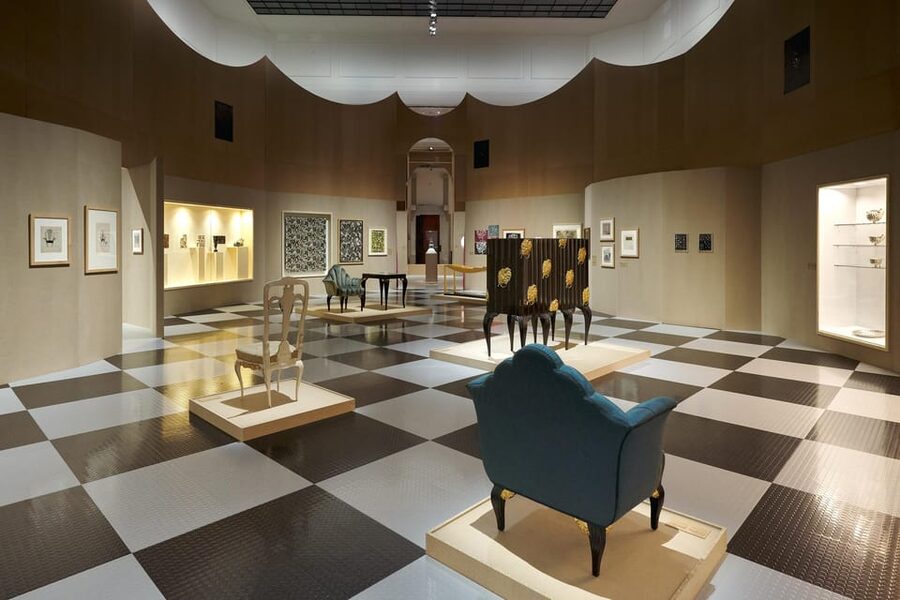
- Special exhibitions are included: art, design, fashion, and architecture shows come with your ticket.
- Ringstraße building that feels grand: the museum’s architecture is a major part of the experience.
- MAK Design Lab: contemporary projects give you a clear modern thread through the visit.
- Audio + digital help: an included guide and audio in English and German help you move faster.
- Practical extras: free Wi‑Fi and a free cloakroom keep the day comfortable.
- Time-saver at security: express security reduces the “ticket line” bottleneck.
Why the MAK Museum ticket feels like a design day on the Ringstraße
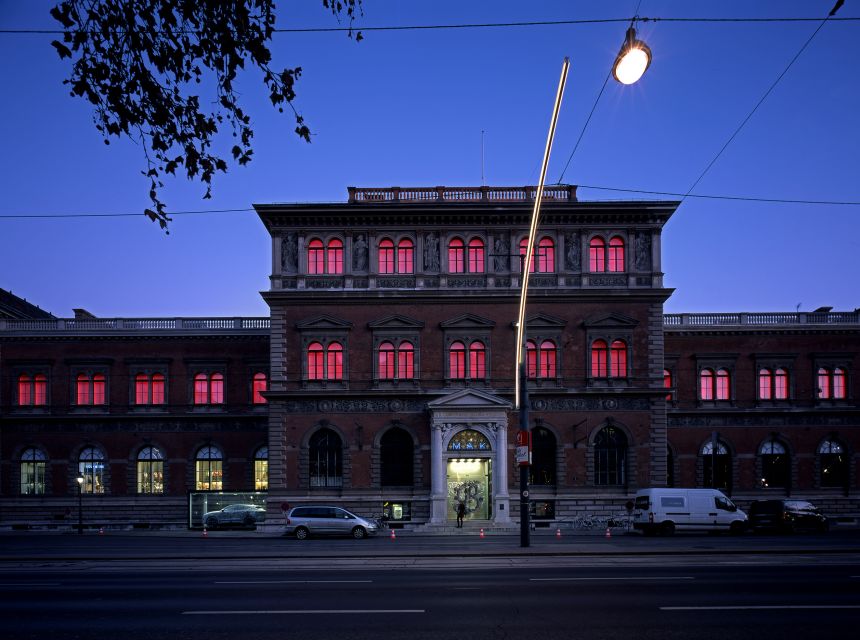
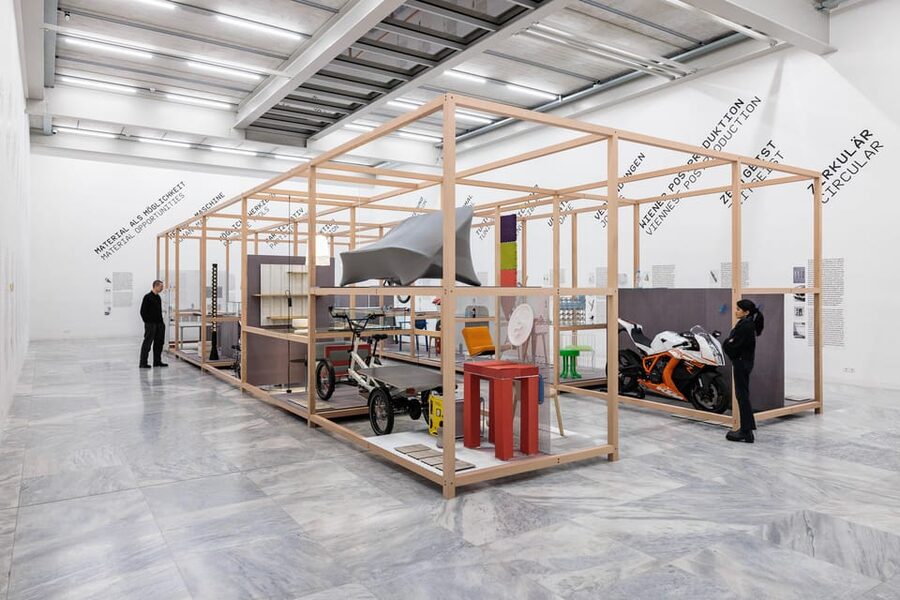
The MAK is one of those Vienna stops that works even if your “must-see” list is short. It’s not only because it’s famous, but because it’s built for crossovers: art meets practical design meets fashion and architecture. The museum dates back to 1863, founded under Emperor Franz Joseph, which explains why the place doesn’t feel like a generic gallery box. It has an institution feel, with room to show applied arts in all their shapes.
The Ringstraße setting also matters. You’re in a part of Vienna where the city built grand public buildings on purpose, and the MAK fits right into that mood. If you like walking through neighborhoods as much as going inside museums, this location gives you options before and after your visit—especially around Stadtpark and the nearby university area.
Finally, the scale is real. With 900,000 objects and printed works, the museum isn’t trying to fit everything into one neat circuit. That’s why your strategy matters more than just your ticket.
A few more Vienna tours and experiences worth a look



What your admission includes (and why it’s good value)
Your ticket covers entrance for the permanent collection and several temporary exhibitions in the fields of art and design. That’s the core value here: you’re paying once, then you’re free to spend your time choosing how you want the day to unfold.
A few extras make the practical side easier:
- Free digital MAK guide to help you navigate at your own pace.
- Audio guide included, available in English and German.
- Free Wi‑Fi so you can look up details, plan your next room, or just take a break without losing signal.
- Free cloakroom, which is a lifesaver if you show up with a coat, umbrella, or shopping bags.
You also get express security check, which is not glamorous but it’s smart. Museums with many exhibits tend to punish you for slow entry. This helps you start your visit sooner, especially if you’re going at a busier time.
And since the activity is valid for 1 day, you can pick a start time that matches your energy level. Plan to spend enough time inside, because if you rush, you won’t get the best out of either the collections or the modern design areas.
Your 1-day game plan: how to see the most without rushing
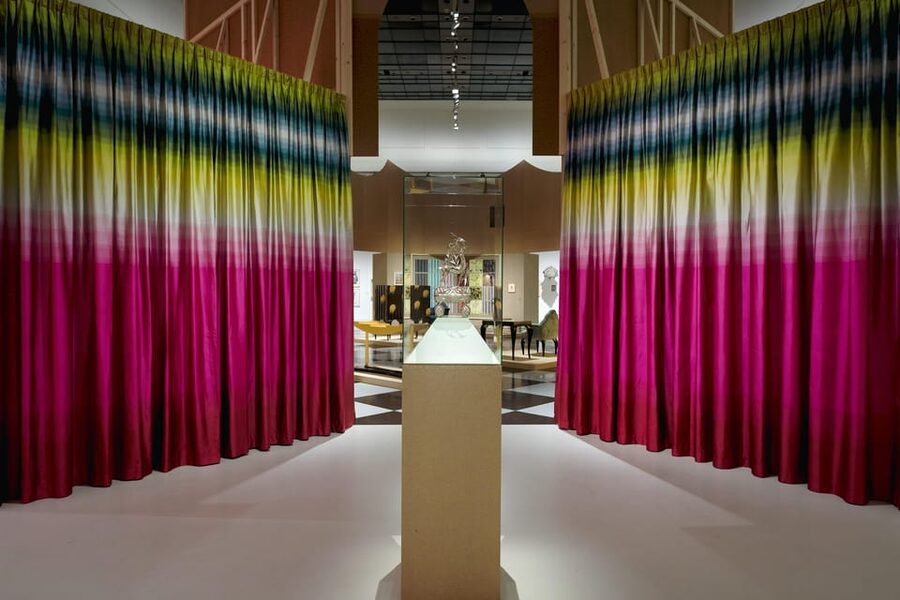
The day doesn’t have to be complicated. Think of the MAK as two big halves that talk to each other: the museum’s historic institutional collections, and the contemporary design lens.
Here’s a straightforward approach that works well for most people:
- Start with the special exhibitions included in your ticket. They set the tone and help you decide what kind of design thinking you’re in the mood for.
- Then move into the museum’s core spaces for a slower rhythm. That’s where you’ll get the sense of why applied arts matter—how objects, materials, typography, and fashion show up as culture.
- End with the MAK Design Lab if you want a modern finish. Contemporary design projects can land better after you’ve seen how design connects to history.
Timing note: this is one of those places where you can easily spend hours. One real-life experience was a five-hour visit that felt worth it, which matches the museum’s size and variety. If you only have 90 minutes, you might leave satisfied with one highlight, but you won’t get the full story.
Also watch for closures. One disappointment came from finding many areas closed for maintenance, so treat the day as flexible. If you arrive and something is off-limits, shift your focus to the remaining special exhibitions instead of trying to force a “complete” route.
MAK Design Lab: where contemporary design becomes the main event
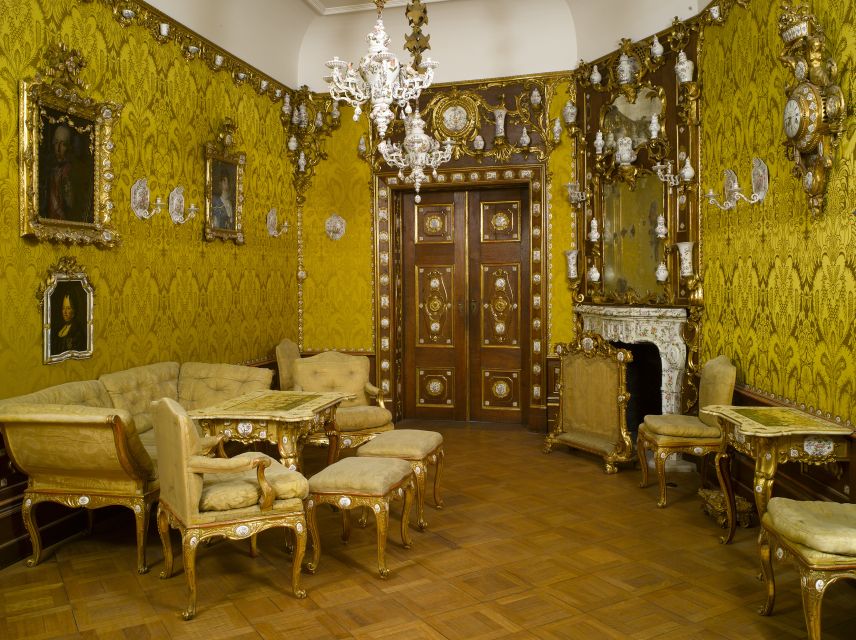
The MAK Design Lab is the reason many people feel the museum is more than a traditional art stop. Instead of presenting contemporary ideas as an afterthought, it gives contemporary design projects their own space and tone. That’s especially useful if you’re traveling with someone who likes design but gets bored in purely historical galleries.
How to enjoy it:
- Look for the design problems behind what you’re seeing. Even without a technical background, you can usually spot the goal: functionality, materials, user experience, or new ways of presenting ideas.
- Don’t treat it like a quick “modern corner.” The lab is where you learn how designers think now, which makes the rest of the museum more meaningful.
If you love architecture and fashion too, the lab helps connect those interests. Applied design shows up in how clothing is made, how buildings are organized, and how everyday objects shape behavior.
If you hate spending time reading labels, use the included audio guide for context in this area. It’s a good use of the resources you already paid for.
Art, design, fashion, and architecture: the MAK’s real superpower
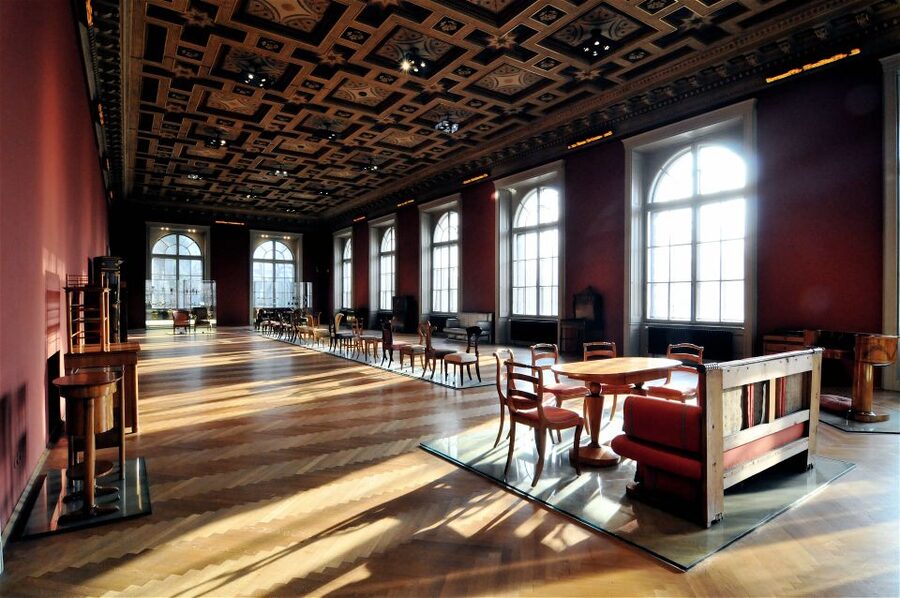
This is a museum built around cross-reading. You’ll see how design thinking can be both artistic and practical, and how fashion and architecture relate to the same human drive: to create form that serves people.
What you can expect from the included exhibitions:
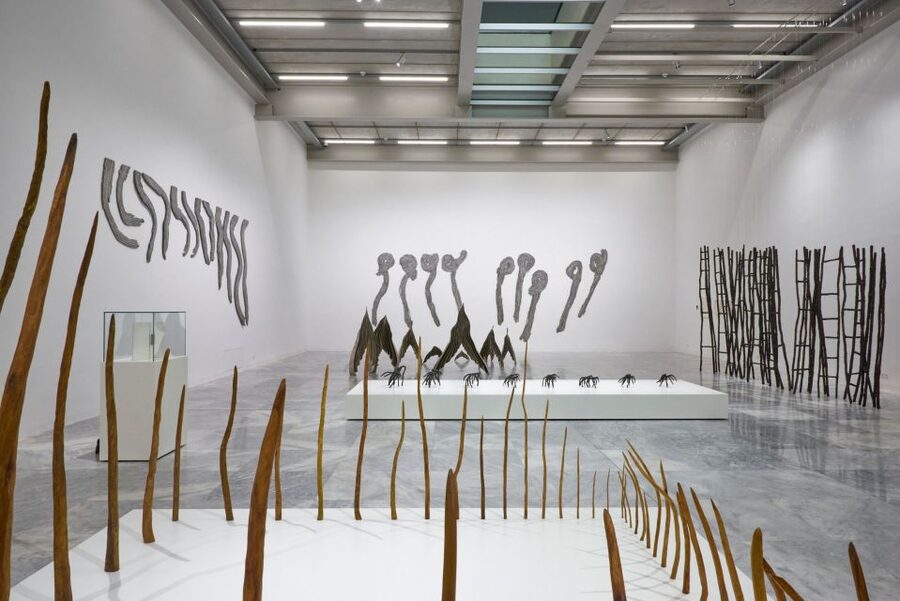
- They rotate through art, design, fashion, and architecture, so the museum rarely stays in one mood for long.
- Since the ticket includes multiple special exhibitions, you can follow your curiosity instead of committing to one “track.”
When this works best is when you’re willing to change gears mid-visit. For example, if you start the day in something more visual, you can later switch to something more architectural or design-process focused. That flexibility is a big deal in a museum of this scale.
One practical tip: take a break if the day starts feeling like label after label. The museum is large, and with 900,000 objects and printed works, you can overload fast. A cloakroom stop, a quick breath on Wi‑Fi, and a reset usually makes the rest of your visit feel fresh again.
You can also read our reviews of more museum experiences in Vienna






The museum building itself: grand on the outside, serious inside
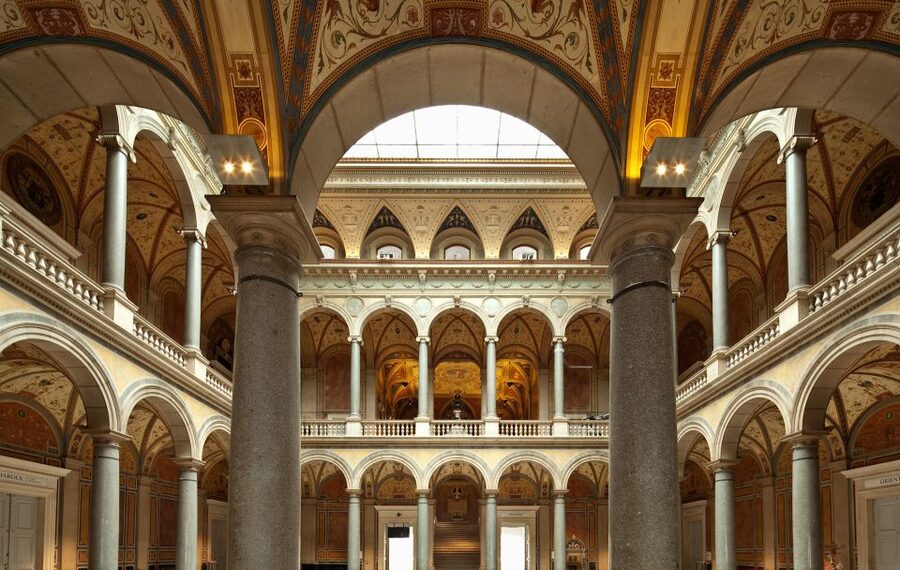
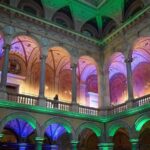
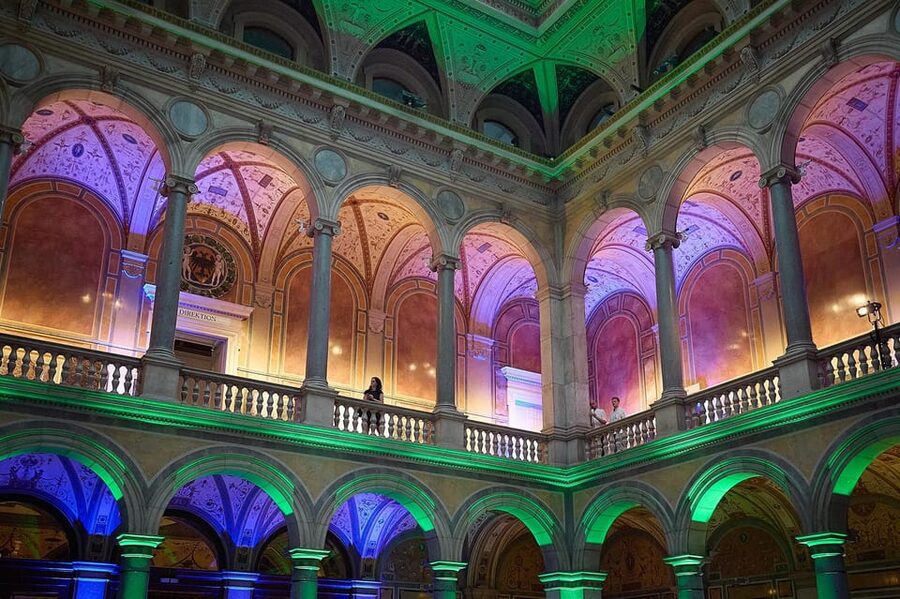
Even if you’re not an architecture obsessive, you’ll feel the MAK’s presence. It’s described as one of the most grandiose buildings on Vienna’s Ringstraße, and that’s not just a marketing line—grand buildings change your pace. You tend to walk slower. You notice details more.
The location also helps. Being between Stadtpark and the University of Applied Arts means you’re surrounded by an everyday Vienna rhythm, not only tourist corridors. If your day includes a morning walk and an afternoon museum session, the transition feels natural.
Inside, the building holds the massive collection, including printed works, and the sheer number hints at why the museum curates with focus instead of trying to show everything at once. You’ll get a sense that the museum is a living institution, not a one-display-per-room setup.
If you’re the type who enjoys photographing interiors, this is a good place for it. If photography isn’t your thing, just use the building for orientation. When a museum is this large and this serious, it helps to treat the architecture like a “landmark system” while you plan your route.
Price and value: is $21 a fair deal?
At around $21 per person, the MAK ticket can be a strong value in Vienna, mainly because it includes more than one kind of visit. You’re not only entering a building with one main exhibition; you’re gaining access to permanent displays plus several temporary exhibitions across multiple design categories.
Then add the extras:
- Audio guide (English and German) included
- Free digital guide
- Free Wi‑Fi
- Free cloakroom
- Express security check
Those points matter because they reduce friction. Vienna museums can be expensive, and the day can get annoying if you’re constantly waiting, hunting for info, or losing time. This ticket tackles those issues directly.
There’s also a value adjustment built in: entry is free for people under 19. If you’re traveling as a family or with younger visitors, that can change the math quickly.
Is it worth it for everyone? If you’re expecting a small, fast stop, you might find it hard to justify the time. But if you want an art-and-design day, the included exhibitions make the price feel reasonable.
Who this MAK visit suits best (and who should think twice)
This ticket is best for you if you like at least one of these:
- Design and applied arts (not just art-for-art’s-sake)
- Architecture and the way buildings and objects shape daily life
- Fashion as part of cultural design, not only as clothing
- A museum day that mixes historic depth with contemporary ideas
It also suits rainy-day plans, because you can spend time indoors without feeling like you’re missing out on city views.
Think twice if:
- You only want one single style or one single theme. The MAK spreads its attention across art, design, fashion, and architecture, so the day can feel broad.
- You’re on a strict schedule. The museum is large and easy to overrun.
Also keep the “maintenance reality” in mind. One negative experience centered on areas closed due to work, which can reduce what you planned to see. If you’re the type who builds your entire trip around one museum’s full checklist, consider checking the day-of situation when you can, and stay flexible with what you prioritize.
Should you book the MAK Museum ticket?
Yes—if you want a real Vienna museum day where design, fashion, and architecture share the same stage. The included special exhibitions, the MAK Design Lab, and the practical extras like the cloakroom, Wi‑Fi, and audio help make it easy to enjoy at a natural pace.
Skip it or reconsider if you only have a tight time window and you hate museums that require you to choose your route. Also, if you’re traveling during a period where closures are common, go in knowing you might not see every single area.
If you decide to go, I’d plan for around half a day to a full day, start with the special exhibitions, and finish with the Design Lab so the modern ideas land when you’re already warmed up.
FAQ
Where is the MAK Museum, and what’s the meeting point?
The meeting point is the MAK Museum at Stubenring 5, 1010 Wien.
How much does the ticket cost?
The price is listed as $21 per person.
How long is the ticket valid?
The ticket is valid for 1 day.
Are special exhibitions included with the ticket?
Yes. The ticket includes entrance to the permanent collection and several temporary exhibitions, including special exhibitions in art and design.
Is there an audio guide, and what languages are available?
Yes. An audio guide is included, with English and German available.
Is the museum accessible for wheelchair users?
Yes. The activity is wheelchair accessible.
Is there free entry for children or teens?
Yes. Entry is free to persons under 19 years old.
Do I need to worry about cancellation?
Free cancellation is available up to 24 hours in advance for a full refund.