REVIEW · TOKYO
Samurai Ninja Museum Asakusa: Kid-Friendly Ninja Training
Book on GetYourGuide →Operated by GLOBA Inc. · Bookable on GetYourGuide
If your kid likes games with costumes, this one lands. In Asakusa, you’ll do hands-on ninja training in about 75 minutes, with an English guide. I especially like that it mixes action (like shuriken throwing) with a simple museum visit that helps the whole thing feel like more than play. The photo session also turns the experience into a real keepsake you can look back on.
One thing to keep in mind: at $56 per person for a fairly short session, it can feel pricey if you’re hoping for a long, deep museum day instead of an activity-focused class.
In This Review
- Key Things to Know Before You Go
- A 75-Minute Ninja Training Session in Asakusa
- Dressing Up as a Ninja: Outfit and Photo Session
- The Ninja Treasure Hunt and Museum Time
- Shuriken Star Throw Competition: Precision With a Game Face
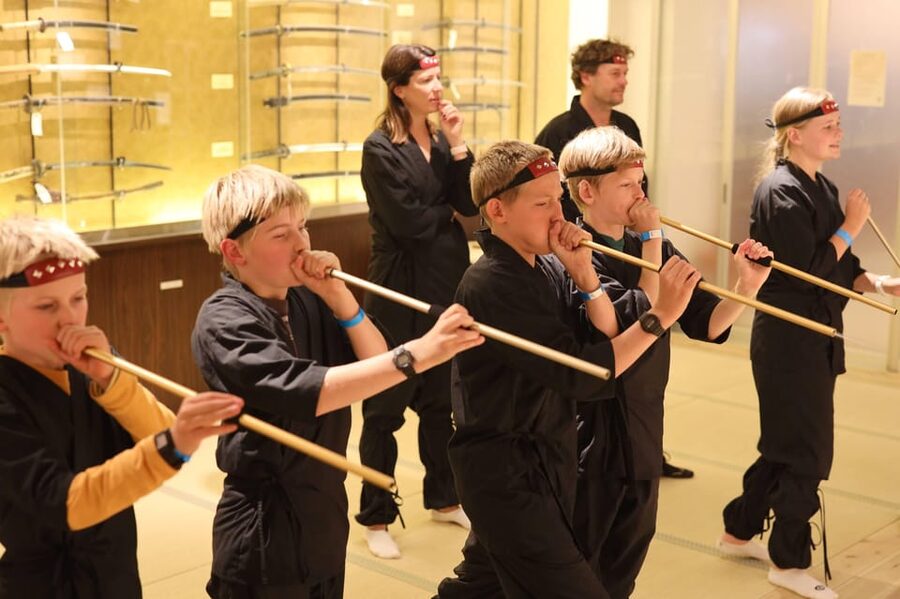
- Ninja Blowgun Training: Controlled, Hands-On Practice
- How the English Guide Keeps It Moving
- Price and Value: Is $56 Worth It?
- Who This Is Best For (and Who Might Skip It)
- Booking Check: Timing, Group Size, and Practical Fit
- Should You Book Samurai Ninja Museum Asakusa Ninja Training?
- FAQ
- How long is the Samurai Ninja Museum Asakusa kid-friendly ninja training?
- How much does it cost?
- What activities are included in the experience?
- Is it good for young children?
- What languages is the guide available in?
- How big is the group?
- Is it wheelchair accessible?
- Can I cancel for a refund?
Key Things to Know Before You Go
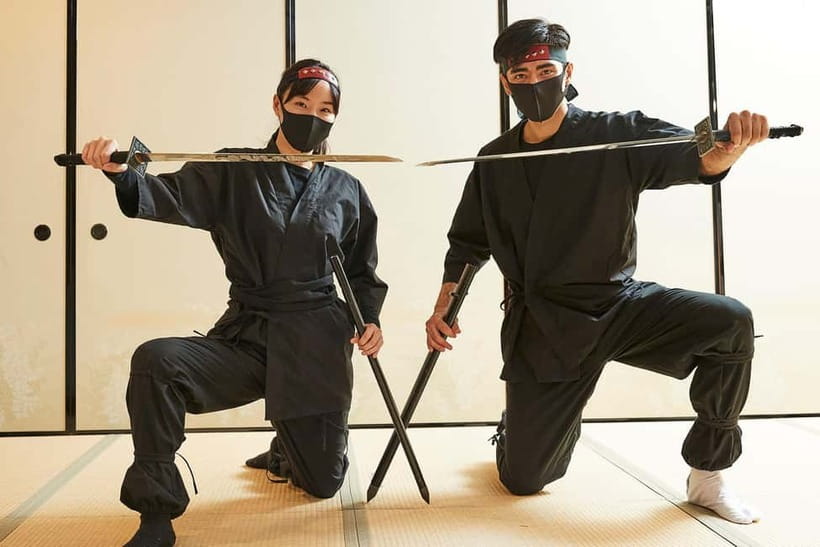
- Full ninja outfit included: you dress up as part of the experience, not just for a quick picture.
- Ninja treasure hunt: a kid-friendly challenge that keeps attention without needing constant supervision.
- Shuriken star throw competition: practice precision and get a friendly competitive moment.
- Ninja blowgun practice: you’ll learn the basics of using one as part of the training.
- Photo shoot: you leave with a visual memory, not just stories.
- Small group limits: limited to 5 participants, with English-speaking guidance.
A 75-Minute Ninja Training Session in Asakusa
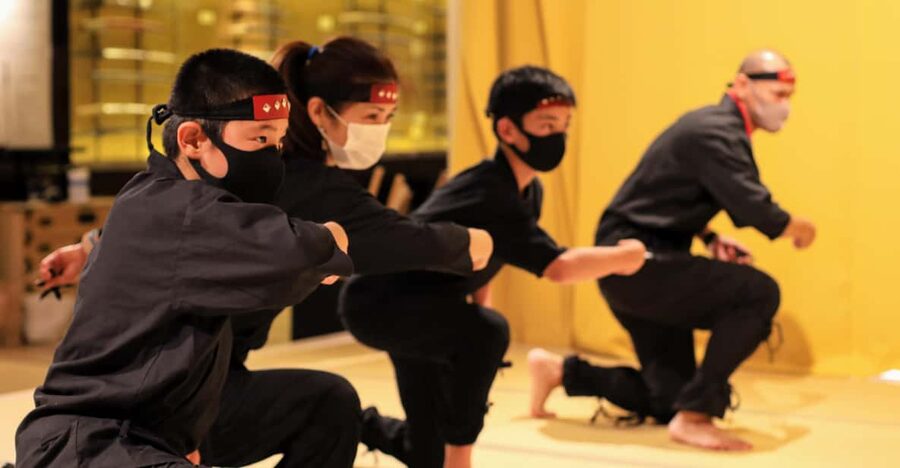
This is a compact, activity-first outing. You’re not signing up for a long museum crawl. You’re signing up for a short training session that turns kids (and adults, honestly) into stealth warriors for a while.
The session runs about 75 minutes, so it fits well into a busy Tokyo day. That time matters if you’re traveling with children. A shorter format usually means less “Are we done yet?” and more actual participation. It’s also a good option if you want something fun in Tokyo without adding a complicated itinerary.
The group size is also a big deal. The experience is limited to 5 participants, which usually makes it easier to get attention from the guide and keep everyone moving through the steps without long waits.
You can also read our reviews of more museum experiences in Tokyo

Dressing Up as a Ninja: Outfit and Photo Session
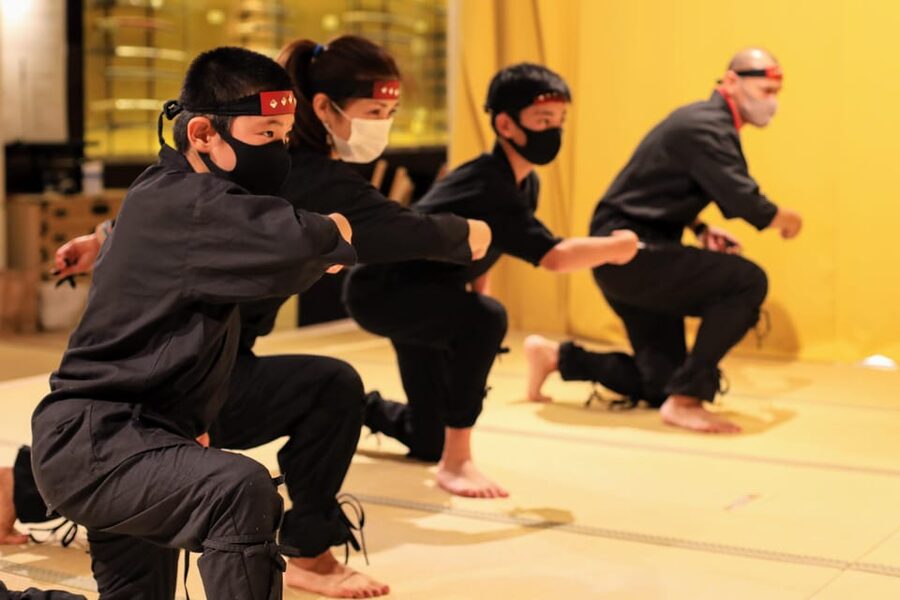
Right away, the experience leans into the fun: you’ll wear a full ninja outfit. For kids, costume play is half the magic. For adults, it’s the quick permission slip to act like a kid for an hour—plus it makes everything else feel more memorable.
Then there’s the photo shoot. This is the part that turns the session into a real souvenir. Instead of hoping someone captures a good moment on your phone, the experience builds in a photo session as part of the activity.
Practical tip: wear something comfortable underneath that you can move in. You may not be doing intense sports, but you’ll be standing, aiming, and walking between parts of the experience. Comfortable shoes also help, especially if you’re doing this as one stop among other Tokyo sightseeing.
The Ninja Treasure Hunt and Museum Time
After dressing up, you’ll jump into a ninja treasure hunt. This is specifically described as a fun activity that children enjoy, and that’s exactly what you should expect: playful problem-solving with ninja-themed prompts. The treasure hunt is one of the easiest parts to sell to kids because it feels like a game, not a lesson.
Then you’ll also get time with interactive exhibits at the Samurai and Ninja Museum experience. The tone here is learning through doing. You’ll be guided, so you don’t need to translate everything yourself or worry about missing key points.
I like this structure because it prevents the common problem with themed museum visits: kids get bored after a few rooms of reading and looking. Here, you alternate between action (hunt, training tasks) and guided museum elements. That rhythm is what makes it work for families.
Shuriken Star Throw Competition: Precision With a Game Face
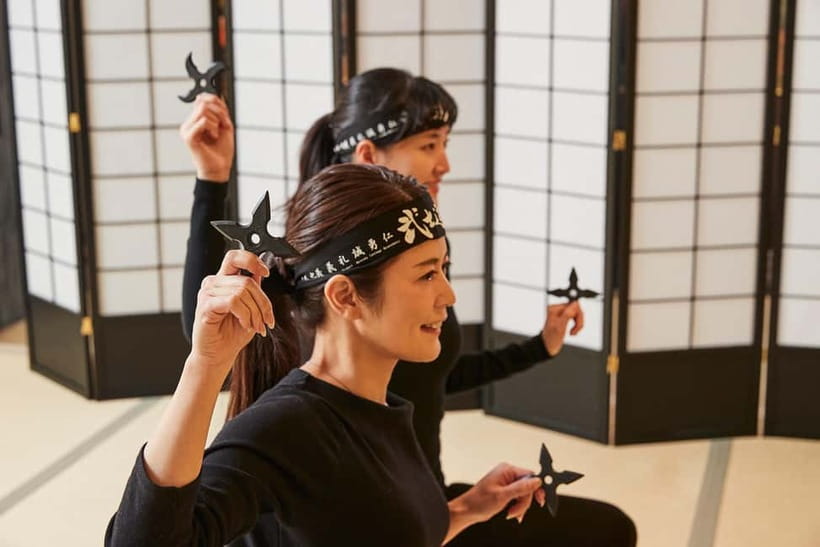
One of the most praised parts is the shuriken star throw competition. This is where kids get to use what they’ve been pretending to learn since the outfit went on. And honestly, it’s where many adults get hooked too—aiming at a target is satisfying even when you’re not a ninja.
This part works for two reasons:
- It gives you a clear goal (hit or aim at the mark).
- It turns “practice” into a competition moment, so it feels like a mini event.
From the feedback, the instruction quality matters a lot. People call out how well the guide explains things—especially around the shuriken throwing. If your child is a little shy at first, a good instructor can make the difference between trying once and actually getting into the game.
Practical tip: go in expecting some trial-and-error. It’s a training session, not a test. The fun is in trying, adjusting, and laughing when it doesn’t go perfectly the first time.
Ninja Blowgun Training: Controlled, Hands-On Practice
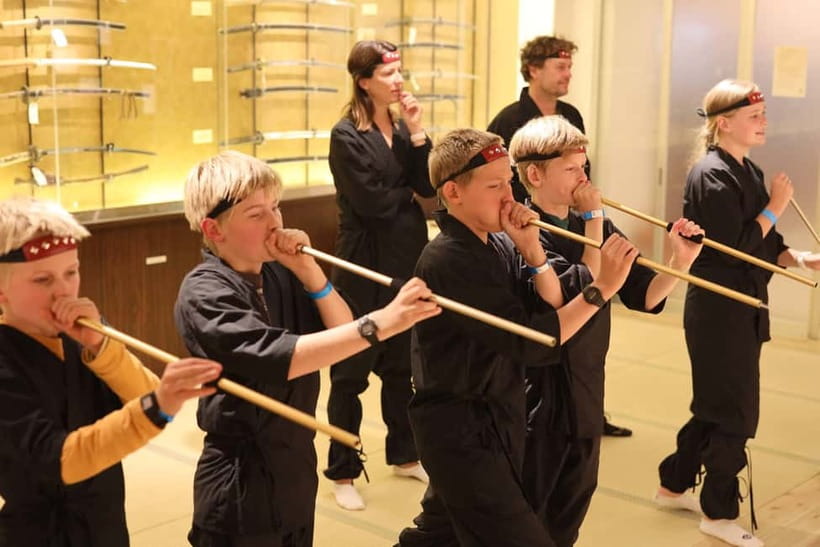
Next up: ninja blowgun practice. This is another hands-on skill component, and it’s a nice contrast to throwing stars. Instead of focusing mostly on arm strength and aiming from a throw, blowgun practice asks for control and precision in a different way.
Why this is valuable: kids often understand concepts better when they can physically interact with them. Blowgun training turns the idea of ninja stealth and technique into something tangible. It also adds variety. If a child loves one kind of activity (like aiming), you get that. If they prefer something else (like patience and fine control), you get that too.
You’ll also learn secrets of ninja as part of the overall training flow. The key point is that it’s not just random weapon play. It’s framed as technique and learning, guided in English.
If you’re planning this with younger kids, note that the experience is designed for families. Still, if your child tends to get frustrated with tasks that require accuracy, it can help to remind them it’s practice, not performance.

How the English Guide Keeps It Moving
The experience includes a live tour guide in English, and that matters more than you might think. When you’re traveling in Tokyo, it’s easy to get stuck in translation-heavy situations. Here, the guide handles the explanations so you can focus on the experience itself.
The small-group format (limited to 5 participants) also means the guide can give more direct coaching. That’s part of why people highlight how well the instructor explains things. The result is a smoother session where kids can follow along and not fall behind.
One detail I’d watch for: the session is only 75 minutes. That’s short enough that you’ll want to be ready when the guide moves to the next activity. If your child needs extra time to transition between tasks, build in a little extra patience at the start.
Price and Value: Is $56 Worth It?
Let’s talk value straight. $56 per person buys you:
- an entrance ticket
- a ninja treasure hunt
- a photo shoot
- guided instruction in English
- hands-on ninja activities like shuriken throwing and blowgun practice
For a family, this price can make sense because it bundles multiple parts into one organized session. You’re not paying separately for a museum ticket, an activity, and a photo moment. It’s also timed—so you’re paying for a structured 75-minute experience rather than spending hours navigating and hoping everyone stays engaged.
When it might feel overpriced: if you’re mainly looking for a full museum day, this won’t replace that. It’s a training-and-game format. The museum time is real, but it’s part of a shorter sequence, not the entire trip.
My practical advice: if your child is the type who wants to do things (aim, hunt, dress up), you’ll likely feel good about the cost. If your child prefers reading and quiet viewing, you might want to pair it with other calmer museum time before or after.
Who This Is Best For (and Who Might Skip It)
This experience is clearly designed for families. It’s ideal if you want an easy Tokyo activity that feels interactive and kid-friendly.
It’s especially good for:
- Kids who love costumes and hands-on games
- Families who want a single, time-limited activity
- Travelers who prefer guided experiences over self-exploring
It may not be the best fit for:
- Adults seeking a long, deep museum focus rather than a training session
- Parents who strongly prefer passive sightseeing
- Anyone traveling with a child who gets overwhelmed by aiming/precision tasks
Also, there’s a participation note that’s important: children under 3 can’t join the ninja experience, though they can enter the venue. If you’re traveling with a toddler, plan how you’ll handle the wait time and whether you’ll have someone stay with them while others do the training.
Booking Check: Timing, Group Size, and Practical Fit
This is a small-group activity. Even though there’s a maximum group size of 20 travelers, your actual hands-on group is limited to 5 participants. That difference matters. It usually means you’ll still get a more personal feel in the training tasks, even if the venue has multiple sessions running.
Duration is fixed at 75 minutes, with starting times based on availability. That makes it easier to plug into your Tokyo schedule, especially if you’re already doing other Asakusa-area sightseeing.
If you like flexibility, the activity offers free cancellation up to 24 hours in advance. That can be a relief in Tokyo, where weather and energy levels can change fast.
Should You Book Samurai Ninja Museum Asakusa Ninja Training?
Book it if you want a fun, family-friendly Tokyo experience that gives you more than just photos and sightseeing. The standout value here is the mix: dress up, play a treasure hunt, then get coached through shuriken throwing and blowgun practice, with an English guide keeping everything understandable and moving.
I’d hesitate only if your main goal is a long museum experience. This isn’t that. It’s a short training game with a museum component, built for participation.
If you’re traveling with kids who like action, this is exactly the kind of activity that turns a “Tokyo day” into a memory.
FAQ
How long is the Samurai Ninja Museum Asakusa kid-friendly ninja training?
The experience lasts 75 minutes.
How much does it cost?
It’s $56 per person.
What activities are included in the experience?
You get an entrance ticket, a ninja treasure hunt, and a photo shoot, plus the hands-on ninja training elements like shuriken star throwing and ninja blowgun practice.
Is it good for young children?
Children under 3 can’t join the ninja experience, but they can enter the venue. The experience is presented as kid-friendly and family-focused.
What languages is the guide available in?
The live tour guide speaks English.
How big is the group?
The experience is limited to 5 participants. The overall activity also lists a maximum of 20 travelers.
Is it wheelchair accessible?
Yes, the venue is wheelchair accessible.
Can I cancel for a refund?
Yes. You can cancel up to 24 hours in advance for a full refund.