REVIEW · TOKYO
Tokyo: Samurai Ninja Museum Guided tour and Experience
Book on GetYourGuide →Operated by GLOBA Inc. · Bookable on GetYourGuide
Samurai legends meet hands-on ninja practice. In Tokyo’s Samurai Ninja Museum, the guided tour turns armor and mythology into something you can actually see and do, with energy like the tours led by Nami and Ken. You’ll also get to throw shuriken, which makes the whole history lesson feel less like homework.
My favorite part is the practical, up-close look at gear. You get to admire samurai helmets, armor, and swords up close, and then swap from watcher to participant with the dress-up segment (real-looking helmet plus a metal samurai sword).
One consideration: this is built around interactive highlights, so the experience is not a long academic seminar. If you want hours and hours of deep detail, plan around the fact that the tour is often described as about an hour, with the hands-on activities coming at the end.
In This Review
- Key highlights you should care about
- Why this Tokyo museum tour is a smart use of time
- Getting oriented: the exhibits that make samurai and ninja make sense
- The guided tour experience: why the guide matters more than you’d think
- Shuriken throwing: the hands-on moment that turns a museum into a memory
- Samurai dress-up: helmet and metal sword photos, done right
- What the hour feels like: timing, pacing, and group reality
- Price and value: is $27 per person worth it?
- Who this tour fits best (and who might want something else)
- Tips to get more out of it on your visit
- Should you book the Samurai Ninja Museum guided tour?
- FAQ
- What’s included in the Samurai Ninja Museum guided tour experience?
- Is the tour offered in English?
- How long does the tour take?
- Can the group be larger than 15 people?
- What happens during the ninja star activity?
- What do you wear or hold during the samurai experience?
- Is there a way to reserve without paying today?
- Can you cancel and get a refund?
Key highlights you should care about
- English-speaking guide storytelling that keeps the museum moving
- Real armor, helmets, and swords that help ideas make sense
- Shuriken throwing practice that ends with a contest-style moment
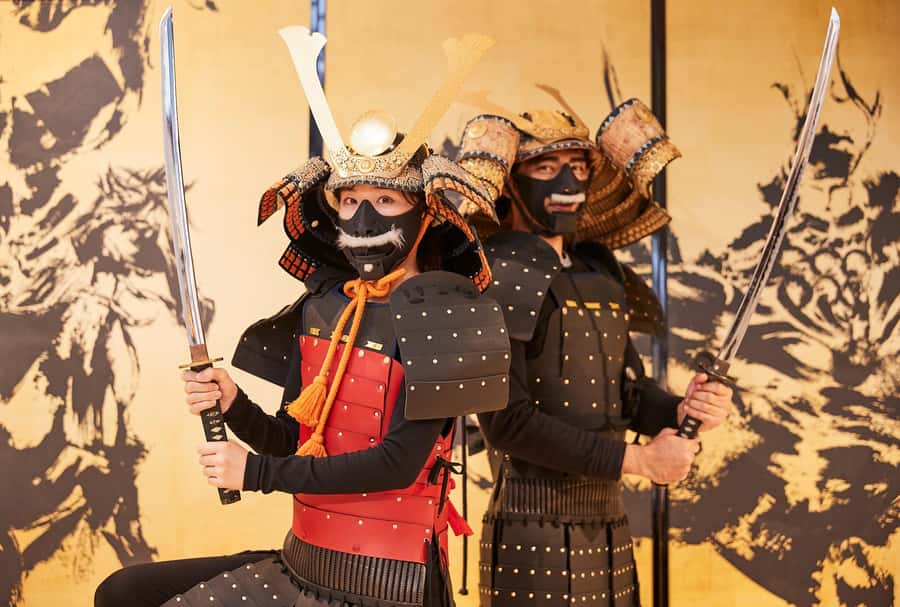
- Samurai dress-up with a helmet and a metal sword for photos
- Fast pace that still includes history, not just games
Why this Tokyo museum tour is a smart use of time
Tokyo is packed. You can easily burn a morning or afternoon on things that look cool but don’t connect to the real culture underneath. This museum works because it’s structured like a story: you start with context, then you get the fun proof at the end.
I like experiences where you learn and then immediately “apply” the lesson. Here, your guide shows you samurai and ninja concepts through displays, and then you test your accuracy with shuriken throwing. It’s the kind of setup that makes history stick, even if you came in expecting mostly costumes.
Also, the guides show up with personality. Names like Ken, Kenny, Megan, Nao, and Shin come up often, and that matters because the tone can turn a normal museum visit into an hour you actually look forward to.
You can also read our reviews of more tours and experiences in Tokyo.


Getting oriented: the exhibits that make samurai and ninja make sense
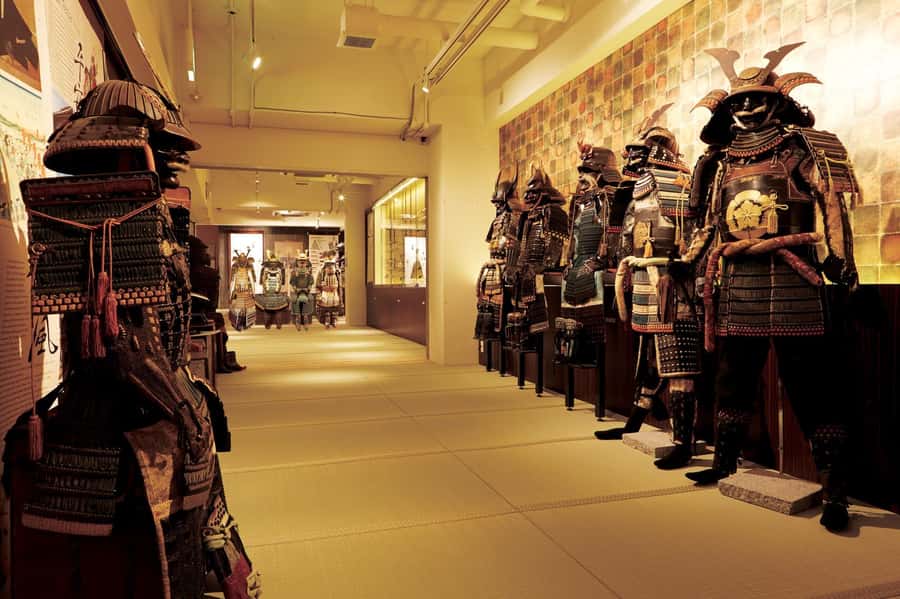
The museum focuses on two headline figures—samurai and ninjas—and explains how each fit into Japanese life. You’re not just staring at glass cases. You’re listening to an English-speaking guide point out what the gear is for and how it connects to roles in the past.
You’ll see impressive equipment—armor, helmets, and swords—meant to show you scale, materials, and design choices. Even if you’re not a weapons-history person, these details help you understand why the samurai image became so powerful in Japanese culture.
On the ninja side, the tone is often more “mystery with explanations.” You’ll hear about the ninja reputation and their role in history, with some myths handled directly so you don’t leave with only movie stereotypes.
The guided tour experience: why the guide matters more than you’d think
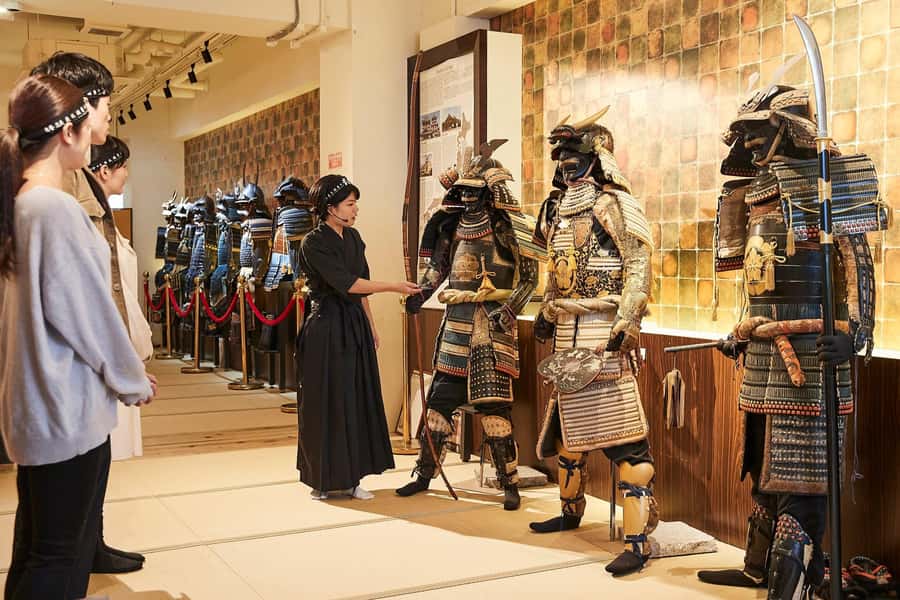
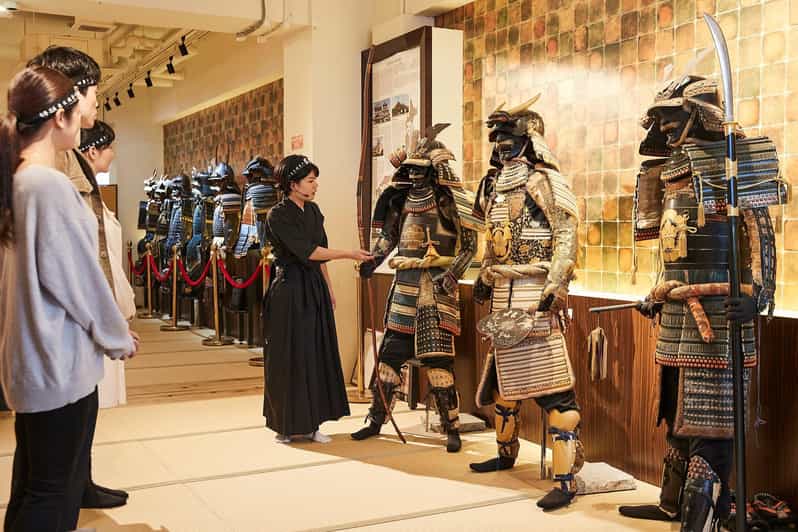
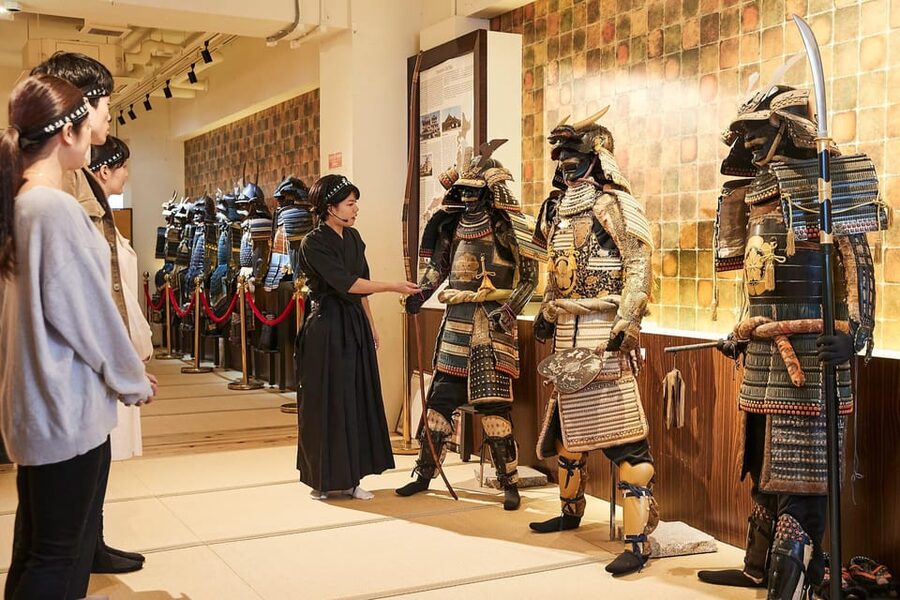
This is one of those tours where the guide isn’t a bonus. The guide is the product. Reviews repeatedly mention guides who keep things engaging without turning it into chaos.
If you get someone like Nami, Ken, or Shin, expect a mix of clear explanations and playful delivery. There’s also a real knack for pacing: at least one guide (Megan) is specifically praised for a tour length around an hour, and for keeping the balance right between storytelling and hands-on parts.
A practical upside for families: you can bring kids and teens without needing to translate everything in your head. The format is interactive enough that younger visitors stay with it, while adults still get useful historical context.
Shuriken throwing: the hands-on moment that turns a museum into a memory
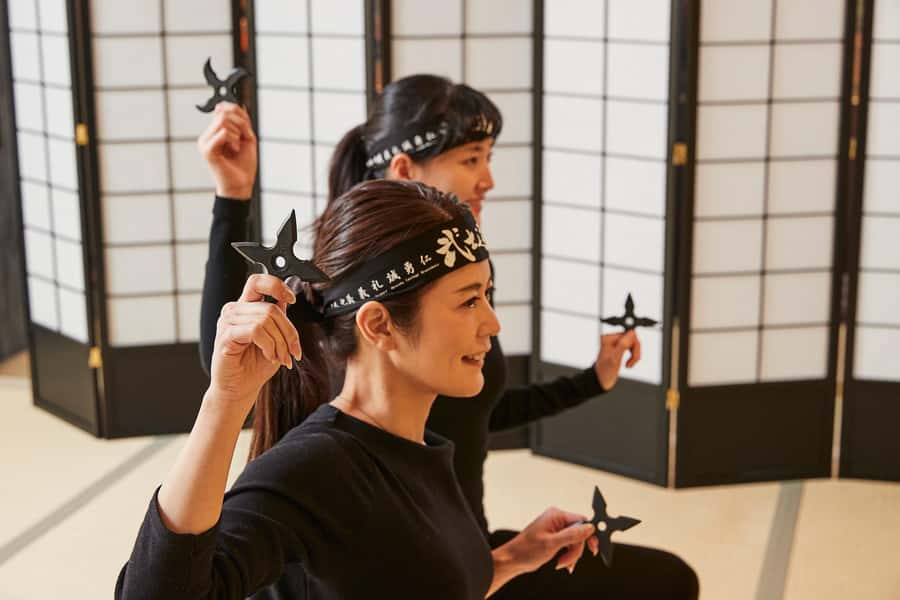
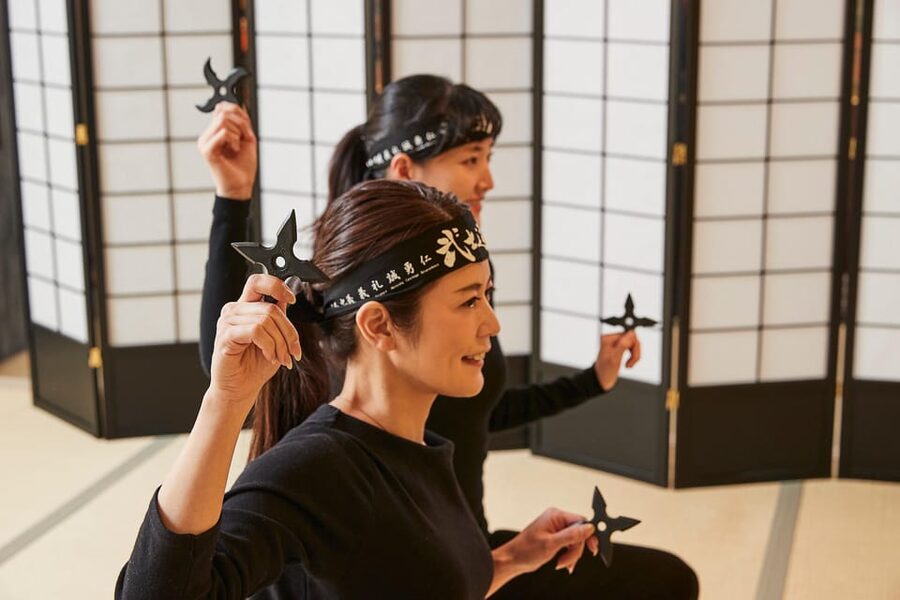
Let’s be honest. The shuriken throwing is why many people smile while walking out. You practice your accuracy with ninja stars, and it’s set up like a guided activity, not a random free-for-all.
That’s important. When throwing is part of a structured experience, you get a better sense of technique and focus. Plus, it’s photo-friendly, because you can watch, try, pose, and then laugh when your first attempt doesn’t land where you planned.
In some sessions, there’s a contest-style element at the end. One review says that if you win, you can keep your star. Even if you don’t win, the moment still feels like a payoff: you leave with a small story you can tell later.
Samurai dress-up: helmet and metal sword photos, done right
The samurai experience isn’t a flimsy costume. You get to dress up like a samurai, wear a real samurai helmet, and hold a metal samurai sword. That combination—especially the helmet—does a lot for your photos because it instantly changes the look of your posture and face.
This is also one of the easiest “participation” parts of the tour. You don’t need prior knowledge. You show up, your guide helps with the segment, and you get that iconic armor-in-the-frame moment.
For families and couples, dress-up is often the best souvenir-style memory. You can treat it like a mini photoshoot without needing to hunt down a photographer or a special studio.
You can also read our reviews of more museum experiences in Tokyo



What the hour feels like: timing, pacing, and group reality
Most people should plan for about an hour. That length is often praised as not too short and not dragging. For a trip like Tokyo, that’s a sweet spot: it fits between other stops, and you’re not stuck with a long tour schedule.
Group size can vary. The experience may cap at a maximum of 15 people if you reserve through GetYourGuide, but other booking sites may have more participants. The practical takeaway: if you want lots of personal attention during hands-on activities, go in with a positive attitude and know that the guide will work to include everyone.
Also, the tour structure usually places the interactive activity after the guided explanation. That means you’ll likely understand what you’re doing by the time you throw and dress up. It’s a smart order.
Price and value: is $27 per person worth it?
At about $27 per person, this sits in the “small splurge, big smile” category. You’re not paying just for entry. You’re paying for an English-speaking guided tour plus two participation segments: shuriken throwing and samurai dress-up with helmet and a metal sword.
Here’s how I’d judge the value if I were you:
- If you like hands-on learning, this is a strong deal because the activities aren’t separate add-ons.
- If you only want exhibits, it may feel like too much money for what might look like a short museum in a limited time window.
- If you’re traveling with kids or teens, it’s usually a great fit because they can see and touch history rather than only read about it.
With a rating around 4.6 from over a thousand reviews, the pattern is consistent: people feel it’s fun without sacrificing the historical thread.
Who this tour fits best (and who might want something else)
This experience is ideal if you want Japanese history that moves. It’s especially good for:
- Families with kids, because the pacing and interactive parts keep attention
- Teen travelers who want something more active than a standard museum
- Couples and solo travelers who want one focused cultural stop that doesn’t take half a day
You might consider another option if:
- You’re expecting a long, academic lecture
- You prefer quiet museum time over guided participation
- You mainly want historical depth and won’t care about throwing stars or dress-up
Tips to get more out of it on your visit
A few small choices can make the hour feel bigger:
- Arrive a little early so you’re not rushing when the guide starts. That helps you absorb the early context.
- Bring your phone for the helmet and sword segment. This is the moment you’ll want photos, and it happens after you learn enough to appreciate why it matters.
- When throwing shuriken, watch the guide’s cues first. Your accuracy usually improves once you focus on technique rather than power.
- If you’re going with kids, treat this like a game with a learning goal. The tour already works that way.
Also, keep an eye on the guide’s style. People named Kenny, Ken, Nami, Megan, Nao, and Shin come up as examples of what “good” looks like here. A lively guide can turn the same displays into a more memorable lesson.
Should you book the Samurai Ninja Museum guided tour?
If you have about an hour and you want a Tokyo activity that combines real artifacts with hands-on fun, I’d say yes. The pricing makes sense when you factor in the guided portion and the participation: shuriken throwing plus samurai dress-up with a helmet and metal sword.
Book it confidently if:
- You want history that’s explained clearly in English
- You enjoy interactive activities more than quiet galleries
- You’re traveling with kids or teens who need movement and visuals
Skip it only if you’re looking for a long, scholarly deep dive. This tour is designed to be short, lively, and practical—like the best kind of cultural “hit” when you’re short on time.
FAQ
What’s included in the Samurai Ninja Museum guided tour experience?
It includes an entry ticket, a guided tour with an English-speaking guide, a ninja star throwing experience, and a samurai experience where you dress up like a samurai, wear a real samurai helmet, and hold a metal samurai sword.
Is the tour offered in English?
Yes. The language is listed as English.
How long does the tour take?
One review mentions the tour is about an hour long, and the format is described as well balanced for that time.
Can the group be larger than 15 people?
If you reserve through GetYourGuide, you can reserve a maximum of 15 people. The information also notes that other booking sites may accept more participants.
What happens during the ninja star activity?
You practice shuriken throwing as part of the experience. There’s also mention of a contest-style moment at the end where, if you win, you get to keep your star.
What do you wear or hold during the samurai experience?
You dress up as a samurai, wear a real samurai helmet, and hold a metal samurai sword.
Is there a way to reserve without paying today?
Yes. The experience offers Reserve & Pay Later, so you can book your spot and pay nothing today.
Can you cancel and get a refund?
Yes. Cancellation up to 24 hours in advance allows for a full refund.