REVIEW · TOKYO
Samurai Ninja Museum Asakusa: Samurai Sword Lesson & Tour
Book on GetYourGuide →Operated by GLOBA Inc. · Bookable on GetYourGuide
Your Tokyo gets a katana moment. This Samurai Ninja Museum Asakusa experience is built around doing, not just watching: you dress in hakama and armor, learn sword fundamentals, then get a guided museum look at samurai and ninja culture.
I especially like the hands-on katana lesson with English-speaking instruction for complete beginners. I also love the themed photo time with samurai backdrops, because you walk out with more than memories—you get pictures that actually look like the scene. The main drawback: the session is tight at 2 hours, so if you want long practice drills, you may feel the pace is a bit fast.
In This Review
- Key highlights worth your time
- Samurai gear, hakama, and helmet photos in Asakusa
- Katana basics in 2 hours: what you actually learn
- The Samurai and Ninja museum tour that gives you context
- Ninja weapons trial: shuriken throwing, done with style
- Group size, pacing, and who should book
- Price and value: is $63 worth it?
- Practical tips so you enjoy every minute
- Should you book Samurai Ninja Museum Asakusa?
- FAQ
- How long is the Samurai Sword Lesson & Tour?
- What’s included in the price?
- Is it suitable for young children?
- Is the tour guided in English?
- How big are the groups?
- Where is the meeting point?
- Can I cancel for a full refund?
Key highlights worth your time
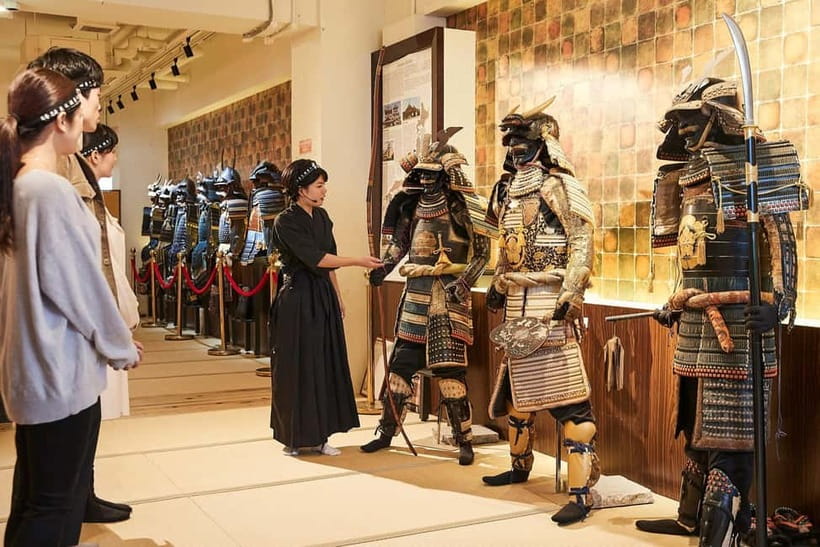
- Hakama-and-armor dress up that leads directly into training and photos
- Katana fundamentals taught in plain steps for novices
- Museum tour covering samurai and ninja history with an energetic guide
- Shuriken trial with a fun target-style challenge
- Small group cap (max 16) for a more personal feel
- English live guide plus private or small-group options when available
Samurai gear, hakama, and helmet photos in Asakusa
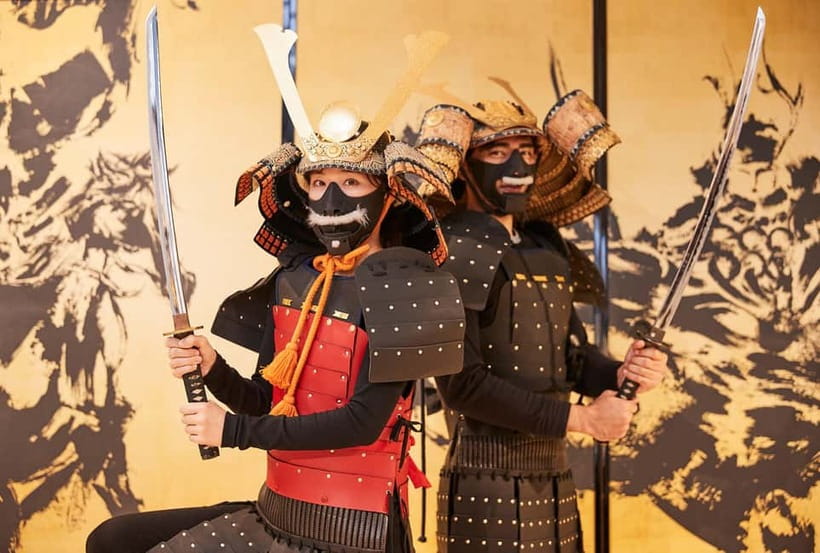
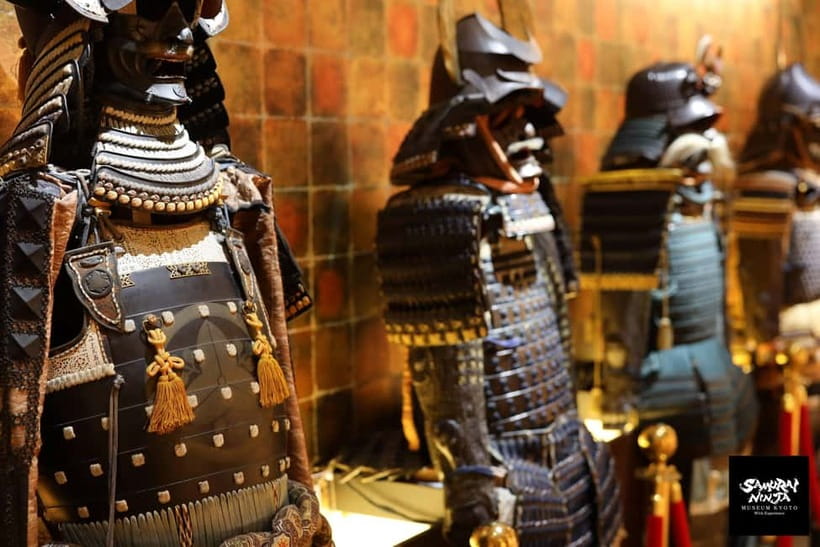
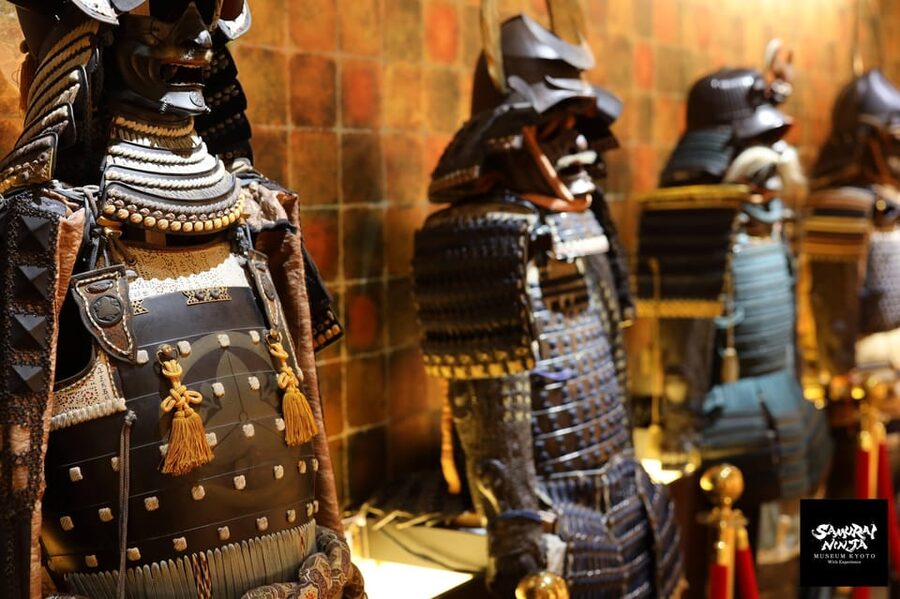
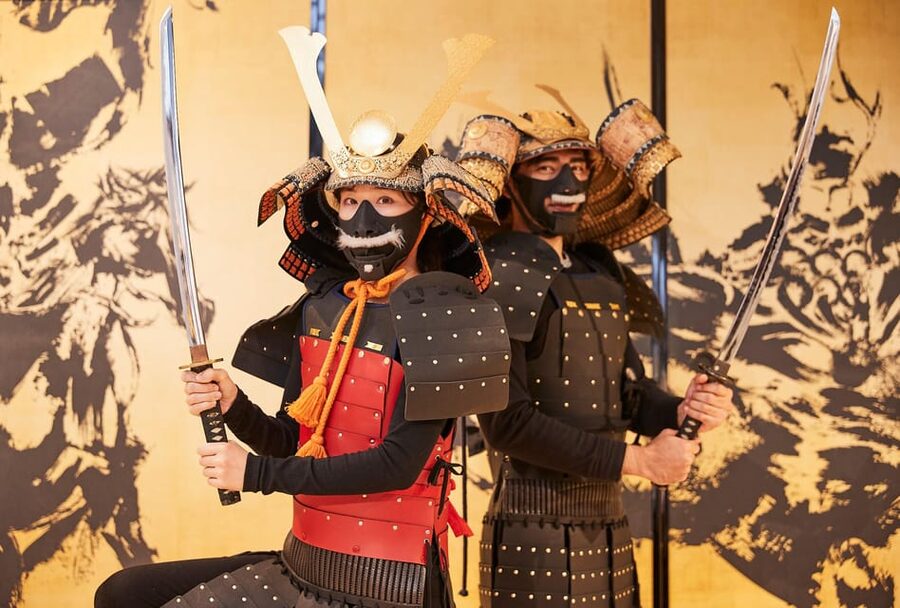
The first big part of this experience is getting dressed. You’ll put on a samurai helmet and armor and slip into a hakama, which changes the whole mood immediately. Even if you’ve done costume stuff before, this feels more connected because it’s not just for photos—you’ll use the setup right away in the lesson portion.
Photo time is a real feature here. You’ll pose in front of multiple samurai-themed backgrounds, and those snapshots are exactly the kind you’ll be happy to share later. This matters in Tokyo, where lots of attractions are either impressive but static, or fun but forgettable. Here, you leave with visible proof that you were part of the world for a little while.
A practical note: armor and layered clothing can feel warm and stiff. If you’re prone to getting uncomfortable, wear a simple base layer underneath and keep expectations realistic for the photos and quick transitions.
You can also read our reviews of more museum experiences in Tokyo

Katana basics in 2 hours: what you actually learn
This is the main event. You’ll learn how to handle a katana through a structured sword lesson led by an English-speaking sensei. One name you’ll see often in the teaching credits is Sensei Ryo, praised for being polite, professional, and great at breaking things down for people who start with zero experience.
You don’t just get a lecture. The format is hands-on and movement-based. Several instructors are mentioned in the experience lineup over time—Kenny, Kai, Koki, Rio/Ryo, and others—so the vibe can vary, but the goal stays consistent: get you doing the fundamentals correctly, not just holding the sword and hoping for the best.
Safety and “family-friendly” pacing come into play. Some versions include supervised sword play using rubber swords, which makes it more realistic without turning the room into a bad action movie. Also, because kids are often part of the group, the session sometimes adjusts to keep everyone involved. That’s great for inclusive fun, but it can mean not every movement lands the way an adult would do it in perfect isolation.
The Samurai and Ninja museum tour that gives you context
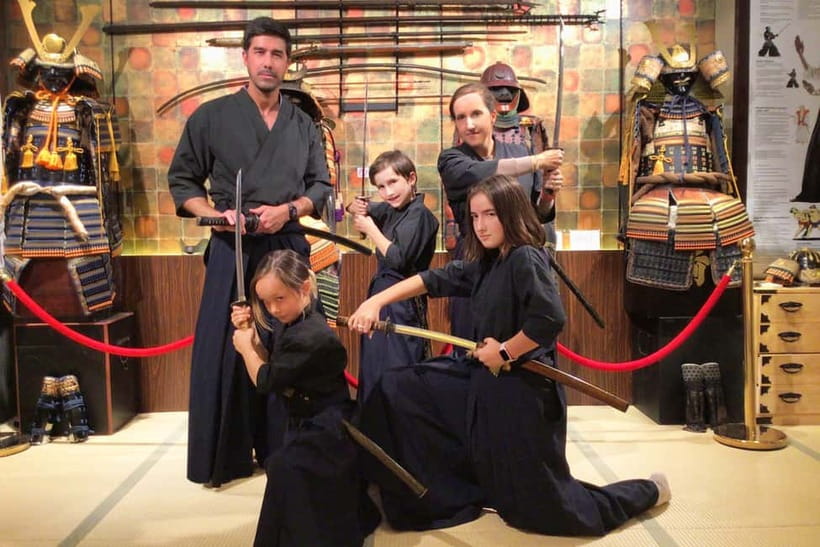
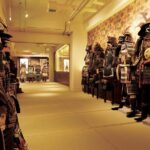
After the lesson, you head into the museum portion. This is where the experience stops being only performance. You’ll get a guided tour of the Samurai and Ninja Museum and learn about the history of samurai as well as the ninja world—often explained in a way that works for kids and adults at the same time.
Guides named in the teaching team include Ren, Nao, Momo, and Leon, and they’re repeatedly described as energetic and able to keep attention. What I like about this approach is that it turns the “cool sword moment” into something you can place in a story: origins, how samurai culture developed, and where things shifted toward the end of the era and beyond.
One thing to be aware of: the space can feel compact. That doesn’t make it bad. It just means the tour can feel a little rushed if you love reading slowly and stopping for detail. If you’re the type who wants to linger over every display case, you might want to plan a little extra time elsewhere in Asakusa on your own.
Ninja weapons trial: shuriken throwing, done with style
Then comes the ninja side. You’ll have a ninja weapons trial, and for many groups that means shuriken throwing at a target. In practice, this is where the session flips from “follow the instructor” to “try your luck.” People often treat this part like a mini competition.
The best part: you don’t need ninja skills. The point is controlled attempts and a guided sense of how to aim. It’s one of those rare activities where adults and kids can all get a turn and still feel successful.
If you enjoy skill games—archery-style targets, carnival throws, that kind of thing—you’ll likely end up grinning even if you’re not naturally coordinated.
Group size, pacing, and who should book
This experience caps at 16 travelers. That matters more than you’d think. Smaller groups tend to get better attention during costume changes and sword instruction. It also helps keep the energy up when everyone is moving around instead of sitting politely.
It’s also listed as wheelchair accessible, which is a plus if you’re traveling with mobility needs. The lesson itself involves standing and movement, so ask questions before you go if you need more details about how the instruction is adapted.
Age matters too. Children under 6 can’t enter the samurai venue, so this isn’t for toddlers. For families with kids and teens, it’s a strong match. You’ll see plenty of kids in the 7–14 range who enjoy both the costume and the hands-on sword/ninja activities. Adults also tend to like it because it’s not only “look at artifacts.” You get a role to play and a small skill to take home.
One pacing consideration: when groups include lots of small kids, instructors may prioritize keeping everyone engaged over finishing every movement exactly for adults. If you’re traveling as a solo adult and want maximum drill time, consider booking a private or small-group option if it’s available for your dates.


Price and value: is $63 worth it?
At $63 per person for a 2-hour experience, the value comes from what’s packed in. You’re not paying only for a museum entrance. You’re getting: a guided tour, a sword lesson, and included costume elements like hakama, armor, and a samurai helmet, plus themed photo time and a ninja weapons trial.
In other words, you’re paying for multiple parts that normally cost more when purchased separately—especially the guided instruction and the full costume handling. If you’re the type who likes experiences that feel like a day highlight instead of a quick stop, this pricing makes more sense.
Could it be better if it lasted longer? Sure. People do express wishing they had more time to practice. But for many travelers, the tight timing is also the appeal: you can fit it into a Tokyo day without losing the rest of your sightseeing plans.
Practical tips so you enjoy every minute
- Dress for easy layering. You’ll end up in traditional clothing over whatever you wear under it.
- Bring a camera plan. The photo backdrops are a major payoff, so charge your phone and check storage.
- Expect some movement. Even with safety-focused instruction, there’s physical activity involved in the lesson.
- Go with the beginner mindset. The whole structure is built for people who don’t already know sword basics.
- If you want a calmer session, consider a private or small group option to reduce the kid-to-adult balancing effects on pacing.
Should you book Samurai Ninja Museum Asakusa?
Book it if you want a hands-on Tokyo experience with real structure: costume up, learn fundamentals, then get story context in a museum setting. It’s a strong choice for families and also for adults who like participatory activities and don’t mind a guided pace.
Skip it only if you’re hunting for a quiet, slow museum day or you specifically want deep technical sword training. This isn’t a long dojo course. It’s a fun, fast, culturally flavored workshop that ends with photos, a game-like ninja trial, and enough learning to make the next samurai reference you see feel less random.
If your Tokyo schedule can handle 2 hours and you’re excited by the idea of wearing armor in real life, this is exactly the kind of thing you’ll remember long after you leave the neighborhood.
FAQ
How long is the Samurai Sword Lesson & Tour?
It runs for 2 hours. Starting times depend on availability.
What’s included in the price?
You get a samurai sword lesson, use of the hakama, samurai helmet, and samurai armor, themed photo opportunities, and a ninja weapons trial.
Is it suitable for young children?
Children under 6 can’t enter the samurai venue. The experience is generally described as fun for families, including children and teens.
Is the tour guided in English?
Yes. The tour includes a live English-speaking guide.
How big are the groups?
The experience has a maximum of 16 travelers. Private or small-group options are also available.
Where is the meeting point?
The meeting point may vary depending on the option booked, so check the specific option details you select.
Can I cancel for a full refund?
Yes. You can cancel up to 24 hours in advance for a full refund.