REVIEW · VIENNA
Private Tour of the Kunsthistorisches Museum: Secrets of Masterpieces | Tickets included
Book on Viator →Operated by Art with me! — Art experience for the intellectually curious · Bookable on Viator
The museum feels like a temple. On this private 3-hour visit to the Kunsthistorisches Museum, you get a tight route through the highlights while your questions steer the conversation.
I especially loved how the guide Julia turns big-famous works into understandable stories, with humor and follow-up details that make the art feel less distant. I also liked that your museum admission is included, so you’re not scrambling to manage tickets while you’re trying to focus on the art.
One thing to consider: 3 hours moves fast for a building this size, so you’ll see a focused set of masterpieces rather than every room you might want.
In This Review
- Key takeaways before you go
- Meeting at Maria-Theresien-Platz and finding your guide fast
- Why a 3-hour private tour is the right size for Kunsthistorisches Museum
- Masterpieces first: how the tour helps you see the right works
- Going beyond paintings: Egyptian, Greek, Roman, and numismatic highlights
- The cabinets of curiosities: church plate, sculpture, and scientific instruments
- Julia’s method: questions, mini-tech, and that thesis-style route
- Price and value: what you’re really paying for
- Who should book this private Kunsthistorisches Museum tour
- Should you book this tour, or go on your own?
- FAQ
- How long is the private tour at the Kunsthistorisches Museum?
- Is the admission ticket to the Kunsthistorisches Museum included in the price?
- What language is the tour offered in?
- Where do we meet the guide?
- Is this tour actually private?
- What’s the cancellation window?
Key takeaways before you go
- Private and English-led: Only your group, guided in English with room for your questions
- Julia’s teach-and-chat style: Art-historical context plus fun anecdotes and quick comparisons between works
- A focused highlights approach: You follow the museum’s short list so you don’t get lost in thousands of objects
- Tickets are built in: Entry to the Kunsthistorisches Museum is included in the price
- More than paintings: Expect Egyptian, Greek, and Roman art, numismatics, and the cabinets of curiosities
Meeting at Maria-Theresien-Platz and finding your guide fast
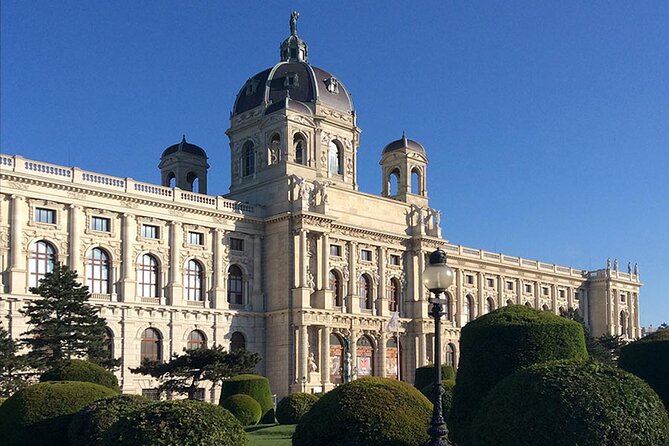
You start at Maria-Theresien-Platz, 1010 Wien, right by the Kunsthistorisches Museum main entrance. Plan to arrive on time because you meet outside, and there are three doors: the central one is closed, and your guide waits in front of it.
This matters more than it sounds. Kunsthistorisches is a big, formal building, and a couple minutes of wandering at the start can eat into your short 3-hour window.
A few more Vienna tours and experiences worth a look


Why a 3-hour private tour is the right size for Kunsthistorisches Museum
Kunsthistorisches Museum is huge. If you show up with no plan, you can end up “museum-walking” without ever getting traction on what you’re seeing.
That’s where this format helps you. You get a guided, topic-driven sweep that focuses on the main masterpieces, then uses your interests to decide what to linger on. With only your group participating, you’re not forced into someone else’s pace.
Also, there’s a moderate physical fitness requirement. You’ll be moving through galleries and spending time standing to look closely, so wear comfortable shoes and don’t plan a late-night sprint afterward.
Masterpieces first: how the tour helps you see the right works
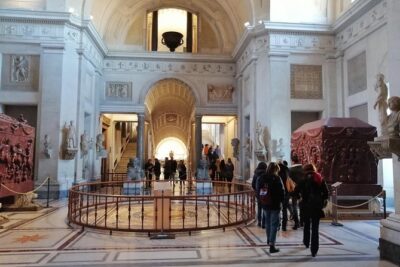
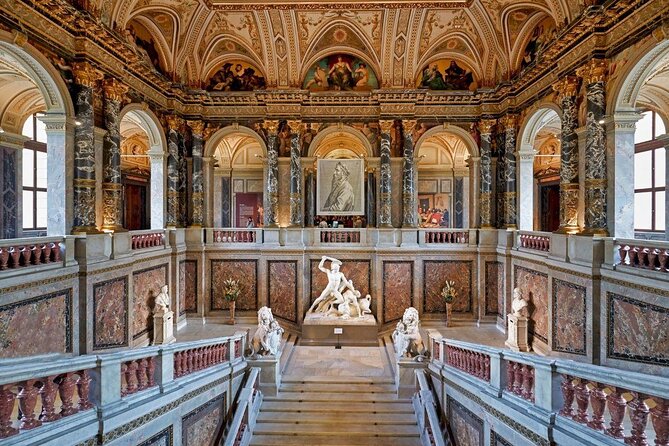
The museum is often described as a temple of art, and the building delivers that feeling immediately. Inside, the tour keeps you oriented by working through a “must-see” set rather than trying to treat the collection like one endless catalog.
You’ll hear the big historical and artistic threads behind the works—without the guide dumping facts in a lecture-y way. Julia focuses on what makes the pieces special and how they connect to the culture that produced them.
You’ll also get a sense of the museum’s scope. The stop is designed around the museum’s visitor short lists: hundreds of top works for regulars, and a smaller set of must-sees for newcomers. That structure is the practical gift here. It helps you leave with memorable takeaways instead of a blur of rooms.
And yes, expect the kind of names you came for, including Arcimboldo, Brueghel, Velasquez, Holbein, Dürer, Giorgione, Cranach, Raphael, Rembrandt, Rubens, and Titian. The point isn’t just to tick them off—it’s to understand why each work lands the way it does.
Going beyond paintings: Egyptian, Greek, Roman, and numismatic highlights
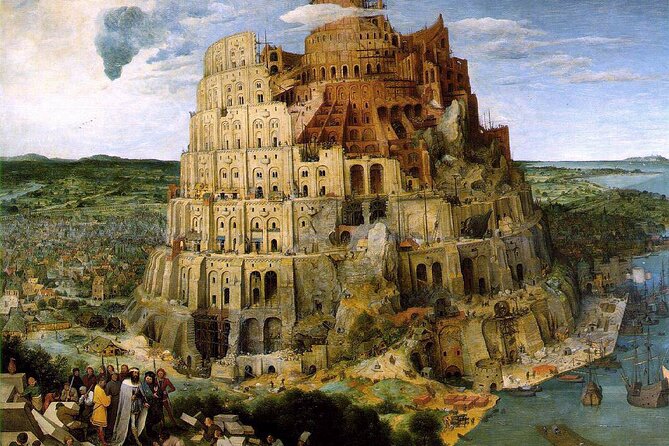
One of my favorite surprises with Kunsthistorisches is that it doesn’t act like a single-genre museum. Even in a painting-focused conversation, you’ll get pulled into other areas—Egyptian, Greek, and Roman art—plus a numismatic cabinet.
For you, that variety can be a big confidence boost. If you worry you’ll only “get” the works you already recognize, this tour gives you handles to interpret objects you might not know how to approach.
The tour’s balance is the key. It keeps the spotlight on major works, but it also reminds you the museum’s collection is built from collecting impulses across regions and eras. That makes the masterpieces feel less like isolated trophies and more like parts of one big cultural story.
The cabinets of curiosities: church plate, sculpture, and scientific instruments
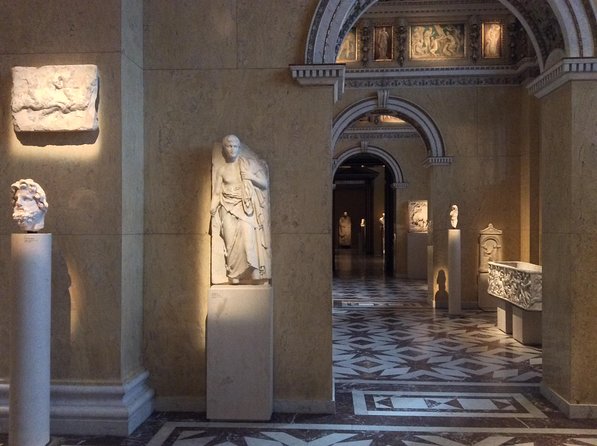
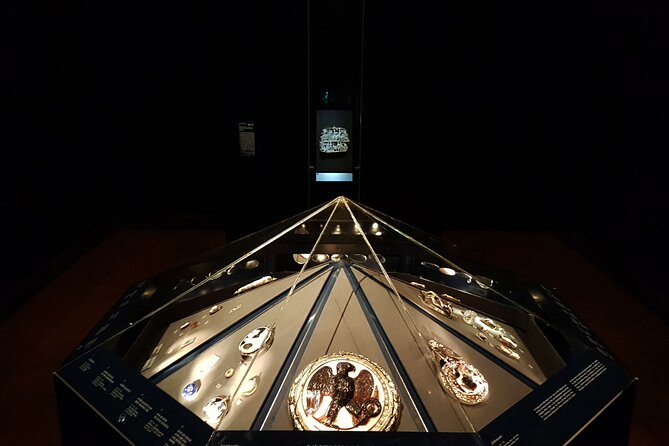
About a quarter of the exhibition space is devoted to the cabinets of curiosities—an eclectic mix that can feel like a time machine. Here you’re looking at indoor sculpture, church plate, decorative objects, and scientific instruments, all side by side.
This is where I think the tour format really pays off. Without guidance, curiosities rooms can turn into random browsing. With a guide like Julia, you get a sense of why these items were collected and how “wonder” was treated like a form of knowledge.
You also get to see that “art” in this museum means more than paintings and sculpture. It includes craftsmanship, materials, and how objects were designed to signal status, devotion, or technical skill.




Julia’s method: questions, mini-tech, and that thesis-style route
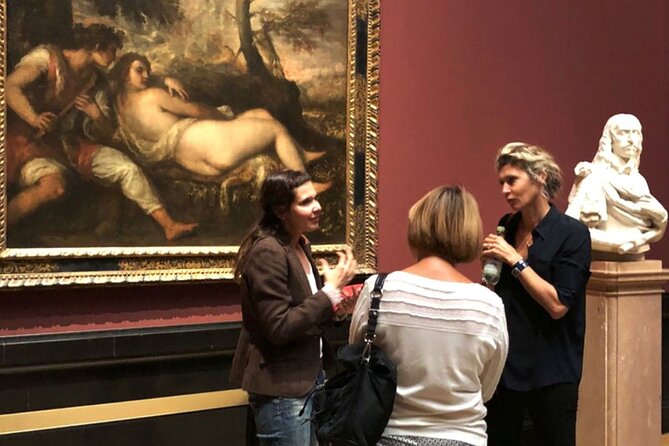
Julia’s style is interactive in a way that stays practical. She doesn’t just point at paintings; she seems to shape a line of thinking that you can follow while you look.
A couple details that stuck with me from how she works:
- She uses the museum guide map as a kind of roadmap, so you understand where you are in the bigger plan.
- She brings a mini iPad and uses it to cross-reference artworks, adding context by linking one piece to others in the collection.
- She asks you questions to start, then adjusts the direction based on what grabs you.
That last part is huge. If you care about technique, you’ll get questions and explanations that orbit around craft. If you care about the “why,” you’ll get the social and cultural backdrop that explains what the patron wanted and what the artist was responding to.
And she adds anecdotes—sometimes with a light, humorous edge. One fun example: a turquoise hippo detail that came up in the context of the museum’s objects and themes. It’s the kind of moment that makes a museum tour feel human.
Price and value: what you’re really paying for
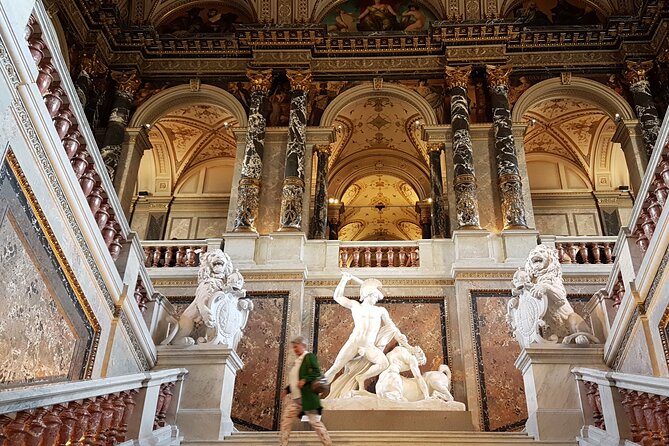
At $283.12 per person for about 3 hours, this is not a budget “see everything” option. But it also isn’t pricing you out of the experience—it’s charging you for focus.
You’re paying for three big value drivers:
- Admission included to the Kunsthistorisches Museum, so your ticket decision is handled
- A private setting, meaning your time doesn’t get diluted by strangers’ interests
- The guide’s ability to connect artworks to context in a way that saves you hours of guesswork
For you, that usually means less wandering and more understanding. If you love art history but hate feeling overwhelmed, this kind of guided highlight route can feel like the smartest way to spend a short Vienna visit.
Who should book this private Kunsthistorisches Museum tour
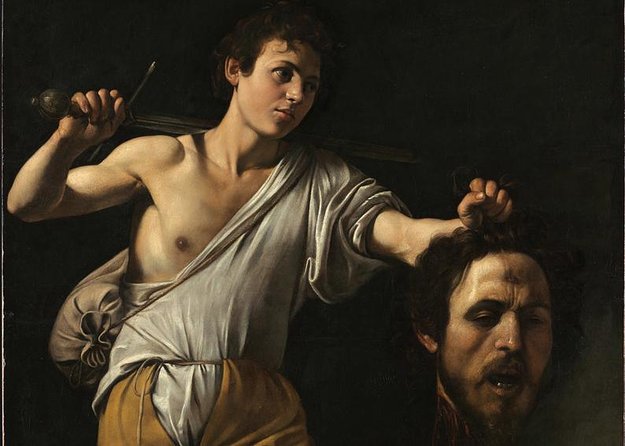
This works best if you’re the type of visitor who wants depth but with structure. You’ll likely enjoy it if you:
- want a guided route through major masterpieces without trying to plan the museum yourself
- like asking questions and getting direct answers
- appreciate when paintings, objects, and cultural context get connected
It may not be your best match if you’re the slow-and-steady type who needs long stretches in one room. With only 3 hours, you’ll see a selected route rather than spending equal time in every area.
Also, it’s offered in English, so it’s built for English-speaking visitors who want guidance rather than a self-paced audio tour.
Should you book this tour, or go on your own?
I’d book it if you want to walk out of Kunsthistorisches Museum feeling like you understood what you saw. The combination of tickets included, a private group setup, and Julia’s question-led storytelling is a strong formula for getting real value out of limited time.
If you’re the kind of person who thrives on total freedom and you already know which works you want to chase, you might prefer planning your own route. But if you’d rather let someone else handle the “what to see and why” part, this private tour is a smart bet.
FAQ
How long is the private tour at the Kunsthistorisches Museum?
It’s about 3 hours.
Is the admission ticket to the Kunsthistorisches Museum included in the price?
Yes. Admission to the Kunsthistorisches Museum is included.
What language is the tour offered in?
The tour is offered in English.
Where do we meet the guide?
You meet at Maria-Theresien-Platz, 1010 Wien, Austria, in front of the museum main entrance. There are three doors, and the central one is closed; your guide will wait in front of it.
Is this tour actually private?
Yes. It’s a private tour/activity, and only your group participates.
What’s the cancellation window?
You can cancel for a full refund up to 24 hours before the experience starts. If you cancel less than 24 hours before, the amount paid will not be refunded.