REVIEW · PARIS
Paris: Musée d’Orsay Guided Tour with Ticket
Book on GetYourGuide →Operated by Babylon Tours LLC · Bookable on GetYourGuide
Paris can feel like a giant museum of its own. This Musée d’Orsay tour turns that overwhelm into a clean, human story you can actually follow. I like that you get an expert introduction to 19th-century art in the museum’s showpiece setting: the former rail station wrapped in Beaux-Arts grandeur.
What I especially like is the mix of big-name masterpieces (think Monet and Van Gogh) plus smart attention to the artists and techniques that explain why these paintings changed everything. Another strong point is the small group pace: several guides you might get, like Mathieu, Lilya, and Miriam, are praised for clear explanations and for keeping the route moving through holiday crowds and busy galleries.
The only real downside to plan for is time. At 2.5 hours, you’ll see plenty, but it’s not a full wander-and-stare session—so if you want to linger in every room, you may feel a little rushed.
In This Review
- Key highlights at a glance
- Why the Orsay makes a smart guided introduction
- Beaux-Arts station setting: the building is part of the art
- What you’ll see: Monet, Van Gogh, and the artists that explain the shift
- The famous anchors
- The broader cast that makes the movement believable
- Impressionists and post-Impressionists: the “how” behind the look
- A note on what changes
- How the 2.5-hour visit actually plays out inside the museum
- Stop at the meeting point (and your first orientation)
- Time inside: guided highlights plus planned pauses
- Why the pacing is a benefit (not a compromise)
- Guide impact: small group size, serious storytelling, and Q&A-ready pacing
- Price and value: is $128 worth it?
- Practical logistics that actually affect your comfort
- Who this tour suits best (and who should adjust expectations)
- Should you book this Musée d’Orsay guided tour with ticket?
- FAQ
- How long is the Musée d’Orsay guided tour?
- Is the museum ticket included in the price?
- What group size is used?
- What languages are available?
- Can I bring luggage or a large bag?
- Where does the tour meet, and where does it end?
- Is free cancellation offered?
Key highlights at a glance
- Ticketed entry plus museum entrance fees for the permanent collection, so you’re not hunting paperwork at the door
- Pro certified guide commentary in multiple languages, including English and several others
- A small group size (max 6 per guide) for easier questions and better pacing
- Beaux-Arts former rail station architecture as part of the experience, not just a backdrop
- Highlights plus lesser-known works, with context on Impressionists and post-Impressionists
Why the Orsay makes a smart guided introduction
The Musée d’Orsay is one of those places where you can technically go alone—but you’ll miss the thread that makes it satisfying. The museum covers a key era of art, and without a plan, it’s easy to bounce from Monet to Manet to Van Gogh with no sense of how the ideas connect.
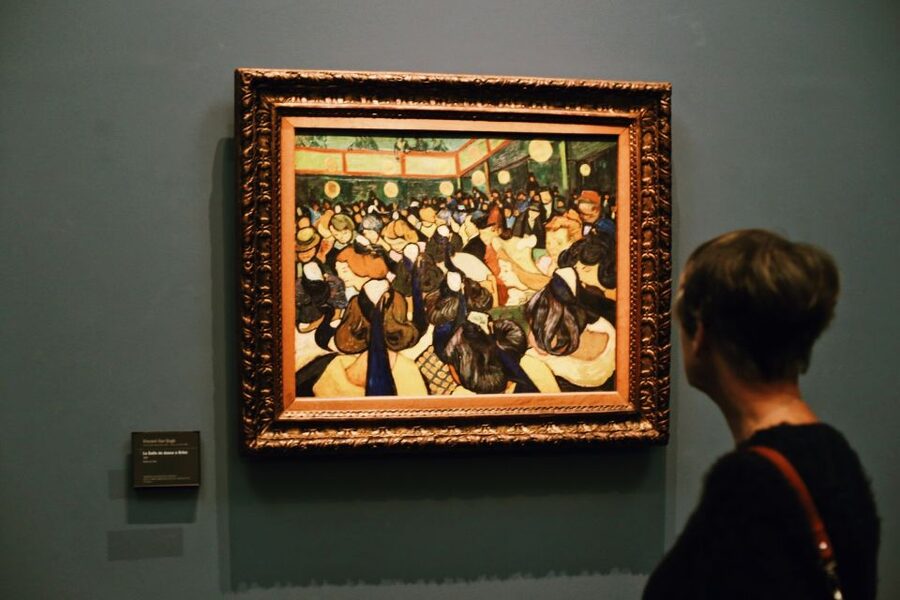
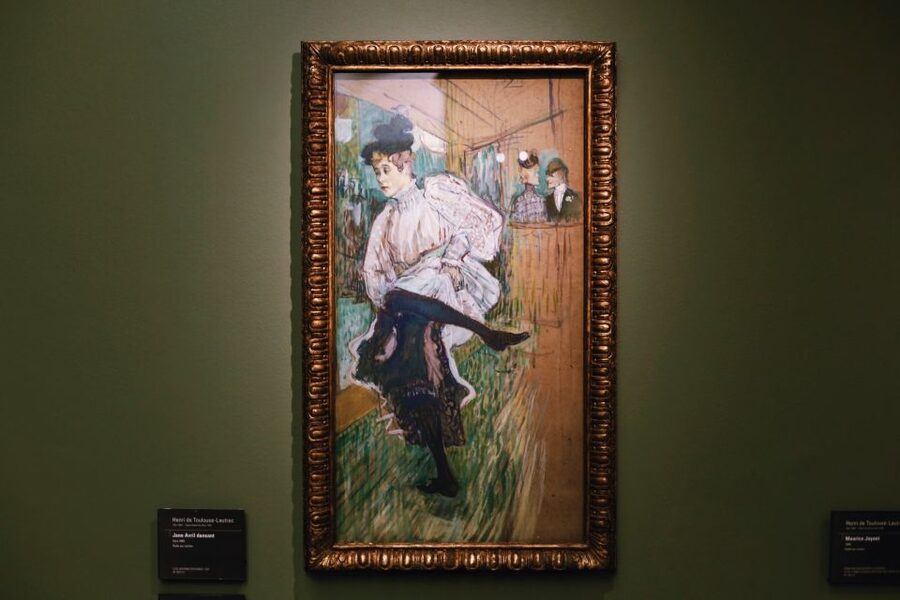
With this tour, your time is shaped around understanding. You’re led through the museum in a way that’s meant to work for first-timers, including the major French artists you’ll hear about for years: Manet, Renoir, Cézanne, Gauguin, and more. The tour also focuses on what was happening artist-by-artist and style-by-style, including the techniques that helped Impressionists and post-Impressionists push past the old rules.
One big value for you: you’ll leave with a mental map. Not just where paintings are, but what to look for next time you’re standing in front of the canvas.
A few more Paris tours and experiences worth a look



Beaux-Arts station setting: the building is part of the art
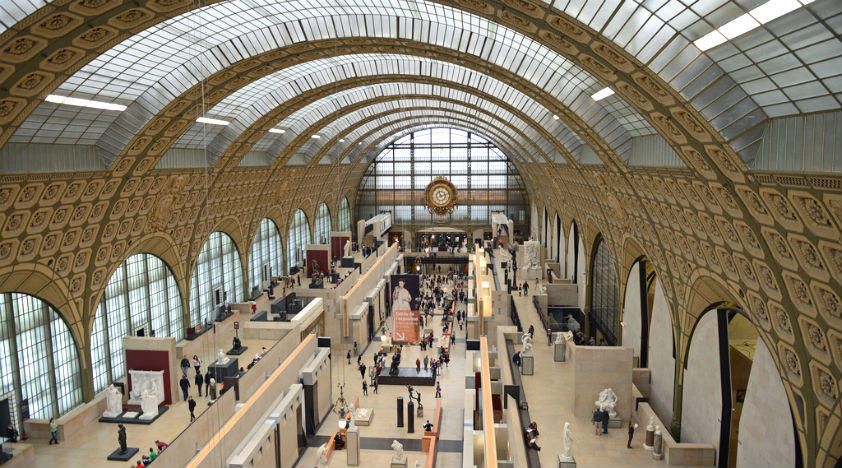
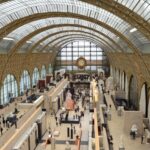
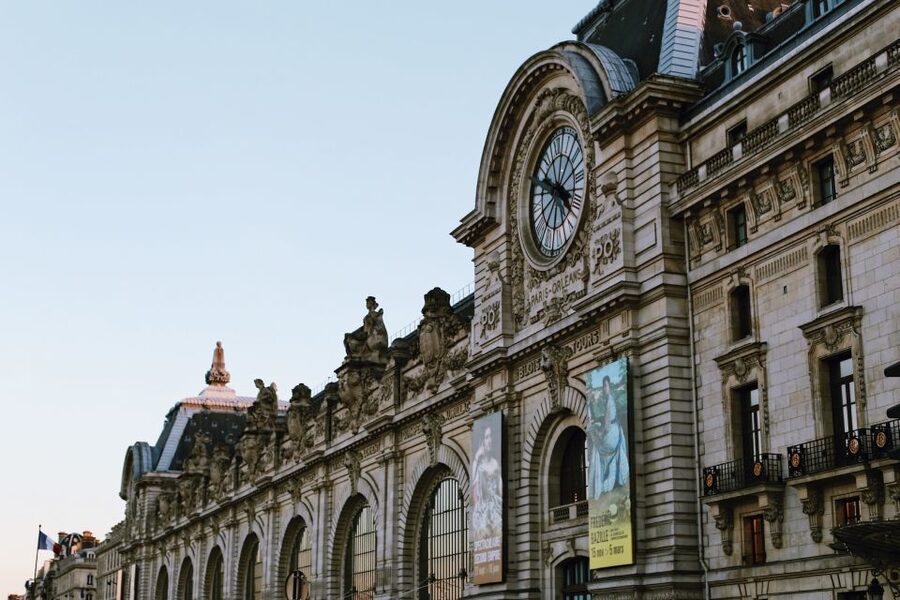
Even before you get to the paintings, you’re in a dramatic space. The Orsay is housed in a former rail station, and the Beaux-Arts architecture gives the whole visit a feeling of momentum—tall ceilings, grand structure, and those classic museum views where you can look across levels.
This matters more than it sounds. A guided tour in a building like this helps you orient quickly. Your guide can point out the layout and keep you from accidentally spending your best energy stuck moving through crowds or doubling back.
Also, don’t ignore the “feel” of the place. Several guides are praised for turning the museum into a story, and the rail-station atmosphere is an easy way to make the 19th-century context click. It’s one of the reasons the Orsay feels different from other Paris museums: it’s not just paintings behind glass—it’s a historic shell that frames the era.
What you’ll see: Monet, Van Gogh, and the artists that explain the shift
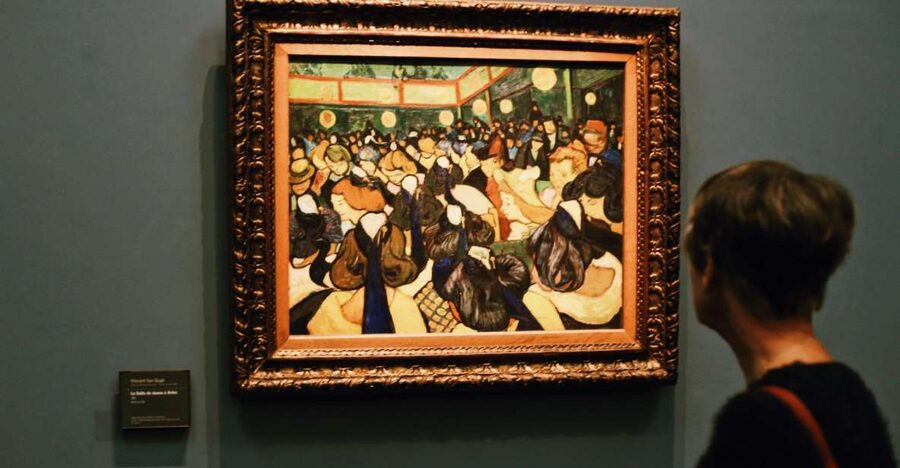
This tour is built around the kind of Orsay visit that makes you say, I get it now. You’re not only looking at famous works; you’re learning how to connect them to technique and cultural context.
Here’s the core of what you can expect to cover:
The famous anchors
You’ll be introduced to major names associated with the museum, including Monet and Van Gogh. These artists are the fast track to recognition, which is great if you’re not sure where to start.
The broader cast that makes the movement believable
The tour also points you toward the artists who help explain why style changed in the late 1800s—especially the French painters such as Manet, Renoir, Cézanne, and Gauguin. Instead of treating them like isolated celebrities, you get the background and the personal angles that shaped their approaches.
You can also read our reviews of more guided tours in Paris



Impressionists and post-Impressionists: the “how” behind the look
A major theme is the secrets behind the Impressionists’ and post-Impressionists’ techniques. Even when the paintings look spontaneous, there’s craft underneath—how light is built up, how color is handled, and how the brushwork supports the idea the artist is chasing.
This is where the guide can make your visit feel practical. You’ll start noticing details that you usually miss on a quick pass—how a stroke guides your eye, how a palette communicates mood, and how different artists take similar subjects in very different directions.
A note on what changes
The tour mentions that some collections may vary along the year, and certain rooms can have rules about quiet or limited speaking. Translation for you: keep your expectations flexible. Your route is designed around important works, but the exact set of paintings can shift with seasonal presentation and room rules.
How the 2.5-hour visit actually plays out inside the museum
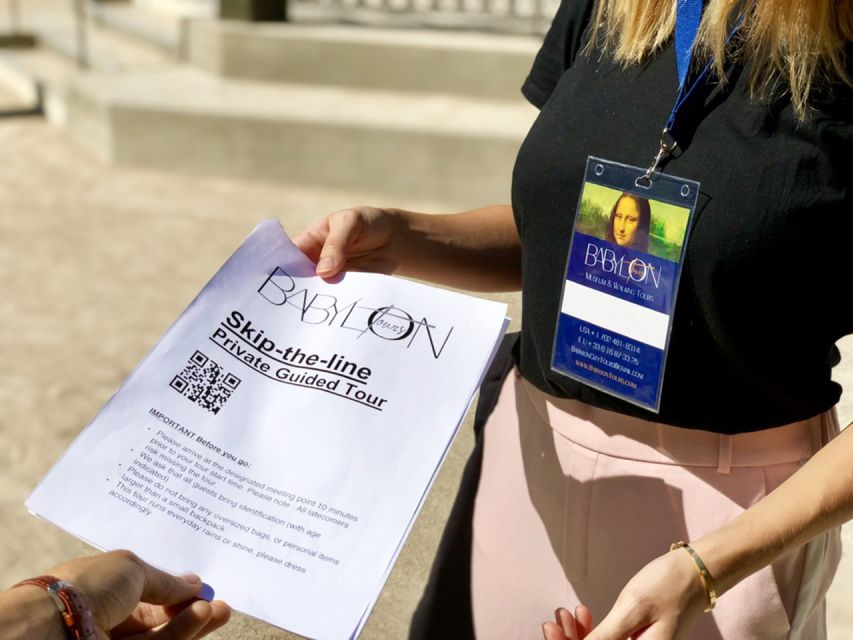
The tour runs about 2.5 hours. That’s long enough to feel like you learned something real, but short enough that you have to move with purpose.
A typical flow looks like this:
Stop at the meeting point (and your first orientation)
You’ll start at a meeting point that varies depending on the option booked. Some versions list the museum area itself and also a stop connected to 7 Quai Anatole France. Plan to arrive a few minutes early so you’re not scanning doors while your group is already walking.
This first step matters. Orsay is big, and a tour that starts cleanly helps you avoid wasting the first 20 minutes trying to find your guide.
Time inside: guided highlights plus planned pauses
Once inside, you get a photo stop and time for the guided portion, plus free time built in. The schedule indicates about 2.25 hours for the first main museum block, then a shorter break period with photo moments and a smaller window of free time later.
In plain terms, the guide does the heavy lifting at the start—route, context, and key works—then you get small breathing space to step back, take photos, and process what you just learned.
That rhythm is a gift if you’re the type who gets overwhelmed fast. You’ll still have room to pause in front of paintings, but you won’t drift into a random museum walk that feels exhausting by the end.
Why the pacing is a benefit (not a compromise)
Some tours try to cram too much and feel frantic. This one is designed for an intimate experience, with small groups and a focus on storytelling. The biggest pro is that you’ll likely see more of what matters and spend less time asking, Wait, what am I looking at?
Guide impact: small group size, serious storytelling, and Q&A-ready pacing
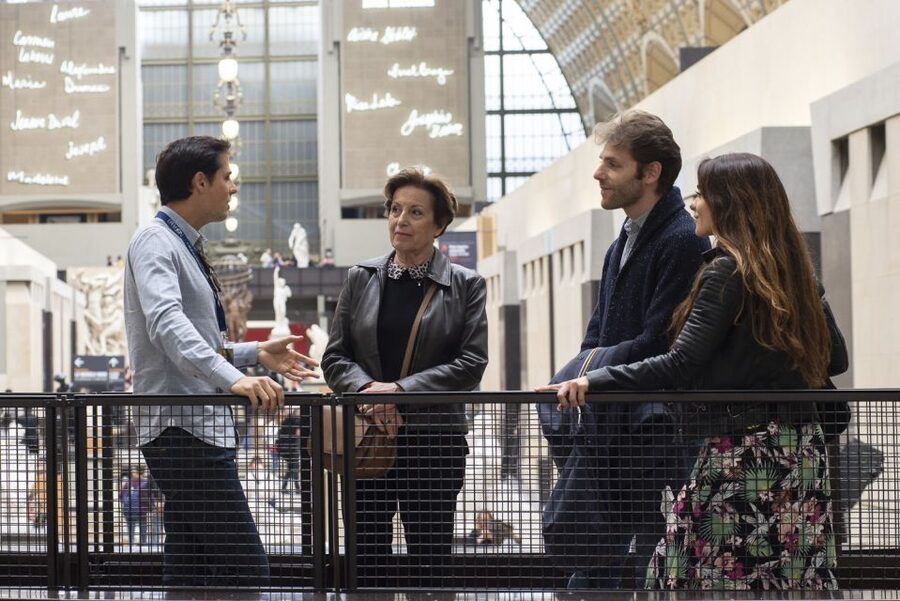
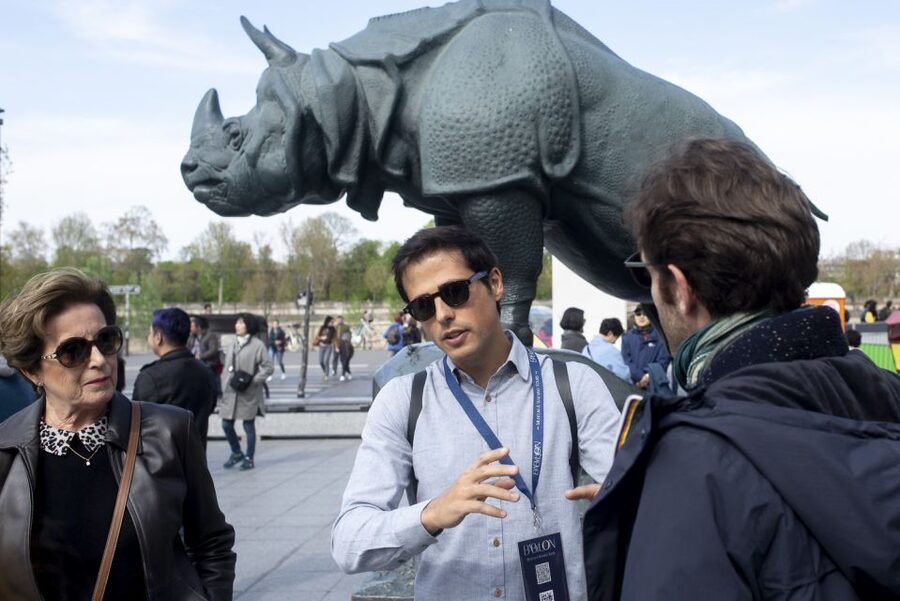
The tour’s format is built for interaction. It has a maximum of 6 guests per guide, which changes the whole experience.
With a larger group, you tend to hear facts but rarely ask follow-up questions. With this size, your guide can slow down when someone wants clarification and can steer the conversation back to what’s relevant to the next painting.
The guiding is also a standout theme in the reviews you shared. Guides like Lilya, Miriam, and Nadia are praised for connecting paintings to the bigger picture—social context, technique, and how the Paris art scene shifted over time. Others, like Tristan and Malika, get called out for pace and the ability to explain without losing people who aren’t art-history pros.
One practical bonus: some guides use digital tools like an iPad to share extra information about key paintings. Even if that tool isn’t part of every tour, the general approach matters—your guide isn’t just naming works; they’re helping you read them.
Price and value: is $128 worth it?
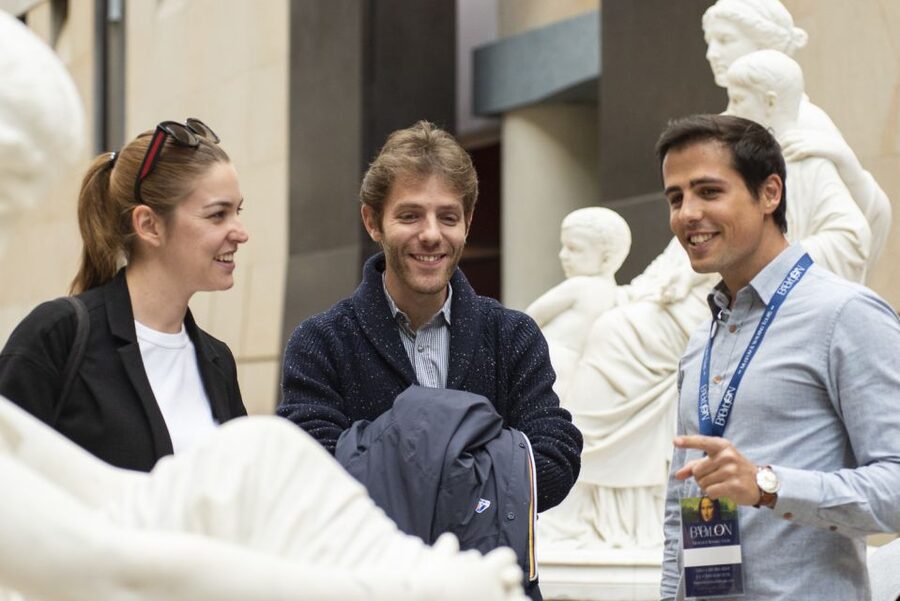
At $128 per person for about 2.5 hours, you’re paying for three things: expert guidance, ticketed museum entry for the permanent collection, and the time-saver effect of a structured route.
Here’s how I’d think about value if you’re deciding today:
- If you love art but don’t want to plan a museum route yourself, the price is usually justified because you’re buying direction and context.
- If you’re traveling with teens or friends who are art-curious but not art-obsessed, the guided narrative can turn their attention into engagement. One review specifically noted it worked well even without boring younger visitors.
- If you’re the type who enjoys long, self-paced wandering, you may feel that 2.5 hours is too short for the money. In that case, you might pair this with additional time on your own afterward (if your schedule allows).
It’s also worth noting what’s included: museum entrance fees (permanent collection) plus the guide. That means you’re not paying extra for the ticket portion later.
Practical logistics that actually affect your comfort
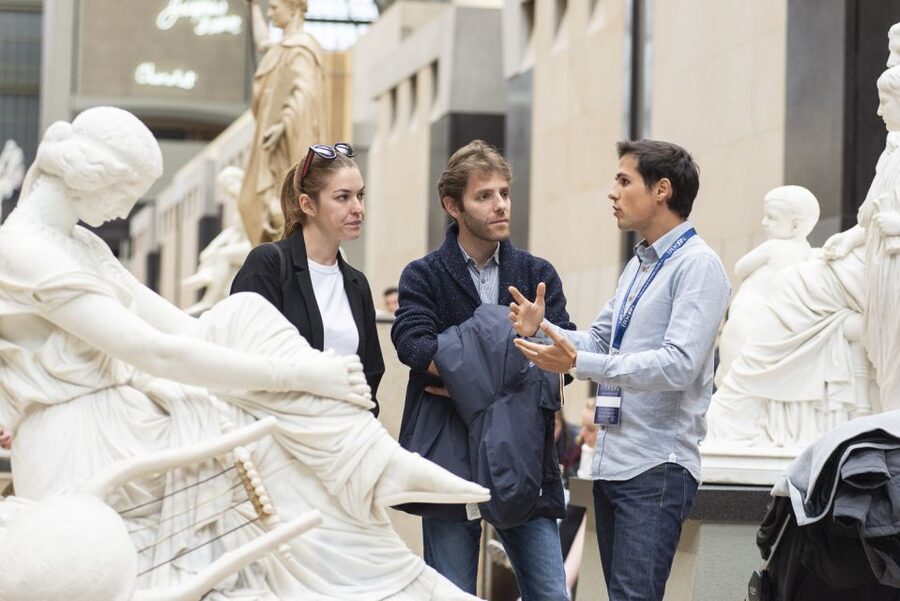
This tour has a few rules that matter on the ground:
- No large bags or luggage, and luggage/coat storage isn’t included. If you’re carrying a lot of stuff, you’ll want to store it before you arrive.
- Some rooms can require quiet or restrict speaking. This is normal museum behavior, but your guide will need you to follow it.
- The tour offers multiple languages. If you want English, you should be set. Other languages listed include French, Italian, Russian, German, and Spanish.
For the meeting point: it may vary. The itinerary suggests multiple starting options tied to the Orsay area, including a version at 7 Quai Anatole France. I’d treat the confirmation details as your source of truth and plan to be there early.
Who this tour suits best (and who should adjust expectations)
This is a great fit if:
- You’re visiting Paris for the first time and want a clean entry point into a major museum.
- You want to understand Impressionism and post-Impressionism beyond just the famous names.
- You prefer guided pacing with a small group so you can ask questions.
You might want to rethink it if:
- You want a slow “sit with one painting” experience. The format is more structured than that.
- You’re traveling with a lot of luggage and don’t want to deal with museum storage limitations.
It also works well for couples and small groups because the story stays focused and the guide can tailor attention when questions come up.
Should you book this Musée d’Orsay guided tour with ticket?
I think this tour is a strong buy if you want the Orsay experience to click. The biggest reason: it’s not only about seeing famous works like Monet and Van Gogh—it’s about learning how the period worked, what artists were reacting to, and why certain techniques produced that instantly recognizable look.
If your goal is to walk out with a mental map and a better eye, this tour delivers that in 2.5 hours without making you feel like you rushed through life. The small group size and the repeated praise for guides like Mathieu, Lilya, and Miriam also point to a consistently storytelling-first approach.
My advice: book it if you care about context and want to feel confident in front of the paintings. If you want total freedom and long lingering, add extra unscheduled museum time later. Either way, start with the guided route—it’s the fastest way to make the Orsay feel personal, not just famous.
FAQ
How long is the Musée d’Orsay guided tour?
The duration is about 2.5 hours.
Is the museum ticket included in the price?
Yes. Museum entrance fees for the permanent collection are included, along with the guide.
What group size is used?
The tour has a maximum of 6 guests per guide for a more intimate experience.
What languages are available?
Live guides are available in French, English, Italian, Russian, German, and Spanish.
Can I bring luggage or a large bag?
No. Luggage or large bags are not allowed, and luggage/coat storage is not included.
Where does the tour meet, and where does it end?
The meeting point may vary depending on the option booked, and the activity ends back at the meeting point.
Is free cancellation offered?
Yes, free cancellation is available up to 24 hours in advance for a full refund.