REVIEW · PARIS
Paris: Entrance Ticket to the Chocolate Museum
Book on GetYourGuide →Operated by The gourmet Chocolate Museum · Bookable on GetYourGuide
Chocolate has its own history lesson. At Le Musée Gourmand du Chocolat in Paris, you’ll walk through 4,000 years of cocoa culture with tastings and virtual chocolate-making moments as you go. The whole experience is built for people who like to snack while learning, not sit through lecture-style exhibits.
Two things I especially like: the museum packs in 1,000+ chocolate artifacts and the story is unusually chronological, from ancient rituals to modern candy craft. I also love the kid-friendly treasure hunt, because it keeps younger visitors moving without making the adult side feel dumbed down.
One thing to consider: it’s a self-guided visit, so the pacing is up to you, and you’ll want to plan around the last admission at 4:30 PM (plus there’s no room for large bags inside).
In This Review
- Key highlights
- Chocolate Museum Paris: What You Really Do in the 1-Day Visit
- Entering Le Musée Gourmand du Chocolat at 28 Boulevard de Bonne Nouvelle
- The 4,000-Year Cocoa Story: From Olmecs to Aztecs to European Curiosity
- Tastings You Can Actually Enjoy During the Walk
- Virtual Demonstrations With 2 Meilleurs Ouvriers de France
- Chocolate Sweets, Praliné, Ganache, and How Craft Becomes Candy
- Artifacts, Displays, and the “Why” Behind Chocolate’s Value
- Audio Guide, Exhibit Languages, and How to Choose Your Reading Style
- Kid Treasure Hunt and Family-Friendly Pace That Works
- Price and Value: Is $21 for Chocolate Museum Paris a Good Deal?
- Where This Fits in Your Paris Day (and Who Will Love It Most)
- Should You Book the Chocolate Museum Paris?
- FAQ
- What’s included with the Chocolate Museum Paris ticket?
- Is the museum self-guided, or do I get a guide?
- What languages are available for the audioguide and the museum panels?
- What time is the last admission?
- Can I bring luggage or large bags?
- How long should I plan for the visit?
- Is the museum wheelchair accessible?
Key highlights
- 4,000 years of cacao and chocolate history, starting with Olmecs, Mayas, and Aztecs
- Virtual demonstrations tied to 2 Meilleurs Ouvriers de France, with real technique talk
- Tastings along the way, including chocolates described by origin (Costa Rica, Peru, Vanuatu, and more)
- More than 1,000 artifacts and chocolate-related objects spread over 850 square meters
- A treasure hunt and kid activity booklet style fun to keep children engaged
- Choose an audioguide at the welcome desk for 3 euros per person (multiple languages)
Chocolate Museum Paris: What You Really Do in the 1-Day Visit

If you like your Paris sightseeing with snacks, this is a good match. The Chocolate Museum Paris, officially Le Musée Gourmand du Chocolat, is set up so you can wander at your own speed through exhibits, watch short demonstrations, and taste chocolate during the visit. You’re looking at more than 1,000 chocolate-related artifacts, plus story panels in multiple languages, so you’re not just eating your way through without context.
I like that it covers the whole arc, instead of only focusing on modern bars. You start with the early Mesoamerican world (Olmecs, Mayas, Aztecs) and then move forward into the European spread in the 1500s. You’ll even run into the classic Columbus thread: he was one of the first Europeans to taste the tchocoatl drink and, as the museum explains, he didn’t care for it, so chocolate didn’t immediately win him over.
One practical note: the museum is self-guided. That’s a plus for flexibility, but it also means you should give yourself enough time to actually stop and taste. Many people end up staying a few hours to read panels and cycle through the tasting points, rather than zipping through in 30 minutes.
A few more Paris tours and experiences worth a look


Entering Le Musée Gourmand du Chocolat at 28 Boulevard de Bonne Nouvelle
You meet at the Chocolate Museum, 28 Boulevard de Bonne Nouvelle, 75010 Paris. That address matters because you don’t want to mix it up with other chocolate stops nearby. The experience is designed as a one-day ticket, but it’s not an all-day open-ended hangout, since the last admission is 4:30 PM.
Plan your arrival so you can slow down. The museum’s space is substantial for a niche attraction—about 2,789 square feet (850 square meters)—so even with a self-guided flow, it takes time to see what’s there. If you tend to read everything, you’ll want extra breathing room. If you skim and focus on tastings, you can still have a great visit, but you’ll move faster.
Also note the rule that luggage or large bags are not allowed. That’s one of those small travel details that can ruin your day if you show up with the wrong setup. If you’re coming from the station with a big suitcase, use a left-luggage option first, then travel light to the museum.
The 4,000-Year Cocoa Story: From Olmecs to Aztecs to European Curiosity
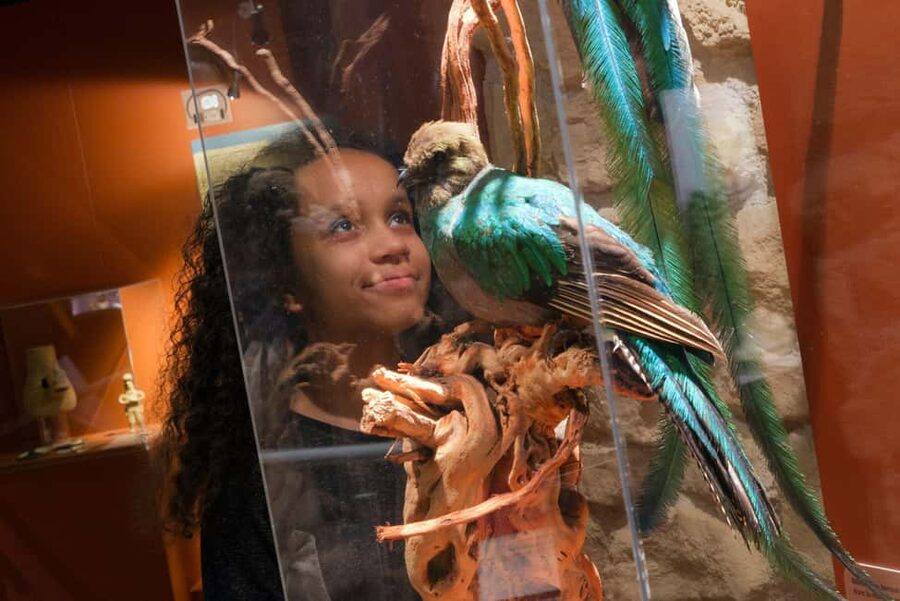
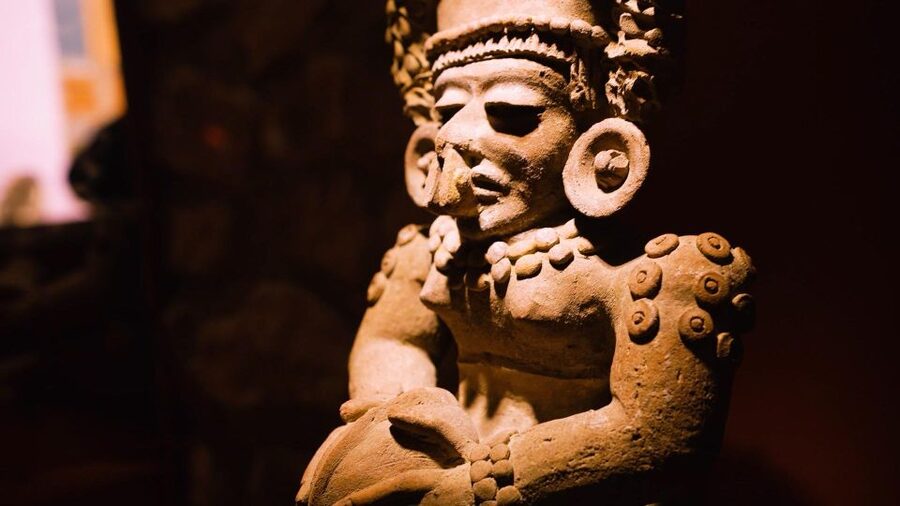
The museum’s biggest selling point is the way it frames chocolate as more than candy. It treats cocoa as a crop with a long cultural role—ritual, symbolism, trade, and craft. You’ll see the timeline start with Olmecs, Mayas, and Aztecs, and the story includes how cocoa was used in mystical rituals. That angle helps you understand why chocolate wasn’t just a flavor at first, but part of belief systems and social life.
Then the museum jumps to the 1500s, when the Aztec emperor Montezuma introduced cocoa to Europe. The Columbus bit is worked in as a turning point: Columbus tasted tchocoatl, didn’t like it, and paid little attention afterward. The museum’s point here isn’t that one guy decided everything, but that taste and culture shaped early European reactions.
For me, what makes this part of the visit valuable is the context. When you later taste chocolates from different places, you can connect the dots between origin, processing, and the cultural story that made cocoa valuable in the first place.
Tastings You Can Actually Enjoy During the Walk
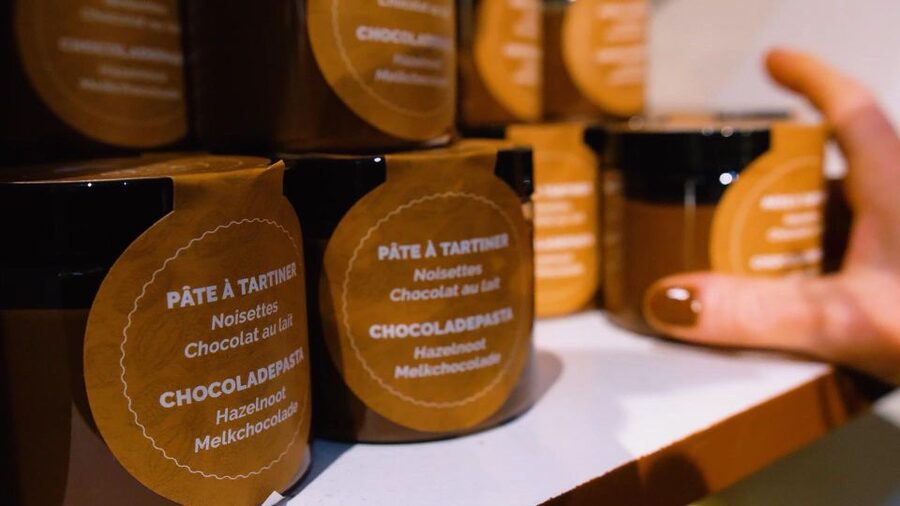
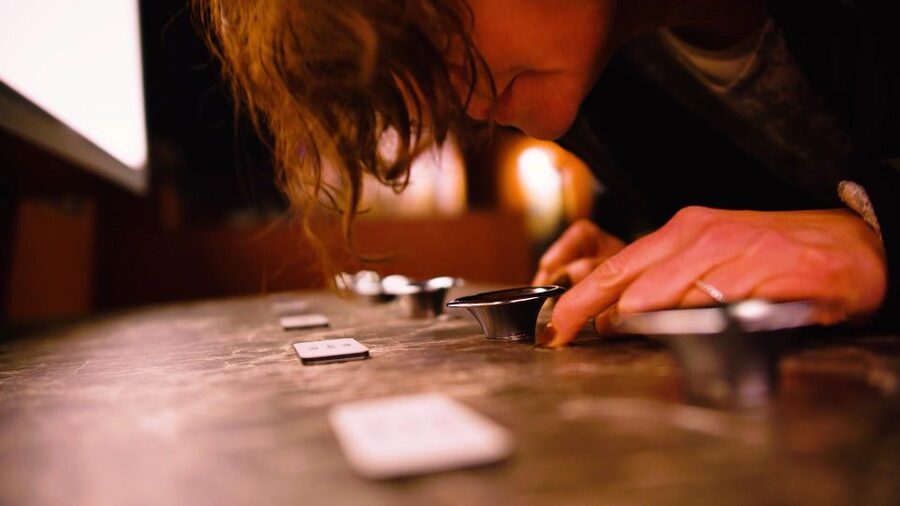
This museum is built around tasting, and it’s the reason a lot of people enjoy it even if they’re not the museum type. Along your route, you’ll get chocolate samples, and the experience also includes a tasting moment with chocolates described by region.
The description highlights examples like:
- Costa Rican chocolate (milky smoothness)
- Peruvian chocolate (melt-in-your-mouth fruitiness)
- Cocoa beans from Vanuatu (sweet aromas)
You don’t need to be a chocolate expert to use this. The trick is to taste slowly enough to notice differences, like texture first, then flavor. If you’re the kind of person who usually only buys one “safe” bar, this is where you’ll learn what changes when you shift origin and style.
One extra practical thing: there’s hot chocolate offered at the end in some form. Some people report it as included; others note an additional €3 per cup. To avoid surprises, check at the counter when you arrive or before you commit.
Virtual Demonstrations With 2 Meilleurs Ouvriers de France
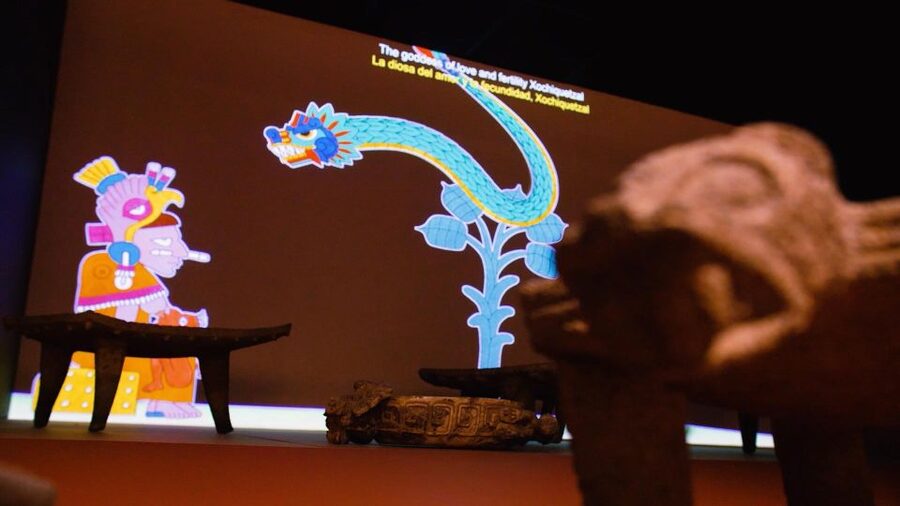
You’ll watch a virtual demonstration connected to 2 Meilleurs Ouvriers de France. Instead of only telling you chocolate is made a certain way, the museum shows you technique and process—especially what affects texture and appearance.
This is where the museum explains the “secret” behind chocolate’s shiny outer coat and how modern chocolate-making became more streamlined over time. That matters because it connects the historical story to why modern chocolate looks and behaves the way it does—snap, shine, and that particular melt.
If you’re a visual learner, don’t rush past the demo area. Even though it’s virtual, the museum frames it as a technique lesson, not just a video loop. You’ll get more out of it if you watch once without multitasking, then come back later if you want to re-connect process with the tastings.
You can also read our reviews of more museum experiences in Paris





Chocolate Sweets, Praliné, Ganache, and How Craft Becomes Candy
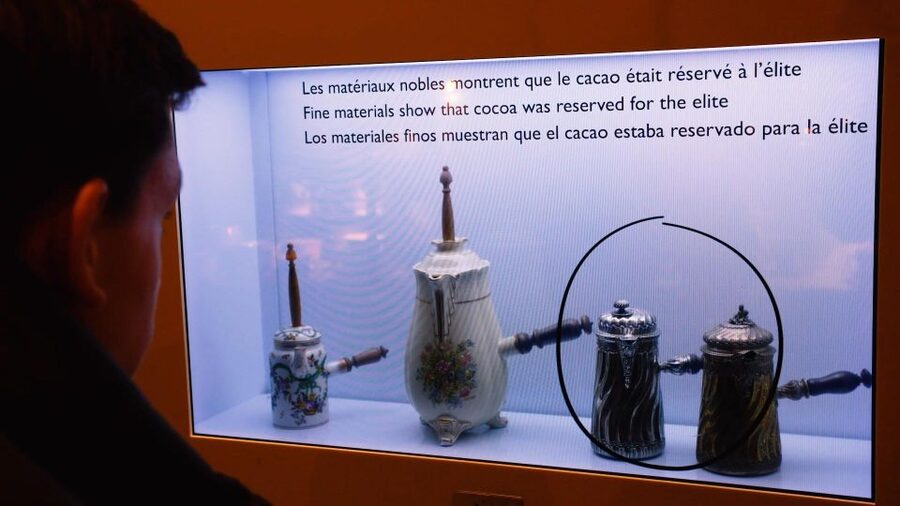
One part of the visit focuses on making and tasting chocolate sweets—specifically learning about praliné and ganache chocolate. This helps you understand that “chocolate” is more than one ingredient. It’s a base, but the flavor identity often comes from what’s mixed in, how it’s grounded, and how it’s finished.
I like this segment because it turns your tasting into a mini lesson. If you’ve ever wondered why one chocolate tastes nutty and creamy and another feels deeper and more cocoa-forward, praliné and ganache give you a framework to interpret what you’re experiencing.
The museum also traces how chocolate trade and production evolved into the more standardized modern era. That’s useful for anyone who cares about food history or just wants the why behind the candy shelf.
Artifacts, Displays, and the “Why” Behind Chocolate’s Value
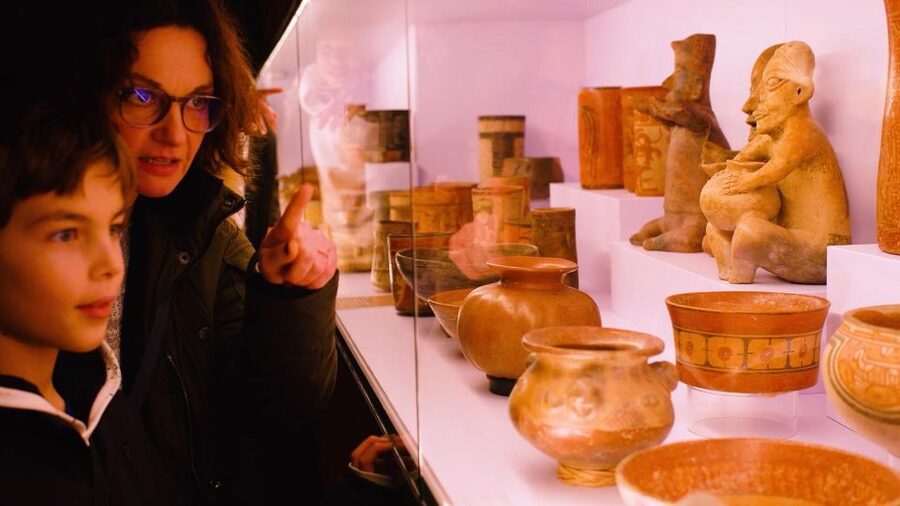
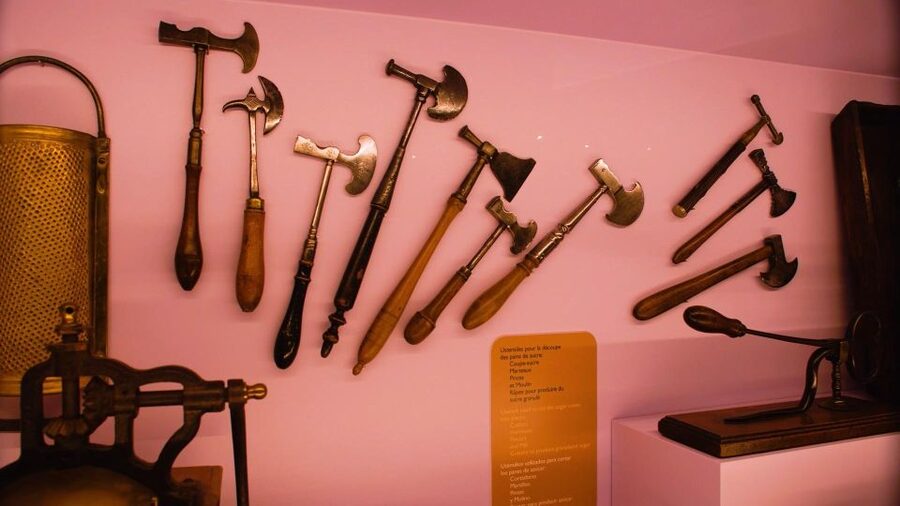
The museum’s collection centers on chocolate artifacts—more than 1,000 items tied to chocolate’s history. That could sound like “stuff in cases,” but the way it’s organized helps you read chocolate as a cultural product. You’re not only seeing tools or objects. You’re seeing what those objects meant in their time.
The museum panels also cover the role of chocolate in ancient cultures, including the mystical ritual angle, then shift into trade and modern manufacturing. That combination is a good balance: history without getting stuck in pure legend, and science-ish craft without losing the human story.
If you love food facts, this museum hits a sweet spot. If you don’t read every panel, you can still follow the thread because the exhibit flow moves forward in time.
Audio Guide, Exhibit Languages, and How to Choose Your Reading Style
You can enjoy the museum without an audio guide because the panels are in English, French, and Spanish. Still, there’s an audioguide available at the welcome desk for 3 euros per person, and it covers multiple languages including English.
I’d choose the audio guide if you want more connective tissue between exhibit areas. Panels give you facts, but audio can help you understand how the story pieces fit together—especially around process and historical transitions.
If you’re traveling as a family, the audio guide is optional, but the museum’s kid materials and scavenger-style activity can do a lot of the “keep moving” work for you.
Kid Treasure Hunt and Family-Friendly Pace That Works
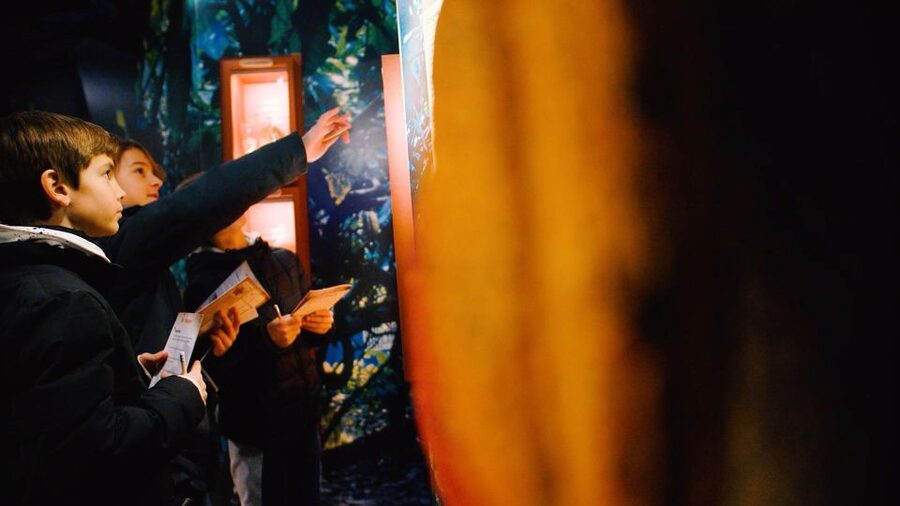
Families often worry that “food museums” are either too childish or too boring. Here, the museum includes children’s activities, including a treasure hunt, plus a kid-focused booklet format that many parents use like a game while adults read the main panels.
This is a smart approach. It doesn’t just park kids in one corner. It encourages them to look around, which helps you explore at the same time. Some families also enjoy the built-in structure because it naturally breaks the museum into manageable chunks.
For families, my practical advice is simple: don’t try to read everything in one pass. Use the treasure hunt to get your bearings, then return to the tastings or the demonstration zones when the kids are in hunting mode.
Price and Value: Is $21 for Chocolate Museum Paris a Good Deal?
The listed price is $21 per person, and that’s a fair value if you’re going to use the main features: the exhibit history, the tasting moments, and the demonstration content. Since this is a self-guided museum with food included in the flow (chocolate samples, plus a final hot chocolate offer that may have an extra charge), you’re not just paying for entry into a room of displays.
The main value question is whether you’ll slow down and taste while you read. If you zip through in snack mode only, you may feel under-sold. If you take it as a food history stop with tastings and process talk, the price starts to feel right.
Also factor in the audioguide option at 3 euros per person and the possibility of extra cost for hot chocolate cups. Even with those add-ons, you’re still typically in a reasonable range for a standalone Paris attraction.
Where This Fits in Your Paris Day (and Who Will Love It Most)
This museum works well as a break from heavier sightseeing days. It’s indoors, and it gives you a clear theme, so you’re not juggling multiple neighborhoods and schedules. It also pairs nicely with other central attractions because you’re going to want a few hours anyway to read, watch the demo, and taste.
Who I think will enjoy it most:
- Food lovers who like to understand how things are made
- Families with kids who need a game-like activity (treasure hunt)
- Couples or friends looking for a lighter, more sensory museum
- Anyone curious about chocolate history beyond brand marketing
If you’re the kind of visitor who hates tasting opportunities or dislikes food-focused spaces, you might find it less compelling. But if you even mildly like chocolate, the tasting structure makes it hard to feel bored.
Should You Book the Chocolate Museum Paris?
Yes, I’d book it if you want a chocolate-centered Paris stop that mixes history with taste and keeps you moving. The standout strengths are the 4,000-year timeline, the sheer number of chocolate-related artifacts, and the combination of tastings plus a technique-focused demonstration connected to Meilleurs Ouvriers de France.
The main reason to hesitate is the self-guided setup. If you’re hoping for a guided tour with live instructor explanations at every moment, this isn’t that format. You’ll get the most value if you’re happy to wander, read panels in English/French/Spanish, and spend time at the demonstration and tasting points.
If you do book, arrive with a light pack (no large bags), plan around the 4:30 PM last admission, and give yourself time to taste slowly. That’s where the museum turns from a quirky idea into a genuinely fun afternoon.
FAQ
What’s included with the Chocolate Museum Paris ticket?
Your ticket includes the entrance fee, chocolate samples, a virtual demonstration with 2 Meilleurs Ouvriers de France, and the kids treasure hunt.
Is the museum self-guided, or do I get a guide?
It’s self-guided. An audioguide is available at the welcome desk for 3 euros per person.
What languages are available for the audioguide and the museum panels?
The audioguide is available for multiple languages, and the museum panels are in English, French, and Spanish.
What time is the last admission?
The last admission is at 4:30 PM.
Can I bring luggage or large bags?
No. Luggage or large bags are not allowed in the museum.
How long should I plan for the visit?
It’s a 1-day ticket. Many people spend a few hours to see the exhibits and do the tasting stops.
Is the museum wheelchair accessible?
Yes, the museum is wheelchair accessible.