REVIEW · MEXICO CITY
Mexico City: Ticket de entrada Museo Memoria y Tolerancia
Book on GetYourGuide →Operated by Museo Memoria y Tolerancia · Bookable on GetYourGuide
Memory has a museum voice in Mexico City.
With this 1-day entry ticket, you step into the Memory and Tolerance Museum, an international benchmark designed to keep the world from shrugging at mass harm. I especially like how clearly the museum connects historical memory to today’s issues like indifference, discrimination, and violence, using Holocaust-focused material alongside other genocide narratives.
Another strong point is the way the museum blends history with contemporary art you can actually interact with or physically move around. The included audioguide in Spanish and English helps you follow what you’re seeing in a way that feels human, not like a textbook. One consideration: the subject matter is emotionally heavy, and the permanent exhibitions are recommended for kids older than 15.
In This Review
- Key highlights worth your time
- Plaza Juárez location: finding Museo Memoria y Tolerancia in minutes
- Ticket value: what you actually get for about $13
- Walking into the museum’s mission: history that argues with indifference
- Holocaust focus and beyond: how the permanent exhibits are built
- Art installations you can’t ignore: Jan Hendrix, metronomes, and interactive works
- Artifacts that hit hardest: WWII train wagon and the Berlin Wall piece
- Temporary exhibitions: using them as a second pass
- Practical pacing: how to get the most out of a one-day ticket
- Who should book this ticket (and who might want a different plan)
- Should you book Museo Memoria y Tolerancia entrance tickets?
- FAQ
- Where is Museo Memoria y Tolerancia located?
- How much does the ticket cost?
- How long can I visit with this ticket?
- What’s included with the entrance ticket?
- Is the audioguide available in English?
- Are food and drinks allowed inside?
- Is the museum wheelchair accessible?
Key highlights worth your time
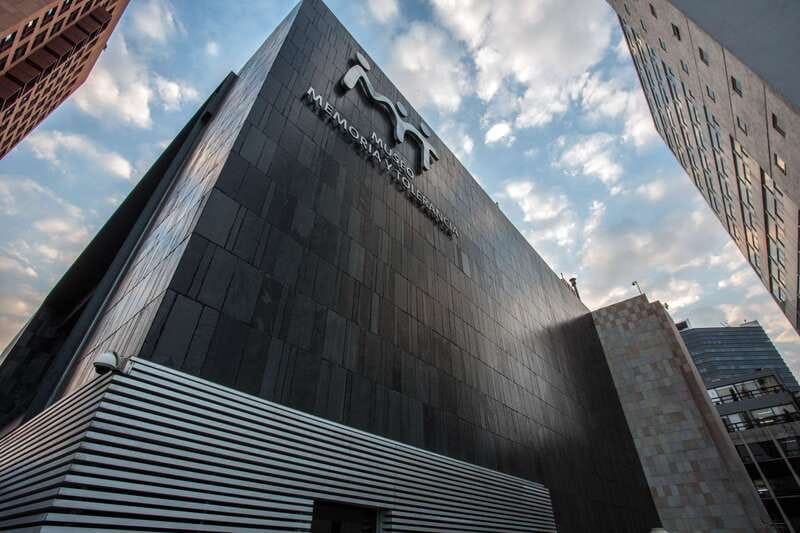
- 43 permanent rooms covering Holocaust and other crimes against humanity, with 1,200+ objects and documents
- Audioguide in Spanish and English included with your ticket
- Powerful installations you experience with your body, not just your eyes
- WWII prisoner transfer train wagon and a Berlin Wall fragment among standout artifacts
- Temporary exhibitions included so you can add variety without extra planning
- Tolerance + human rights message built into the museum layout and artwork
Plaza Juárez location: finding Museo Memoria y Tolerancia in minutes
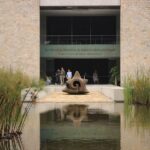
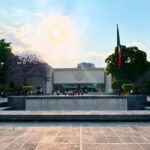
Start by getting oriented in downtown Mexico City. The museum meeting point is at Plaza Juarez, next to the Secretaría de Relaciones Exteriores, and right in front of the Hemicycle to Juárez. In other words, you’re not hunting through side streets for hours before you even begin.
This matters because the museum is designed for focus. Once you step in, you’ll want your mental energy ready for heavy topics and careful viewing. If you arrive already frazzled, you’ll rush. If you arrive calm, you can slow down where the exhibits ask you to.
If you’re coming from nearby historic sites, you’ll appreciate that the museum sits in a central pocket of the city. You can build the visit around a day of walking rather than treating it as a separate mission.
Quick heads-up: no food and drinks are allowed. That means plan to eat beforehand or afterward, and keep water expectations realistic. It also means you won’t be tempted to snack your way through the more reflective rooms.
A few more Mexico City tours and experiences worth a look

Ticket value: what you actually get for about $13
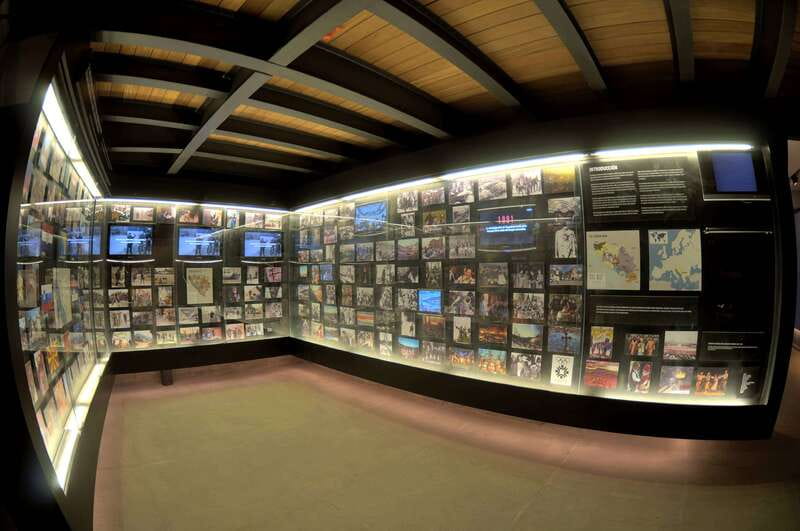
At about $13 per person for a 1-day ticket, you’re buying access to the museum’s core permanent exhibitions plus temporary exhibitions. That sounds simple until you factor in the scale: 43 rooms and more than 1,200 objects and documents.
For value, the big win is that it’s not just “read a few panels.” The museum mixes documents, audiovisual pieces, and physical artifacts with installations and interactive works. When a museum gives you multiple ways to understand a theme—historical evidence on one hand, art that pushes emotion and thought on the other—it’s easier to feel that your time was used well.
You’ll also get an audioguide in Spanish and English included. That’s a practical bonus for two reasons. First, it helps you process dense content without constantly stopping to decode captions. Second, it lets you revisit points later in your own head rather than losing them while you stand under a single glare from overhead lighting.
For many visitors, this kind of museum is a “slow” experience. You don’t just consume it. You measure yourself against it—then leave thinking about what tolerance costs, and what it protects.
Walking into the museum’s mission: history that argues with indifference
The museum’s mission is straightforward, even if the topics aren’t: it aims to create awareness through historical memory, especially around the Holocaust and other crimes against humanity. It also directly names the danger of indifference, discrimination, and violence—not as abstract ideas, but as the kind of pressures that can let atrocities happen.
You’ll see that message echoed across the layout. Instead of keeping the exhibit purpose in the background, the museum pushes it forward through both content and design. You’re not just learning. You’re being asked to reflect and then connect the dots to social action, human rights, and a culture of peace.
One of the most useful parts of this setup for you as a visitor: it gives structure to your feelings. When you encounter the heavy material, the museum doesn’t just stop there. It moves toward tolerance and respect. That’s not a “happy ending,” but it is a direction.
And it’s one reason this museum is considered a benchmark internationally: it treats memory like a tool for prevention, not a museum-only activity.
Holocaust focus and beyond: how the permanent exhibits are built
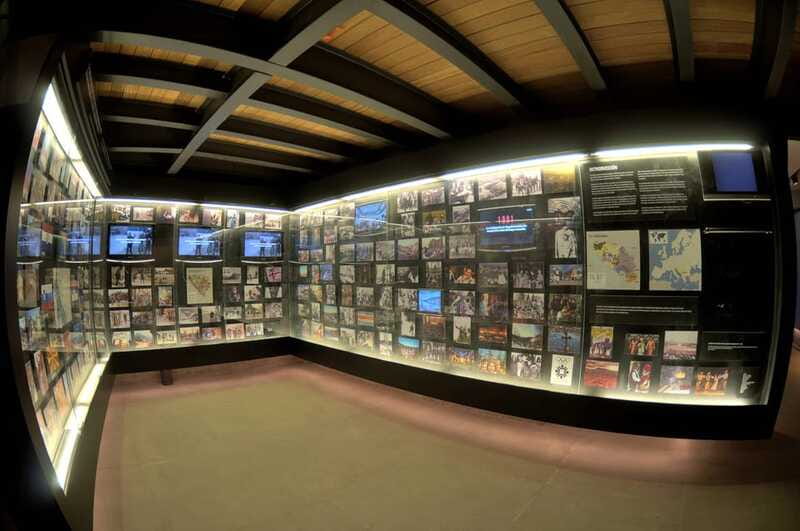
The permanent exhibition is dedicated to the Holocaust and genocide. But it doesn’t confine itself to one history. The museum addresses other crimes against humanity, including the Armenian genocides, Rwanda, Guatemala, Cambodia, Darfur, and Yugoslavia.
What I find valuable as a visitor is how this approach prevents “one-incident memory” thinking. You’re reminded that genocide is not only a single event in the past—it’s a pattern that can repeat when societies stop protecting human dignity.
As you move room to room, look for the museum’s consistent method: it combines facts and artifacts with context that explains why these events happened, and what social warning signs often look like before violence escalates. The result is less about memorizing dates and more about understanding mechanisms: how discrimination can become normalized, and how cruelty can be justified.
One especially emotional part of the museum experience is the inclusion of an Anne Frank exhibit within the Holocaust-focused areas. The museum handles it in a way that tends to hit people hard, because it’s personal in a setting that is already dealing with mass scale.
Because the permanent exhibitions are recommended for children over 15, I’d treat this as a serious educational experience, not a casual family stop. For younger kids, the museum still can be valuable—but it needs adult guidance and pacing so it stays age-appropriate.
Art installations you can’t ignore: Jan Hendrix, metronomes, and interactive works
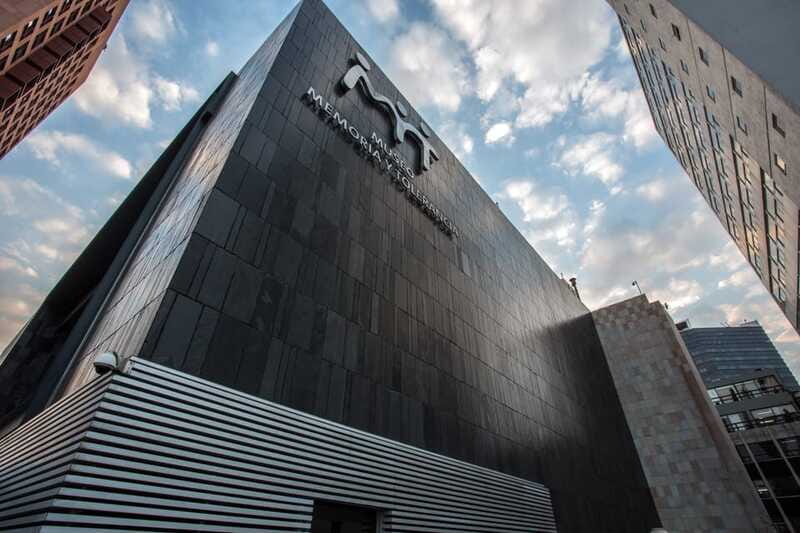
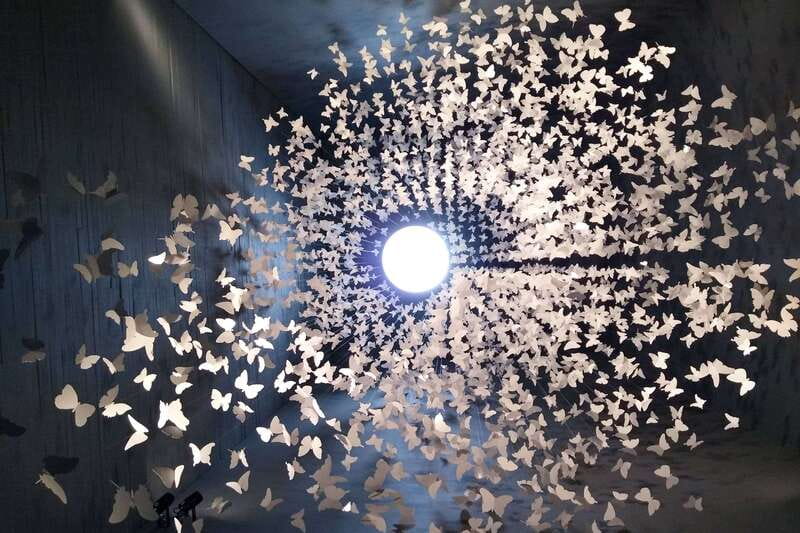
The museum’s installations are more than decoration. They’re a second layer of meaning, translating big themes into objects you can see from multiple angles, sometimes even interact with.
A few installations and works you’ll likely remember:
- Lost Potential (Jan Hendrix): a name that feels like a warning sign—what happens when lives and futures are cut short.
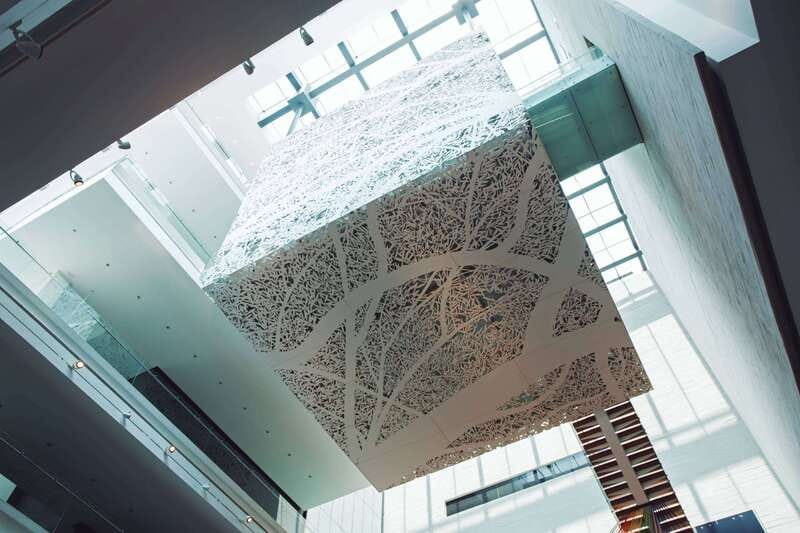
- Cube (Jan Hendrix): simple in form, but heavy in message once you understand what the museum is pointing at.
- Metronomes by Lozano-Hemmer: these works help you feel time as something that can control or threaten people.
- The Wings of Peace (Jorge Marin): a sculptural and interactive work that turns the idea of peace into something you engage with, not just something you read about.
- YOU (Rivelino): also sculptural and interactive. It pushes you to notice your role in the broader human story.
- Non-Violence Project (Carl Fredrik Reuterswärd): sculpture as moral insistence—an artwork that argues for restraint and respect.
- Fragment of the Berlin Wall: a physical piece of history that brings the idea of separation and ideology into your hands’ distance, visually speaking.
These pieces matter because they change your viewing pace. In a documentary-style exhibit, you might read quickly to get the facts. With interactive or sculptural works, your body slows down. You stand longer. You notice details you might miss when your brain is only focused on text.
And that emotional shift is part of the museum’s design.
You can also read our reviews of more city tours in Mexico City




Artifacts that hit hardest: WWII train wagon and the Berlin Wall piece
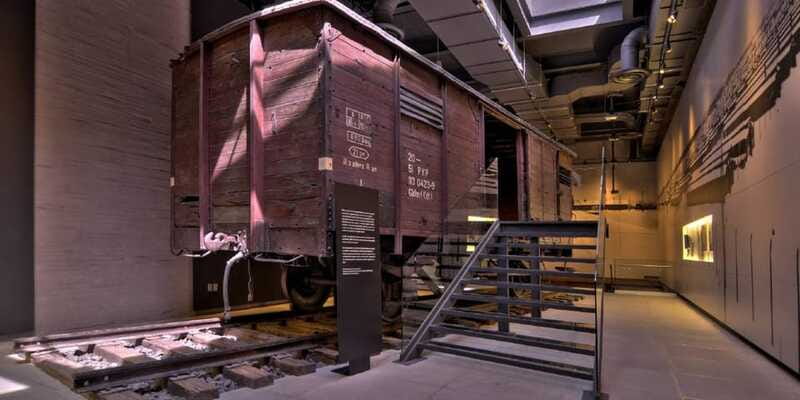
Not every museum includes objects that feel like they still carry atmosphere. Here, you’ll see major artifacts tied to real historical harm.
Two that stand out from the permanent collection described for this visit are:
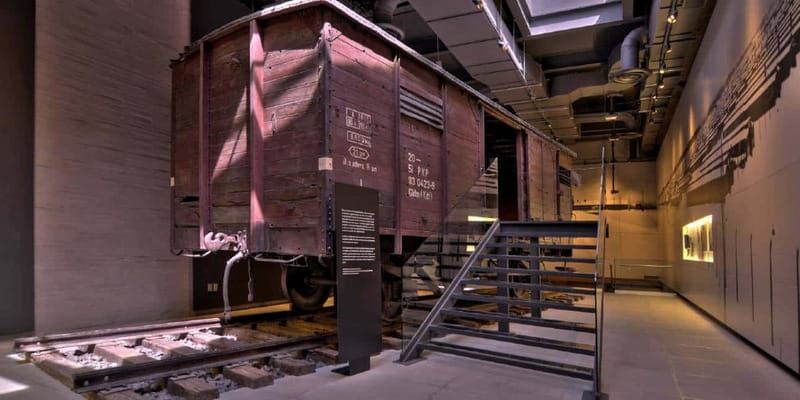
- A train wagon used in World War II for the transfer of prisoners
- A Fragment of the Berlin Wall
Even if you’ve read about these events before, seeing a train wagon or a wall fragment in a museum context can feel different. It’s harder to intellectualize when the material is concrete, physical, and specific.
For you, this is where planning and pacing matter most. Don’t try to sprint through these rooms. Give yourself time to look first, then to absorb the meaning second. If you’re moving fast, you’ll pass the emotional impact and only keep the facts. The museum is trying to deliver both.
Temporary exhibitions: using them as a second pass
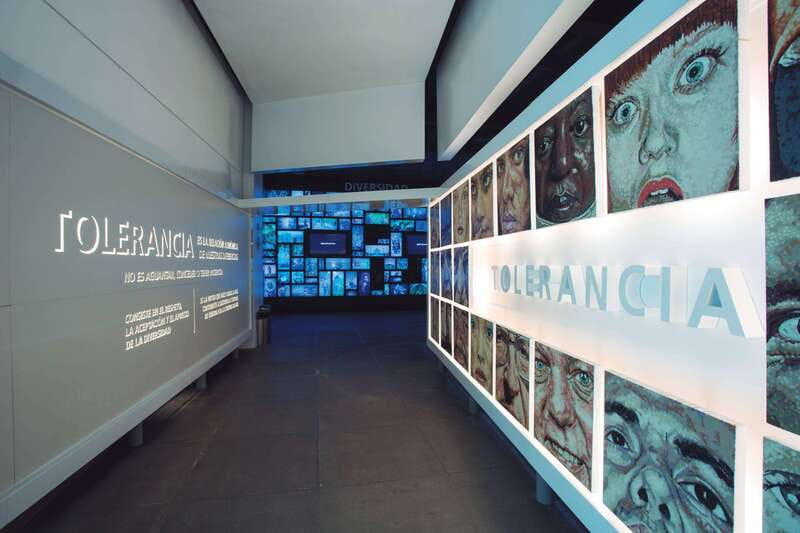
Your ticket doesn’t stop at the permanent collection. It also includes a visit to temporary exhibitions.
This is a smart choice because it gives you a way to extend your learning without starting over. Think of the permanent exhibits as the museum’s foundation—43 rooms that set context and evidence. The temporary exhibits can then provide updated perspectives or different angles on human rights, memory, and tolerance.
If you want a simple strategy, I’d treat the temporary area like your flexibility zone. If you feel emotionally worn out after certain permanent rooms, shift to temporary exhibits where the pace may feel different. If you finish the permanent rooms with energy, use the temporary exhibits to keep the momentum of reflection going.
Either way, the key advantage is that you don’t need extra ticket decisions. The museum has already built variety into your visit.
Practical pacing: how to get the most out of a one-day ticket
This museum is built for attention. Here’s how I’d make your one-day visit work without turning it into a stressful checklist.
First, use the audioguide (Spanish and English) as your backbone. When content gets dense, having narration can keep you from getting stuck reading tiny text while you miss context. It also helps if you’re traveling with someone who reads more slowly—you can still follow the same sections.
Second, remember the museum includes a lot: 43 rooms, 1,200+ items/documents, audiovisual pieces, and installations. That’s not “quick.” Plan to take breaks, even if they’re just a few minutes in a quieter area. You’ll understand more if your brain gets to reset.
Third, respect the rules that affect comfort. No food and drinks means you’ll want to arrive with your energy handled. Bring patience, not snacks.
Finally, keep age in mind. The permanent exhibitions are recommended for children older than 15, and kids under 15 need an adult accompanying them. If you’re bringing teens, you’ll likely find this is the kind of museum that supports real learning, not just a school field trip.
Who should book this ticket (and who might want a different plan)
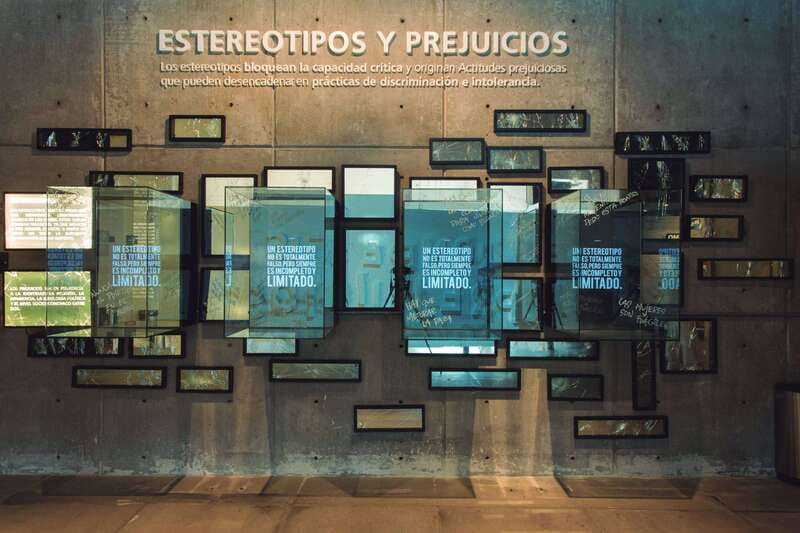
Book this ticket if you:
- Want a museum experience where history and human rights connect directly to the present
- Like thoughtful exhibits that mix documents, artifacts, and meaningful installations
- Prefer a serious, evidence-based approach to topics like genocide, tolerance, and non-violence
- Enjoy audioguides and want help following complex themes in Spanish or English
Consider thinking twice if you:
- Want a light, casual outing. This isn’t that kind of visit.
- Are sensitive to Holocaust-related material and other genocide topics. The emotional load is real, and it’s part of the point.
- Are planning without enough time to slow down. With 43 rooms, rushing hurts the experience.
On the positive side, it’s also reassuring that the museum is wheelchair accessible. If mobility is a concern, this can make the visit realistic rather than intimidating.
Should you book Museo Memoria y Tolerancia entrance tickets?
If you want a one-day museum visit that does more than inform—one that challenges you to think about tolerance, human rights, and what indifference can enable—this ticket is a strong yes. The value is built into the scope: 43 rooms, 1,200+ items, an included audioguide in Spanish and English, and added temporary exhibitions, all for a price that won’t wreck your budget.
The museum’s best moments tend to be where history meets art: the installations by Jan Hendrix, the interactive works like YOU and The Wings of Peace, and the hard-to-forget artifacts like the WWII train wagon and the Berlin Wall fragment. Add in the Holocaust area’s emotional centerpiece, including the Anne Frank exhibit, and you have an experience people often remember long after they leave.
Just go in with the right expectation: this is heavy. Plan to pace yourself. If you’re ready for that, book it. You’ll likely come away with more questions of your own—and a clearer sense of what tolerance actually requires.
FAQ
Where is Museo Memoria y Tolerancia located?
It’s in downtown Mexico City at Plaza Juarez, next to the Secretaría de Relaciones Exteriores, in front of the Hemicycle to Juárez.
How much does the ticket cost?
The price is listed as $13 per person.
How long can I visit with this ticket?
Your ticket is valid for 1 day.
What’s included with the entrance ticket?
The ticket includes entry to the museum, an audioguide available in Spanish and English, and access to temporary exhibitions.
Is the audioguide available in English?
Yes. The audioguide is available in Spanish and English.
Are food and drinks allowed inside?
No. Food and drinks are not allowed.
Is the museum wheelchair accessible?
Yes, the activity is wheelchair accessible.