REVIEW · ROME
Rome: Early Vatican Museums & Sistine Chapel Tour
Book on GetYourGuide →Operated by Tourismotion · Bookable on GetYourGuide
Beat the Vatican rush with a 3-hour head start. This tour starts early with skip-the-line entry and a guided route that ends in the Sistine Chapel, so your morning is calmer and your afternoon in Rome can be wide open.
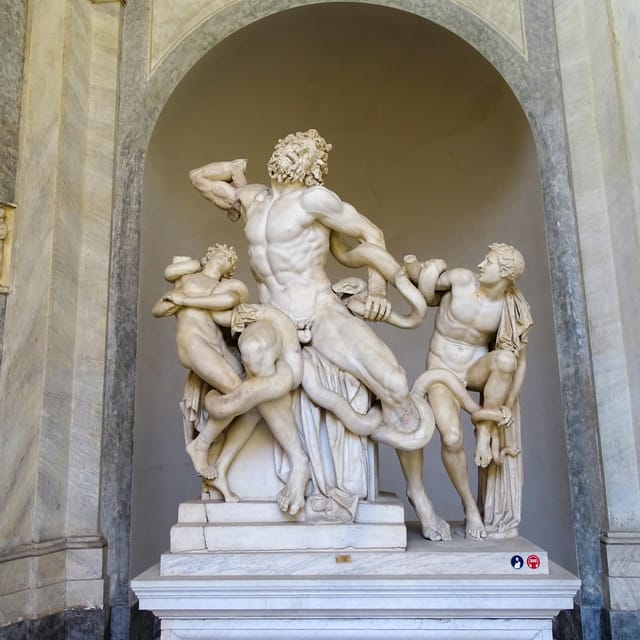
I like the focus on the big masterpieces, with a professional English-speaking guide who helps you see what matters. You’ll move through the museums with purpose, stopping for standout works like the Laocoön Group and the Belvedere Torso, then get guided help inside the Sistine Chapel so the silence requirement doesn’t feel awkward.
One thing to consider: in just 3 hours, it’s an overview. You’ll leave having seen the key rooms, but if you love lingering, you might want more time on your favorite pieces.
In This Review
- Key things I’d circle before you book
- Early Vatican Museums access: what you gain before crowds arrive
- Getting there: Via Tunisi 4 meeting point and the separate entrance
- Cortile del Belvedere: where your guide sets the tone
- Vatican Museums highlight path: Greco-Roman sculpture first
- Gallery of Maps: the quick stop that teaches you how to see Italy
- Gallery of Tapestries: color and craft without the long detours
- Belvedere Courtyard: a breather before the Sistine Chapel path
- The Sistine Chapel: silence, prep, and why your guide’s commentary matters
- Earphones, timing, and group movement: how this 3-hour tour really feels
- Price and value: does $108.70 make sense for early entry?
- What this tour includes (and what it does not) for your Vatican day
- Who should book this early Vatican Museums tour?
- Should you book this early Vatican Museums and Sistine Chapel tour?
- FAQ
- What time does the tour start?
- How long is the tour?
- Does this tour include the Sistine Chapel?
- Is St. Peter’s Basilica included?
- Do I need to bring ID?
- Are bags allowed inside?
- Is this tour suitable for wheelchair users?
Key things I’d circle before you book
- Early entry that helps you beat the biggest lines once the Vatican opens.
- A guided route that turns the museums from chaos into a clear hit list.
- Earphones included, so you can actually hear the guide without craning your neck.
- Stops built around the must-see themes, from Greco-Roman sculpture to the Gallery of Maps.
- A Sistine Chapel experience with prep and commentary, which makes the visit feel more than just photo time.
Early Vatican Museums access: what you gain before crowds arrive
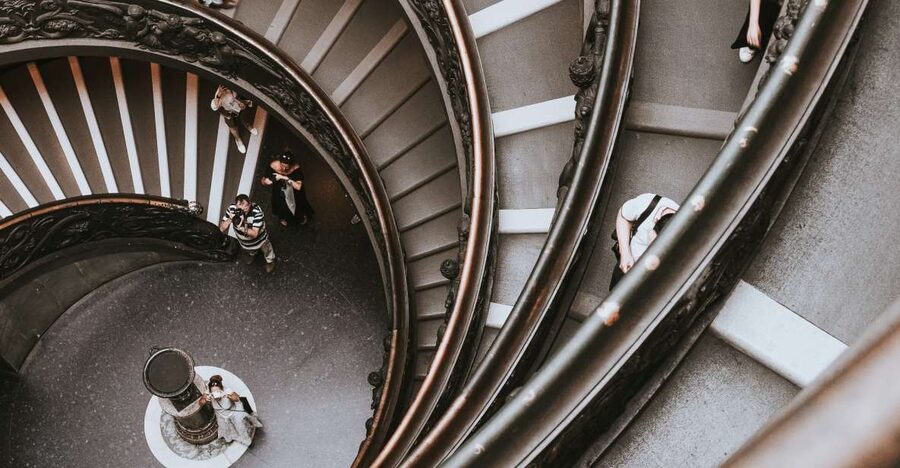
The Vatican Museums are famous for one thing: lines and elbows. This is why early access matters more than almost anything else. When you enter as early as 8:00 am, you’re more likely to be walking through galleries while other groups are still forming queues.
You’re not just buying convenience. You’re buying a different pace. That pace shows up in how your photos come out (less crowd-blocking), how you can actually pay attention to details, and how the Sistine Chapel visit feels when you’re not exhausted from prolonged waiting.
And because this is a guided tour with earphones and a clear route, you’re not spending your precious first hours wandering the wrong hallway. You get a plan, and you get to use your time on art instead of logistics.
You can also read our reviews of more museum experiences in Rome
Getting there: Via Tunisi 4 meeting point and the separate entrance
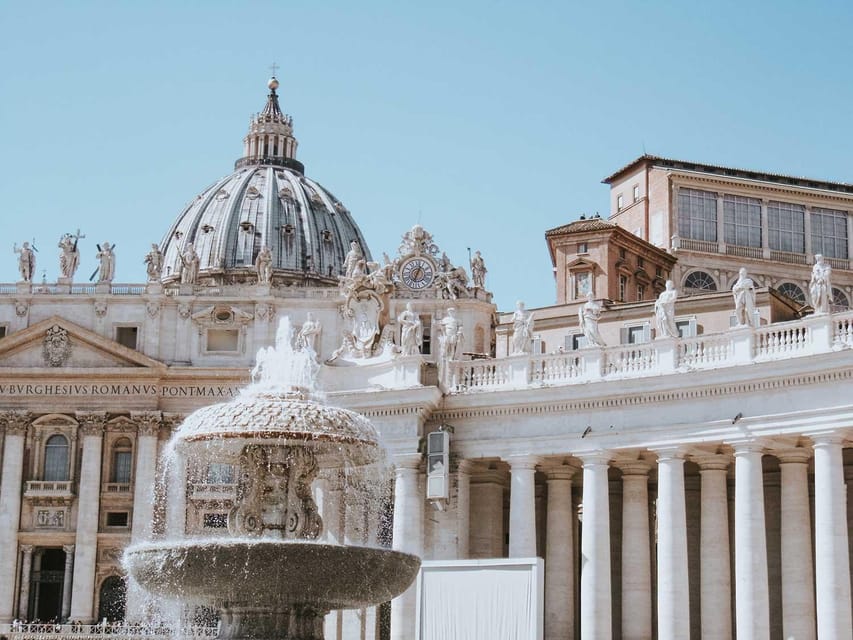
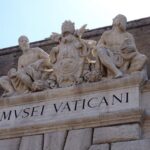
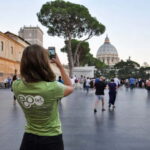
You meet at Via Tunisi, 4 on the pedestrian street, on the upper side of the road closer to the corner with Viale Vaticano, right in front of the Vatican Museums entrance. The tour operator has an assistant there with a sign that says Tourismotion, and they strongly recommend you arrive about 15 minutes early.
This matters because the Vatican area is a maze of groups. Even when you’re early, you can still lose time hunting for the correct meeting spot or matching your group to the right guide. If you’re the type who likes a smooth start, treat that early arrival as part of the experience.
A key selling point here is the skip-the-line entry using a separate entrance. That usually saves you more than the time you think, because you’re avoiding the most stalled sections of the process, not just the first “stand here” phase.
Cortile del Belvedere: where your guide sets the tone
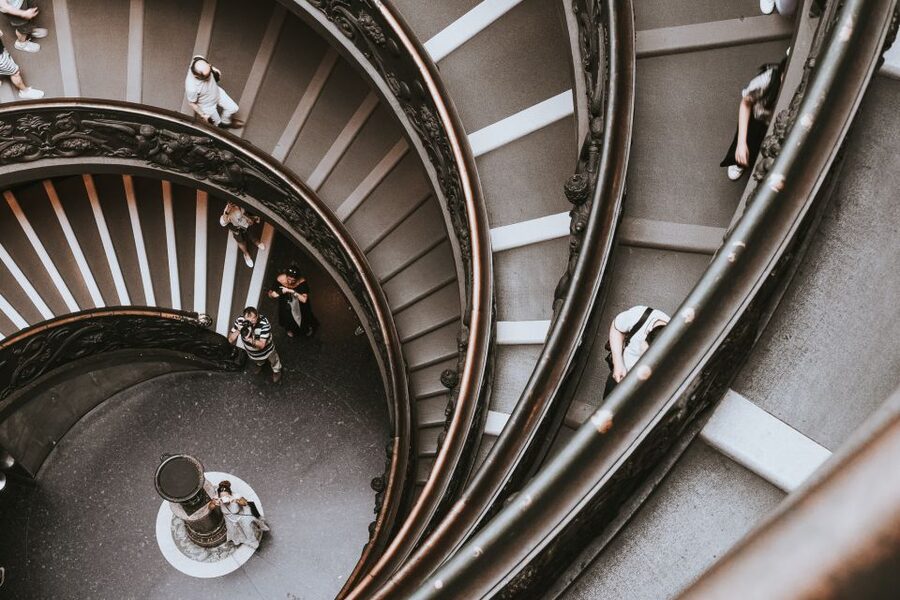
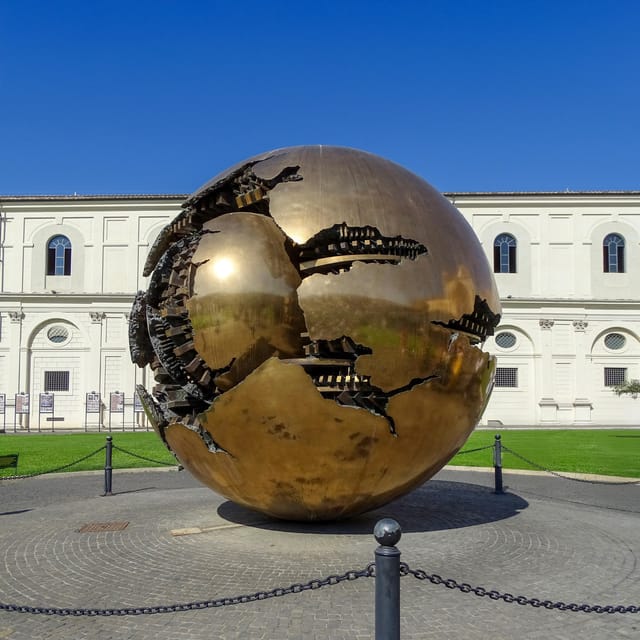
The first major stop after you gather is the Cortile del Belvedere. This is a smart place to start because it acts like orientation. Your guide can frame what you’re about to see and how to look for it, which pays off later when the museums become a blur of rooms.
In this kind of setting, silence and attention are not optional. Inside the museums you can ask questions, but you’ll also learn quickly that the Vatican is about flow—moving efficiently, staying respectful, and absorbing a lot in a short window.
The best guides use this first stretch to teach you how to “read” the art. You’re not just passing sculptures and paintings; you’re learning why certain things were made and what people believed they represented.
Vatican Museums highlight path: Greco-Roman sculpture first
From there, you’re led through the Vatican Museums’ key sections, including the Greco-Roman section. If you’ve ever wondered how Roman art built on Greek ideas, this is where you feel that connection.
Two standouts mentioned as part of the route are:
- Laocoön Group: a dramatic sculpture showing Laocoön and his sons battling serpents. It’s all motion and emotion, and it’s easy to see why this kind of storytelling influenced later artists.
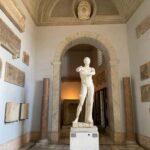
- Belvedere Torso: a famous “inspiration” sculpture that helped shape Renaissance thinking about the human form.
What I like about starting with pieces like these is that you get a concrete visual vocabulary early. By the time you reach later galleries, you’re already primed to notice symbolism, proportion, and craftsmanship instead of only chasing the biggest names.
And because the tour includes earphones, you’re less likely to lose the thread when groups around you suddenly tighten up.
Gallery of Maps: the quick stop that teaches you how to see Italy
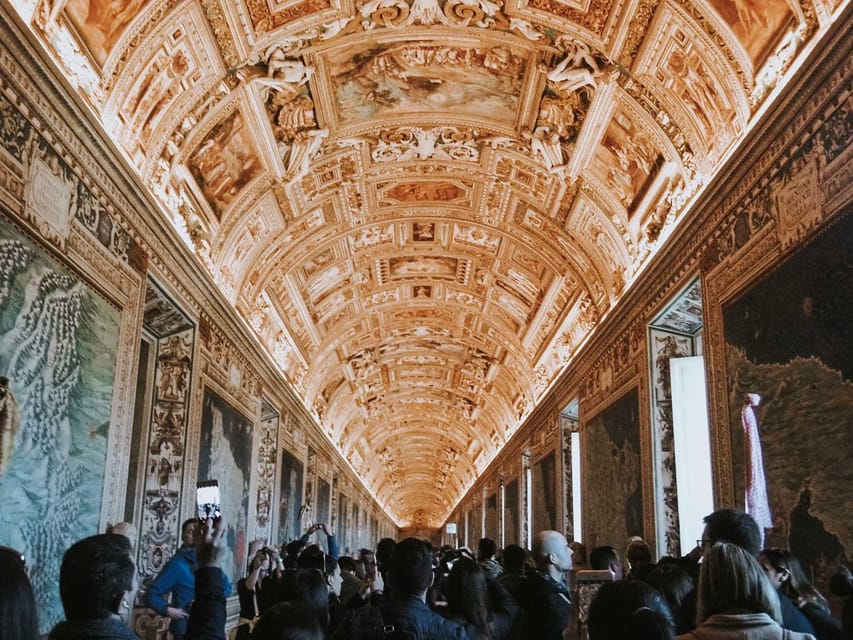
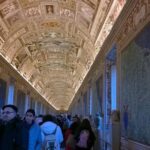
One of the most fun mid-tour moments is the Gallery of Maps. This is where the museums do something different: they teach with detail. The 16th-century cartography brings Italy’s regions into view with remarkable specificity, and it’s the kind of stop that rewards your attention.
This gallery also changes your mental mode. You go from studying marble bodies and myth to studying geography as art. It’s a reminder that the Vatican wasn’t only about saints and sermons; it was also deeply interested in knowledge, order, and the world.
Here’s the practical advantage: in a 3-hour tour, you need at least a couple “variety hits” so the day doesn’t turn into one long list of rooms. The Maps gallery gives you that mental reset.

Gallery of Tapestries: color and craft without the long detours
You’ll also visit the Gallery of Tapestries. Tapestries can be trickier than you expect. They aren’t just decorative blankets; they’re a major art form that requires attention to narrative, texture, and composition.
On a timed tour, this kind of room works well because it’s visually rich without needing endless time to understand the basics. Your guide helps you look past the wow-factor and notice what’s being shown and how it’s designed.
If you’re hoping for lots of free time to wander and compare details wall-to-wall, keep expectations realistic. The route aims to hit the key stops and keep you moving.
Belvedere Courtyard: a breather before the Sistine Chapel path
Between the big “museum hits,” there’s also a Belvedere Courtyard moment. This is valuable even if you only pause briefly. Courtyards give your eyes a chance to reset, and they help you shake off crowd fatigue before you head toward the Sistine Chapel area.
This is also a good time to orient yourself mentally. Once you start approaching the Chapel, the atmosphere changes. You’ll need to follow instructions closely, keep your voice down, and stay aware of where your guide is leading.
In other words: this pause is not filler. It’s part of how the tour stays respectful and efficient.
The Sistine Chapel: silence, prep, and why your guide’s commentary matters
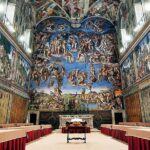
The tour includes your Sistine Chapel visit, and it’s not treated like a quick stop. The description emphasizes that the Chapel requires silence, and that your guide prepares you first so you can fully appreciate what you’re seeing.
This is a big deal. The Sistine Chapel can feel like a silent museum of emotions: people press forward for photos, everyone cranes, and it can be hard to know where to look. A good guide helps you shift from automatic staring to intentional looking.
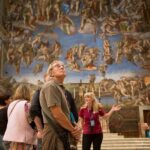
The centerpiece in the route is Michelangelo’s ceiling, including The Creation of Adam. Your guide is there to explain artistic techniques, symbolism, and spiritual significance. That kind of context doesn’t replace your own reaction, but it shapes it. You start noticing why certain figures are positioned the way they are, and what those details might be communicating.
Also, the timing helps. By reaching the Chapel early, you’re less likely to be dealing with the worst rush-hour crush, which makes it easier to follow the guide and actually absorb the artwork.
One more practical note: the Sistine Chapel is a strict environment. If you’re planning to carry anything bulky, remember that luggage or large bags are not allowed, and backpacks are also not allowed. Travel light so you’re not dealing with storage hassles in the middle of your tour.
Earphones, timing, and group movement: how this 3-hour tour really feels
This is a 3-hour guided experience. On paper, that’s short. In practice, it’s short in the way a good overview is short: you leave with clarity, not exhaustion.
The tour is designed around keeping everyone moving together, which is why it includes earphones. You’ll hear instructions cleanly even when the room gets loud or crowded. Several people praised guides for managing the group smoothly once crowds caught up, and for using waiting time to explain more about what you were seeing.
There’s also a practical upside mentioned in feedback: guides were able to work in toilet breaks and keep the flow under control. That’s not guaranteed in every Vatican visit, so it’s worth appreciating when it happens.
Still, remember the drawback: if you want to linger in one gallery for an extra half hour, this schedule won’t let you do that. This tour is best if you’re looking to see the key highlights, learn the basics that deepen the viewing, and then continue exploring Rome with fresh energy.
Price and value: does $108.70 make sense for early entry?
At $108.70 per person, you’re paying for more than a guide’s time. You’re paying for:
- early entry before the bulk of the crowd arrives
- skip-the-line access through a separate entrance
- a professional English-speaking guide
- earphones, which improve the quality of the experience
- access to the Sistine Chapel, included in the route
If you’ve ever tried to do the Vatican Museums on your own, you know the “cheap option” can become expensive in lost time. Lines, wrong turns, and not knowing what to look for can eat up the very hours you’re willing to spend in Rome. This tour tries to convert those hours into focused viewing.
Is it expensive? Yes, compared with a self-guided ticket. But the value depends on your style. If you want maximum art for maximum time with minimum stress, the early access and guide structure can feel worth it.
One added value point: it includes helpline and assistance. That may not sound romantic, but when you’re dealing with meeting points and museum entry rules, it can matter.
What this tour includes (and what it does not) for your Vatican day
Included:
- Early access to the Vatican Museums
- Access to the Sistine Chapel
- Professional English guide
- Earphones
- Helpline and assistance
Not included:
- Entry to St. Peter’s Basilica
This matters when you’re building your overall Rome plan. You can treat this tour as the art-and-ceiling core of your Vatican day, then decide how you want to handle St. Peter’s separately.
Also note a reality check: the Vatican sometimes changes access due to extraordinary closures or restrictions. In those cases, the itinerary may change but the duration stays the same, and no refund is provided for those extraordinary situations. Build a little flexibility into your schedule.
Who should book this early Vatican Museums tour?
I’d suggest this tour if:
- you want a calmer start and better odds at fewer bottlenecks
- you like having a plan and learning the “why” behind major artworks
- you’re visiting Rome for a limited time and want to get the Sistine Chapel without guesswork
It’s also a good match if you appreciate structure. The route hits major themes: Greco-Roman sculpture, the Gallery of Maps, and the Sistine Chapel ceiling.
I would not choose this if:
- you need wheelchair access or you have mobility limitations that require an accessible route, because it’s stated as not suitable for people with mobility impairments and not suitable for wheelchair users
- you want lots of unstructured wandering time once inside
Should you book this early Vatican Museums and Sistine Chapel tour?
If you’re excited about the Vatican but nervous about crowds and wasted time, I think this is a strong buy. Early entry changes the feel of the day, the guide structure helps you actually see what you’re looking at, and earphones make the experience smoother than the typical “shout over the crowd” setup.
Book it if you want a high-impact overview of the Vatican Museums that lands in the Sistine Chapel at a better moment. Skip it if you plan to spend hours drifting slowly room to room, because the 3-hour pace is built for highlights, not deep, relaxed wandering.
FAQ
What time does the tour start?
Starting times can vary, but early access is described as being as early as 8:00 am. You’ll need to check availability to see the specific start time options.
How long is the tour?
The duration is 3 hours.
Does this tour include the Sistine Chapel?
Yes. Sistine Chapel access is included, and it’s part of the guided route.
Is St. Peter’s Basilica included?
No. Entry to St. Peter’s Basilica is not included.
Do I need to bring ID?
Yes. You’ll need a passport or ID card. The same applies to children.
Are bags allowed inside?
No luggage or large bags are allowed, and backpacks are not allowed.
Is this tour suitable for wheelchair users?
No. It is stated as not suitable for wheelchair users and not suitable for people with mobility impairments.