REVIEW · PARIS
Louvre Museum: Skip-the-Line Small Group Guided Tour
Book on GetYourGuide →Operated by UTG EXPERIENCE · Bookable on GetYourGuide
The Louvre can feel like a maze of marble. This small-group, skip-the-line tour helps you hit the big masterpieces fast with a guided route that makes the museum feel smaller and smarter. You’ll also get a focused mix of art and palace drama, from Renaissance icons to Napoleon’s former living rooms.
I love the priority entrance approach because it cuts the waiting you’d otherwise face, even if security can still slow you down. I also like that the tour format is built for real listening: you’ll have a head set so you can actually hear the guide inside crowded rooms.
One possible drawback: even with the skip-the-ticket-line access, you should plan for a security wait. In peak season, that can be up to 20 minutes, and 2–3 hours is still tight for a museum this size.
In This Review
- Key highlights worth planning for
- Why this Louvre tour feels different from wandering
- Meeting point reality and how to find your group
- A tight 2–3 hour route that hits the Louvre’s most famous icons
- Venus de Milo stop: the “quick win” classic
- Mona Lisa time with priority access (and smart expectations)
- Napoleon’s apartments: when décor becomes the attraction
- Egyptian highlights: a sphinx and mummies among the European giants
- Renaissance and storytelling stops you can actually remember
- The palace beneath you: basement foundations of the castle
- Group size, head sets, and pacing (the real comfort factor)
- Price and value: is $129 actually worth it?
- Who this tour suits best
- What to do right after the tour
- Should you book this Louvre skip-the-line small group tour?
- FAQ
- How long is the Louvre skip-the-line small group guided tour?
- Is the Louvre open on Tuesdays?
- What’s included in the tour price?
- Will I still wait even with skip-the-line access?
- What languages are available for the live guide?
- Are there luggage size limits for the museum?
Key highlights worth planning for

- Priority access via a separate entrance, so you start the museum experience sooner
- Small group capped at 10, which keeps things easier than the usual herd
- Head sets included, so the guide’s storytelling stays clear in busy galleries
- Napoleon’s apartments stop, where the décor is the whole point (not just one painting)
- Egyptian section moments, including a sphinx and mummies—an unexpected contrast to European art
- A “highlights only” route, designed for first-timers and time-crunched days
Why this Louvre tour feels different from wandering

The Louvre is huge, but the real problem isn’t size. It’s choice overload. You walk in and immediately face a thousand rooms, each one begging for a different priority. This tour gives you a plan, so you spend your energy looking—not figuring out what to chase next.
I also like how the route blends styles and eras on purpose. You’ll move from Ancient Egypt’s odd, powerful presence to the Italian Renaissance and then into the height-of-power setting of Napoleon’s rooms. That contrast keeps the visit moving and makes connections easier to remember.
Finally, the time window matters. At 2–3 hours, you’re not trying to “see everything.” You’re getting the Louvre’s main story beats in a way that feels doable, especially if you’re traveling with teens or you just want a strong overview without burning the whole day.
You can also read our reviews of more guided tours in Paris



Meeting point reality and how to find your group
Meeting points can vary depending on the option you book, so treat your arrival like logistics, not sightseeing. The good news: you don’t need museum map magic to get started, because the tour begins with a clear group meetup and then moves into the museum flow.
Still, the Louvre area can trip people up with directions from maps. I’d recommend you check your exact meeting address again before you head out the door, because the correct street can be along the Louvre’s long side (not the shorter-looking streets that apps sometimes push you toward).
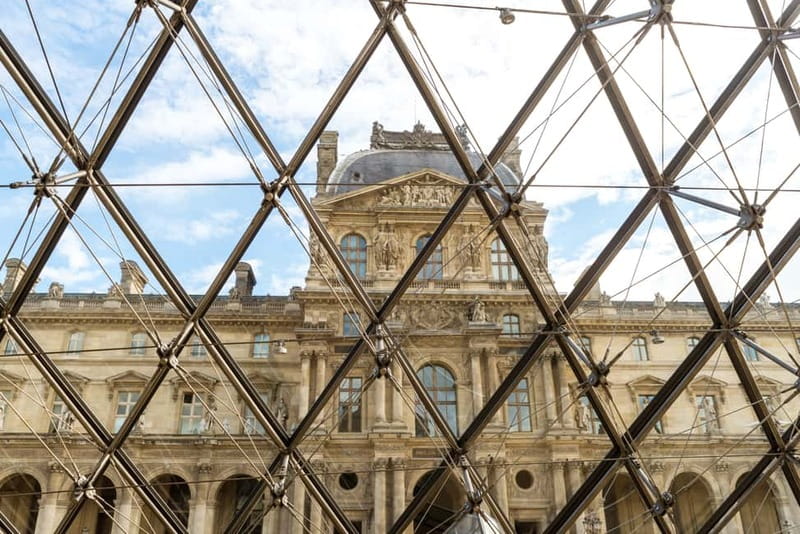
Once you’re with the group, you’ll pass the Louvre Pyramid area before heading into the first major highlights. It’s a quick orientation moment that helps you understand where you are inside the overall complex.
A tight 2–3 hour route that hits the Louvre’s most famous icons
The tour is built around a highlights circuit. That means you’ll see major works you already know—then get context that makes them more than names on a ticket.
You’re also protected from the two biggest first-timer problems: getting lost and getting stuck in lines. The tour includes entrance ticket access and skip-the-line through a separate entrance, which is the difference between starting your visit with momentum and starting it with frustration.
But here’s the practical catch: time is still time. You’ll cover a lot, but you won’t have the luxury of long, slow sessions in every room. If you’re the type who wants 30 minutes with one painting, you may feel rushed. For most people, that brisk pace is exactly the point.
Venus de Milo stop: the “quick win” classic
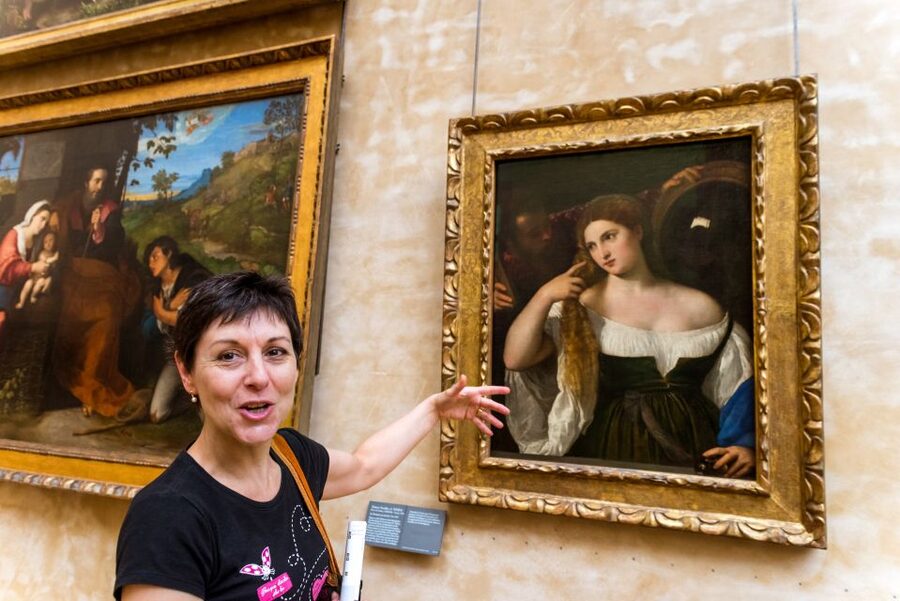
You’ll make Venus de Milo an early stop, and that’s smart. This is the kind of sculpture that reads instantly: you don’t need background training to understand why it became an art-world shorthand for classical beauty.
What you gain from doing it with a guide is the meaning behind the icon. You’ll also get help with how to look—what to focus on and how the work fits into the Louvre’s larger story about art collecting and taste over time.
This section tends to move quickly, so be ready. Bring your attention, not your stroller-sized patience. The payoff is that you leave the early part of the tour feeling oriented and confident you’re in the right place.
Mona Lisa time with priority access (and smart expectations)
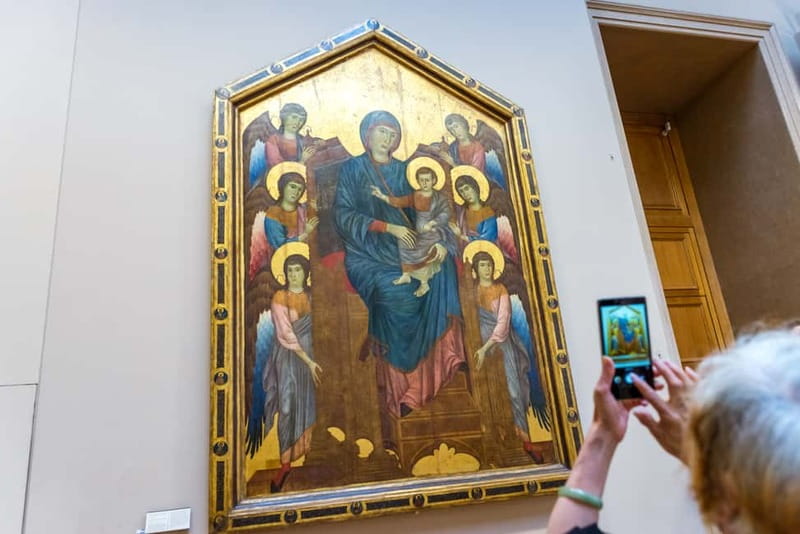
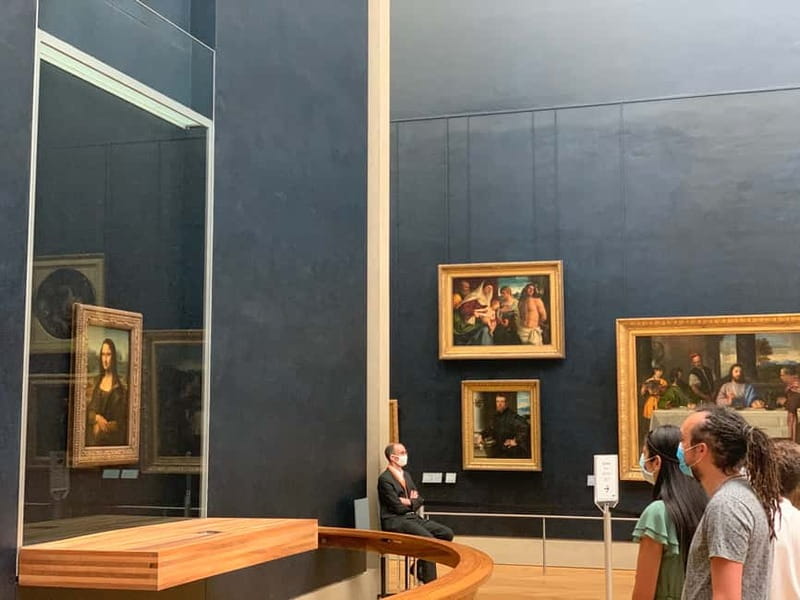
The big moment is Leonardo da Vinci’s Mona Lisa. Even if you’ve seen images a hundred times, seeing it in person is different. The space feels charged, and the painting’s presence is oddly intimate despite the crowd pressure around it.
The tour’s priority access helps you get to the area without the worst of the ticket chaos. Still, don’t assume you’ll be alone. This is one of the most crowded spots in the museum, and your best strategy is to follow the guide’s timing and listen for the story behind what you’re seeing.
A small but important detail: the tour includes head sets, which matters here. When you’re facing the wall of people and distractions, a good audio setup is the difference between catching half the explanation and hearing the full reason the painting matters.
If you’re sensitive to noise or you’re traveling with kids/teens who need clearer direction, this is one of the moments where the tour format pays for itself fast.
You can also read our reviews of more museum experiences in Paris




Napoleon’s apartments: when décor becomes the attraction

The itinerary doesn’t stop at artworks. It sends you into the Napoleon apartments, where the setting is the star. This part of the palace is where you feel the Louvre as a power center, not just a museum building full of masterpieces.
The guide’s job here is crucial: you’re not simply walking from room to room. You’re learning how the décor and royal display worked as a message—who belonged, what authority looked like, and how the palace staged influence.
A practical note: one person’s experience indicated the Napoleon apartments didn’t happen as advertised. Because that’s a mismatch you don’t want on a high-stakes “once in Paris” visit, it’s worth confirming with your guide at the start that your planned route includes those rooms.
Egyptian highlights: a sphinx and mummies among the European giants
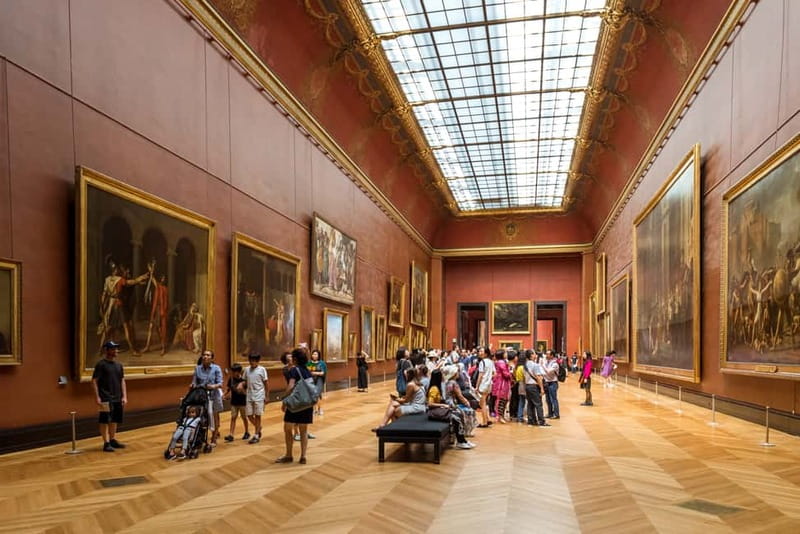
One of the best surprises in the Louvre is how well the Egyptian department can reset your expectations. After Renaissance faces and royal rooms, Ancient Egypt hits with a completely different kind of presence—more direct, older, and strangely modern in its visual strength.
You’ll see key Egyptian highlights, including a sphinx and mummies. Doing this with a guide helps, because otherwise it’s easy to treat the artifacts like a checklist. The explanation connects them to how the Louvre collected and presented Egypt, which turns “wow, bones” into “wow, context.”
This contrast is one reason I like this tour format. It keeps the museum from becoming a single-style blur.
Renaissance and storytelling stops you can actually remember
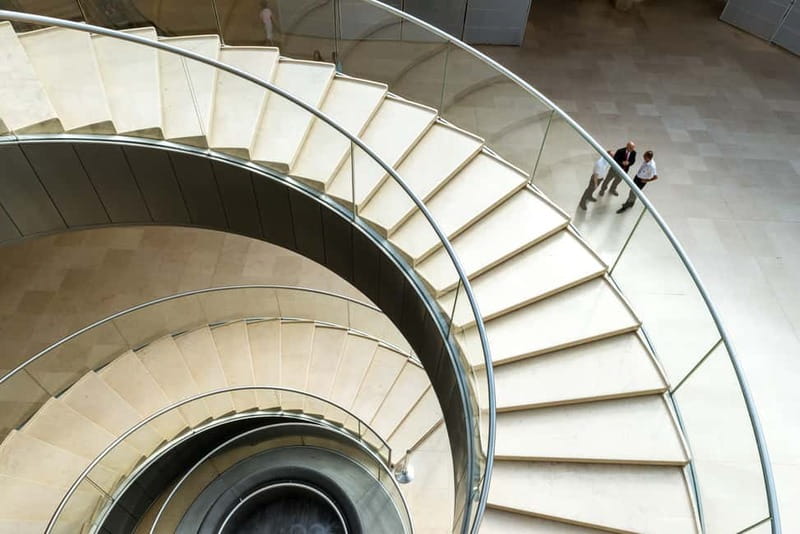
The tour weaves in major works that most people recognize once they see them, then adds meaning so they stick.
You may include:
- Canova’s Psyche Revived by Cupid’s Kiss, an emotional choice that shows how sculpture can feel like a moment rather than a statue
- Géricault’s Raft of the Medusa, the kind of painting where the story is almost cinematic—panic, survival, and consequence
- The guide also sets up transitions between sections so you understand why each highlight sits where it does
The main value here is not that you get names. It’s that you get a reason to care. With the guide managing pacing and pointing, you’re more likely to leave with mental images that come back when you’re home planning your next museum visit.
The palace beneath you: basement foundations of the castle
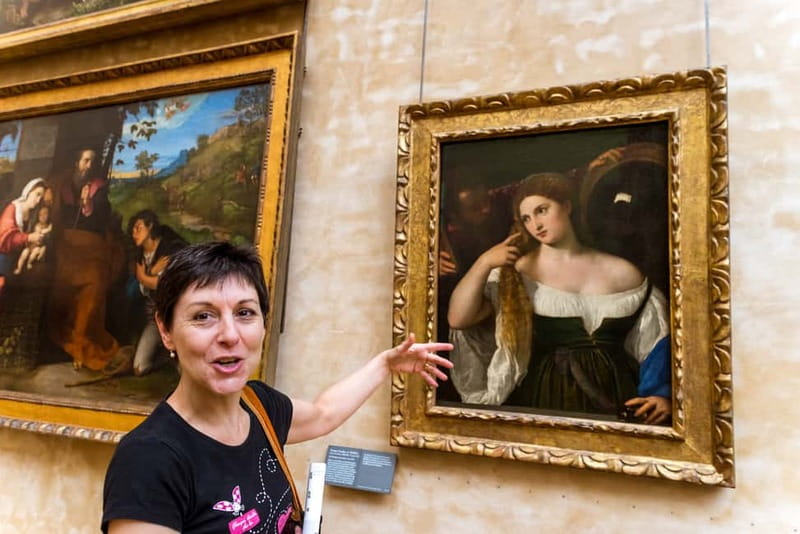
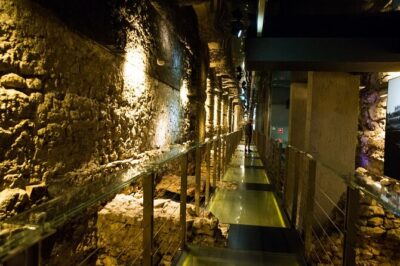
There’s also a “how the Louvre became the Louvre” moment: you’ll head to the basement area to see the foundations of an earlier castle that once stood on this site. Even if you’re not a construction-nerd, this stop helps you understand why the museum feels layered.
It’s a quick reality check. You’re not only looking at art; you’re inside centuries of building decisions that shaped what you see today. That makes the whole museum experience feel less like a random collection and more like a long evolution.
Group size, head sets, and pacing (the real comfort factor)
This tour is designed for a small group, limited to 10 participants. In peak season, groups can get larger, and if you have more than 6 people, you might be split into different groups. Either way, the guiding style stays the same: move through highlights without getting tangled in the biggest crowds.
The head set inclusion matters more than it sounds. In dense museum rooms, normal voice-talking becomes a guessing game. With audio, you can focus on looking instead of straining your ears or constantly turning your head.
One practical caution: if you’re in a group that’s slightly larger or especially busy on the day, you may still need to accept that sound and space can be imperfect. Still, having head sets is a big advantage over typical free-form tours.
Price and value: is $129 actually worth it?
At $129 per person for 2–3 hours, you’re paying for three things: a licensed guide, the entrance ticket, and the skip-the-line access (plus head sets). If you tried to DIY the same highlights, you’d likely lose time to lines and you’d spend more time deciding than actually seeing.
So the value equation becomes simple:
- If you want the Louvre’s best-known works plus a couple of “this is why it matters” stops in one short trip, the price is usually fair.
- If you’re the type who wants to linger for hours in every room and browse slowly, this may feel too structured for your style.
Also remember: transportation to and from the Louvre isn’t included. That’s normal for this kind of tour, but you should bake it into your day planning.
Who this tour suits best
This tour is a strong fit if you:
- Want a first-time Louvre overview without losing half your trip to lines
- Have teens who need direction and a story-driven visit
- Prefer a focused route instead of wandering room-to-room
- Want a mix of art and palace interiors rather than only paintings
If you’re traveling with seniors, it can help to know that guides have been seen actively trying to make access easier, including searching for elevators and support options when needed. That’s not guaranteed for every visit, but it’s a good sign the guides often think beyond just reciting facts.
What to do right after the tour
When you finish, you’ll be in the Louvre zone with a fresh sense of what to look for next. One smart move is to plan a photo break at an outdoor roof-style café or terrace area near the museum. It’s a simple way to wind down after the sprint through highlights and see the palace setting from a different angle.
If you have extra time that day, you’ll likely enjoy returning with a clearer mental map. The tour won’t replace a longer visit, but it can make a later self-guided stop much more satisfying.
Should you book this Louvre skip-the-line small group tour?
Book it if you want the Louvre’s major hits in a short, guided route, and you care about saving time on lines and hearing explanations clearly with head sets. The $129 price makes sense when you value guidance, priority access, and a route that includes both famous masterpieces and the palace experience of Napoleon’s apartments.
Skip it (or consider a longer, self-paced plan) if you hate structure or you need long quiet time with fewer works. In the Louvre, pacing is everything, and this tour intentionally chooses speed with focus.
If you do book, I’d go in with one mindset: this is for highlights, not completeness. If that matches your travel style, you’ll get a visit that feels efficient and surprisingly satisfying.
FAQ
How long is the Louvre skip-the-line small group guided tour?
The tour lasts 2 to 3 hours.
Is the Louvre open on Tuesdays?
No. The Louvre is closed on Tuesdays.
What’s included in the tour price?
It includes a licensed guide, a Louvre Museum tour, an entrance ticket, and head set equipment. Transportation to and from the Louvre is not included.
Will I still wait even with skip-the-line access?
Yes, you may still wait at security. In high season, that wait can be up to 20 minutes.
What languages are available for the live guide?
Live guides are available in German, English, Portuguese, Spanish, Italian, and French. The tour can be bilingual.
Are there luggage size limits for the museum?
Yes. Luggage or large bags are not allowed, and items exceeding 55x35x20 cm are not permitted in the museum.