
REVIEW · ATHENS
Hellenic Motor Museum Entrance Ticket
Book on GetYourGuide →Operated by HELLENIC MOTOR MUSEUM · Bookable on GetYourGuide
Cars meet 2,000 years of engineering. The Hellenic Motor Museum in Athens is a compact, air-conditioned stop that lets you get close to 19th- and 20th-century cars while learning how the vehicle evolved.
What I love most is the sheer scale of the collection—more than 110 vehicles, neatly arranged across three floors—and the way the museum explains the story of the car through things like the history of the wheel and an old workshop setup.
One thing to plan for: finding it can take a little patience. The museum is on the top floor of a building with lots of offices, and signage outside isn’t super clear.
In This Review
- Key things that make this museum worth your time
- Hellenic Motor Museum in Athens: A car museum you can finish without rushing
- The collection on 3 floors: 300 BC to the end of the 20th century
- Following the spiral ramp: how to walk it so you actually enjoy it
- The workshop and the wheel story: where it becomes more than just cars
- Standout moments for car people and not-so-car people
- Price and value: what $14 gets you in Athens
- Hours, timing, and when to go
- Where to find it: Capitol Mall logistics in the middle of the city
- Who should book this ticket, and who might skip it
- Should you book the Hellenic Motor Museum ticket?
- FAQ
- How much does the Hellenic Motor Museum entrance ticket cost?
- How long should I plan for the visit?
- Where is the museum located and what is the meeting point?
- What are the opening hours?
- When is the last admission?
- Is the museum wheelchair accessible?
- What’s included with the ticket?
- Are there any days when the museum is closed?
- Can I cancel and get a refund?
Key things that make this museum worth your time
- 110+ global vehicles spanning the 19th and 20th centuries, with rotating displays
- Three floors and a spiral-ramp layout that helps you follow the story as you go up
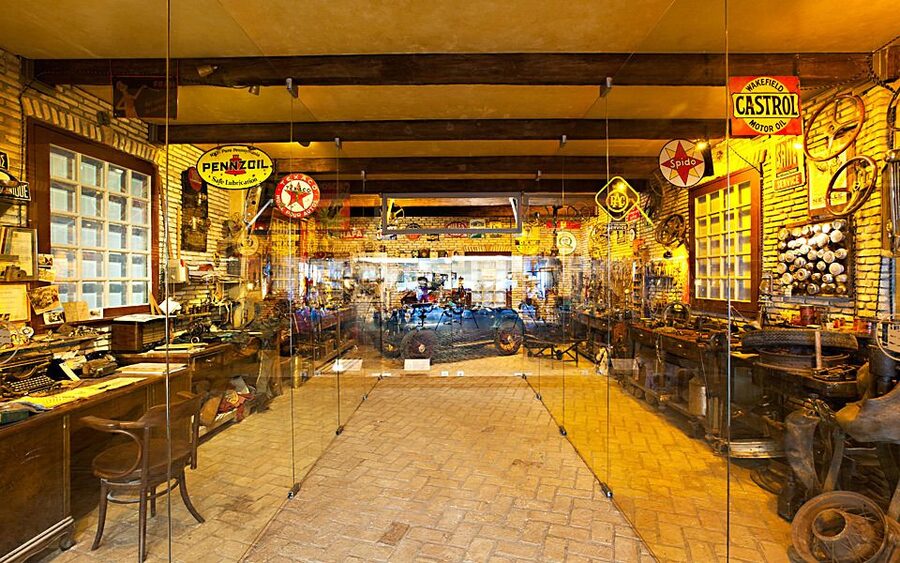
- Old workshop experience with the vibe of how cars were actually worked on
- History of the wheel as a simple way to understand why car design changed over time
- Shows makers that no longer exist, plus familiar current-model names
- Air-conditioned comfort in a building that can be a welcome break in the heat
Hellenic Motor Museum in Athens: A car museum you can finish without rushing
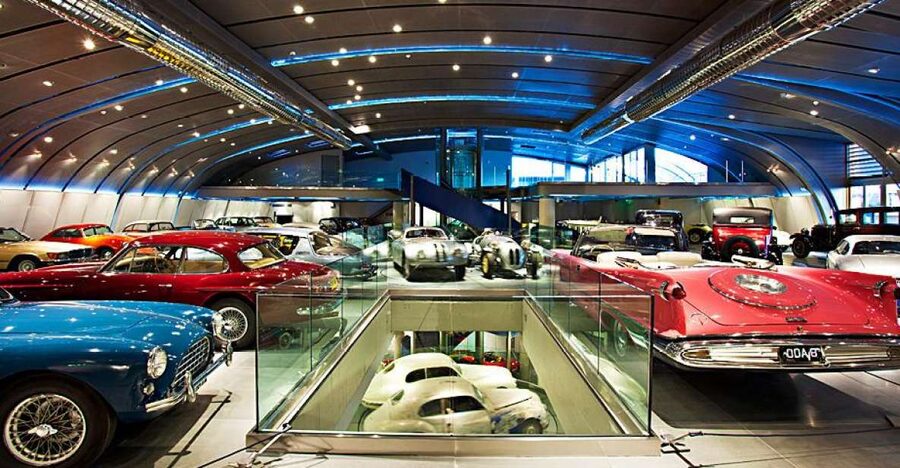
If you want a museum day that feels like real looking, not museum homework, this one works. The Hellenic Motor Museum sits in Capitol Mall in central Athens and spreads over three floors, so you get a real collection without spending all day wandering.
I like that it’s built around a theme you can actually follow: cars as technology, culture, and design—told using physical exhibits. It was created by the Theodore and Joanne Charagionis Foundation in 1977, and you can feel that curatorship in the way the displays are presented.
A few more Athens tours and experiences worth a look



The collection on 3 floors: 300 BC to the end of the 20th century
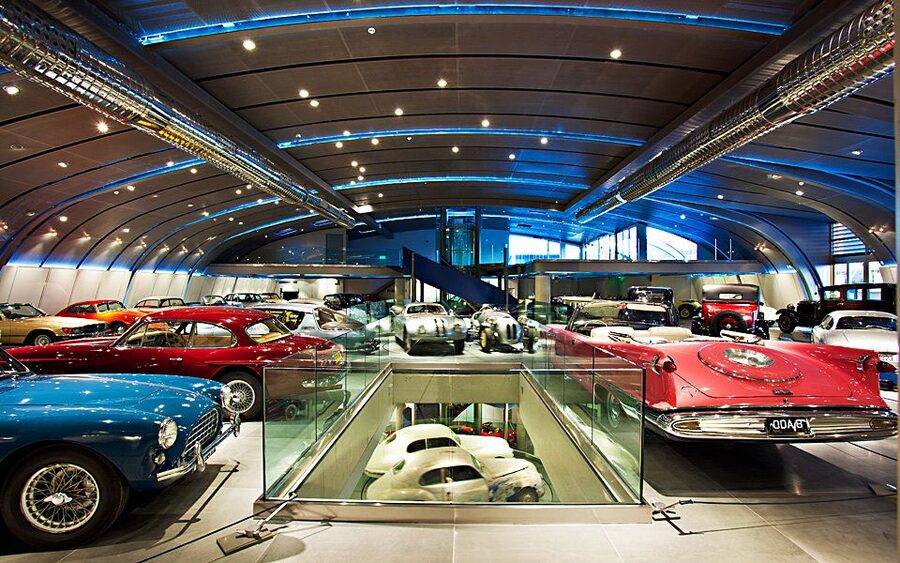
The big headline is the number: you’ll see more than 110 unique exhibits from the global automotive industry. They’re not all the same kind of car either. One of the most fun parts is that the museum includes models from automakers that no longer exist, alongside classic examples from well-known manufacturers that you can still recognize today.
On top of that, the museum covers a long timeline. As you go up the spiral ramp, you’ll encounter 72 unique exhibits that run from about 300 B.C. up to the end of the 20th century. Even if you’re not a die-hard gearhead, this range gives you context fast: it shows how wheel and vehicle ideas evolved rather than acting like cars appeared out of nowhere.
A couple details to keep your expectations realistic:
- Some cars have viewing angles that are more front-facing than side-on, so you may not get a perfect walk-around view of every exhibit.
- The museum is popular and compact, so you’ll want to keep an eye out for your own space when crowds move through.
Following the spiral ramp: how to walk it so you actually enjoy it
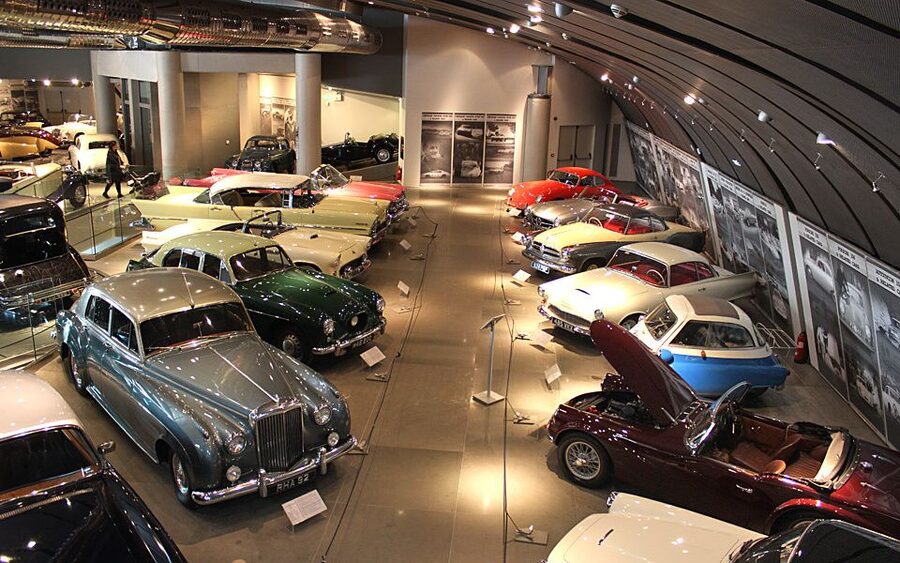
This museum is set up to be walked in an order. The spiral ramp matters because it naturally keeps you moving upward through the timeline. Instead of zig-zagging and missing things, you can treat it like a guided path without needing a live guide.
Here’s the approach that makes the visit feel smooth:
- Start where your ticket area directs you and follow the spiral ramp upward at a steady pace.
- When you pause, don’t try to read everything at once. Pick a section—wheels, early vehicle design, or later automotive styling—and let that be your anchor.
- Do a second pass only if you’re still hungry for detail. If you’re more of a quick scan person, one clean pass is usually plenty.
One practical upside: the layout across three levels makes it easy to break the visit into smaller chunks. You can spend an hour if that’s all you have, or keep going longer if you’re absorbed by the displays.
The workshop and the wheel story: where it becomes more than just cars
Most car museums show cars. This one also uses the cars to explain how vehicles work and why they changed.
The museum includes an old car workshop walk-through, where you can see how a car environment looks when it’s tied to the mechanics of repair and maintenance. That matters because it shifts you away from pure styling and into the practical reality of how cars were treated.
Then there’s the other key theme: the history of the wheel. It’s a smart choice because the wheel is the kind of concept you can understand quickly, and it connects to the evolution of vehicle design. You’re not just staring at badges and paint—you’re picking up why mobility got better over time.
From the car-history angle, I also like that the exhibits cover both the big-picture story and the hands-on feel. The wheel theme gives you structure, and the workshop gives you texture.
Standout moments for car people and not-so-car people
Some museums are “for enthusiasts.” This one is for enthusiasts, but it also works for people who just want something cool to do with their eyes open.
A few highlights that show up in the exhibit experience:
- You’ll spot famous pop-culture vehicles, including things like Lightning McQueen and the Flintstones Mobile. That makes the museum feel lighter and more playful without ruining the main focus.
- You can see displays that include automakers you may not have heard of, plus cars from companies that no longer exist. It’s the kind of contrast that makes you realize how fast industries shift.
- A notable example is the presence of a striking Testarossa, which tends to pull attention even if you’re not trying to find a specific model.
If you’re traveling with kids or someone who thinks cars are boring, the pop-culture surprises plus the workshop scenes help a lot. If you’re the type who loves design details, the timeline and the rotating collection make it easier to care about more than just one favorite brand.
You can also read our reviews of more museum experiences in Athens





Price and value: what $14 gets you in Athens
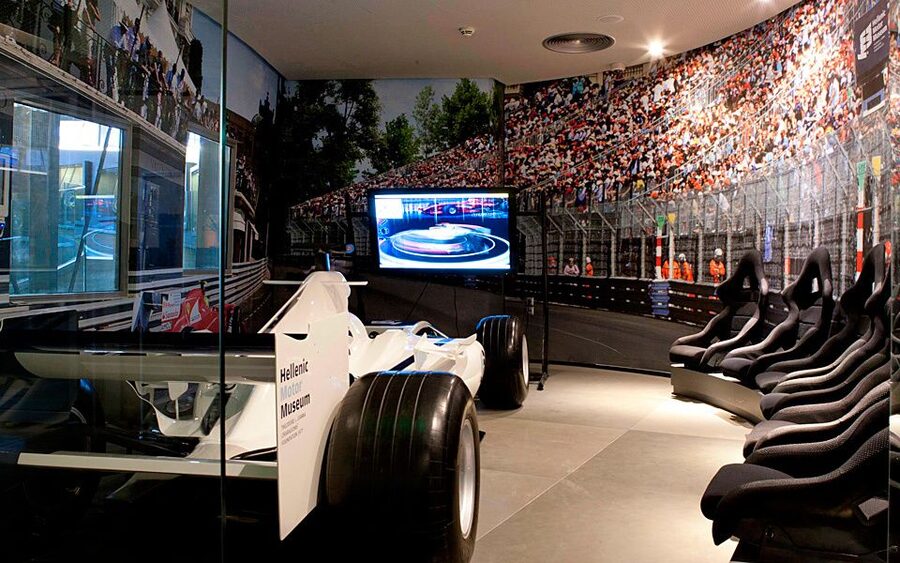
At $14 per person for a one-day entrance ticket, this is priced like a museum that’s trying to be accessible. It’s not a tiny collection, and it’s not a rushed stop either, especially because you can naturally spend time across three floors.
Here’s what makes that price feel like good value:
- More than 110 exhibits means you’re not paying to see a handful of cars and leaving bored.
- The timeline approach (300 B.C. to the late 20th century) adds context, so the visit doesn’t feel like random parking-lot photography.
- The workshop and wheel story turn it into an experience, not just a car gallery.
- The museum is air-conditioned, which matters in Athens when you’re trying to avoid heat fatigue.
The only value caveat: if you’re expecting a huge, outdoor, car-park-style museum with lots of space between vehicles, you may feel the displays are closer than you want. Still, the trade-off is that you can see a lot without burning time.
Hours, timing, and when to go
You’ll want to plan around opening times. The museum is open:
- Monday to Friday: 10:00 to 17:00
- Saturday and Sunday: 11:00 to 18:00
Last admission is 30 minutes before closing.
It’s closed on these dates:
- January 1st and January 6th
- Easter Sunday and Easter Monday
- August 15th
- December 25th
If you’re building a day in central Athens, I suggest treating this as a mid-morning or early afternoon option. You’ll be better positioned to enjoy the lighting and get time to read the descriptions without feeling rushed by crowd flow.
Where to find it: Capitol Mall logistics in the middle of the city
The museum is located in Capitol Mall. The meeting point shown for the ticket is:
IOULIANOU 33 – 35 & C’ SEPTEMVRIOU 74 – 78, Athens
That sounds straightforward, but the experience of getting there isn’t always. The museum is on the top floor of a building that also has plenty of offices, and outside road signage isn’t the clearest.
My practical tip: give yourself extra minutes the first time. Once you’re inside and on the right level, the museum experience is easy to enjoy. But the entry moment can cost you a few minutes if you’re in a hurry.
Who should book this ticket, and who might skip it
This is ideal for:
- Car lovers who want a timeline of automotive evolution, not just favorites
- Families looking for an indoor break that still feels fun
- Travelers who like museums with clear themes and a physical layout that helps you pace yourself
It may not be the best choice if:
- You’re only interested in seeing a specific brand and want a huge selection of that brand
- You need lots of space and long, unbroken viewing angles around every vehicle
If you’re somewhere in the middle—curious but not obsessed—this is still a solid pick because the museum explains its story through the wheel history and workshop setup, which pulls you in even if you’re not scanning exhaust pipes.
Should you book the Hellenic Motor Museum ticket?
I’d book it if you want a high-value, indoor Athens activity with lots to see in a limited amount of time. Three floors, more than 110 exhibits, plus the workshop and wheel theme make it feel like a real museum visit, not a quick photo stop.
I’d think twice only if you’re sensitive to tight layouts or you hate the stress of finding places in multi-office buildings. If that’s you, arrive with extra time and let the first few minutes be your only snag.
If you want one dependable plan for a car-curious day in Athens, this ticket is a strong choice.
FAQ
How much does the Hellenic Motor Museum entrance ticket cost?
The ticket price is listed at $14 per person.
How long should I plan for the visit?
The activity is described as lasting 1 day. In practice, you’ll likely spend about an hour or so, depending on how closely you read and how long you stop at each exhibit.
Where is the museum located and what is the meeting point?
The museum is in Athens, within Capitol Mall. The meeting point provided is IOULIANOU 33 – 35 & C’ SEPTEMVRIOU 74 – 78, Athens.
What are the opening hours?
Monday to Friday: 10:00 to 17:00. Saturday and Sunday: 11:00 to 18:00.
When is the last admission?
Last admission is 30 minutes before closing time.
Is the museum wheelchair accessible?
Yes, the museum is wheelchair accessible.
What’s included with the ticket?
Your ticket includes entrance to the museum. An audio guide is also included in English.
Are there any days when the museum is closed?
Yes. It is closed on January 1st, January 6th, Easter Sunday and Easter Monday, August 15th, and December 25th.
Can I cancel and get a refund?
Yes. Free cancellation is available up to 24 hours in advance for a full refund.



![Frida Kahlo VIP [Museum Tickets Included] Walk, Markets & Churros - Plaza de la Conchita: church shade, cobblestones, and the quiet Frida feel](https://cdn.museumtravelguide.com/wp-content/uploads/frida-kahlo-vip-museum-tickets-included-walk-markets-churros-400x267.jpg)