REVIEW · MEXICO CITY
Guided Tour of the Museum of Anthropology
Book on GetYourGuide →Operated by Edith G. Tour Guide · Bookable on GetYourGuide
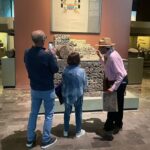
The museum tells its story fast. In three focused hours, you get a guided route through Mexico’s major Mesoamerican cultures and the artifacts that make the place famous, from the Sun Stone to the Coatlicue. I especially like how the guide explains symbolism you would miss on your own, and how the route blends indoor galleries with the museum gardens. The one catch: this tour intentionally covers a lot of big themes, so you may see only part of the museum and still want extra time afterward.
You’ll also feel the tour’s confidence. Guides like Edith G. (listed provider) and Hector (named in visitor feedback) are described as warm, question-friendly, and quick to connect objects to the people who made them.
If you’re hoping to read every label at your own pace, plan for a longer self-guided visit too. This is built to teach, not to let you linger.
In This Review
- Key things that make this tour worth your time
- Museum of Anthropology, in Three Hours: the Route That Makes Sense
- Meeting at the Entrance by the Mexican Flag: Start Easy
- Getting the Museum’s Purpose First: Construction, Meaning, and Why It Was Built
- Sun Stone and Coatlicue: Iconic Masterpieces and What They’re Saying
- Olmec Heads and Pakal’s Mask: Face Power Meets Meaning
- Teotihuaca, Mexica, Maya, Toltec, and Gulf of Mexico: How the Guide Connects Cultures
- Pace and Q&A: Learning Fast Without Feeling Rushed
- The Gardens Around the Museum: A Calm Pause With Context
- English Signage Limits: Why a Tour Matters for Non-Spanish Speakers
- Price and Value: Is $38 Fair for What You Get?
- What You’ll Do After the Tour: Plan for Extra Museum Time or a Late Meal
- Who This Tour Fits Best (and Who Might Want More)
- Should You Book This Museum of Anthropology Guided Tour?
Key things that make this tour worth your time
- Small group size (up to 8) keeps the tour interactive and easier to follow
- Federally guided English tour helps you understand what you’re looking at
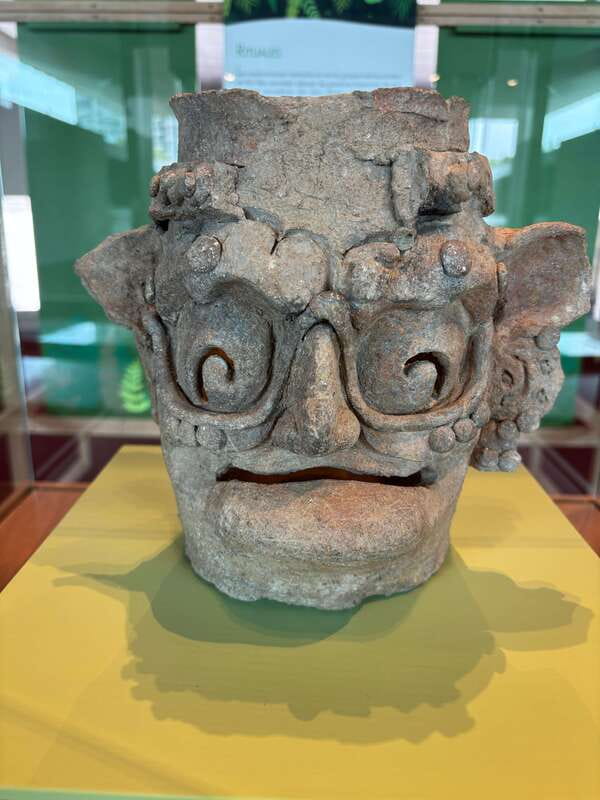
- Iconic stops including the Sun Stone, Coatlicue, Olmec heads, and the Mask of Pakal
- Culture coverage in one flow: Teotihuaca, Mexica, Maya, Toltec, and Gulf of Mexico traditions
- Museum gardens included, so the experience doesn’t end at the door
Museum of Anthropology, in Three Hours: the Route That Makes Sense
The Museum of Anthropology can feel big and slightly intimidating at first. You’ve got major galleries, famous sculptures, and plenty of details competing for your attention. This guided tour solves the problem with a clear path and a plan for what matters most.
The tour lasts 3 hours, and you usually have morning and afternoon options. That time box is actually helpful. It pushes you to see the big ideas—who these civilizations were, what they valued, and why the artifacts still matter—without getting lost in the museum’s sheer size.
Small group matters here. With a limit of 8 participants, you’re more likely to hear answers to questions you actually care about, instead of just listening to a monologue while you wait for the group to catch up.
You can also read our reviews of more guided tours in Mexico City
Meeting at the Entrance by the Mexican Flag: Start Easy
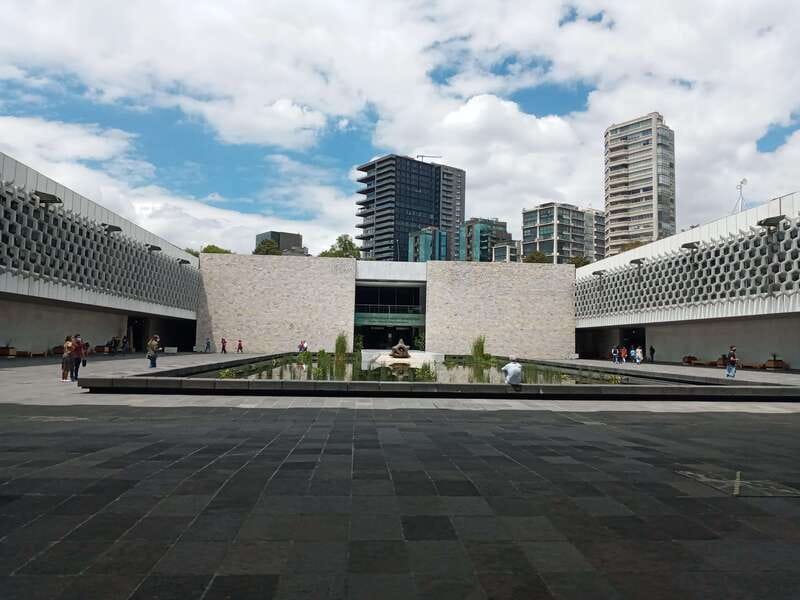
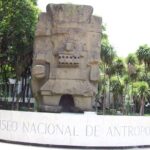
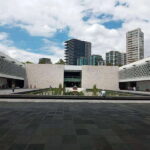
You meet at the entrance to the Museum of Anthropology next to the Mexican Flag. That’s a simple landmark, and it saves you from wandering around the exterior while you’re trying to get oriented.
Wear comfortable shoes. Museum walking adds up fast, and the gardens are part of the experience, not an optional stroll. Comfortable footwear also makes it easier to stand and look upward at larger sculptures, which you’ll do more than once.
If you’re traveling with family or friends, this meeting point also helps you keep everyone together. You’re not relying on vague directions or finding a specific booth.
Getting the Museum’s Purpose First: Construction, Meaning, and Why It Was Built
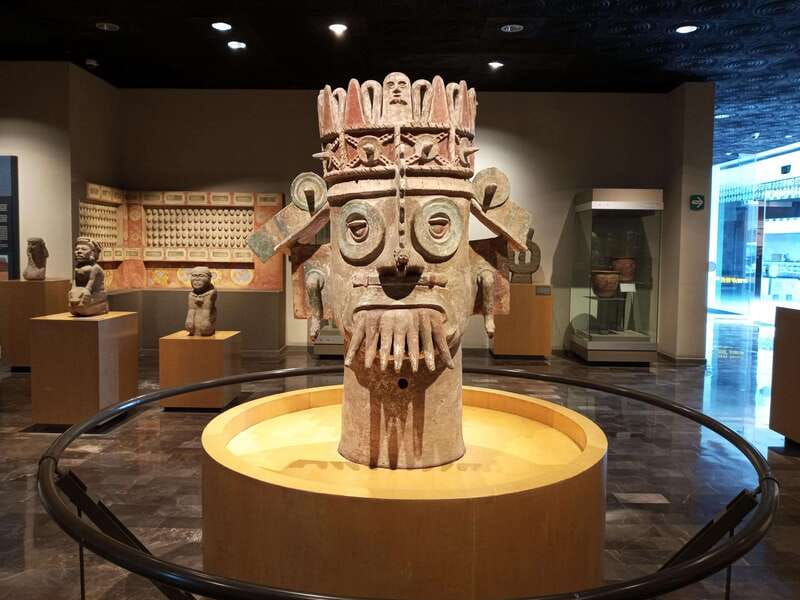
Before the tour races through famous objects, you’ll get context about how the museum was constructed and what it was meant to do. That matters more than you might think.
The Museum of Anthropology isn’t just a storage space for artifacts. It’s designed to help you understand regional histories and cultural connections across time. When you know the museum’s goal, you start reading the displays differently. You’re not just looking at cool statues. You’re seeing a curated story about ancient Mexico.
This is where the guided format helps most. On your own, it’s easy to treat the museum like a greatest-hits show. With the guide’s framing, you’re more likely to notice patterns, symbols, and themes that repeat across cultures.
Sun Stone and Coatlicue: Iconic Masterpieces and What They’re Saying
Some artifacts are famous for a reason, and this tour builds your attention around a handful of the museum’s biggest names.
You’ll spend time with the Sun Stone, one of the most recognizable objects in Mexico. The tour focus isn’t just the object’s appearance. It’s how the guide connects the imagery to older worldviews—how time, cosmos, and identity show up in art.
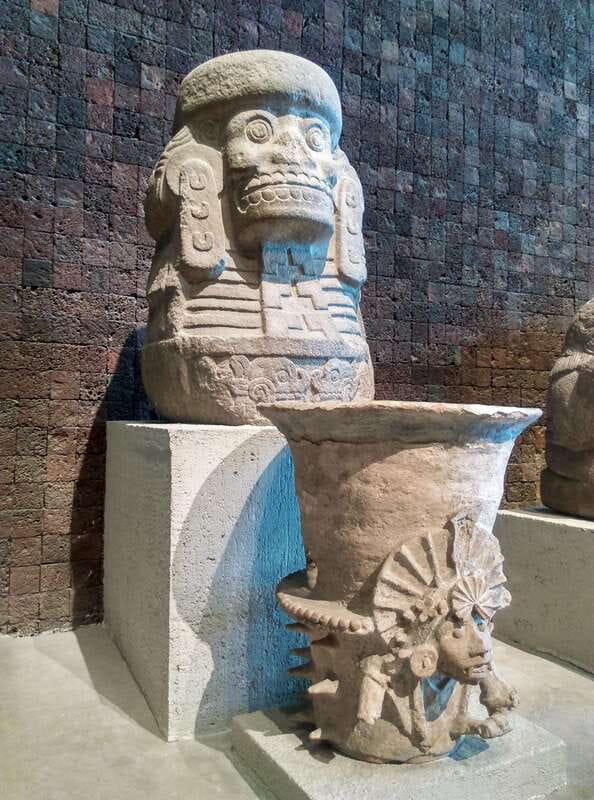
Then comes the Coatlicue, a work that can feel intense even if you’ve read about it before. A good guided explanation helps you move past the shock factor and toward understanding. You start to see how form, symbolism, and cultural meaning are tied together rather than separated.
This is one reason people love the experience: the guide doesn’t only describe. They interpret. And interpretation helps you avoid the most common museum trap—staring at something admired but not understood.
Olmec Heads and Pakal’s Mask: Face Power Meets Meaning
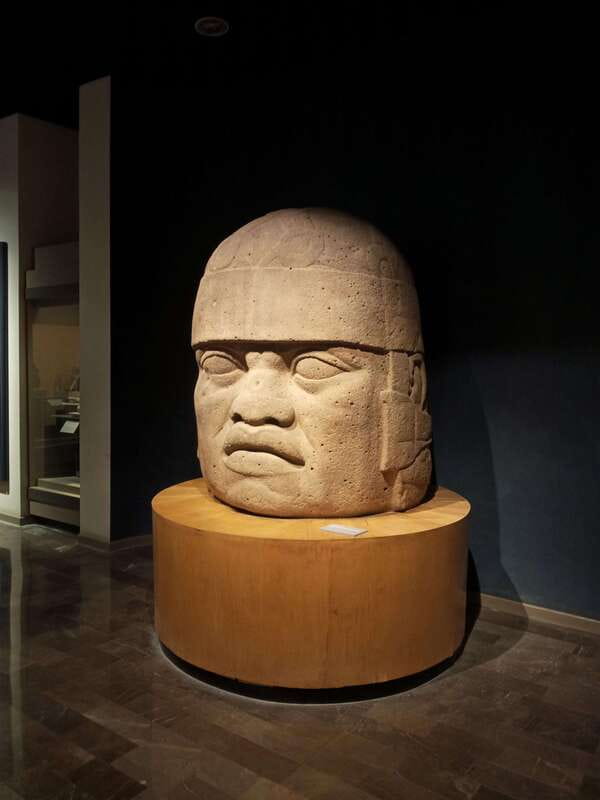
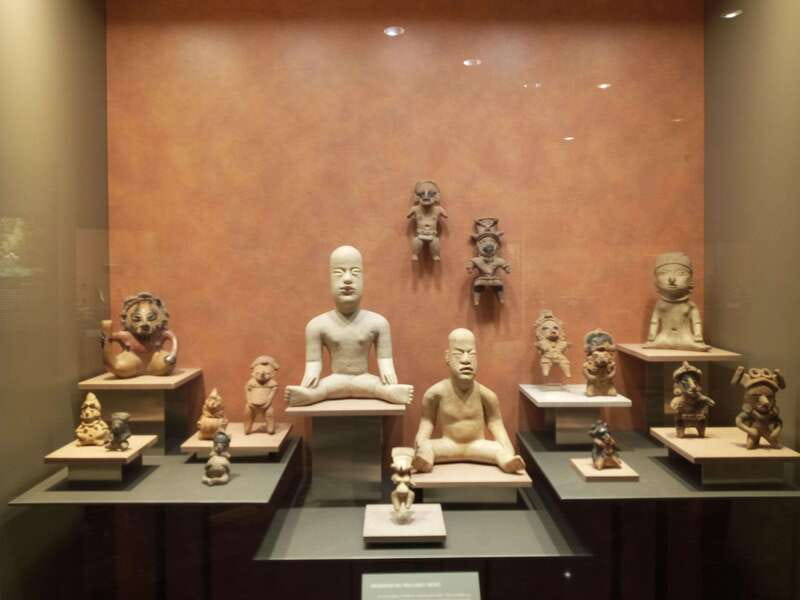
The tour also highlights major identity markers from older traditions, including the Olmec heads. Those heads are visually striking, yes. But in a guided setting, you’re more likely to understand why they’re central to discussions of early Mesoamerican cultures and artistic style.
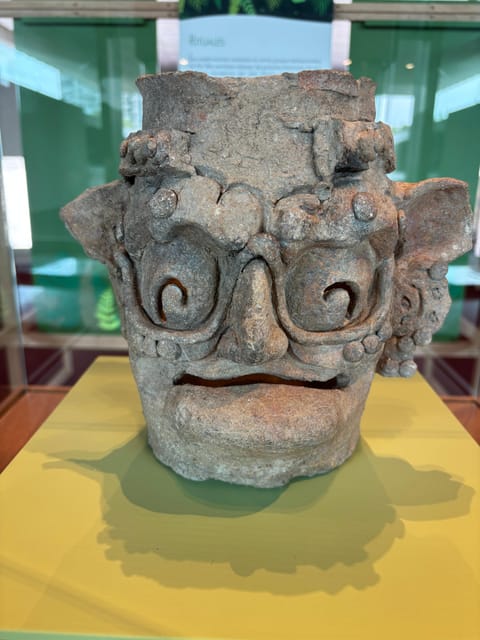
Another standout is the Mask of Pakal. This is the kind of piece that rewards close attention. The guide’s explanation helps you connect the mask to the person and the world around them—how rulers were represented and how symbolism communicated authority.
When the guide handles these objects with clear context, your brain does something useful. It stops treating each statue as a random highlight and starts treating them as parts of a larger system of meaning.
If you’re the type who reads lots of plaques, you may still want to do extra independent time after the tour. But even without deep reading, this route gives you enough background to make your later self-guided wandering more interesting.
You can also read our reviews of more museum experiences in Mexico City



Teotihuaca, Mexica, Maya, Toltec, and Gulf of Mexico: How the Guide Connects Cultures
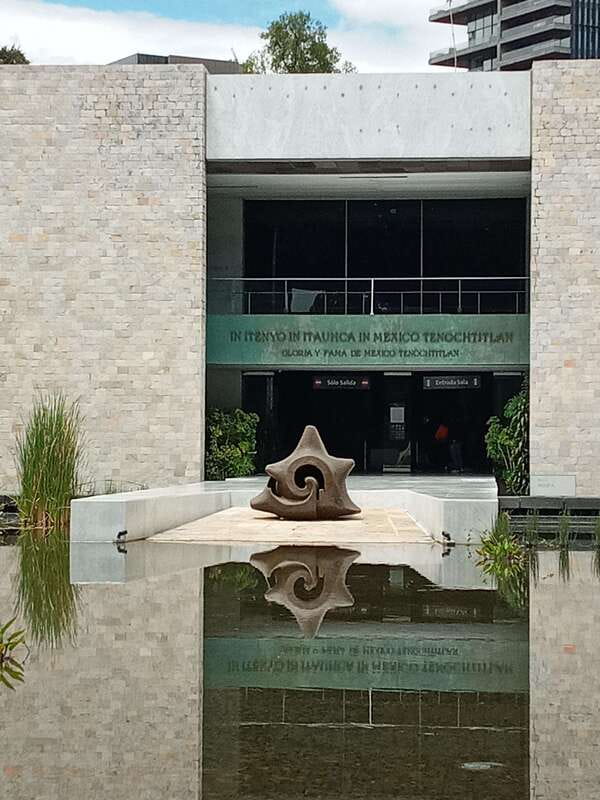
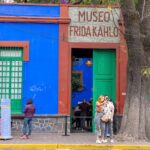
One of the strongest points is coverage across multiple regions and traditions. You’re guided through galleries tied to Teotihuaca, Mexica, Maya, Toltec, and Gulf of Mexico cultures.
What you get from a guide isn’t a textbook report. It’s the connecting thread. You learn how cultural practices show up in art, sculpture, and objects associated with power, belief, and daily life.
In other words, you’re not just learning names. You’re learning relationships. That’s why the tour can make you feel like the museum comes alive. Once you understand the patterns the guide is pointing out, you’ll start noticing similar symbols and themes elsewhere in Mexico.
Also, the guide uses the tour time to move from one culture’s major ideas to the next. That pacing matters because it prevents you from forgetting what you just learned while you’re walking across the building.
Pace and Q&A: Learning Fast Without Feeling Rushed
A repeated theme in feedback is that the tour time is used well. You get enough information to feel grounded, but not so much that your brain overheats.
Guides are described as answering lots of questions and then smoothly continuing the tour. That balance is a real talent. Museums can tempt guides to either rush or get stuck explaining one topic for too long. Here, the format keeps you moving while still giving you room to ask.
You should also be aware of one practical reality. The tour is designed to cover the main rooms and key artifacts. That means you’ll likely view only a portion of the museum’s full collection.
Some visitors specifically note that the shared knowledge is in-depth enough that they didn’t see every corner. That’s not a bad thing. It’s a signal you should consider adding extra time if you want to explore beyond the highlights.
The Gardens Around the Museum: A Calm Pause With Context
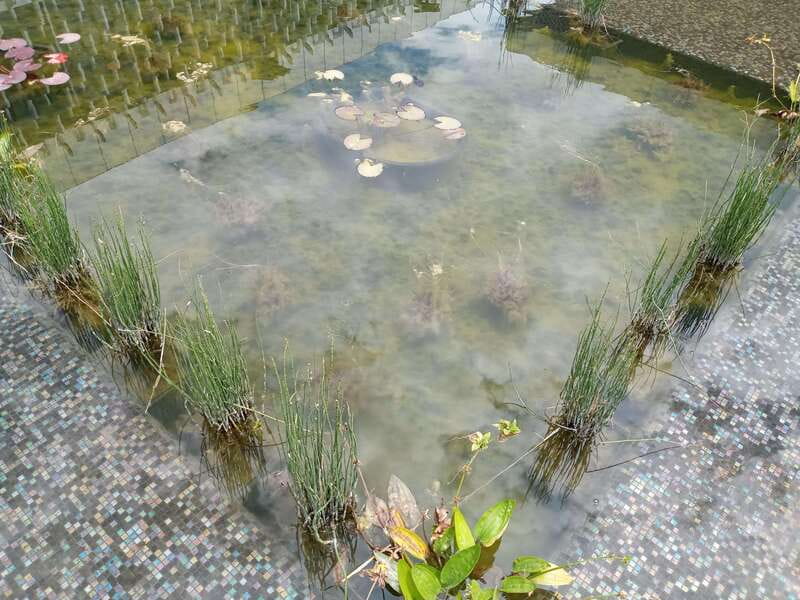
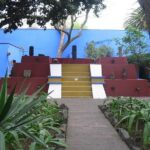
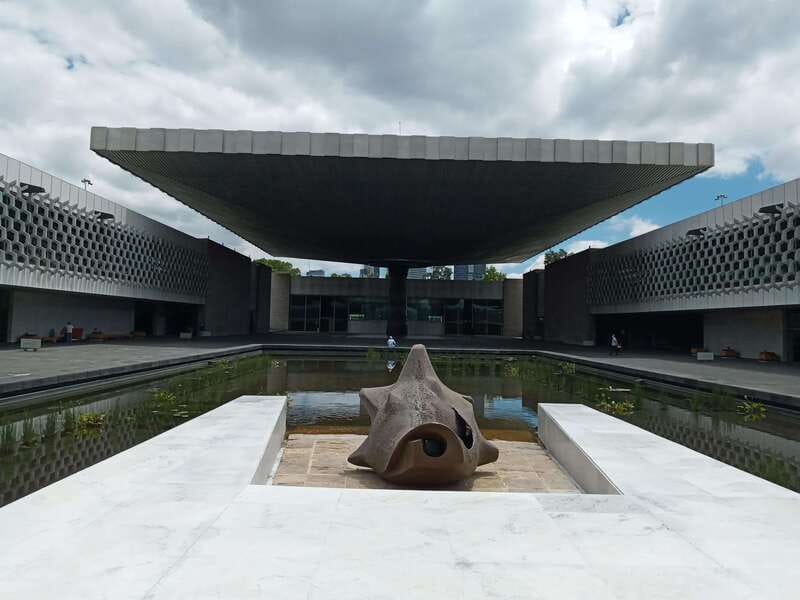
After the main galleries, you’ll tour the gardens that surround the museum. This isn’t just pretty landscaping. It completes the experience.
The outdoor paths help you reset your attention. After standing and looking upward at major sculpture, the gardens give you space to breathe and then re-enter the story with fresher eyes.
They also reinforce the museum’s design logic. The gardens complement the exhibition halls, creating a more harmonious flow between what you learn inside and what you sense around the building outside.
If you like museums that feel like a whole environment—not just rooms—this addition makes the tour feel less like a checklist and more like a thoughtful visit.
English Signage Limits: Why a Tour Matters for Non-Spanish Speakers
If you don’t read Spanish, plan on the guided component being a big help. Little of the museum’s signage is translated into English, so on your own you can miss the nuance behind the displays.
That’s where the English live guide becomes a practical advantage. You’re not relying on guesswork or translating in your head while you’re trying to keep up with your walking pace.
This tour is also small-group, which helps. You can ask for clarification without feeling like you’re interrupting a crowd. If you want to understand the symbols, symbolism, and cultural meanings behind what you see, this is the smarter route.
Price and Value: Is $38 Fair for What You Get?
At $38 per person for a 3-hour guided experience, you’re paying for more than entry. You’re paying for interpretation from a federal tour guide and a structured tour path.
The included items are straightforward: museum entrance and a guided visit by a federal tour guide. Food and souvenirs are not included, so think of this as a learning block you can pair with your own plans for a meal before or after.
Is it a bargain? It depends on how you like to travel. If you enjoy museums as self-guided walking with light reading, you might feel the cost is unnecessary. If you like to understand what you’re looking at—why a symbol appears, how cultures connect, what artifacts meant—then $38 can feel like good value.
The biggest value booster is the group size and pace. With a small group, a guide can tailor answers and keep the focus on meaning, not just description.
What You’ll Do After the Tour: Plan for Extra Museum Time or a Late Meal
This tour doesn’t promise to cover everything in the museum. In fact, the way it’s taught can make you want to see what you skipped.
If you want to keep exploring after the tour, you might find the museum’s dining setup useful. One visitor noted a late breakfast experience in the dining room after the tour, and also mentioned that lunch isn’t available until 1 pm. So if your tour ends mid-morning or early afternoon, you may need to adjust your eating schedule.
Think of it this way: the guided portion gives you a framework. Your extra time afterward fills in the details at your own pace.
And if you’re on a tight itinerary, you can still make the day work. You’ll leave with a strong understanding of the museum’s major highlights and cultural themes, even if you don’t see every gallery.
Who This Tour Fits Best (and Who Might Want More)
This is a great choice if you:
- want an efficient museum plan in 3 hours
- like symbolic explanations and cultural context, not just dates
- travel with non-Spanish speakers and want smoother understanding
- appreciate small groups and question-friendly guides
It may be less ideal if you:
- want to read every label and stay in one gallery for a long time
- have mobility constraints that make frequent movement harder (you’ll be walking through main rooms and gardens)
- expect a full scan of the entire museum collection during the tour window
If you fall into the second group, you can still book the tour for the big ideas, then add your own extra time on top.
Should You Book This Museum of Anthropology Guided Tour?
Book it if you care about meaning. The best part isn’t that you’ll see famous artifacts. It’s that a strong guide helps you understand why those artifacts matter and how different cultures link through symbolism and artistic choices.
Choose it especially if your Spanish is limited. The lack of English signage makes guided interpretation feel less like a luxury and more like the difference between seeing objects and understanding them.
I’d skip it only if you’re committed to a purely self-paced museum day and you’re happy reading what you can without translation support.
If you want a confident first visit that helps the museum click, this 3-hour tour is a smart way to get there.