REVIEW · FLORENCE
Florence: Firenze Card Official Museum City Pass
Book on GetYourGuide →Operated by Misericordia di Firenze · Bookable on GetYourGuide
A museum pass in Florence can save you real time. The FirenzeCard is the city’s official 72-hour ticket that bundles access to major museums so you can spend more hours looking and less time stuck in ticket lines.
What I like most is the priority access to the big names and the fact that you get into Uffizi Gallery and Accademia Gallery with the card (reservations still required). Second, I love that it’s built for planning: the pass is activated when you enter your first museum, so your 72-hour clock starts when you’re ready to go.
One drawback to plan around: the Uffizi and Accademia require reservations, so if you show up without timed entries, you can waste some of that advantage the pass is designed for.
In This Review
- Key things to know before you buy FirenzeCard
- What FirenzeCard really does for your Florence days
- Where you pick up the card (and why that matters)
- How the 72-hour clock works with priority entry
- Uffizi and Accademia: the two museums that need reservations
- Uffizi Gallery: plan for a timed entry focus
- Accademia Gallery: make room for David
- Brancacci Chapels and the “quality per hour” effect
- Building a smart 3-day game plan with a pass
- Day 1: activate early, then hit one reserved heavyweight
- Day 2: second reserved museum, then add a high-value artistic stop
- Day 3: use the pass for variety and fill gaps
- Discounts that actually help: where the card can offset costs
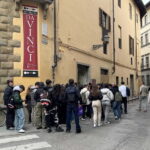
- Pickups, queues, and the reality of Florence crowding
- What it does for families (especially under-18 free entry)
- Who FirenzeCard fits best
- Price and value: is $110 for 72 hours a smart buy?
- Should you book FirenzeCard?
- FAQ
- Where is the FirenzeCard meeting point and how do I pick it up?
- When does my FirenzeCard become valid, and how long is it good for?
- Do I need reservations for Uffizi and Accademia?
- Is the Duomo complex included with the pass?
- What do I need to bring?
- Can I cancel after booking?
Key things to know before you buy FirenzeCard
- 72-hour validity starts on first entry into a museum, so pick your first stop wisely.
- Timed reservations are required for Uffizi and Accademia, and you must book the free reservation for children under 18 too.
- Meet-up pickup is specific: in front of Giotto’s Belfry, under a blue flag near the kiosk and ambulance.
- You get more than museums: card discounts at select shops and restaurants can help offset the cost.
- Not everything is included: the Duomo complex and transportation aren’t part of the pass.
What FirenzeCard really does for your Florence days
Florence is wonderful for art, but the logistics can be a little stressful. Lines can form fast, especially around the headline museums. FirenzeCard is designed to reduce that friction by treating museum entry like a package deal.
You’re buying a physical card with 72-hour validity. It covers entrance to Florence museums (the pass description says 60 museums), and it also includes priority entry for the most important venues. That priority piece matters most when you’re trying to see a lot in a short stay. If you’re only doing one museum, it usually feels like extra work. If you’re planning multiple stops—especially the classics—the pass starts to make sense.
The card is activated when you first use it at a museum entrance. After that, you have 72 hours to keep using it. This is simple in concept and powerful in practice: you’re not paying for days on paper. You’re paying for the moment you start seeing museums.
You can also read our reviews of more tours and experiences in Florence.


Where you pick up the card (and why that matters)
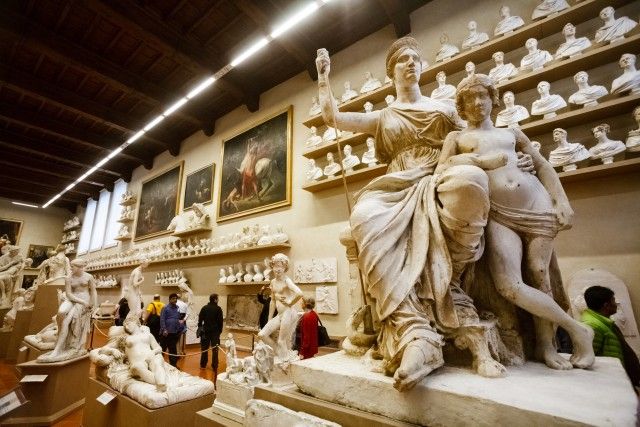
You’ll pick up your FirenzeCard in person. The meeting point is in front of Giotto’s Belfry, with the entrance area near the kiosk and an ambulance, under a blue flag. You exchange your voucher at the ticket counter.
Why do I care about this? Because Florence can be confusing when you’re carrying a plan and your first museum is waiting. If you want your card to work its magic, you’ll want your pickup done quickly and then move straight to your first reserved museum or planned entry.
Also, there’s a useful extra detail: the meeting point includes toilet access. That sounds small, but it helps on a day where you’ll be hopping between major sights.
How the 72-hour clock works with priority entry
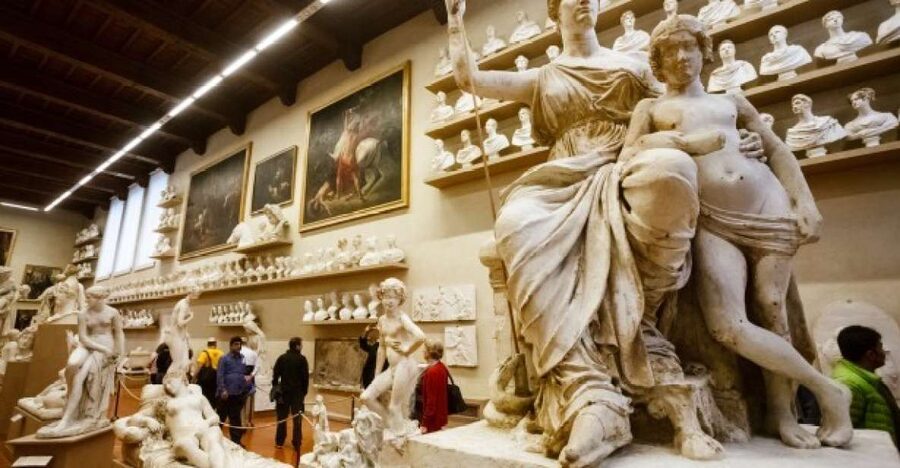
This part is the make-or-break of using the FirenzeCard well. The card is activated at your first entry into a museum. From that point, it’s valid for 72 hours.
So instead of counting days by the calendar, think in terms of your museum rhythm. If you activate it late in the day, you’re shortening the effective time you have for the highlights. If you activate it in the morning, you usually get far more value.
Plan for the headline museums to take your first priority. The card is most valuable when you’re using it at the museums that are most likely to have crowd pressure and ticket-line stress.
Uffizi and Accademia: the two museums that need reservations
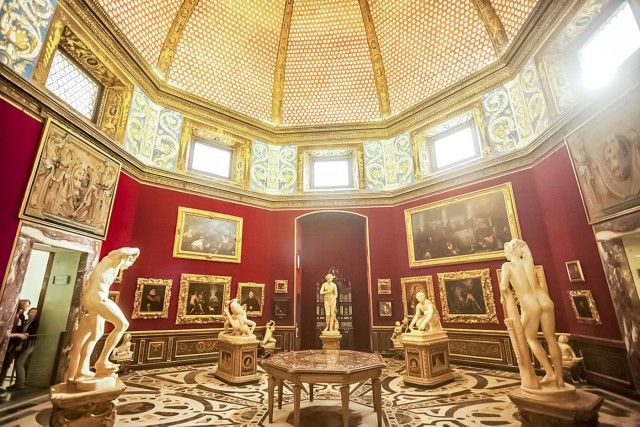
If there’s a single lesson here, it’s this: treat Uffizi Gallery and Accademia Gallery as your reserved anchor stops.
The pass says reservations are required for both. And it also says the free reservation must be made for children under 18 who are traveling with the cardholder. That’s important if you’re traveling with kids—don’t assume the card alone automatically smooths everything out for them.
Uffizi Gallery: plan for a timed entry focus
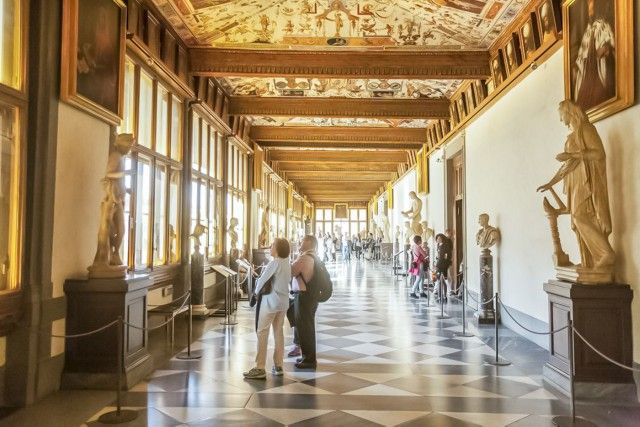
Uffizi is one of those museums where you can easily spend more time than you intended. A timed entry helps you structure the day. With FirenzeCard, you’re using the system designed to prevent the ticket-line headache, but you still need that booked time slot so you can walk in efficiently when your window opens.
A practical approach: choose a few sections to prioritize rather than trying to see everything. The card helps you get there faster; your strategy helps you see what you came for.
You can also read our reviews of more museum experiences in Florence


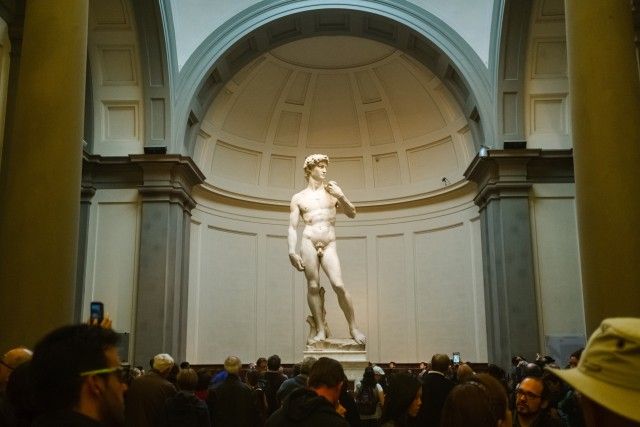
Accademia Gallery: make room for David
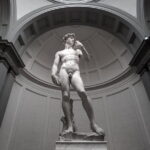
Accademia is famous for David, and it’s also the kind of stop where crowds can change the vibe quickly. Having your reservation organized reduces the risk that you’ll lose time and end up with a late-day compromise.
If you’re building a 3-day museum plan, I like pairing Accademia with other included options nearby afterward, so you’re not jumping all over town. Florence rewards route planning, and the pass is at its best when your day stays connected.
Brancacci Chapels and the “quality per hour” effect
The pass description calls out the Brancacci Chapels as one of the venues where you can see major masterworks. That’s exactly the kind of included stop that can make the pass feel like more than just a ticket bundle.
Here’s the key idea: with a museum pass, you’re buying time. Priority entry and card entry help you spend your limited vacation hours inside museums instead of in lines. Smaller, high-impact stops like the Brancacci Chapels can improve your museum-to-walk ratio, especially if you’re trying to get the most art for your schedule.
Building a smart 3-day game plan with a pass
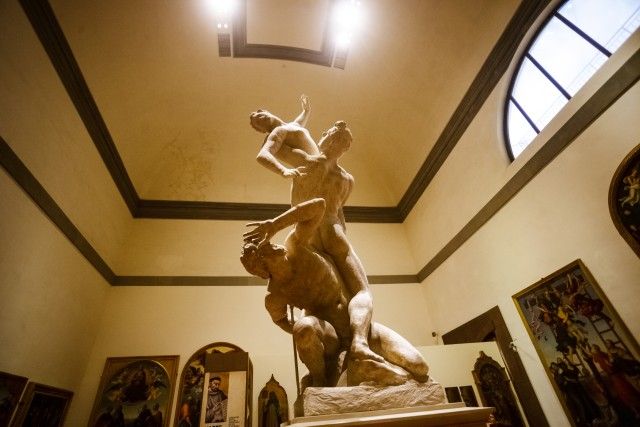
FirenzeCard is valid for 72 hours, but it’s not tied to a guided itinerary. You’ll do best by thinking like a planner, not like a spectator wandering randomly.
Day 1: activate early, then hit one reserved heavyweight
Your best move is to activate the card on your first museum entry and use that day to lock in one of the reservation-heavy highlights. Start with either Uffizi or Accademia, depending on which timed slot you have.
Once you’re in the museum loop, use the rest of the day to add other included sites you can reach without wasting time on long hops. Since the pass covers entrances to many museums across the city, you can keep your day flexible if you decide you want a shorter or longer museum experience than expected.
Day 2: second reserved museum, then add a high-value artistic stop
On day two, schedule the other reserved museum. Since both Uffizi and Accademia require reservations, you’ll want to spread them across your 72-hour window rather than trying to force both into one day.
Afterward, this is a good day to add something like the Brancacci Chapels if it fits your route. It’s the kind of stop that can feel satisfying even if your energy level is not. Florence days can run hot and long, and a pass helps you keep going without constantly calculating ticket logistics.
Day 3: use the pass for variety and fill gaps
By day three, you’ll usually know what kind of Florence visitor you are. If you love big museums, you can use your remaining card time to target other included museums. If you want variety, you can mix major stops with smaller ones.
Also remember what’s not included. The Duomo complex isn’t part of the pass, so if you want that experience, plan it separately and don’t count on the FirenzeCard to cover entry there. The pass is museum-first.
Discounts that actually help: where the card can offset costs
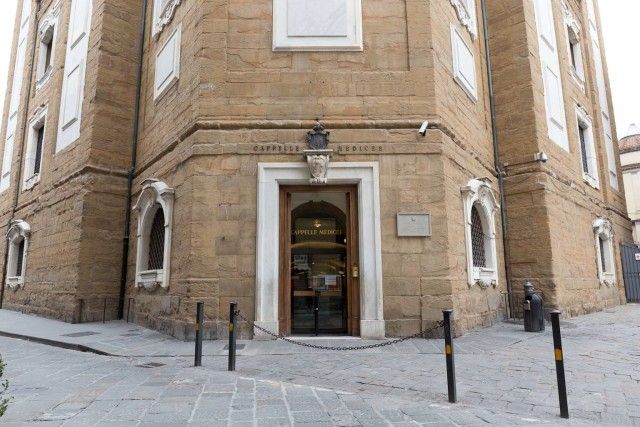
FirenzeCard isn’t only about museum entry. It also includes select discounts at specific places:
- Hard Rock Shop (10% discount), excluding limited edition and charity items
- Hard Rock Cafe Restaurant (10% discount), on the a la carte menu and excluding alcohol
- Andrea Sassi (15% discount) on clothing store purchases
- Enrico Verità (5% discount) watch shop purchases
- Residenza dei Pucci (10% discount)
- P&P Style (10% discount) for hair and beauty
These won’t turn the pass into a free deal by themselves, but they can make a difference if you were already planning a meal or a shopping stop in those areas. If you’re doing at least a couple of big museum entries, these discounts are nice add-ons instead of part of the core value argument.
Pickups, queues, and the reality of Florence crowding
The FirenzeCard is built to help you avoid the annoying moments: confusing ticket lines, unclear entry points, and repeated payment stops. Priority entry is the main reason you feel the benefit, especially on the days you want to see the most.
That said, the pass still depends on you being organized about reservations for Uffizi and Accademia. Think of it this way: the card helps you move faster once you’re in the system. Reservations are what put you in that system.
So if you’re the type who loves to wing it, you’ll need at least a little planning here. Get your reservation windows lined up, then enjoy the freedom the card gives you.
What it does for families (especially under-18 free entry)
If you’re traveling with kids, FirenzeCard has a big advantage. The pass provides free entrance for people under 18 when accompanied by a cardholder.
But there’s a key “don’t miss this” detail: you also have to make the free reservation for children under 18. That means your reservation planning isn’t just for adults’ timed entries—it includes your kids’ slots too.
If you’re a family looking to see multiple major museums in a short time, this is where the value can jump. In a city where entrance fees stack up quickly, free entry for kids changes the math.
Who FirenzeCard fits best
This pass is a strong match when you:
- Plan to see multiple museums across a 3-day window
- Care about the big-ticket art stops like Uffizi and Accademia
- Want a simpler “one card, many entries” approach to reduce ticket-line stress
- Are traveling as a family with at least one child under 18
It’s likely less ideal if you:
- Only want one museum and then mostly want to wander outdoor neighborhoods
- Haven’t planned timed entry reservations for the Uffizi and Accademia
Price and value: is $110 for 72 hours a smart buy?
At $110 per person for 3 days, FirenzeCard is priced like a bundle meant for active museum days. Whether it’s worth it comes down to how many major entrances you’ll use within the 72-hour window.
Here’s the practical way to judge it: if you’re aiming for at least a couple of the most famous museums plus additional included sites, the pass usually feels like a bargain compared with paying one entrance at a time. The priority entry helps you protect time, and time is often the scarcest resource on a short Florence trip.
On the other hand, if your plan is light on museums or you’re missing reservations and losing entry windows, you might end up paying for a pass you didn’t fully use. This is why your first decision—what museum you enter first—matters.
Should you book FirenzeCard?
If your Florence plan includes Uffizi and Accademia, and you’re willing to handle reservations for those two, I think FirenzeCard is a smart booking. It’s especially worth it when you want to pack in art efficiently and avoid the time sink of ticket lines.
Book it if you’re the type who wants to hit the classic museum targets and then add a few more included stops. Skip it only if your trip is mostly about wandering streets and viewpoints, with few museum commitments—because then the pass becomes extra moving parts instead of a shortcut.
FAQ
Where is the FirenzeCard meeting point and how do I pick it up?
You meet in front of Giotto’s Belfry. The entrance is near the kiosk and an ambulance, under a blue flag. You exchange your voucher at the ticket counter.
When does my FirenzeCard become valid, and how long is it good for?
The card is activated the moment you first enter a museum. It is valid for 72 hours from that first activation.
Do I need reservations for Uffizi and Accademia?
Yes. Reservations are required for the Uffizi Gallery and the Accademia Gallery. A free reservation must also be made for children under 18 traveling with the cardholder.
Is the Duomo complex included with the pass?
No. Transportation and the complex of the Duomo are not included in the ticket.
What do I need to bring?
Bring your passport or ID card.
Can I cancel after booking?
Free cancellation is available up to 24 hours in advance for a full refund.