REVIEW · PARIS
Entry Ticket for Paradox Museum Paris
Book on Viator →Operated by Paradox Museum Paris · Bookable on Viator
A museum that plays tricks on your brain. At Paradox Museum Paris, I like how you can step into hands-on paradox rooms and see how sight, touch, and your brain disagree. It’s also the kind of place where your photos actually look like science fiction, because the illusions are built for your camera.
I also like that the visit feels flexible. This is a private experience where you can choose your time, then wander at your own pace for about 90 minutes. The main drawback to consider: a few exhibits aren’t suitable if you have sensitivity to light or epilepsy, and the museum may not always have enough staff to explain every trick or help with photos.
In This Review
- Key Highlights You Should Know Before You Go
- Paradox Museum Paris: A 90-Minute Playground for Your Senses
- Ticket Setup: Mobile Entry, Chosen Times, and Pre-Booked Convenience
- What Actually Happens Inside: The Paradox Rooms Explained Without the Lecture
- Stop One: Paradox Museum Paris and the Best Ways to Move Through It
- Ames Room and Hanging-Room Illusions: The Photo Moments Worth Chasing
- Family-Friendly Science: What Kids Love and What Adults Get
- Staff Help and Expectations: Fun Is Guaranteed, Explanations Vary
- Price and Value: Is $33.11 Worth Your Time in Paris?
- Location and Timing: Make It a Smart Paris Stop
- Tips to Get the Most From Your Visit
- The Museum Shop and Keepsakes
- Should You Book Paradox Museum Paris Tickets?
- FAQ
- How long is the Paradox Museum Paris visit?
- Is this ticket for a specific time slot?
- Is the entry ticket mobile?
- Is the experience available in English?
- What’s included with the ticket price?
- How far in advance should I book?
- Are service animals allowed?
- Are all exhibits safe for everyone?
- Is the museum near public transportation?
- What happens if weather is bad?
Key Highlights You Should Know Before You Go
- Pick your arrival time with a private, self-paced visit format
- Mobile ticket entry means less fuss when you arrive
- Ames Room-style illusions and hanging-room effects deliver big wow moments
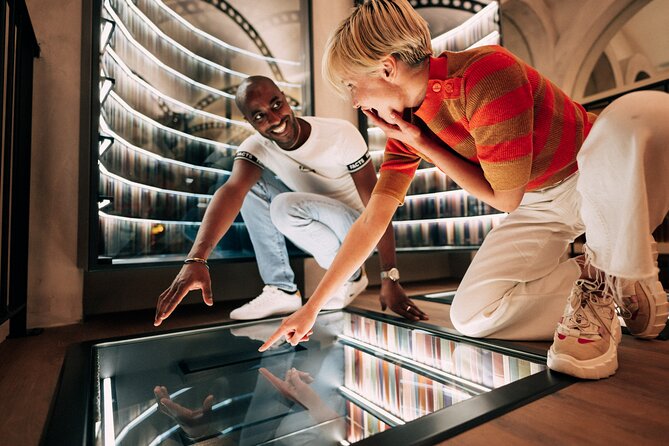
- Interactive, sensory paradoxes that connect fun with science ideas
- Photo-friendly layouts designed for dramatic, believable optical effects
Paradox Museum Paris: A 90-Minute Playground for Your Senses
Paradox Museum Paris is an interactive science-and-imagination museum. Think of it as a walk through experiments that show how your brain can be fooled by visual and tactile cues—sometimes instantly. The goal isn’t quiet studying. It’s laughing, testing, and asking why reality feels different once you’re standing inside the setup.
Your visit runs around 1 hour 30 minutes. That timeframe matters because the museum is made of short, impactful experiences. If you try to rush, you’ll miss what makes each room click. If you plan to linger, you can keep moving without feeling trapped in a long, slow exhibition.
You’ll also want to mentally switch from museum mode to “lab mode.” Many of the exhibits work best when you stop, position yourself, and let the trick happen. That means you’ll spend less time reading text and more time paying attention to what you feel and see.
A few more Paris tours and experiences worth a look



Ticket Setup: Mobile Entry, Chosen Times, and Pre-Booked Convenience
This ticket is designed for easy entry. You get a mobile ticket, and confirmation arrives at booking time. That’s a real help in Paris, where small delays can throw off your whole schedule.
The other big perk is time choice. The experience is private, so you can come at whichever time works best for your day. If you’re doing other things nearby, this flexibility makes the museum feel like a plug-in stop rather than a rigid appointment.
Plan around transport too. The museum is near public transportation, so it fits well with walking and subway/bus days. One more heads-up: the experience requires good weather. That’s not what you’d expect from an indoor museum, but it’s listed as a condition—so if weather is rough, keep an eye on day-of updates.
What Actually Happens Inside: The Paradox Rooms Explained Without the Lecture
The core of Paradox Museum Paris is simple: it’s built to make you experience paradoxes. Not the philosophy kind in dusty books. The practical kind—situations where what you think should happen doesn’t match what your senses report.
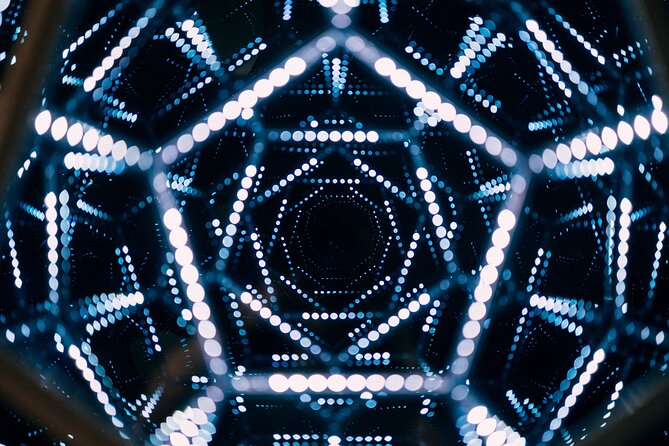
You’ll encounter exhibits inspired by paradoxes, with more than 90 interactive experiences. The museum mixes perception tests, sensory illusions, and hands-on setups. The idea is that your brain is an interpreter, not a camera. When the inputs are manipulated—light, angles, scale, touch cues—it can produce a result that feels totally real, even when it’s not.
This is where I think the value really lives for most visitors. You don’t just see an optical effect. You perform it. You take the pose. You move your hand. You stand where the room wants you to stand. When you do that, the “how did that work?” feeling sticks with you longer than any diagram would.
Also, the museum is designed to be friendly for different ages. It’s interactive enough for kids, but the science concepts are built in so adults don’t feel like they’re babysitting. The result is a place that feels like play—but still teaches you something about perception.
Stop One: Paradox Museum Paris and the Best Ways to Move Through It
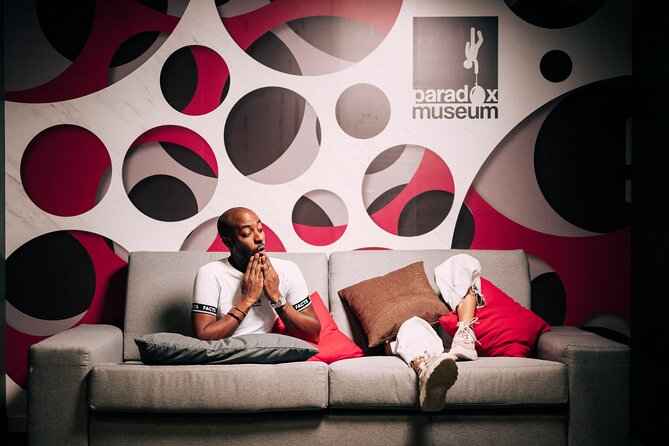
Because there’s one main stop, the “itinerary” is really your path inside the museum. You’ll enter the Paradox Museum Paris space and then work through a sequence of themed rooms. The pacing is on you, which is great if you travel with different energy levels. One person wants photos; another wants to test every interaction. You can split your attention and regroup without feeling rushed out the door.
Here’s the practical way to enjoy it:
- Start with the biggest illusion rooms early, when you’re freshest.
- After that, slow down for the tactile or body-position exhibits.
- Save the final photo-heavy areas for when you’re ready to linger.
You’ll likely find that some rooms are more camera-friendly than others. That’s normal. The museum builds certain illusions around perspective, scale, and viewer location, which is exactly why people get those dramatic, believable images.
One more detail: the museum positions itself as an interactive experience full of paradox. That can mean you should expect a lot of “try this” moments rather than guided storytelling. If you want extra explanation, you might not always find someone right in your face to break down every mechanism. The upside is that the experience is still fun even when you figure it out yourself.
Ames Room and Hanging-Room Illusions: The Photo Moments Worth Chasing
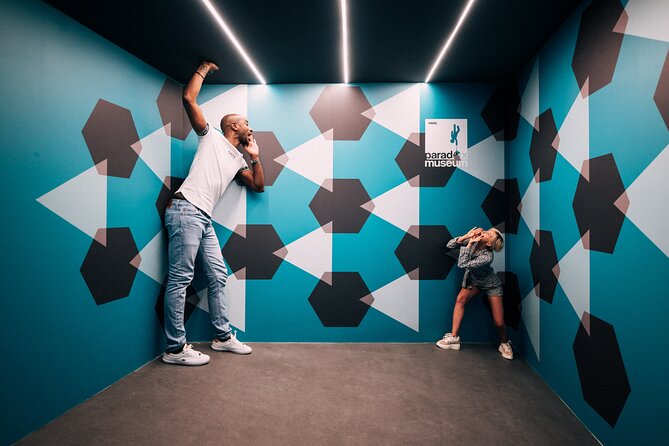
Ames Room-style illusions and hanging-room setups are specifically called out as standouts. And it makes sense. These are the kinds of exhibits where the geometry tricks your brain immediately—often the moment you step into place.
Why these work so well:
- They rely on perspective and proportion tricks.
- They create a strong visual contrast for photos.
- They feel playful because your body becomes part of the illusion.
If you’re going for pictures, don’t treat it like a quick stop. Take a minute. Wait for the right angle. Then pose, shoot, adjust, repeat. A lot of the fun is in testing the effect—watching how small movements change what your eyes tell you.
Also, these are great for groups. Two people can “break reality” together in the same frame. It’s the kind of museum moment you’ll want to share, because friends will think it’s edited.
You can also read our reviews of more museum experiences in Paris






Family-Friendly Science: What Kids Love and What Adults Get
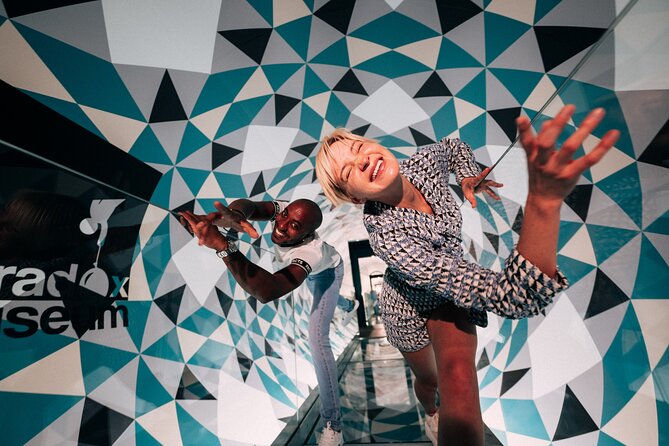
The museum is a strong pick for families because it’s built around curiosity and physical interaction. Kids aren’t just looking; they’re doing. That naturally turns the museum into a game, not a chore.
In the best moments, the museum delivers “laugh, have fun, learn.” You’re not sitting through lectures. You’re exploring how senses can be deceived by a mix of visual and tactile stimuli. That’s a friendly gateway for young minds, but it still offers adults enough substance to feel it’s more than cheap entertainment.
If you’re traveling with different ages, this is a good divide-and-conquer type of outing. One person can focus on the dramatic optical rooms, while another family member enjoys hands-on sensory exhibits. Then you compare results and swap roles.
Just remember the health consideration. Some exhibits aren’t suitable if you have sensitivity to light or epilepsy. Warnings are correctly displayed. If that’s relevant for your group, take those warnings seriously and consider skipping certain sections so everyone can enjoy the museum comfortably.
Staff Help and Expectations: Fun Is Guaranteed, Explanations Vary
The overall vibe is highly social and interactive. Many visitors describe the staff as excellent. That matters, because staff can help you get the most out of each experience—especially if you want help with how to pose or what to look for.
At the same time, there’s a fair caution: the museum can feel a bit light on staff for explanations and photo assistance when it’s busy. You might not get a full breakdown of each exhibit on demand. If that would bother you, plan to approach the exhibits like a DIY experiment. You can still have a great time just by trying, watching what changes, and using the exhibit’s cues.
The best mindset here is curiosity over instruction. You’ll get more out of the museum if you treat it like a series of small challenges. Even if nobody explains every trick, your brain will keep working on the mystery.
Price and Value: Is $33.11 Worth Your Time in Paris?
At about $33.11 per person, this ticket isn’t the cheapest add-on in Paris. But it’s not overpriced for what you get either—especially if you value interactive fun over passive sightseeing.
You’re buying:
- Around 1 hour 30 minutes of hands-on experiences
- Access to more than 90 interactive exhibitions themed around paradox and perception
- A self-paced, private format where you can visit at a time that fits your day
- A photo-friendly museum designed for dramatic, memorable images
When the experience hits well, it’s exactly the kind of attraction that feels like money well spent. Several positive notes emphasize how fun it is for families and how memorable the photos turn out to be.
The rating is also mixed enough to keep expectations realistic. A score around 3.1 (from many ratings) suggests some people feel the experience is cool but not always fully supported by staff. That doesn’t ruin the museum, but it can change how “smooth” it feels.
My practical take: it’s worth it if you want an active, playful museum stop. If you prefer quiet galleries and detailed docent storytelling, you may need to adjust your expectations.
Location and Timing: Make It a Smart Paris Stop
Paradox Museum Paris works best as a mid-day or late afternoon activity, especially when you want something indoors and different from the usual big landmarks. Since it’s near public transportation, it’s easy to slot into an itinerary without long detours.
Because you can choose your time, you can also avoid the worst feeling crowds by picking a slot that matches your schedule. If you travel with kids, I’d aim for a time when they’re energetic and not already museum-tired from earlier stops.
Give yourself breathing room around the 90-minute mark. Even if you’re a fast mover, it helps to arrive ready to play. If you’re late, you may feel pressured and skip the best illusion steps.
Tips to Get the Most From Your Visit
A few small choices can make a big difference here.
- Go in with a camera plan. Some exhibits are built for dramatic perspective. If you wander without thinking about photos, you may forget shots you really wanted.
- Try the same pose twice. Optical illusions often depend on position. One quick adjustment can flip the effect.
- Let tactile exhibits be tactile. Don’t hover like it’s a display case. If the exhibit wants your hand, use it.
- Watch for the light/epilepsy warnings. Take them seriously and steer around anything that doesn’t feel safe for your group.
- Set expectations on explanations. If you find staff, great. If not, keep experimenting. The museum is designed for you to figure things out.
If you need a break after an energetic set of rooms, plan to slow down and reset. Interactive museums can feel stimulating, even when they’re fun.
The Museum Shop and Keepsakes
There’s also a museum shop stop built into the experience. Some visitors specifically call out the gift store as good quality and mention a welcoming shop team. If you love souvenirs that match the theme—perception tricks, science-y fun—this is the place to wrap your visit with something you’ll actually keep.
Should You Book Paradox Museum Paris Tickets?
Book it if you want a high-energy, hands-on museum that turns you into part of the experiment. If you’re traveling with kids, it’s a particularly good match because it’s playful without being empty. It’s also a great fit if you like photo-worthy optical illusions and you’re the type who enjoys testing and re-testing an effect.
Skip it or think carefully if you’re sensitive to light or you have epilepsy concerns that might relate to certain exhibits. Also, if you hate DIY experiences and you rely on heavy staff guidance, you might feel a little frustrated when explanations are limited.
If you’re on the fence, a simple rule helps: if you enjoy interactive puzzles and seeing how your senses can be fooled, you’ll get your money’s worth from Paradox Museum Paris.
FAQ
How long is the Paradox Museum Paris visit?
Plan for about 1 hour 30 minutes.
Is this ticket for a specific time slot?
Yes. This is a private experience where you can choose whichever time you want to visit.
Is the entry ticket mobile?
Yes, the ticket is delivered as a mobile ticket.
Is the experience available in English?
The experience is offered in English.
What’s included with the ticket price?
An admission ticket is included.
How far in advance should I book?
On average, this is booked about 17 days in advance.
Are service animals allowed?
Yes, service animals are allowed.
Are all exhibits safe for everyone?
Some exhibits are not suitable for people with sensitivity to light or suffering from epilepsy. Warnings are displayed.
Is the museum near public transportation?
Yes, it’s near public transportation.
What happens if weather is bad?
This experience requires good weather. If it’s canceled due to poor weather, you’ll be offered a different date or a full refund.