REVIEW · ATHENS
Athens: Acropolis, Parthenon & Acropolis Museum Guided Tour
Book on GetYourGuide →Operated by Athens Walks Tour Company · Bookable on GetYourGuide
Acropolis makes more sense with a guide. This guided walk turns the big stops at the Acropolis into a readable timeline, and it is built for real viewing time with hearing devices so you catch the guide’s story even when the wind and crowds get loud. You start with sweeping looks over Athens, then move temple by temple toward the Parthenon.
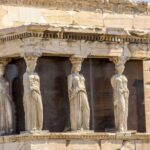
What I love most is the way the route spotlights the Caryatids at the Erechtheion and uses the Theatre of Dionysus to explain why this hill mattered to everyday Greek life, not just sculpture. Pair that with the option to visit the Acropolis Museum, and the museum stops you from leaving with a bunch of impressive rocks and no context. One consideration: the climb and uneven stone are very real, and you still need to budget for entrance tickets on top of the tour price.
In This Review
- Key highlights worth your attention
- Why a guided Acropolis walk beats wandering uphill
- Meeting at Athens Walks on Porinou 5 and settling in
- The first big wow: Theatre of Dionysus views and the idea of citizenship
- From Temple of Athena Nike to the Propylaea gateway
- Erechtheion Porch and the Caryatids: how to look without getting lost
- Parthenon time: what your guide will help you actually see
- Acropolis Museum: why the modern galleries change the whole visit
- Monday swap: museum closes at 16:00 and Ancient Agora enters the plan
- Tickets and price: what you really pay for
- Who should book this Acropolis + Museum tour
- Should you book this tour?
- FAQ
- How long is the Acropolis, Parthenon & Acropolis Museum guided tour?
- What is included in the tour price?
- Are entrance tickets included for the Acropolis and the Acropolis Museum?
- Where do I meet the guide?
- What languages are available for the live tour?
- Is the Acropolis Museum included every day?
- Is this tour suitable for wheelchair users?
- Do you provide hearing devices and what group setup should I expect?
Key highlights worth your attention
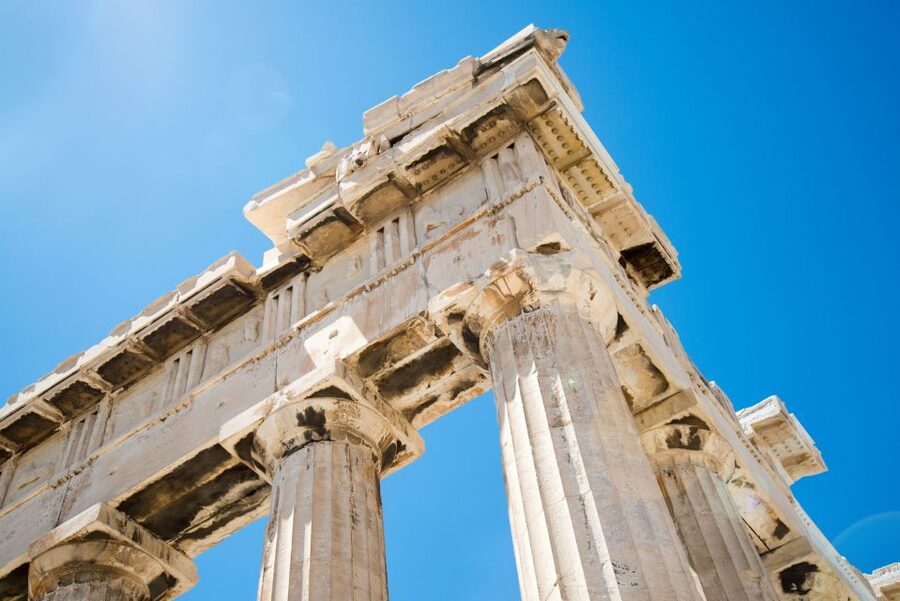
- Licensed guide storytelling that links gods, politics, and art into one walkable narrative
- Hearing devices so your group can stay together and you can actually follow the explanations
- Must-see monuments in a smart order, from Temple of Athena Nike to the Erechtheion and the Parthenon
- Acropolis Museum option when it is open, with modern galleries that make the sculptures easier to understand
- Monday museum schedule switch to monuments plus the Ancient Agora (museum closes at 16:00)
- 2 to 4 hours of focused time on-site, instead of wandering and guessing
Why a guided Acropolis walk beats wandering uphill
The Acropolis is famous for a reason. Still, it can feel like you’re staring at giants with a guess-and-check approach: which building is which, and why anyone cared in the first place.
A licensed guide fixes that fast. They help you connect what you see to what it did—religion, civic pride, theater, and power—all stacked across centuries. On this tour, you also get frequent pauses for city views and photo moments, so the walk is not just a “keep moving” scramble.
If you want proof that the guide matters, look for the pattern in the guides people rave about: Elizabeth and Alina are praised for myth and historical context that clicks, Hermes for quick wit and satisfying questions, and Maria for being patient and flexible when heat or kids slow things down. That is exactly what you want on this hill: not a lecture, but a clear story you can picture.
You can also read our reviews of more guided tours in Athens

Meeting at Athens Walks on Porinou 5 and settling in
You meet at the Athens Walks office at Porinou 5, 11742, at street level (ground floor). Plan to arrive at least 15 minutes early. It is not just for timing; it helps you get your hearing devices, get sorted into your group, and start the walk calm instead of flustered.
A small but helpful detail: only one person from your group needs to check in indoors. After that, you’ll be assigned with a group and equipped with hearing devices, which can be a big deal on the Acropolis when wind, footsteps, and other tours compete for your attention.
No pickup or drop-off is part of the deal. So if you’re coming by taxi, metro, or foot, give yourself a little cushion to reach Porinou Street without rushing.
The first big wow: Theatre of Dionysus views and the idea of citizenship
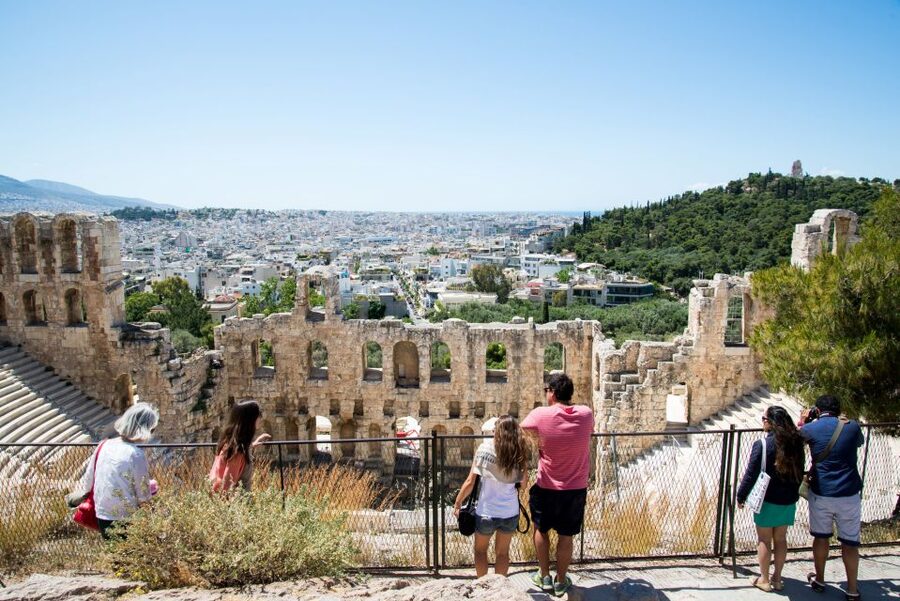
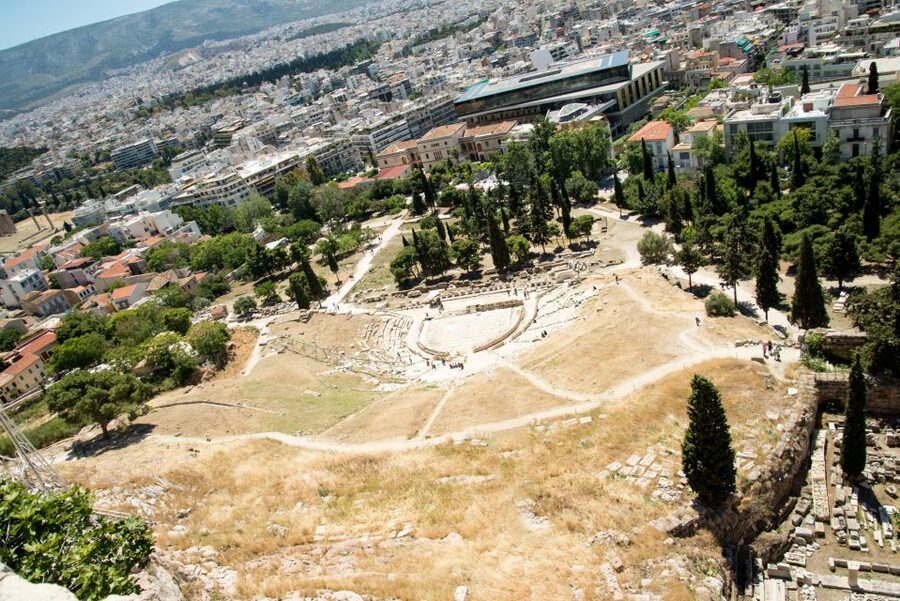
One of the smartest things about this tour is that it doesn’t start by pretending the Acropolis was only temples and marble. Early on, the guide frames the hill as a stage for civic life—especially through the Theatre of Dionysus, often described as the first theater of humanity in this classic-history storytelling.
Why this matters to you: when you understand that performance and public speech were political tools, the later monuments start to feel less random. You stop thinking of the Parthenon as a lone masterpiece and start seeing it as part of a system—where worship, leadership, and public culture all shared the same stage.
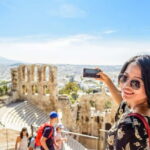
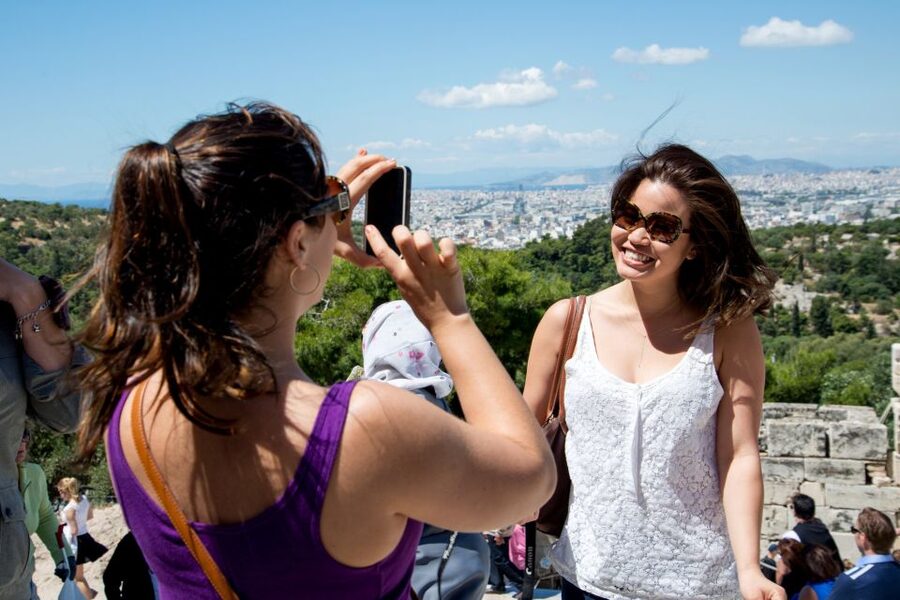
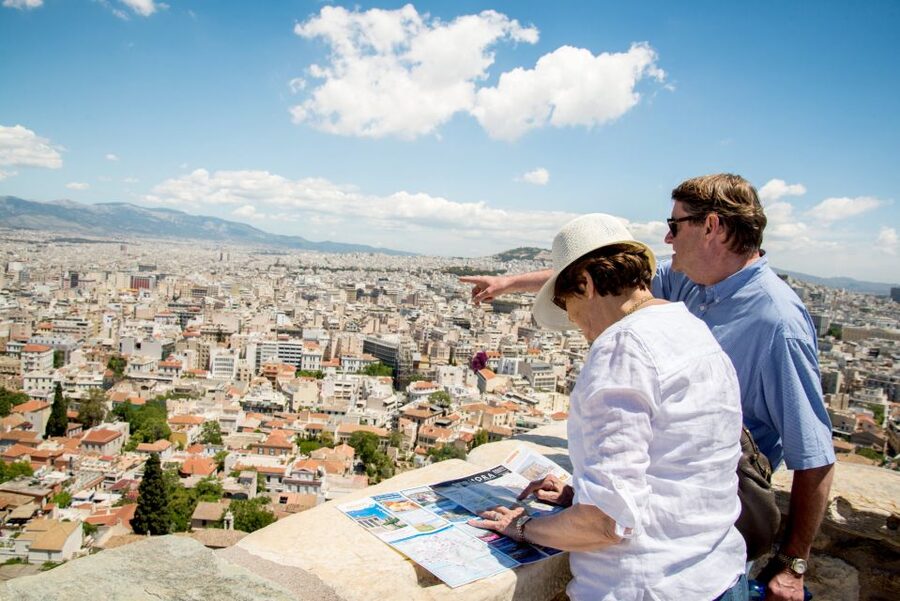
From those lower viewpoints, you also get chances to photograph the city below. That is a practical win: even if you arrive sweaty and tired, you can still leave with wide-angle shots that make the whole setting click.
From Temple of Athena Nike to the Propylaea gateway
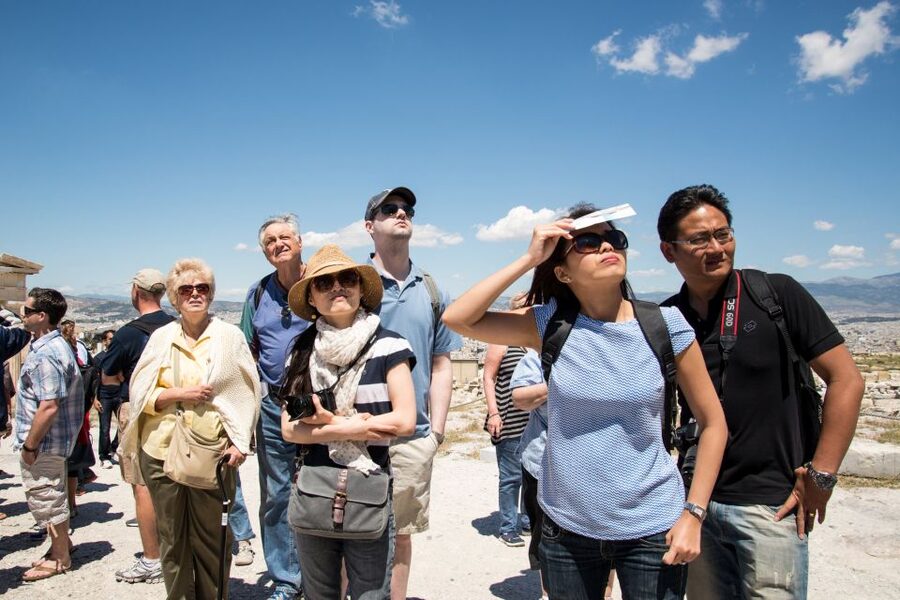
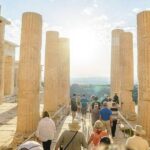
As the walk climbs, the guide points out the Temple of Athena Nike (Wingless Victory) and the gateway area of the Propylaea. These stops matter because they sit at the threshold feeling—your transition from everyday Athens into a world that was meant to look otherworldly.
Here’s what to watch for when the guide talks: think of this as a “front door” experience. Athena Nike connects to protection and civic identity, and the Propylaea is literally about entry and transition. When you see those structures as purposeful design—not just stone—you read the hill better in every direction.
Also, you’ll likely hear the guide connect architectural details to what Greeks believed about strength and order. That sort of explanation helps when you later stand at the Parthenon and wonder why the layout feels so deliberate.
Erechtheion Porch and the Caryatids: how to look without getting lost
The Erechtheion is where the tour becomes very photo-friendly, mainly because of the famous Caryatids—the carved female figures that act like columns. Even if you’ve seen images online, up close they feel different. You start noticing proportion, posture, and the way the figures frame the space around them.
This is a key moment for your brain. After the doorways and thresholds, the Caryatids bring you into the human scale of the story: myth and ritual embodied in figures you can actually study from multiple angles.
Practical advice: wear comfortable shoes and move with your guide’s pace. If you try to rush this section, you’ll miss the “look again” details—the little shifts in how you read the carvings and their placement.
The tour also walks by the broader area tied to the Erechtheion’s story, and the guide uses those connections to keep the hill feeling like one living narrative instead of separate monuments.
You can also read our reviews of more museum experiences in Athens


Parthenon time: what your guide will help you actually see
The Parthenon is the obvious headline, but the value of a guided visit is what comes before and after the photo you came for.
On this tour, your guide helps you understand the Parthenon as the crowning expression of a specific moment in Athens—built with a purpose, decorated to communicate identity, and maintained to project authority. When the guide connects sculpture and setting, the building becomes more than a landmark; it becomes a message you can read.
You can also expect the route to bring you past other important elements tied to this broader story, including references to the Temple of Athena Nike, the Propylaea gateway, and the overall “why this hill” theme as you climb toward the main viewpoint.
If you like taking pictures: don’t just frame the building. Pause, let the guide point out what to watch, then shoot. You’ll end up with photos that match your understanding, not just your camera roll.
Acropolis Museum: why the modern galleries change the whole visit
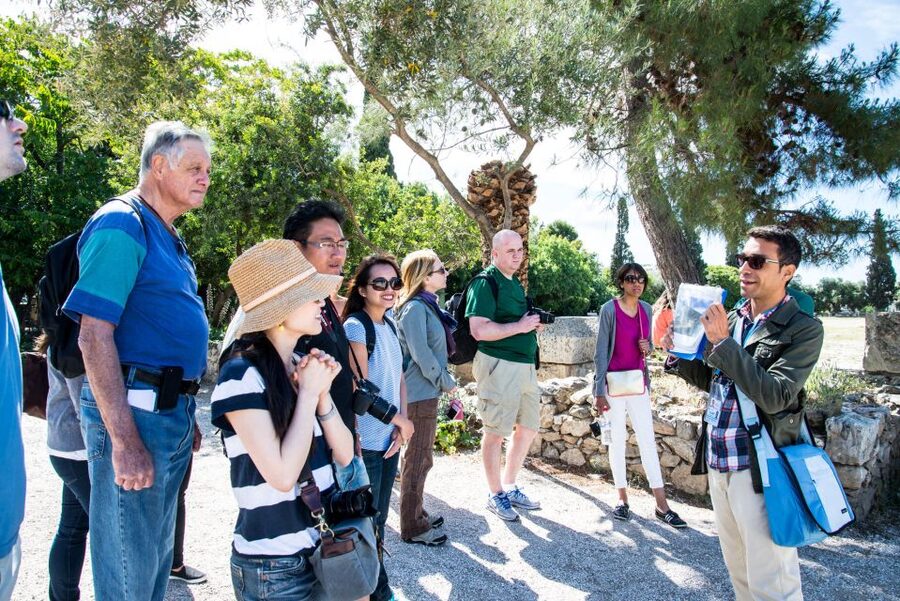
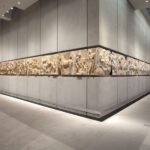
If you book the option that includes the Acropolis Museum, it becomes the payoff for all that outdoor context. The museum is described as state-of-the-art, with impressive displays of sculptures that cover more than 2,500 years of history.
This is where the tour helps you stop guessing. Outdoors, you see monuments in place. Indoors, you see the sculptures as objects—pieces that can teach you how the ancient world looked at bodies, gods, and power. Even if you’re not a museum person, this pairing usually works because you’ve already built the story on the hill.
The museum visit also helps you understand why the tour keeps returning to specific themes: theater and civic life, religious meaning, and the way art was used as public language. In short, it turns the Acropolis from scenery into comprehension.
Practical tip: if you visit on a hot day, plan to slow down at the museum. The galleries let you reset without losing the narrative momentum your guide built.
Monday swap: museum closes at 16:00 and Ancient Agora enters the plan
There is one schedule quirk you should actually plan around. On Mondays, the Acropolis Museum closes at 16:00. Instead of the museum, your tour will focus on Acropolis monuments and the Ancient Agora.
This matters for your expectations. If you were counting on time inside modern galleries, Monday changes the feel. Still, the swap can be valuable because the Ancient Agora connects the civic side of Athens directly to what you’re seeing on the hill.
If you’re a history-first traveler, that can be a win. If you’re a sculpture-only person, you may miss the museum’s indoor pacing. Either way, it’s good you know the trade early so you can choose accordingly.
Tickets and price: what you really pay for
The tour price is listed at $70 per person, and the only thing included is a licensed tour guide. Entrance tickets are not included:
- Acropolis entrance: 30€ per person
- Acropolis Museum entrance: 10–20€ per person
Plus, pickup and drop-off are not included.
So is it worth it? For me, the value is less about the guide fee being cheap and more about what you’re buying:
- You’re buying interpretation that makes the monument shapes and stories stick.
- You’re buying time saved by skipping the ticket line as part of the experience.
- You’re buying hearing devices, which means your money goes toward comprehension, not toward struggling to overhear in a noisy setting.
Also, many guides are praised for breaking the walk with stops and explanation instead of powering through. That’s a practical form of value: you get more meaning per minute, especially when heat and fatigue could otherwise shrink your attention span.
Rating shows the general outcome is strong, with an average of 4.7 from 484 reviews. That doesn’t guarantee your exact guide, but it does suggest most people leave feeling the guide helped them see more than they would have on their own.
Who should book this Acropolis + Museum tour
This works well if you:
- want a structured Acropolis visit without spending your energy on a guidebook app
- care about myth and history tied to real buildings, not just dates
- like your tours paced with photo stops and viewpoints
- want the modern museum option to make sculpture feel understandable
It may not be the best fit if you:
- need wheelchair accessibility; the tour is listed as not suitable for wheelchair users
- prefer silent self-guided wandering, because the format is built around listening and discussion
It is also family-friendly in spirit. Several guides are praised for working well with kids, keeping them engaged, and adjusting timing when needed. If you’re traveling with younger family members, this is one of those experiences where a good guide can turn “too much walking” into “we get it.”
Should you book this tour?
I think it’s a strong booking if your goal is to understand the Acropolis, not just see it. The combination of a licensed guide, hearing devices, and the option to add the Acropolis Museum is what makes this more than a ticketed walk.
Book it if:
- you want the Parthenon and surrounding monuments explained in a clear story
- you like the idea of pairing outdoor sights with modern galleries
- you’ll be there during busy hours and want line hassle minimized
Skip (or reconsider) if:
- you really just want to stroll at your own pace and you’re happy relying on your own reading
- you can’t do steep, uneven walking on a time-limited schedule
If you do book, come with comfortable shoes, sunscreen, a sun hat, and a water plan. And if you can, purchase your entrance tickets online in advance on the official Acropolis e-ticket site (tickets are still required even though the tour helps with the on-site flow).
FAQ
How long is the Acropolis, Parthenon & Acropolis Museum guided tour?
The duration is listed as 2 to 4 hours, depending on starting times and what portion of the visit is possible that day.
What is included in the tour price?
The tour includes a licensed tour guide. Hearing devices are provided as part of the experience.
Are entrance tickets included for the Acropolis and the Acropolis Museum?
No. Acropolis entrance is 30€ per person, and Acropolis Museum tickets are 10–20€ per person. You will need to purchase entrance tickets yourself.
Where do I meet the guide?
Meet at the Athens Walks office at Porinou 5, 11742, at street level (ground floor office). Arrive at least 15 minutes early. Only one person in your group needs to check in indoors.
What languages are available for the live tour?
The guide is available in English, Italian, German, French, and Spanish.
Is the Acropolis Museum included every day?
The Acropolis Museum is offered, but on Mondays the museum closes at 16:00. On those days, the tour visits the Acropolis monuments and the Ancient Agora instead.
Is this tour suitable for wheelchair users?
No. The tour is listed as not suitable for wheelchair users.
Do you provide hearing devices and what group setup should I expect?
Yes, you are provided with hearing devices and assigned with a group for the tour. A private group option is also listed as available.