REVIEW · TOKYO
Tokyo: Mt. Fuji, Owakudani, Hakone Shrine, & Open-Air Museum
Book on GetYourGuide →Operated by JTOURSTORY · Bookable on GetYourGuide
Hakone steals a whole day from Tokyo. I love how this tour strings together the Hakone Open-Air Museum with volcanic drama and Lake Ashi scenery in one smooth plan. It’s also the kind of day that gives you a realistic shot at Mt. Fuji when the weather cooperates.
I especially like the hit of real geology at Owakudani, where you’re surrounded by the sights and smells of an active volcanic valley. A good guide helps you make sense of what you’re seeing, and the pace keeps it from feeling like you’re sprinting through points on a map. Even in heavy rain, I’d rather have a driver calling the shots than wrestle transit while the skies change.
The only drawback is timing: traffic and weather can shift the order, and optional add-ons like the ropeway or pirate ship are weather-dependent. On top of that, there’s a practical limit on how long vehicles can run in a day, so the guide may adjust in real time to keep things comfortable.
In This Review
- Key things to know before you go
- A day tour from Tokyo that actually feels like escape
- Hakone Open-Air Museum: sculpture gardens with serious star power
- Practical watch-outs at the museum
- Owakudani: the active volcanic valley stop you can’t fake
- How rain and visibility affect Owakudani
- Hakone Shrine & Lake Ashi: the torii gate calm break
- A smart personal tip from the day
- Optional pirate ship: worth it when conditions cooperate
- Mt. Fuji odds: how this tour improves your chances
- Price and logistics: what $79 covers (and what it doesn’t)
- Why this feels good value
- Comfort tips that make the day easier (and happier)
- When this tour is the right fit for you
- Should you book this Hakone day tour from Tokyo?
- FAQ
- What is included in the tour price?
- Are meals included?
- How much does the tour cost?
- What optional experiences can I add?
- What languages does the guide speak?
- What should I bring for the day?
- Does the itinerary ever change?
- Can I bring a stroller or travel with an infant?
- What is the cancellation policy?
Key things to know before you go
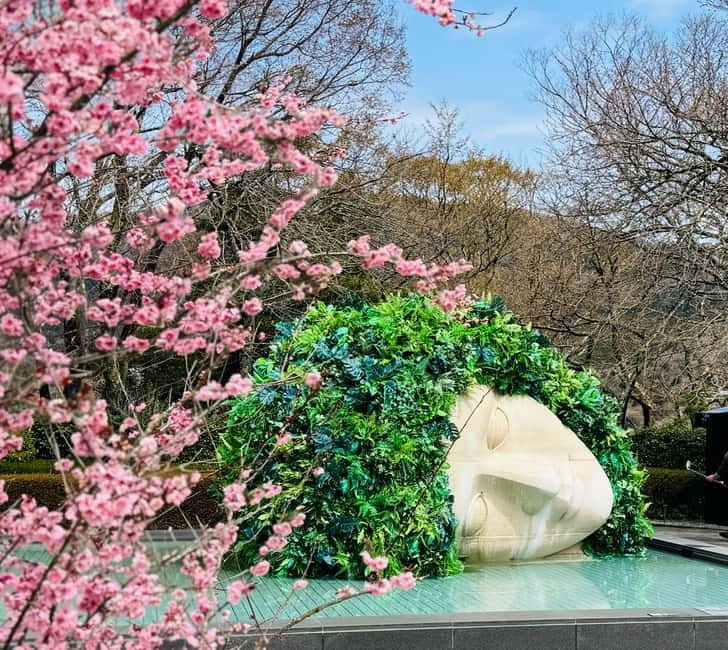
- Hakone Open-Air Museum first: You’ll walk sculpture gardens set in nature, including works associated with Henry Moore, Joan Miró, and a Picasso-related gallery.
- Owakudani’s active volcano zone: Expect steam vents and sulfurous springs—the kind of place where you feel like the Earth is still working.
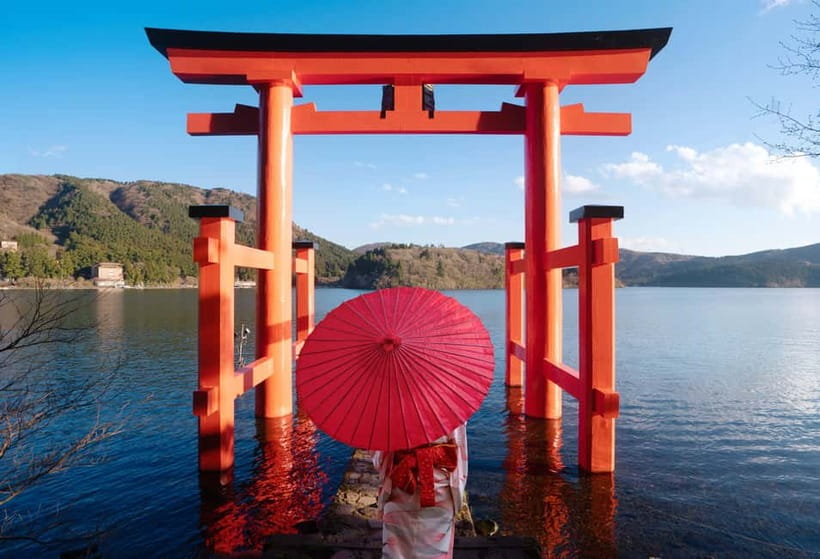
- Hakone Shrine at Lake Ashi: The famous torii gate in the water is the calm photo break after the volcanic stop.
- Optional ropeway and pirate ship: Tickets are not included, and the guide will only route these when conditions allow.
- Guides actively manage the day: Names like Yuichi, Icchi, and Juna show up in great experiences—people trust them to reorder stops and keep everyone safe.
A day tour from Tokyo that actually feels like escape
Hakone is close enough to reach in a day, but it feels a world away from Tokyo’s pace. This kind of organized day works because it bundles transportation and timed entries, so you spend less time “figuring out trains” and more time looking around.
You start and end at your meeting point, and transportation is included in the price. That matters on a day like this, because the route can change when traffic and clouds roll in.
Groups are kept small enough to feel personal on some departures, and I like that the guide can adjust for your comfort and pacing. One trip ran with a group of six and felt calm even while weather shifted.
You can also read our reviews of more museum experiences in Tokyo

Hakone Open-Air Museum: sculpture gardens with serious star power
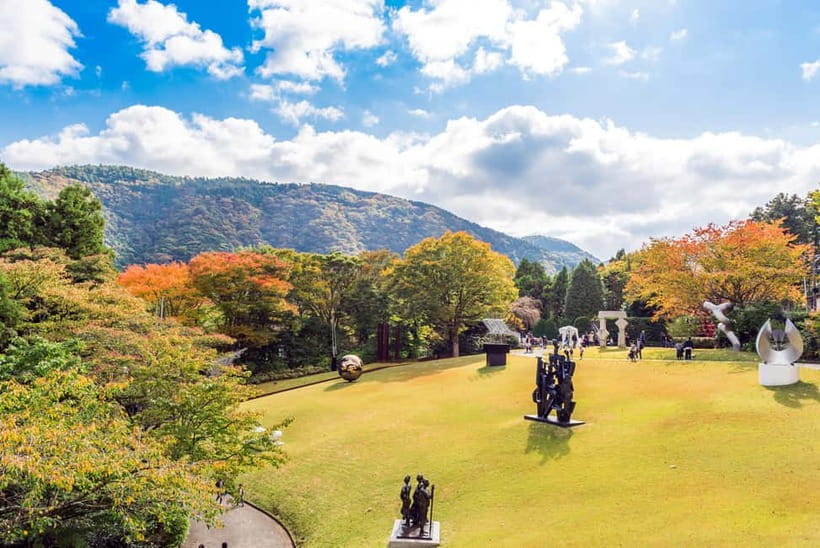
If you’re going to do Hakone in one day, the open-air museum is a smart first stop. You get fresh air, walking time, and a “wow” setting right away—art placed outdoors, framed by hills and greenery.
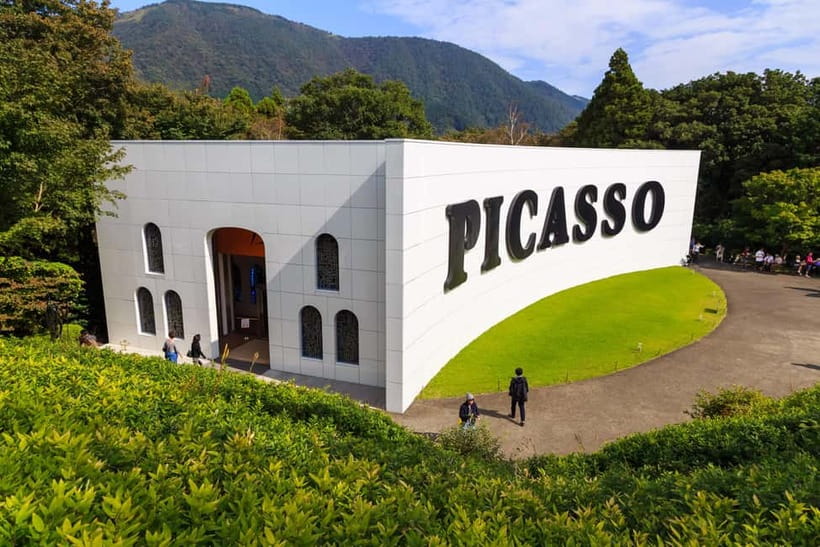
The museum is known for major international artists, including pieces associated with Henry Moore and Joan Miró, plus a Picasso gallery. Even when you’re not a hard-core art person, the open-air format changes how you read the works because you’re constantly shifting your view.
I also like the way the museum offers both quiet moments and interactive elements. The gardens are part of the experience, not just a pretty waiting area, so you’re not trapped inside a building where everyone funnels past the same route.
Practical watch-outs at the museum
Plan for uneven outdoor surfaces and real walking. Comfortable shoes aren’t optional here. And if it’s rainy, you’ll still be able to enjoy the art, but you might move faster and spend less time lingering on the paths.
If you’re hoping for Mt. Fuji views later, starting early can help. In some itineraries, the guide flips the order so the shrine and lakeside arrive first—before crowds swell—giving you better odds for clear sightlines.
Owakudani: the active volcanic valley stop you can’t fake
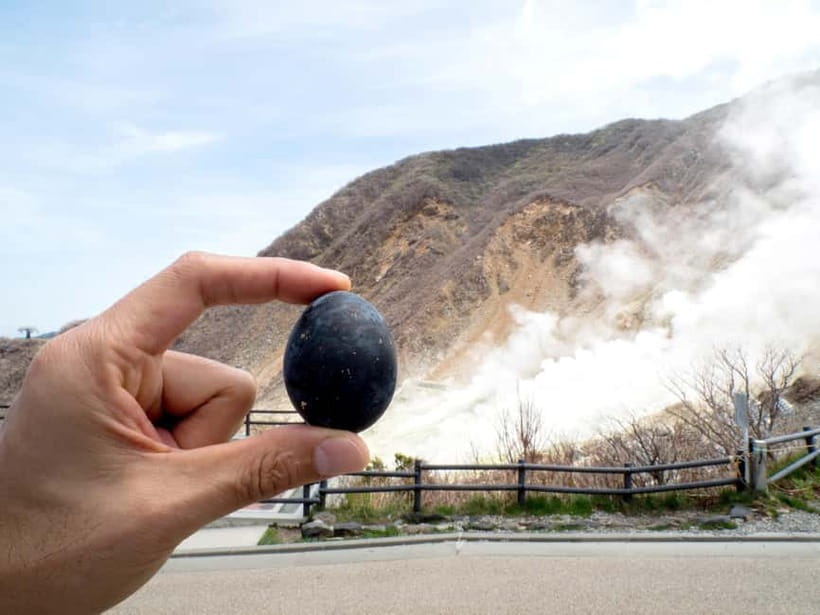
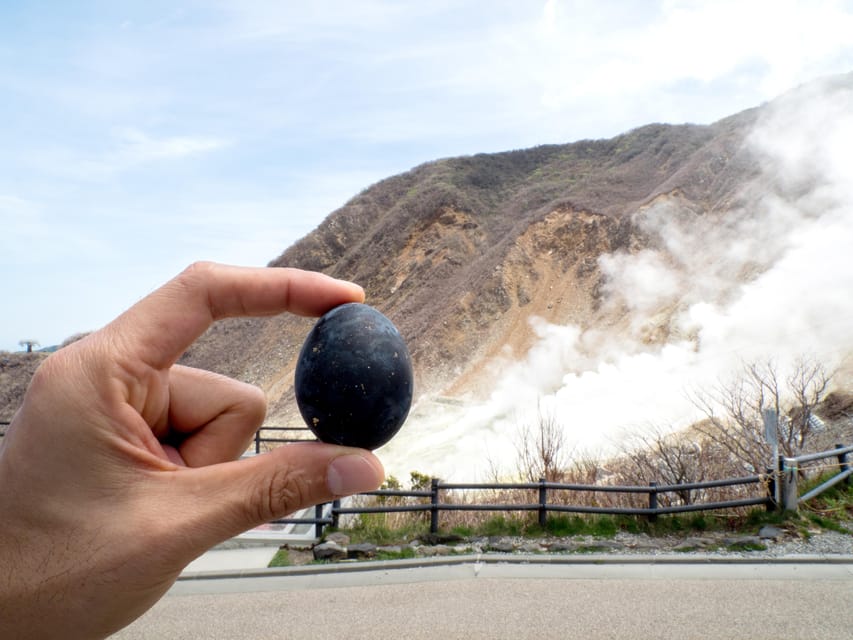
Owakudani is where the day turns from “nice scenery” into “whoa, this is real.” It’s an active volcanic area with dramatic steam vents and sulfurous springs, and you can feel the heat and intensity in the air.
This stop is valuable because it’s not just a viewpoint. You’re actually in the volcanic zone, so it makes the geography of Hakone click. The guide’s job here is to help you connect what you’re seeing with what it means—why the steam looks the way it does, why the area smells strongly of sulfur, and why the terrain feels so otherworldly.
One thing I appreciate: the tour design keeps this segment from dragging. You get time to observe, then move on before the day turns into an all-day queue.
How rain and visibility affect Owakudani
If the weather is rough, it can still be worth going. Steam and clouds can make the area feel more dramatic, not less. But visibility for Mt. Fuji-related views is another story, so don’t treat Owakudani as a guaranteed Fuji moment.
Also, the tour notes that itinerary order can reverse during peak traffic. If your day starts with the museum and you’re worried about missing key sights, it’s worth knowing the guide may rearrange to keep your time efficient.



Hakone Shrine & Lake Ashi: the torii gate calm break
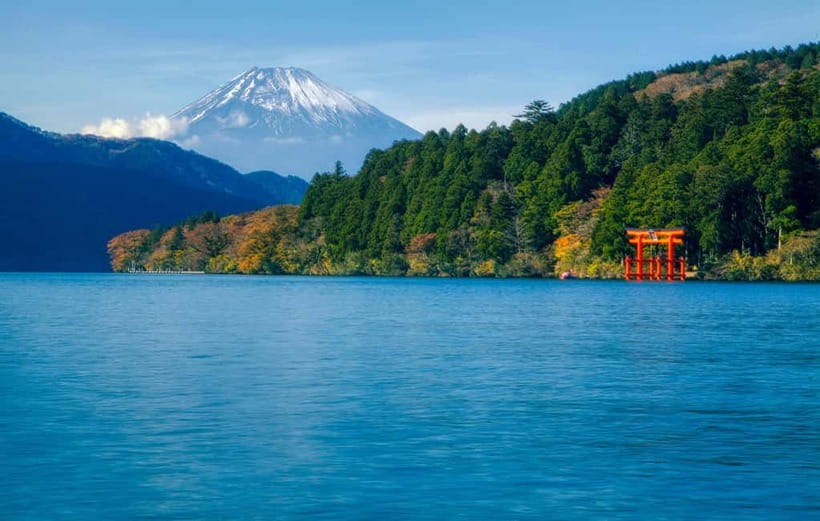
After Owakudani’s intensity, Hakone Shrine by Lake Ashi feels like a reset. Lake Ashi is framed by mountains, and the water makes it easier to breathe and slow down—especially if you’ve been in a busy city all week.
The headline here is the iconic torii gate standing out in the lake. It’s a simple scene, but it photographs well because the surrounding forested slopes help give the frame shape. You’ll likely spend time soaking in the view and taking photos from more than one angle.
The shrine itself is historic and sits at the foot of Mount Hakone. Even if you’re not into shrine rituals, it’s still a meaningful cultural stop, and the setting adds a layer beyond “sightseeing.”
A smart personal tip from the day
Bring a small bottle. Some guides encourage filling up with mineral water at the shrine. If you’re in the mood for a tiny tradition, one guide also shared that 5 yen is the most auspicious offering, so it’s worth having a few coins on hand.
Optional pirate ship: worth it when conditions cooperate
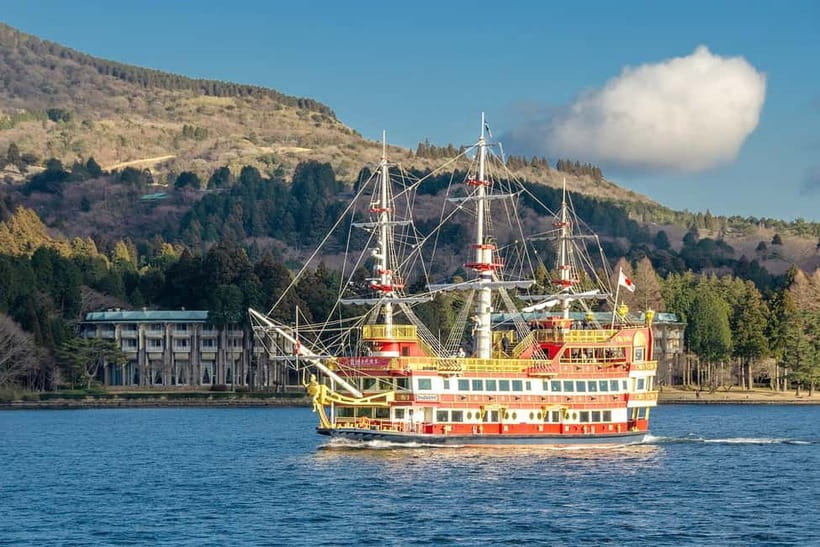
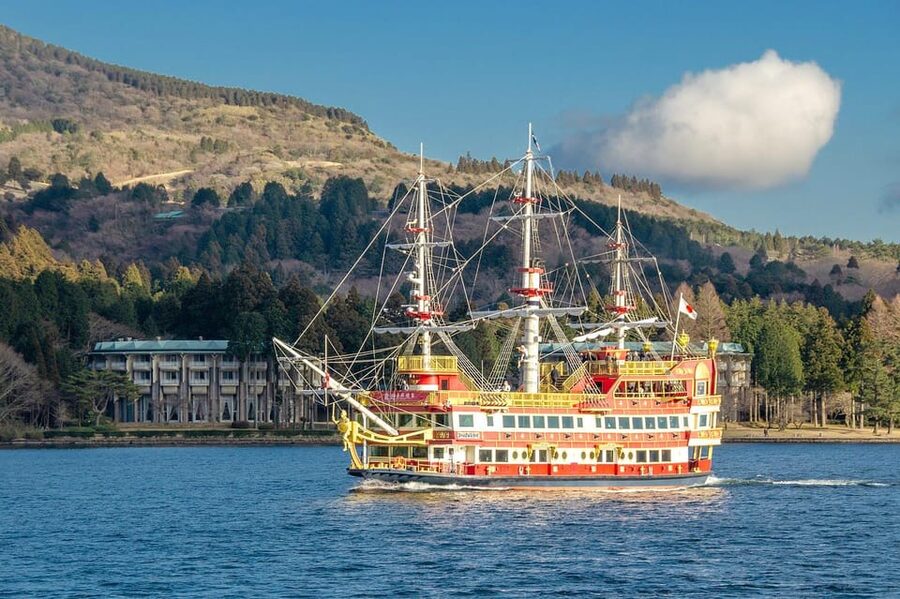
There’s an option for a pirate ship across Lake Ashi, but it’s not included and depends on weather and local conditions. When it runs, it’s a strong way to see the lake from a different perspective—and in clearer conditions, it can align nicely with Mt. Fuji views.
In at least one itinerary, the guide timed the lake part so the group could cross early and catch better views. The key idea: you’re not just buying a ticket; you’re buying time and angles.
Mt. Fuji odds: how this tour improves your chances
Mt. Fuji is never something you can force. But this tour can improve your odds because your itinerary may shift depending on real-time weather.
In one great experience, Yuichi adjusted the day so the group arrived at Hakone Shrine and Lake Ashi early. That early arrival approach matters because low clouds and haze tend to be unpredictable, and morning often gives a cleaner shot—especially around the lake.
If you want Fuji, keep two things in mind:
- Be flexible. The guide may reorder stops during peak season.
- Use the moment. If Fuji shows, don’t wait for the “perfect photo spot.” Get the view, then you can enjoy the scenery without the scramble.
You might end the day without a clear sightline, and that’s just how the weather behaves. Still, even without Fuji, Hakone’s art and volcanic setting make the day worth it.
Price and logistics: what $79 covers (and what it doesn’t)
At $79 per person, you’re paying for a lot of structure. Transportation is included, plus an English and Korean-speaking guide, and admission tickets are covered.
Meals are not included, and personal expenses are on you. That’s why I recommend planning a light lunch or snacks. Even a short gap between stops can matter when you’re outside walking and the day stays full.
Optional items are separate: Hakone Ropeway and Pirate Ship tickets are not included and are typically bought on-site if conditions allow. If you’re the type who loves cable-car rides or wants that lake crossing, budget extra.
Why this feels good value
If you tried to assemble everything yourself—museum tickets, getting out to Owakudani, then back to Lake Ashi—Hakone can turn into a time math problem fast. This tour removes the “how do I get there” stress and replaces it with guided pacing.
You’re also not just buying transport. You’re buying a guide who can handle weather-driven changes and keep the day coherent when the sky doesn’t cooperate.
Comfort tips that make the day easier (and happier)
You don’t need fancy gear, but a few basics help a lot.
- Wear comfortable shoes for museum walking and outdoor paths.
- Bring snacks or a light lunch, since meals aren’t included.
- Pack a bottle you can fill (the shrine mineral water tip is real and practical).
- Expect weather changes. It’s a volcanic area and a lakeside, so conditions can swing.
If you’re traveling with a baby stroller, tell the operator in advance. Seat details are also relevant: infants are free of charge, but there’s no seat available.
When this tour is the right fit for you
This tour suits you if you want a strong “greatest hits” day without planning. It’s also a good choice if you like art but don’t want a full museum day—because the Hakone Open-Air Museum is outdoors, so it feels like an experience, not a chore.
It’s especially ideal if you’re short on time in Tokyo and want a day where you get variety: sculpture gardens, volcanic steam, and a lakeside shrine scene.
If you’re a very slow traveler, you might want more time at each stop. The tour keeps a schedule, so you’ll have to enjoy “time with the sights” rather than “live in the sights.”
Should you book this Hakone day tour from Tokyo?
I’d book it if you want maximum payoff in one day: Open-Air Museum art, Owakudani volcanic views, and Hakone Shrine at Lake Ashi with the option to add ropeway or a pirate ship crossing. The included transport and guided pacing make the $79 feel reasonable, especially when you’d otherwise spend your day solving logistics.
I’d hesitate only if your top priority is total control and perfect weather. This tour can’t promise Mt. Fuji, and optional activities depend on conditions. But if you’re the kind of traveler who enjoys adapting and trusts a guide to adjust the plan, it’s a satisfying way to spend a day outside Tokyo.
FAQ
What is included in the tour price?
The tour includes transportation, an English and Korean-speaking guide, and admission tickets.
Are meals included?
No. Meals are not included, so it’s a good idea to bring some snacks or a light lunch.
How much does the tour cost?
The price is $79 per person.
What optional experiences can I add?
Optional add-ons may include the Hakone Ropeway and the Pirate Ship. These tickets are not included and are typically purchased on-site, depending on weather conditions.
What languages does the guide speak?
The guide is available in English and Korean.
What should I bring for the day?
Wear comfortable shoes, and consider bringing snacks or a light lunch. A bottle is also handy for filling mineral water at the shrine.
Does the itinerary ever change?
Yes. The itinerary can be adjusted based on real-time traffic and weather conditions, and the order may reverse during peak season.
Can I bring a stroller or travel with an infant?
If you bring a baby stroller, you should inform the provider. Infants are free of charge, but there is no seat available.
What is the cancellation policy?
You can cancel up to 24 hours in advance for a full refund.