REVIEW · SEVILLE
Skip the Line: Museo del Baile Flamenco Admission Ticket
Book on Viator →Operated by Museo del Baile Flamenco Cristina Hoyos · Bookable on Viator
Flamenco starts with a dance lesson. The Museo del Baile Flamenco in Seville is a compact, well-organized introduction, and I especially like the advance ticket convenience plus how it maps out the major flamenco styles so you know what you’re looking at.
I also like that this isn’t just a pile of posters. The museum sits in an eighteenth-century building in the old town, and it uses interactive screens, costume displays from different eras, and videos to make the art form feel close to the real thing. One possible drawback: the museum experience can be pretty short, and if you’re expecting a massive, showpiece collection, you might end up wanting more.
If you’re pairing it with flamenco in Seville, think of the museum as your warm-up. There’s an optional flamenco show you can book separately, and the best plan is usually to do the museum first so the rhythms and styles make sense before the stage lights hit.
In This Review
- Key Things to Know Before You Go
- Seville’s Flamenco Museum: Next to the Cathedral, Not in the Middle of Nowhere
- What the Skip-the-Line Ticket Actually Includes (and What It Doesn’t)
- Entry Hours: Plan Around the Daily Window (Especially the First Monday)
- Your One-Stop Itinerary: How the Museo del Baile Flamenco Flows
- Start with origins and the overall idea
- Then move through interactive screens and video explanations
- Get the style list in front of you
- Costumes: where opinions split
- A small second-floor gallery (don’t count on it being huge)
- A quiet surprise: a vaulted area with older stones
- Major Flamenco Styles: Why Seeing the Names Helps on the Next Block
- Costumes, Videos, and Sound: What to Watch For During Your Visit
- Should You Add the Flamenco Show? How to Pair It Without Wasting Money
- Who This Ticket Fits Best (and Who Might Want a Different Plan)
- Should You Book This Skip-the-Line Admission Ticket?
- FAQ
- What is included in the Skip-the-Line Museo del Baile Flamenco ticket?
- How long should I plan for the museum visit?
- What language is the experience offered in?
- What are the opening hours for museum entry?
- Do I need to print anything?
- Is there an option to see a flamenco show?
- How big are the groups?
- Can I get a refund if my plans change?
Key Things to Know Before You Go
- Old-town location: about five minutes on foot from the Cathedral and the Giralda
- Founded by Cristina Hoyos: the museum is tied to one of flamenco’s best-known dancers and choreographers
- Entry window: tickets let you enter anytime from 11:00 to 18:00 (last entry 18:00), with an exception on the first Monday
- A style-by-style guide: you’ll see major styles named out clearly (Alegría, Soleá, Seguiría, Taranto, Tangos, Guajira, and more)
- Museum only vs. show: admission is included, but the flamenco show is an extra purchase
Seville’s Flamenco Museum: Next to the Cathedral, Not in the Middle of Nowhere

The Museo del Baile Flamenco Cristina Hoyos is in old town Seville, and that location matters more than you might think. You can fit it into a tight day without building a whole new route: it’s roughly a five-minute walk from the Cathedral and the Giralda area. After you’ve done the famous landmarks, this is a smart, local pivot—same neighborhood energy, different kind of culture.
The building itself adds a nice flavor. The museum is hosted in an eighteenth-century structure that’s been renovated and set up for exhibits and interactive stations. That contrast—historic walls with modern screens and videos—helps the museum feel like more than a storage room for artifacts.
And it’s not a random concept museum. The museum was founded by Cristina Hoyos, a major figure in flamenco dance. That connection comes through in the focus: the museum keeps steering you toward flamenco as a living tradition, not just a historical curiosity.
A few more Seville tours and experiences worth a look



What the Skip-the-Line Ticket Actually Includes (and What It Doesn’t)
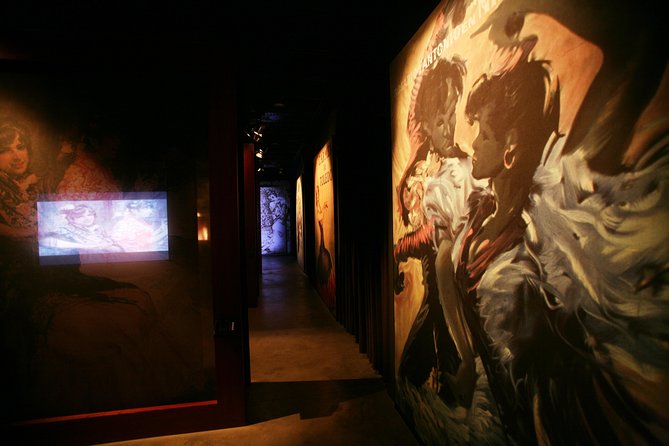
Your ticket covers admission to the Museo del Baile Flamenco. That’s the core value here: you’re paying for access to the museum’s galleries, interactive elements, and videos during your chosen time slot inside the operating hours.
This is sold as a mobile ticket and offered in English. If your Spanish is rusty, that’s a plus—because the museum has a lot of information on screens and in interpretive areas, and you’ll get more out of it when you can actually follow what’s being explained.
A quick reality check on value: for museum-only visits, a skip-the-line feature may not be a game changer. One review noted that the museum entry cost about €6 at the entrance for an adult, and suggested there wasn’t a huge need for a skip-the-line pass if you’re only doing the museum. I wouldn’t treat that as a guarantee, but it’s a good prompt: if you’re flexible and you don’t mind waiting a bit, you might not feel a big difference. On the other hand, reserving ahead can help you lock in the timing when you’re already juggling a Cathedral climb, lunch, and a possible evening show.
What’s not included:
- DVD (sold separately)
- souvenir photos (sold separately)
- flamenco show (sold separately)
Also, the experience has a maximum group size of 80. That’s not a quiet library experience, but it also isn’t a giant herd. In practice, that usually means you can move through at your own pace without feeling totally swallowed.
Entry Hours: Plan Around the Daily Window (Especially the First Monday)
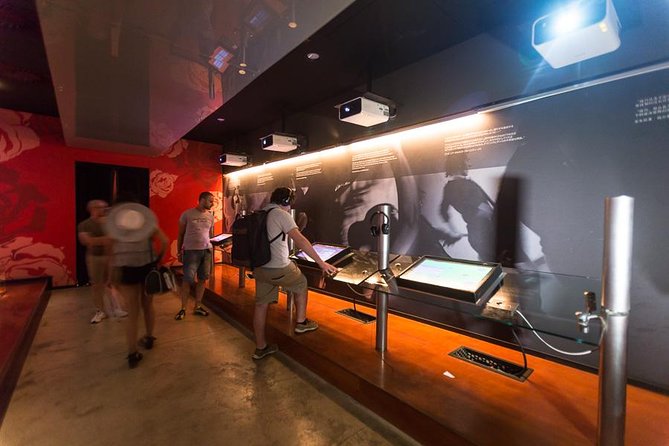
The ticket lets you enter at any time during the hours on your pass. The museum operates from 11:00 to 18:00, with the last entry at 18:00. There’s one important exception: on the first Monday of each month, the museum opens at 16:00 instead of 11:00.
If you’re trying to squeeze it in between major sights, this is the detail that can quietly ruin your schedule. Check the day you’re going and plan your walk accordingly.
Duration is listed at about 45 minutes to 1 hour 30 minutes. In real life, it tends to land closer to a short visit if you skip optional sections, but it can stretch if you watch videos more carefully and linger over costumes and interpretive points.
Your One-Stop Itinerary: How the Museo del Baile Flamenco Flows
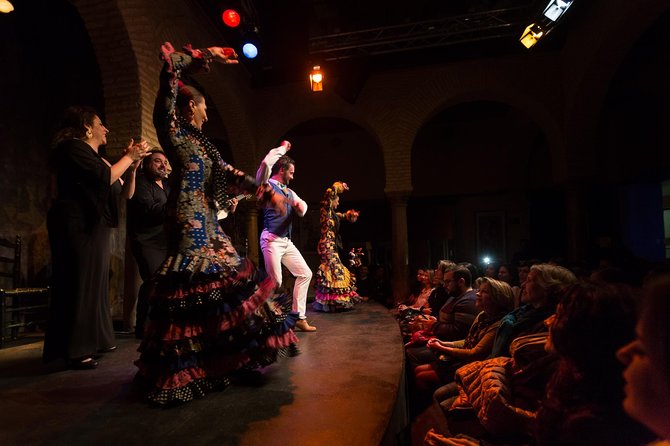
This experience is essentially one visit stop: the museum itself. It’s the kind of place where the layout does most of the work for you—each area nudges you toward a different layer of flamenco.
Here’s what you can expect, in practical terms:
Start with origins and the overall idea
The museum’s opening areas focus on where flamenco comes from and how it evolved into the styles you’ll hear named throughout the galleries. Even if you’ve never been to a flamenco show, you’ll get enough context to stop hearing flamenco as one single thing. You start hearing it as a set of rhythms, moods, and regional flavors.





Then move through interactive screens and video explanations
A lot of the museum value is in the way it uses video and interactive elements. One review praised the displays and videos for providing history and breaking down styles and performers—particularly helpful if you don’t already know the basics. Another review complained that some sound quality was poor in one area, so if you hit a section where the audio feels hard to catch, don’t assume you missed it all. Move to the next station and come back later, if needed.
Get the style list in front of you
The museum names styles such as Alegría, Soleá, Seguiría, Taranto, Tangos, and Guajira. Seeing these names clearly while you’re learning beats, movement, or performance character makes the whole experience stick better later when you’re listening or watching on stage.
Costumes: where opinions split
Costumes are a big part of the museum’s pitch: you’ll see dresses from different eras. Reviews are mixed here. Some visitors loved the costumes and the way they were presented up close. Others felt a dedicated costume area was a letdown or too brief.
My practical advice: don’t treat costumes as the only reason to go. Treat them as bonus context. If your goal is a quick, understandable flamenco primer with videos and style breakdowns, you’ll likely feel more satisfied than if you’re expecting a major fashion museum.
A small second-floor gallery (don’t count on it being huge)
There’s mention of a small upstairs gallery. One review described it as nice to view but limited in helpful information. Translation: if you go in expecting major new depth upstairs, you might feel short-changed. It’s more of an add-on space than a second act.
A quiet surprise: a vaulted area with older stones
One review pointed out a “century vault” with a pre-Roman stone wall. That’s not a dance lesson, but it’s the kind of historical detail that makes the museum feel grounded in Seville rather than floating in modern explanations.
Major Flamenco Styles: Why Seeing the Names Helps on the Next Block
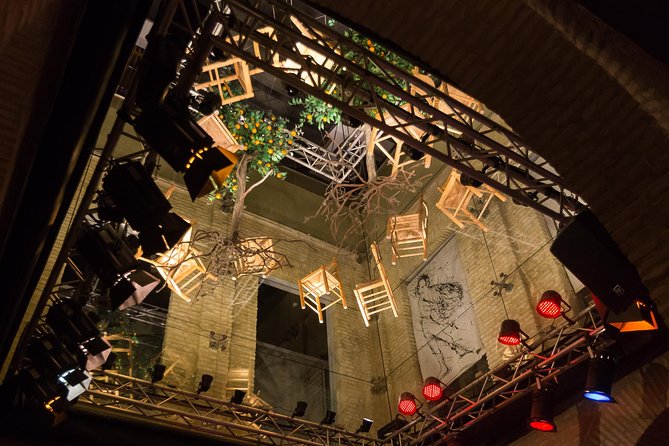
Flamenco can feel confusing at first because the same word gets used for dancing, singing, guitar, and whole emotional atmospheres. The museum’s style-by-style approach is valuable because it gives you hooks.
When you see (or hear) styles like Alegría or Soleá named next to explanations, you start picking up differences:
- how the mood shifts
- how the rhythms feel in relation to movement
- how performers are associated with particular approaches
The practical win is this: after the museum, when you’re outside listening to guitar music or deciding which flamenco show to book, you’ll have a better sense of what each show might emphasize.
Even if you only retain one or two style names, that’s still progress. Flamenco isn’t about memorizing everything—it’s about learning enough to follow what’s happening.
Costumes, Videos, and Sound: What to Watch For During Your Visit
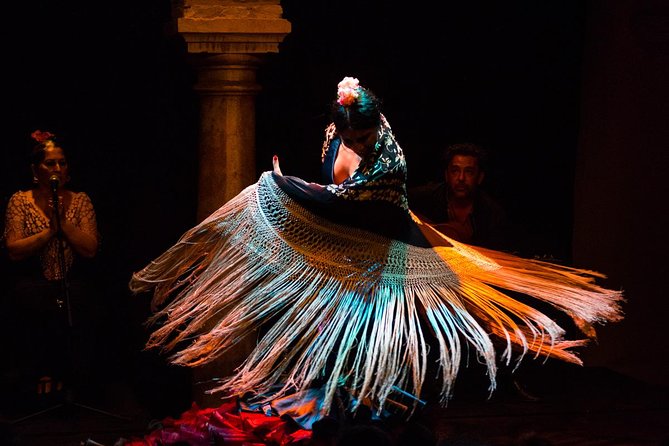
This museum uses a lot of video and screen-based learning. That’s generally a good match for a short visit because you can process information quickly without needing to read walls of text.
Here’s how to set expectations based on the experience descriptions you have:
- The video stations are central to the visit, and several reviews called out the videos as helpful for understanding history and style differences.
- There can be uneven audio. One review specifically said sound quality was poor and the information was hard to hear in a section. If you notice that happening, adjust your position and don’t panic. Some areas may work better standing closer to speakers or facing the screen directly.
- The costume section can divide opinions. Some people found it impressive and meaningful. Others found it disappointing relative to expectations.
So my balanced take: if you’re coming for a friendly intro to flamenco, the museum does the job. If you’re coming expecting a major, thorough costume archive, you might feel the visit is too short for what you wanted.
Should You Add the Flamenco Show? How to Pair It Without Wasting Money
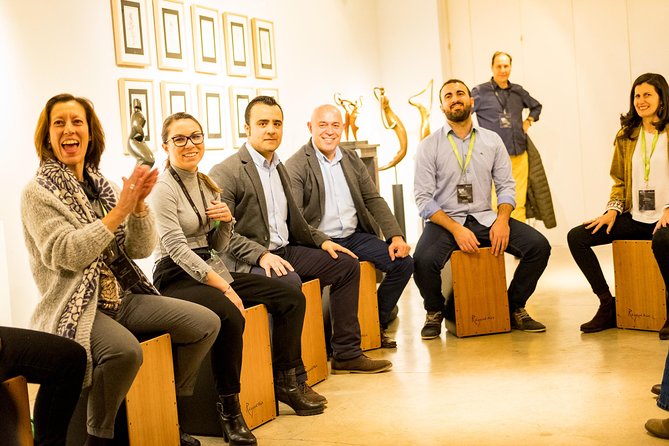
The museum ticket doesn’t include the flamenco show, but the show is available to purchase separately. This matters because some visitors end up doing mainly the show and skipping (or only partially doing) the museum, and the show seems to be what people talk about most when they’re thrilled.
A few real-world details from the show side, so you can plan:
- There are three shows a day, and tickets can sell out quickly.
- Getting there at least 30 minutes early is a smart tip if you want better seats.
- One review said the show lasted about an hour and included two female and one male dancer, two male singers, and a guitarist.
- Phone rules can be strict during the performance. One review mentioned no phones allowed for photos or recording.
If you’re deciding what to spend time and money on, here’s the clean way to choose:
- If you want to learn the basics fast: do the museum first, then book a show for later.
- If you only have time for one flamenco thing: the show usually carries the bigger payoff, because the museum is short and opinion is split on how much depth people feel.
If your goal is a bargain day, you might skip the show and just do the museum. But if you want flamenco as a full experience, plan for the show.
Who This Ticket Fits Best (and Who Might Want a Different Plan)
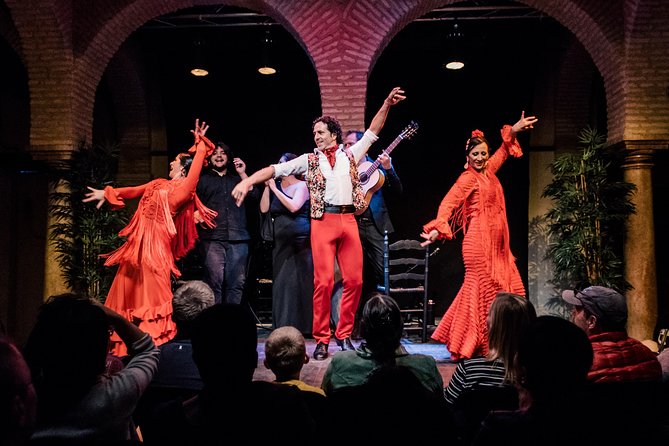
This museum is best for people who:
- want a short, practical flamenco intro before a show
- like learning through videos and simple explanations rather than long reading
- are staying near the Cathedral/Giralda and want something cultural within walking distance
- are in Seville for a limited time and want an option that fits in a half-day rhythm
It may not be ideal for people who:
- are expecting a very large museum with extensive galleries and deep written interpretation
- want a major focus on costumes with lots of context and explanation
- plan to spend more than an hour and a half and still feel like the museum keeps revealing new layers
The nice part: even the shorter visits can still be worthwhile because you leave with names of styles and a better map of what flamenco is made of.
Should You Book This Skip-the-Line Admission Ticket?
If you’re in Seville and you’re curious about flamenco but don’t want to gamble on a show first, I’d book it. The ticket gives you a structured way to understand what you’ll see and hear later, and the location is perfect for stitching into a sightseeing day near the Cathedral and Giralda.
Skip-the-line value depends on your schedule. If you hate waiting and you like your day planned, reserve ahead and move on with confidence. If you’re flexible and you’re mostly doing museum-only, don’t assume the skip-the-line feature is essential—some people have found the entrance price similar to the pre-booked ticket cost.
My final advice: treat the museum as your flamenco warm-up. Then, if the evening calls to you, consider adding the show, because that’s where the energy and craft usually land hardest.
FAQ
What is included in the Skip-the-Line Museo del Baile Flamenco ticket?
The ticket includes admission to the Museo del Baile Flamenco. DVD, souvenir photos, and the flamenco show are not included and would be purchased separately.
How long should I plan for the museum visit?
The listed duration is about 45 minutes to 1 hour 30 minutes, depending on how much you watch and how long you spend in the different areas.
What language is the experience offered in?
The ticket is offered in English.
What are the opening hours for museum entry?
You can enter anytime from 11:00 to 18:00, with last entry at 18:00. On the first Monday of each month, the museum opens at 16:00.
Do I need to print anything?
No. It’s a mobile ticket, and you should receive confirmation at the time of booking.
Is there an option to see a flamenco show?
Yes, a flamenco show is available to purchase separately, but it is not included with the museum admission ticket.
How big are the groups?
This activity has a maximum of 80 travelers.
Can I get a refund if my plans change?
Free cancellation is available. You can cancel up to 24 hours in advance for a full refund.