REVIEW · KRAKOW
Schindler’s Factory Museum in Krakow – Guided Tour
Book on GetYourGuide →Operated by Hello Cracow · Bookable on GetYourGuide
This factory museum makes history feel personal. With a licensed guide, you’ll walk through Schindler’s enamel factory and hear how Kraków changed under Nazi rule. I especially like the fact that you skip the ticket line, which buys you time to focus on what matters. The second big win: the tour is built around the exhibition Kraków under Nazi Occupation 1939–1945, not just a simple Oskar Schindler biography.
One thing to consider: the rooms are narrow and dimly lit, and the guided pacing can feel a little fast if you like to read slowly. If you’re the type who needs extra minutes in each display case, plan to lean in during the stops and accept that you may not see every detail.
In This Review
- Key Points You’ll Care About
- Schindler’s Factory in Krakow: Why This 90-Minute Tour Matters
- Finding the Meeting Point at Oskar Schindler’s Enamel Factory
- Skip the Lines, Not the Meaning
- Oskar Schindler and the Factory Story You Actually Need
- Kraków Under Nazi Occupation 1939–1945: What the Rooms Communicate
- Narrow Rooms, Fast Pacing: The Only Real Drawback
- Price and Value: What You’re Paying For at $50
- Who This Tour Best Suits (and Who Should Rethink It)
- Before You Go: The IDs and Name Details That Actually Matter
- Should You Book This Schindler’s Factory Guided Tour?
- FAQ
- FAQ
- How long is the Schindler’s Factory Museum guided tour?
- Where do I meet the guide?
- Do I need to buy a separate ticket?
- What languages are offered for the live guide?
- Do I need to bring identification?
- Is the tour wheelchair accessible?
- Can I cancel for a full refund?
Key Points You’ll Care About
- Skip-the-line entry saves you from standing outside one of Kraków’s most popular museums.
- Licensed live guide tells the story clearly, including Schindler’s role and the wider wartime context.
- Headsets for larger groups help you hear comfortably when the group gets sizey.
- Narrow, dim rooms are intentionally designed to recreate fear and uncertainty.
- Focus on Jewish and non-Jewish residents gives you a fuller view of daily life in occupied Kraków.
- Over-1,000 workers sheltered in the factory anchors the story in real human stakes.
Schindler’s Factory in Krakow: Why This 90-Minute Tour Matters
Schindler’s Factory Museum sits in the middle of Kraków in a way that’s hard to ignore—because it’s one of the city’s top draws. It’s also one of the most emotionally heavy. That combination is exactly why a guided format helps: you get context fast, and you don’t spend your limited time guessing what each room is trying to show you.
This tour runs about 90 minutes, which is a sweet spot. Long enough to understand the overall arc—occupation, persecution, deportations, destruction of the Jewish community, and the daily reality for everyone. Short enough that you’re not trapped in one theme for hours. When people feel overwhelmed here, it’s often because they’re trying to process everything without a guide turning the lights on mentally.
The real value is that you’re not just hearing about Oskar Schindler as an individual. You learn how his factory functioned inside the machinery of war, and you see how it connected to the lived experience of Kraków’s Jewish and non-Jewish residents.
You can also read our reviews of more guided tours in Krakow
Finding the Meeting Point at Oskar Schindler’s Enamel Factory
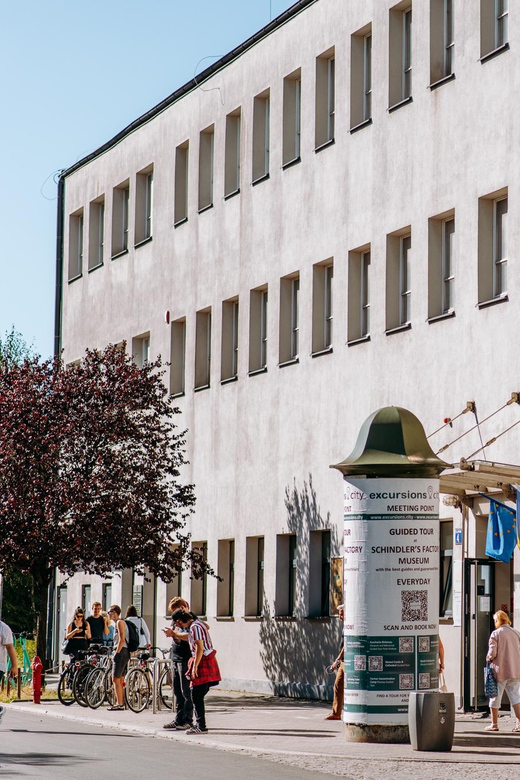
You’ll meet right in front of the museum entrance at Oskar Schindler’s Enamel Factory. Look for the guide holding a sign that says excursions.city. That’s the fastest way to avoid wandering around the wrong door while other groups funnel inside.
If you’re early, take a moment to get oriented—this museum is popular, and the “walk up and go” feeling disappears quickly when multiple groups arrive at once. Being there a few minutes ahead turns stress into something calmer, like a normal museum stop instead of a scramble.
Skip the Lines, Not the Meaning
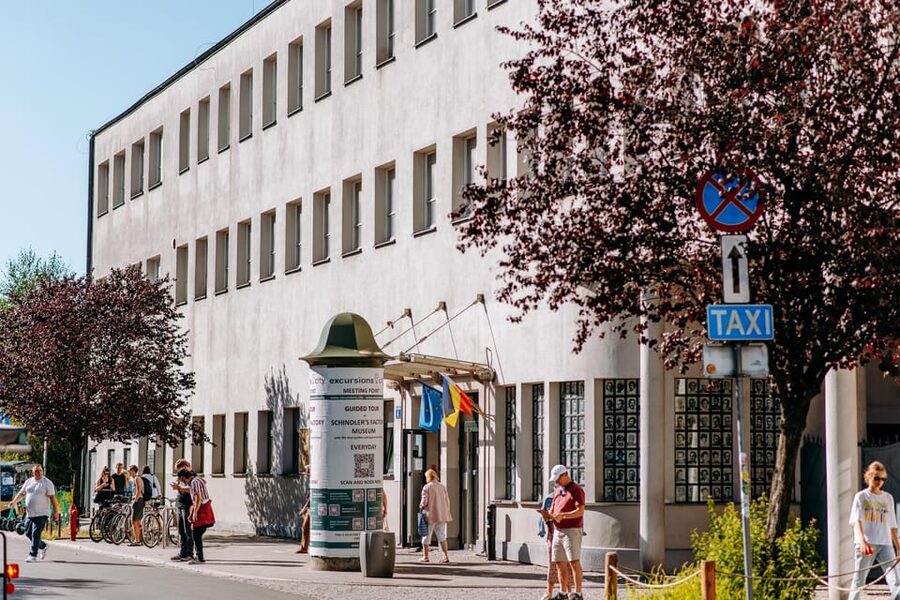
The main logistics win is straightforward: this guided tour includes skip-the-line admission. That matters in Kraków because Schindler’s Factory can be busy, and time is one of your scarcest resources when you’re touring in a new city. When you’re not waiting at the ticket windows, you can start processing the story sooner.
You’ll also be in a group, and when the group size reaches 15+ participants, you’ll get headsets. That’s a smart touch. Sound can get tricky in museums—especially when you’re following a guide through tight spaces—so being able to hear clearly without craning your neck makes the whole experience more respectful and less stressful.
On top of that, the tour is live and offered in multiple languages: English, French, German, Spanish, and Italian. If your language isn’t your home language, having a trained guide using your choice of language can feel like a real advantage here. This isn’t the kind of museum you want to visit on autopilot.
Oskar Schindler and the Factory Story You Actually Need
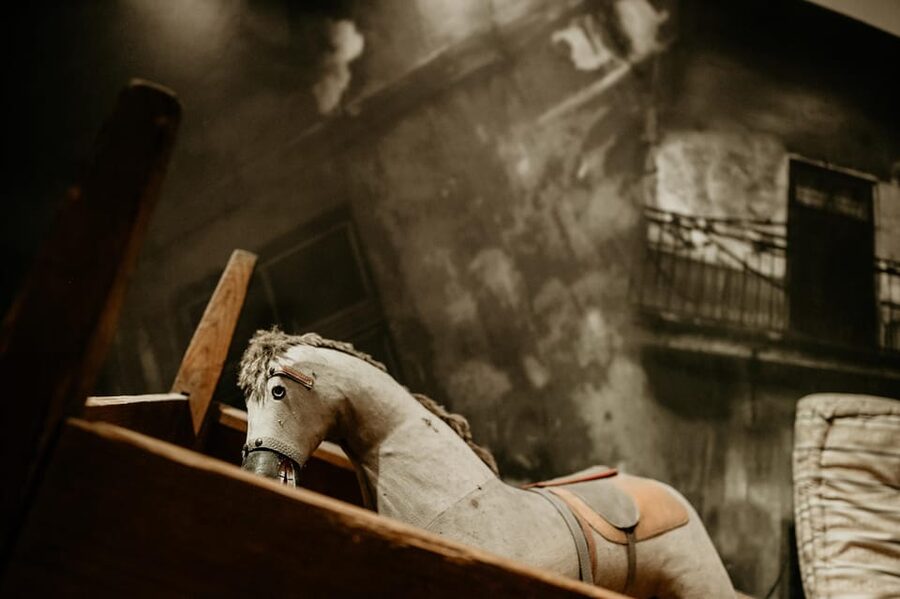
The tour centers on Oskar Schindler’s enamel factory, and it treats his story as more than a name on a wall. You learn how the factory offered refuge to over a thousand Jewish workers. That detail isn’t just background. It’s the hinge that connects the personal and the historical.
As you move through the exhibition, you’ll hear how Schindler’s actions fit into the larger wartime reality. That framing matters because it helps you avoid the common trap of thinking one person’s story floats in a vacuum. In occupied Kraków, everything was connected—work, fear, bureaucracy, persecution, and survival.
You’ll also see how the museum doesn’t only focus on those saved. It shows the broader structure around them: the pressures that forced choices, the uncertainty that shaped everyday routines, and the consequences that followed persecution and deportations. The point is to understand how small decisions and narrow opportunities could carry enormous weight.
Kraków Under Nazi Occupation 1939–1945: What the Rooms Communicate
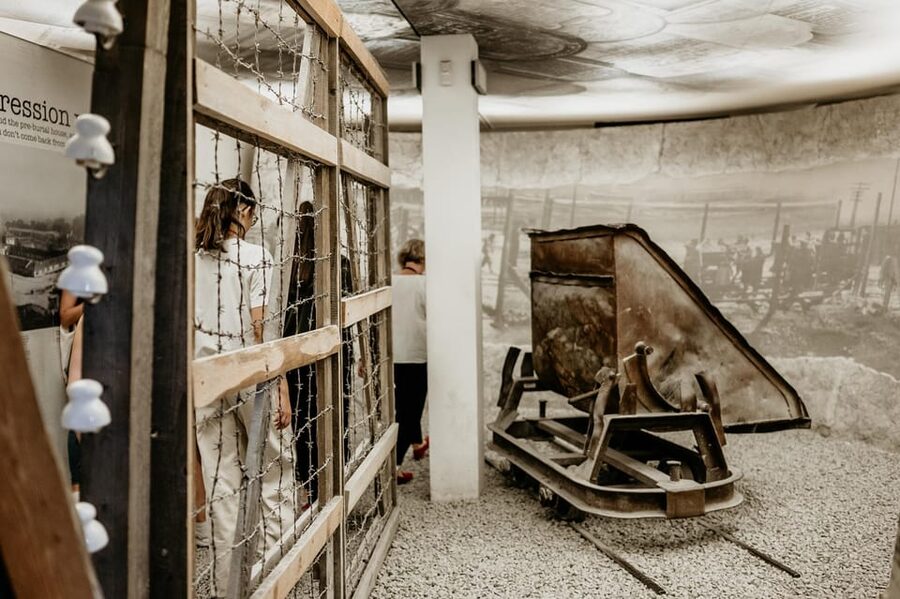
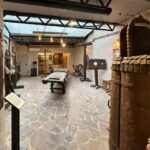
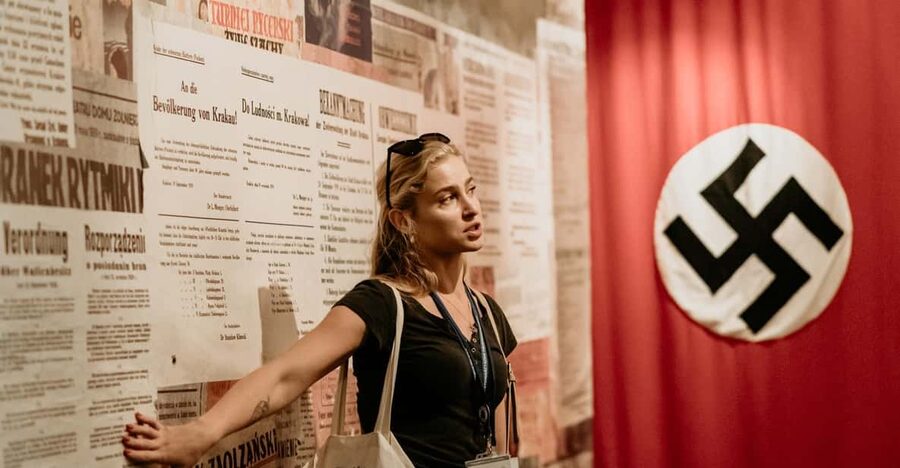
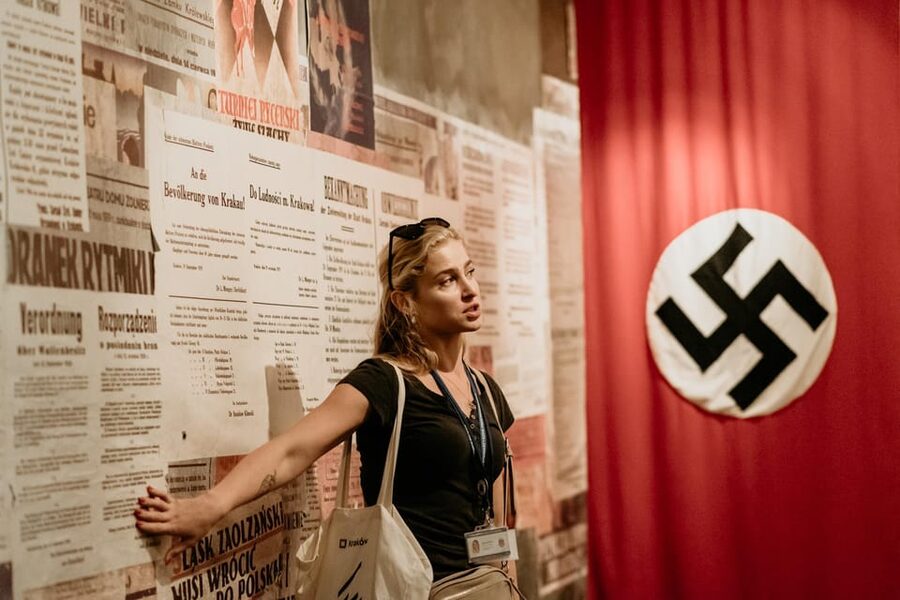
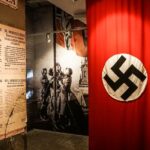
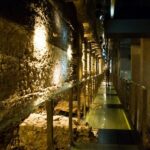
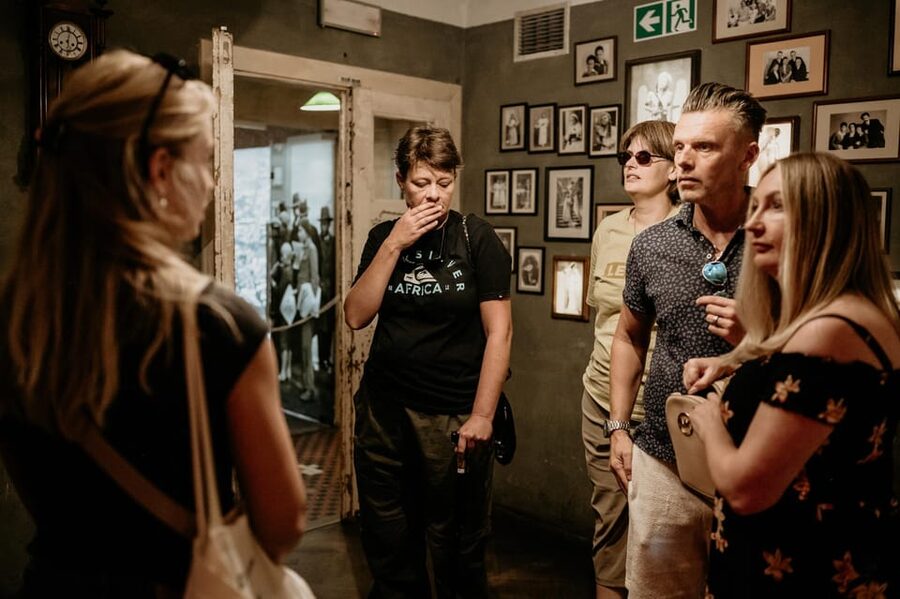
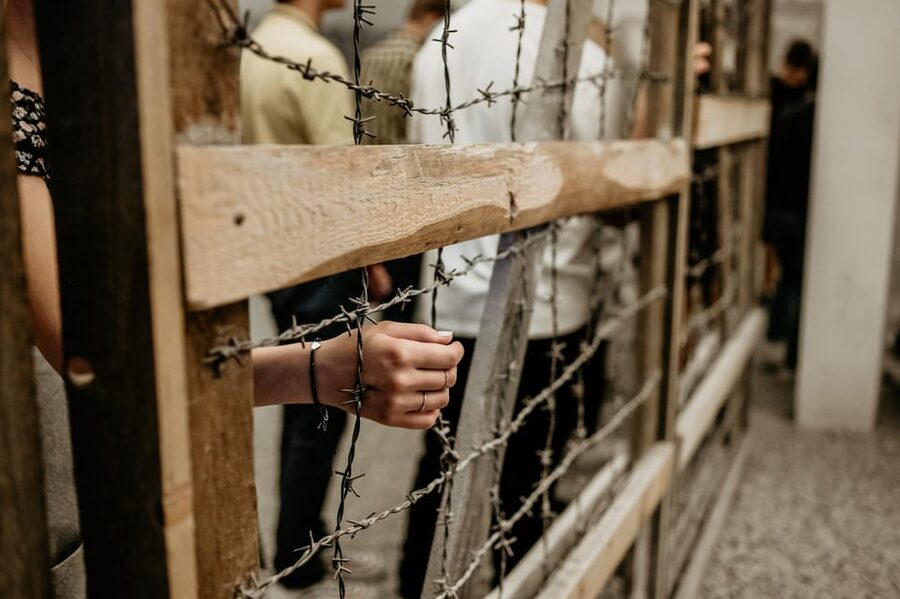
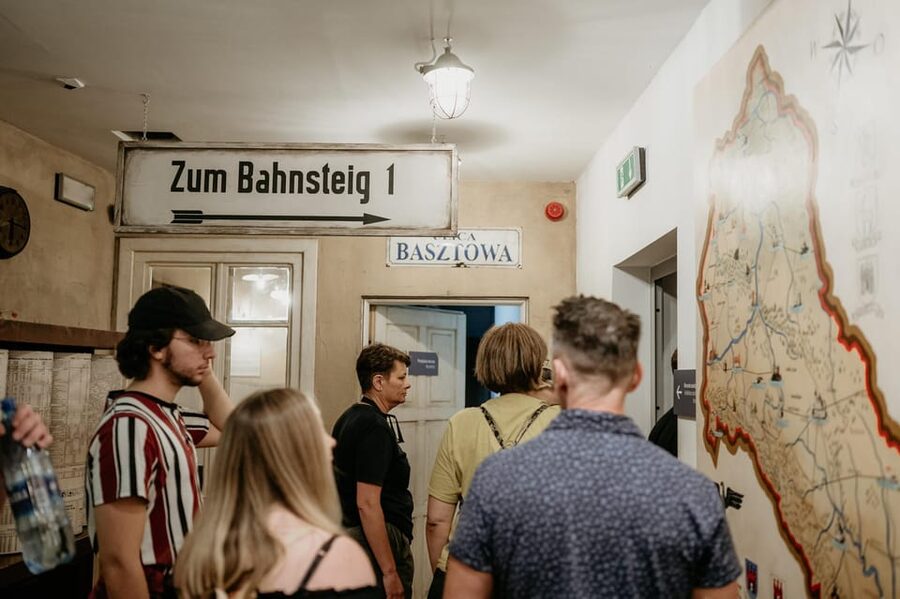
This is where the tour earns its emotional power. The exhibition Kraków under Nazi Occupation 1939–1945 uses artifacts, photographs, and reconstructions to show daily life in occupied Kraków. Many rooms are intentionally narrow and dimly lit, and that design isn’t just aesthetic. It’s meant to help you feel the fear, pressure, and uncertainty people lived with.
You’ll spend time looking at material evidence—photographs and objects that pull you out of vague “war stories” and into the real textures of life. You’ll also learn how both Jewish and non-Jewish residents experienced the city under Nazi rule. That broader view helps you understand occupation as a total system, not a distant event that affected only one group of people.
A practical note: because the lighting is darker and the rooms can feel tight, plan to slow your attention down rather than trying to skim. In places like this, skimming makes you miss what the museum is stressing. If you know you tend to rush through displays, you might want to mentally remind yourself: read the labels for key dates and names, then look up at the bigger story the guide is building.
You can also read our reviews of more museum experiences in Krakow



Narrow Rooms, Fast Pacing: The Only Real Drawback
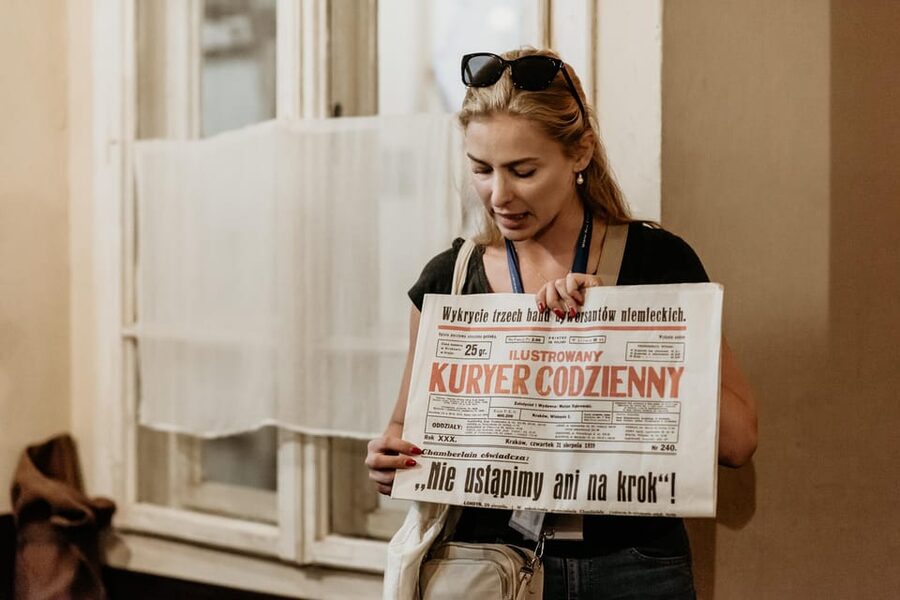
The museum experience can be intense, and that’s why pacing matters. One concern you should take seriously is the group tempo. Some visitors have felt that the guide moved a bit quickly, which can leave you wishing for more time to read.
Here’s how to handle that without ruining the flow:
- If your group is walking fast, pick one or two displays in each room and read them closely, then let the guide cover the rest.
- Don’t fight the lighting. In dim rooms, your eyes adjust slowly. Accept a slower “visual rhythm” so the details register.
- If your head starts spinning, focus on the timeline. The tour’s theme is the occupation years, and following that arc gives your brain something stable to hold onto.
Also, remember it’s a group tour. That means you don’t get the luxury of lingering exactly where you want for as long as you want. If you’re the kind of museum visitor who needs quiet time and long reading sessions, you’ll get the most out of this tour if you treat it as the guided backbone—then consider returning later on your own if you want deeper time in the galleries.
Price and Value: What You’re Paying For at $50
At around $50 per person, this isn’t the cheapest way to see a museum in Kraków. But you’re not paying only for an entrance ticket. You’re paying for three concrete things:
First, skip-the-line admission. That can save real time and energy, especially in a top-demand museum.
Second, you get a licensed live guide. In a museum like this, interpretation is everything. Without context, some rooms can feel like a collection of photos and objects. With a guide, the story connects and the chronology clicks into place.
Third, headsets for larger groups help you actually follow the guide. That’s a small thing that makes a noticeable difference in comfort and attention.
That said, here’s a caution worth taking seriously: one booking experience described having to pay again for admission on site. I can’t confirm whether that’s common, but it’s a good reminder to double-check what’s included on your confirmation. Bring your voucher details, and if anything feels unclear at check-in, ask right away instead of waiting until you’re already inside.
If you’re traveling with limited time and want the most meaningful experience per hour, this price starts to look fair.
Who This Tour Best Suits (and Who Should Rethink It)
This is a strong fit for:
- You want a guided explanation of Nazi-occupied Kraków, not just a self-paced pass through rooms.
- You care about Oskar Schindler’s factory story but also want the wider context of deportations and persecution.
- You’re okay with emotional subject matter and prefer that a trained guide helps hold the narrative together.
It’s a slightly tougher fit for:
- You hate reading museum labels and only want broad strokes.
- You need lots of quiet time in each room. The group format can limit your ability to slow down.
- You’re very sensitive to dark, narrow indoor spaces that are designed to create a tense atmosphere.
On the plus side, it is wheelchair accessible, so mobility doesn’t have to block you from visiting.
Before You Go: The IDs and Name Details That Actually Matter
There’s one logistics rule here that you should treat like a checklist item, not an afterthought. Because the museum uses personalized tickets, you must provide the full names of all participants when reserving and bring a passport or ID for entry. Without those, entry may be denied.
Also, starting January 1, 2026, the tour start times are approximate. You can choose a preferred time, but the exact hour isn’t guaranteed due to the museum’s scheduling. That matters for your day plan—build in buffer time instead of stacking back-to-back reservations.
Should You Book This Schindler’s Factory Guided Tour?
Yes—if you want the fastest path to understanding what you’re seeing and you’ll appreciate interpretation. This is one of those places where a guide doesn’t “add” value; it’s how you connect the rooms into a story.
If you’re budget-tight or you prefer to wander silently, you could consider a self-paced museum visit instead. But if you have limited time in Kraków, want to skip the lines, and are ready for a sobering look at wartime life, this guided tour is a solid buy.
FAQ
FAQ
How long is the Schindler’s Factory Museum guided tour?
The guided tour lasts about 90 minutes.
Where do I meet the guide?
You meet in front of the museum entrance (Oskar Schindler’s Enamel Factory). Look for the person with the excursions.city sign.
Do I need to buy a separate ticket?
The tour includes skip-the-line admission to Schindler’s Factory.
What languages are offered for the live guide?
The live guide is available in French, German, Spanish, English, and Italian.
Do I need to bring identification?
Yes. Because the tickets are personalized, you must provide full names when reserving and bring a passport or ID for entry.
Is the tour wheelchair accessible?
Yes, the tour is wheelchair accessible.
Can I cancel for a full refund?
Yes. You can cancel up to 24 hours in advance for a full refund.