REVIEW · PARIS
Paris: Musée de Montmartre and Gardens Entry Ticket
Book on GetYourGuide →Operated by Musée de Montmartre · Bookable on GetYourGuide
A quiet museum in loud Montmartre. The Musée de Montmartre ticket turns a self-paced visit into a clear story of how the neighborhood became Paris’s creative magnet. You also get time in the gardens, including the Renoir private garden, plus a chance to breathe between the cafés and viewpoints outside.
I like the focus: the Bel Air House (a seventeenth-century building) gives you a real physical anchor before the audio guide starts connecting the past to today’s Montmartre. I also love the pacing—your visit is set by an audio tour (about 90 minutes), but you’re free to slow down for the gardens and coffee shop when the mood hits.
One thing to consider: this is a self-guided experience with an audio guide, not a live guide. If you want Q&A, deep curatorial commentary, or a person to tailor the day to your interests, you’ll need to pair this ticket with something else.
In This Review
- Key Things That Make This Ticket Worth Your Time
- Entering a Seventeenth-Century House With a Montmartre Story
- The Bel Air House: Your First Clue That Montmartre Is Different
- After 19th-Century Annexation: How the Audio Guide Connects the Dots
- Temporary Exhibitions: How They Add Depth Without Overwhelming You
- Renoir Gardens and the Montmartre Vineyard: The Best Break in the Middle
- Café Renoir and the Lunch-Plus-Reset Plan
- Timing Your 1-Day Ticket: How to Avoid a Rushed Feeling
- Price and Value: What $16 Really Buys You
- Who Should Book This Ticket
- Should You Book the Musée de Montmartre Ticket?
- FAQ
- What is included with the Musée de Montmartre ticket?
- Is there a live guide included?
- How long is the audio guide?
- What are the museum opening hours?
- When is the last entry allowed?
- What are the Café Renoir hours?
- Where do I go to start the visit?
- How much does it cost?
- Is the experience wheelchair accessible?
- Can I cancel for a refund and pay later?
Key Things That Make This Ticket Worth Your Time
- Bel Air House as your starting point: a seventeenth-century building and the oldest structure in Montmartre sets the tone.
- 90-minute audioguide story format: learn how Montmartre changed after it was annexed to Paris.
- Cabaret and theater names you can place: Chat Noir, shadow theatre (created in 1866), and the performers linked to Montmartre.
- Renoir private garden + vineyard: plant-filled stops that break up the museum indoors.
- Permanent plus temporary exhibitions: you’re not limited to one narrow theme.
- A calmer visit style: you can move at your pace and take rests in the Café Renoir area.
Entering a Seventeenth-Century House With a Montmartre Story
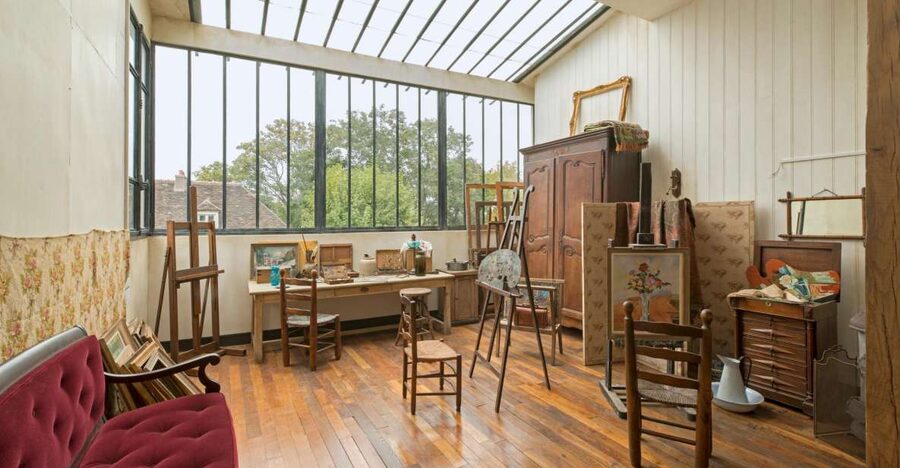
Montmartre is famous for streets you want to wander, but it’s easy to miss the layers underneath. This museum gives you a straightforward way to understand how that neighborhood became an arts center in the late 1800s—without turning it into a checklist.
Your ticket is timed as a 1-day pass, but the visit itself is built around an audio guide that lasts about 90 minutes. Plan on a second rhythm after that: stroll, read what catches your eye, and spend time in the garden areas. The museum is open 10:00 AM to 7:00 PM, and you’ll want to aim for earlier in the day if you like a long, unhurried walk through everything.
Also pay attention to simple practical details. You show your voucher at the museum entrance, then you can go in without dealing with the ticket line. That matters in Montmartre, where time and energy get spent fast just getting around.
A few more Paris tours and experiences worth a look



The Bel Air House: Your First Clue That Montmartre Is Different
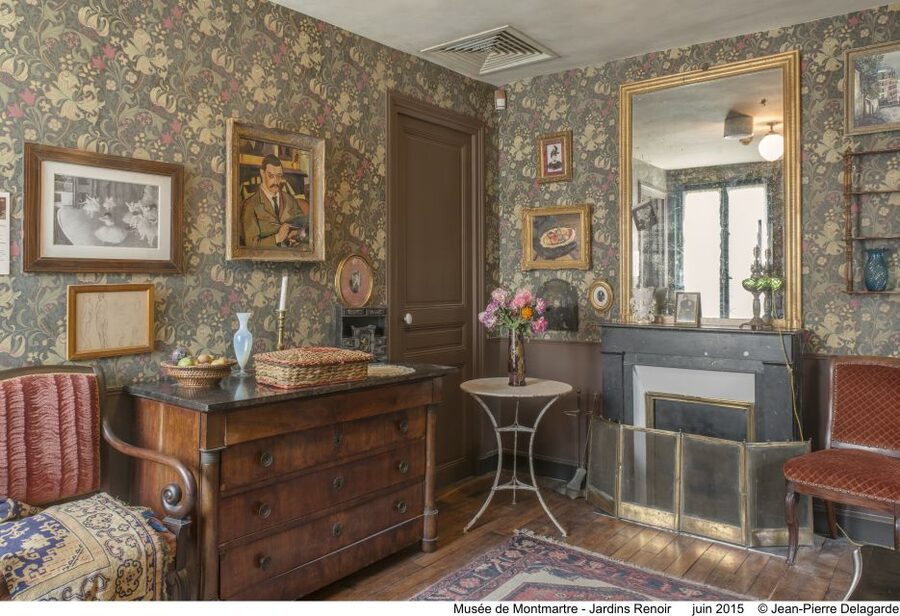
The Bel Air House is the big “start here” moment. It’s described as a seventeenth-century building and the oldest structure in Montmartre, so it puts you in the right frame immediately. Before you hear about nightlife, studios, and shows, you’re standing in a place that already existed when the neighborhood was forming its character.
That age matters. Montmartre didn’t become “Montmartre” overnight, and the museum’s layout helps you feel that shift. The audio guide connects the building and its setting to the neighborhood’s growth, and then to the artistic energy that later pulled people in.
You’ll also want to keep your eyes on the flow of spaces. Some areas relate closely to the story, while other moments are quieter and meant for looking—like small garden views or spots that feel more like a pause than a “must-see.” If you rush, you’ll miss the point.
After 19th-Century Annexation: How the Audio Guide Connects the Dots
The audio guide isn’t just names and dates. It’s a chain of cause-and-effect that explains why artists moved, why cafés multiplied, and why Montmartre became the place to watch creativity happen in public.
Here’s the arc you’ll hear: in the 19th century, Montmartre was annexed to the city of Paris. After that, the city’s influence reached into what had been more rural countryside. Then you start getting the timing that explains the neighborhood’s explosion: artists begin arriving around 1870, and by the 1880s the cafés and cabarets multiply fast.
The museum uses that momentum to introduce nightlife as part of the creative ecosystem, not just entertainment. For example, you’ll hear about the Chat Noir cabaret and the shadow theatre tradition tied to Henri Rivière and Henry Somm (created in 1866). The point isn’t to turn you into a historian—it’s to help you understand why performances, music, circus, and dance all sat side by side with painting and drawing in Montmartre.
You’ll also encounter performer names that make the era feel more concrete, including Aristide Bruant and Yvette Guilbert. The museum also references dancers linked to the Moulin Rouge, such as La Goulue, and performers with names including La Môme Fromage and Grille d’Egouts. Toulouse-Lautrec is mentioned as one of the artists who often represented these shows. If you’ve seen Lautrec’s prints before, this is a practical way to connect the artwork to the lived scene that produced it.
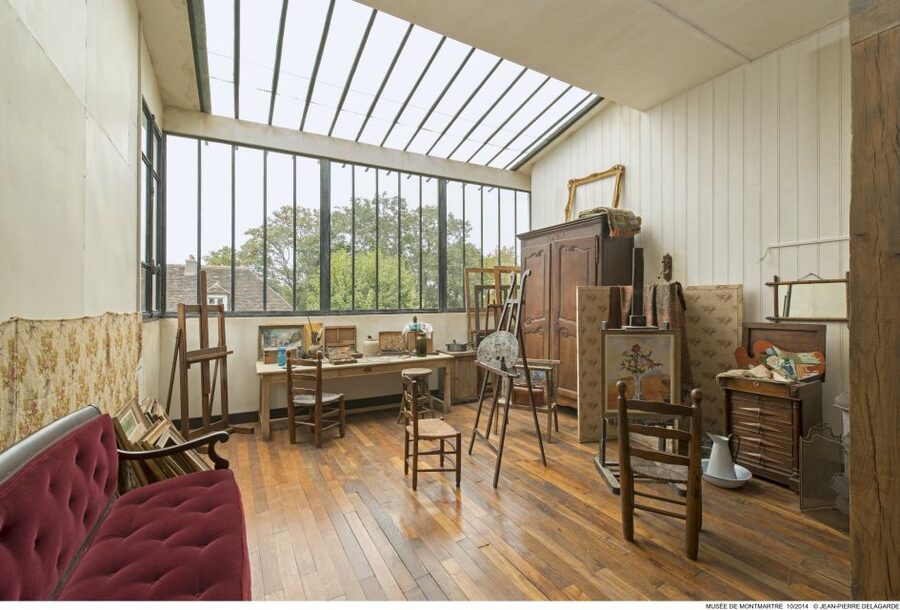
And then there’s the studio angle. You’ll hear about 12 Cortot, an artist space that witnessed the passage of multiple artists—some of whom lovingly painted their residences. That’s a subtle but important detail: it reframes Montmartre from “a backdrop” into a network of places where artists built community.
Temporary Exhibitions: How They Add Depth Without Overwhelming You
Your ticket includes access to both the permanent collection and temporary exhibitions. That blend is smart because a neighborhood museum risks being either purely “storytelling” or purely “art-focused.” Here, temporary exhibits give you a chance to connect the Montmartre theme to specific artists and works.
Based on the range of what people report, the temporary show can be a real reason to allocate extra time, not just a bonus corner. Even when you’re most interested in the Montmartre narrative, those added rooms help you see that the neighborhood’s creative energy wasn’t one flat style. It changed over time, and the museum format reflects that.
One practical note: museum layouts can include spaces that are easy to miss if you only move in a straight line. I’d plan for at least a couple of moments where you stop, look for signage, and confirm you’re not skipping a room. The best part of this kind of small museum is that it rewards attention, not speed.
Renoir Gardens and the Montmartre Vineyard: The Best Break in the Middle
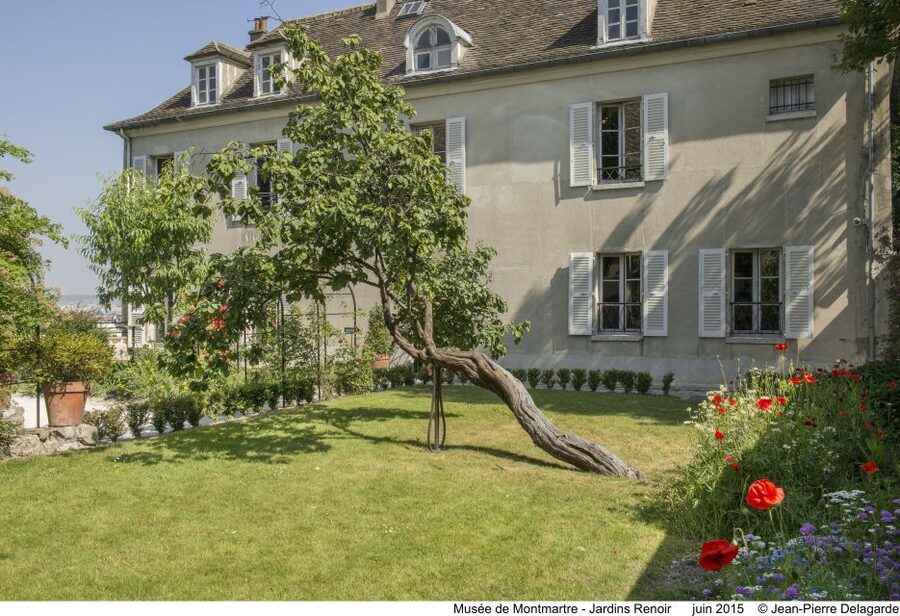
The gardens are where the museum shifts gears from indoor storytelling to outdoor breathing space. Your ticket includes access to the museum gardens, plus the Renoir private garden, and the highlights specifically call out luxuriant flora and the Montmartre vineyard.
This matters because Montmartre outdoor time can be noisy and crowded—especially near the big viewpoint areas. Inside the museum property, the garden sections act like a reset button. You get a different Montmartre texture: less performance energy, more quiet, light, and seasonal plant life.
If you like impressionist connections, the Renoir element is a natural match. Even if you’re not an expert, the garden access helps you feel how artists might have sought calm within a lively district. And if you love photographs, this is also one of the easiest places to shoot without chasing crowds.
Timing helps here. If you’re visiting midday, schedule your garden stop so you’re not rushing the indoor rooms at the end. The gardens can be the part you’re glad you didn’t skim.






Café Renoir and the Lunch-Plus-Reset Plan
The ticket includes access to the coffee shop, and the museum notes Café Renoir hours as 11:00 AM to 6:00 PM. In practice, this is more than a snack stop. It’s one of the main “stay awhile” features because it gives you a place to cool down, regroup, and enjoy the calm after reading and listening.
Build it into your day like you would a mini break on a walking tour. You can use it before the audio wraps up, or after you’ve done the indoor story and want a gentler landing.
One consideration: the Café Renoir can close for private events on certain days. If this is your must-do (especially if you’re visiting with kids), keep a flexible plan. Have a simple backup like focusing on garden time and gift shopping even if the café is unavailable.
Also, skip the pressure to do a full meal. Think chocolate, coffee, and a slow sit. People tend to love this part because it changes the mood from museum brain to human brain.
Timing Your 1-Day Ticket: How to Avoid a Rushed Feeling
This is a 1-day ticket, but it functions like a half-day experience with optional extras. The audio guide is about 90 minutes, and you’re welcome to stay and explore at your own pace.
To make it feel generous, use a simple schedule:
- If you go early, you can do the main museum story, then take a garden break when the light feels best.
- If you go later, prioritize the areas the museum guides you through and plan a shorter garden loop so you don’t end up sprinting.
The museum closes at 7:00 PM, and the last entry is 45 minutes before closing. So don’t arrive right at 6:15 and expect a full visit. You want time for both the indoor exhibits and the garden areas, especially since some sections can take longer than expected when you’re reading and looking carefully.
One more practical tip: Montmartre days often include stairs. If you’re planning this ticket alongside other Montmartre stops, leave buffer time for getting there and settling in. The museum is a treat when you don’t treat it like a timed mission.
Price and Value: What $16 Really Buys You
At about $16 per person, this ticket is mainly “value for time.” You’re not just paying for entry. You’re also getting:
- entrance to permanent and temporary exhibitions
- access to museum gardens
- access to the Renoir private garden
- use of an audio guide
- access to the coffee shop
- skip the ticket line
That mix is what makes the price feel fair. A standard museum ticket might give you one track indoors. Here, the ticket is structured to support two tracks: indoor Montmartre storytelling and outdoor garden resets. The audio guide is key too—because it lets you control how fast you move through the narrative.
This ticket fits best if you like self-guided travel. If you enjoy reading, listening, and wandering without a group herding pace, you’ll likely get your money’s worth quickly. If you need a live guide, though, the price won’t solve that gap—you’d need an added service for the level of explanation you want.
Who Should Book This Ticket
I think this one is a strong match for:
- people who want a focused Montmartre orientation without booking a long tour
- anyone who enjoys audio guides and learning a story through spaces
- impressionist or post-impressionist fans who want art connected to the neighborhood that powered it
- travelers who want a calmer stop inside Montmartre’s busy vibe, with garden time as part of the plan
It’s less ideal if:
- you only like museums with heavy guided lectures
- you’re short on time and want one single “top exhibit” without a narrative arc
- you need the café to be guaranteed every day (private events can happen)
It is wheelchair accessible, which is also a plus for planning a day around an easier museum environment.
Should You Book the Musée de Montmartre Ticket?
Yes, I’d book it if you want Montmartre with structure. The museum gives you a clear story—from the annexation period to the rise of cabarets and studios—and it does that in a setting that makes the lesson stick. Add in the Renoir private garden and the vineyard, and you get a day that feels more human than a crowded city walk.
Pass if you’re hunting for a live expert guide or you’re expecting a massive museum with dozens of rooms and only one style of attraction. This is small, intimate, and story-driven. If that matches your travel style, it’s a very good value use of time in Paris.
FAQ
What is included with the Musée de Montmartre ticket?
The ticket includes entrance to the museum’s permanent and temporary exhibitions, access to the museum’s gardens and coffee shop, skip-the-ticket-line entry, access to the Renoir private garden, and an audioguide.
Is there a live guide included?
No. A live guide is not included. The visit uses an audioguide.
How long is the audio guide?
The audio guide lasts about 90 minutes, and you can stay longer to explore at your own pace.
What are the museum opening hours?
The museum is open from 10:00 AM to 7:00 PM.
When is the last entry allowed?
The last entry is 45 minutes before the halls close.
What are the Café Renoir hours?
The Café Renoir is open from 11:00 AM to 6:00 PM.
Where do I go to start the visit?
Show your voucher at the museum entrance.
How much does it cost?
The price listed is $16 per person.
Is the experience wheelchair accessible?
Yes, the museum is wheelchair accessible.
Can I cancel for a refund and pay later?
Yes. You can cancel up to 24 hours in advance for a full refund. You can also reserve now and pay later.