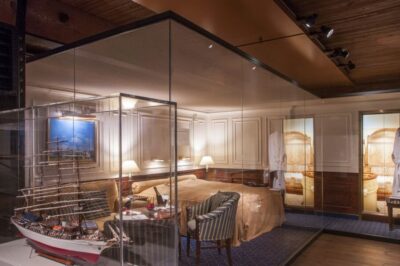
REVIEW · MILAN
Milan: Natural History Museum Entry Ticket & Audio Guide
Book on GetYourGuide →Operated by Vox City International · Bookable on GetYourGuide
A museum story in your phone. This Natural History Museum ticket combines entry with a smartphone audio guide that walks you through science by subject and era, using 40+ audio stops. You’ll love the self-guided audio points (so you can move when you want) and the clear digital map that helps you get your bearings; the only real snag is you must bring headphones and a charged smartphone to make it work smoothly.
You start at Indro Montanelli Gardens, Corso Venezia 55, and you can finish in about two hours at an easy pace. The museum sits right by the Public Gardens of Milan, so even between rooms you get a change of scenery. One more practical note: this is mostly a show-up-and-scan experience, so don’t count on a guide talking you through everything in real time.
In This Review
- Key highlights worth planning for
- A $12 ticket that turns “walk around” into a guided museum run
- Finding the entrance at Corso Venezia, then using your e-ticket fast
- How to pace yourself through 40+ audio points without losing the plot
- Paleontology, mineralogy, zoology, botany: the four-track science route
- The building and garden views that make it feel less like homework
- Practical tips: headphones, app download, and avoiding audio-guide headaches
- Should you book this Milan Natural History Museum audio ticket?
- FAQ
- Where is the Natural History Museum located?
- How much time should I plan for the visit?
- How much does the ticket cost?
- Is a guided tour included?
- What languages are available for the audio guide?
- Do I need headphones?
- How do I get my audio guide on my phone?
- When will I receive my e-ticket?
- Can I skip the ticket line?
- Is the museum wheelchair accessible?
Key highlights worth planning for
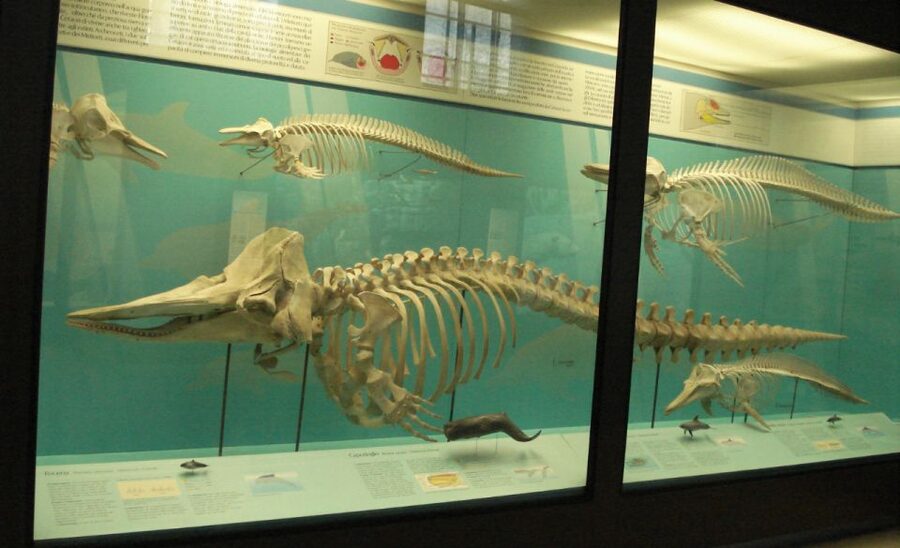
- Entry ticket + smartphone audioguide in English, Italian, and French (German comes later)
- 40+ audio points with a digital map to keep you from zigzagging randomly
- Four science tracks: paleontology, mineralogy, zoology, and botany
- Historic 19th-century roots explained through specimens and stories
- Garden views outside the galleries, perfect for quick breaks between rooms
A $12 ticket that turns “walk around” into a guided museum run

At $12 per person, this package is good value because you’re not just buying entry—you’re also getting a smartphone audioguide with more than 40 stops. If you normally skip audio guides because you think they’ll be slow or generic, this one is built for moving through rooms with purpose. You’re spending roughly the same as a standalone museum entry in many places, but here you also get the narration and the map.
The two-hour duration matters. It’s long enough to hit the main sections without turning your brain into a slideshow, but short enough that you won’t feel trapped. If you’re the kind of visitor who wants to linger on every label, you might not cover every audio point. Still, you can treat it like a “best hits” tour and let the science stories steer you.
One small caution: headphones are not included. That means you’ll either bring your own wired earbuds (or Bluetooth headphones) or you’ll be stuck reading silently while others listen. Yes, it’s a little old-school—bring headphones and you’ll feel like you’re cheating.
A few more Milan tours and experiences worth a look


Finding the entrance at Corso Venezia, then using your e-ticket fast
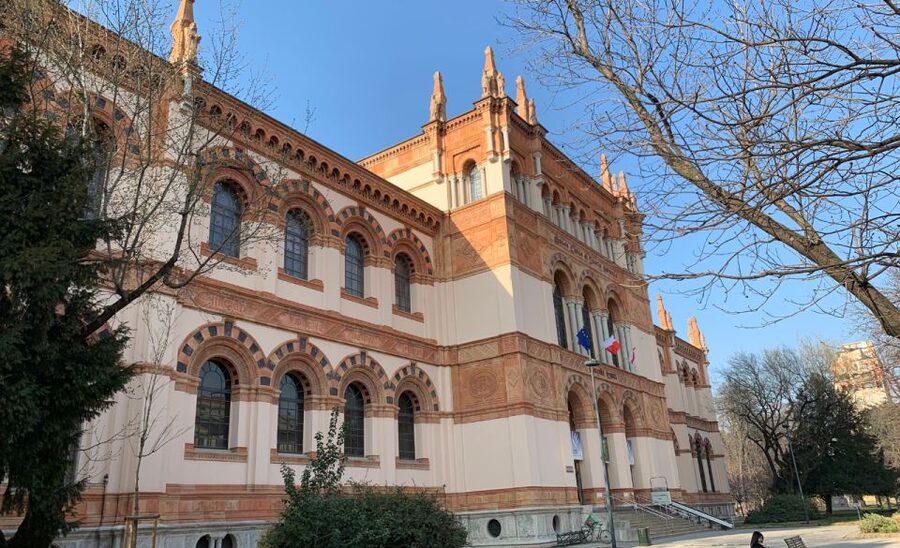
The meeting point is simple: head straight to the Natural History Museum at Indro Montanelli Gardens, Corso Venezia 55. That’s helpful because you don’t need to meet a specific person at a specific time. In practice, this kind of self-entry works best when you arrive ready to show your mobile ticket.
You’ll use an e-ticket on your phone. The ticket is sent and made available for download via WhatsApp within 24 hours of your travel date, and you enter by showing that QR/e-ticket on your device to staff. Before you go in, scan the QR code on your voucher to download the audio guide—doing that early prevents the classic “no signal, no audio” problem.
If you’re coming straight from the street, keep your smartphone charged. The audio guide depends on it, and you don’t want to stand in the lobby doing power math. Think of it like this: you bought time, not extra battery.
How to pace yourself through 40+ audio points without losing the plot
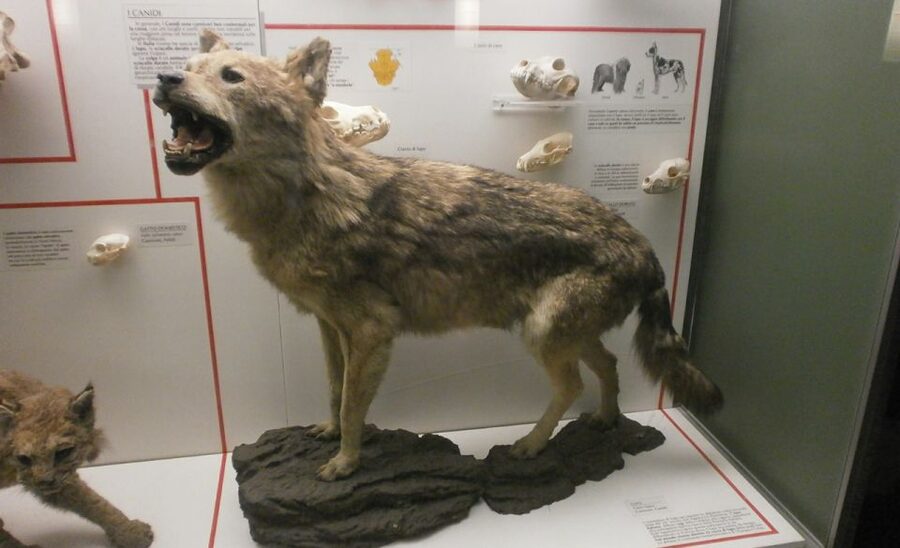
The heart of the experience is the smartphone audioguide: over 40 audio points of interest, plus a digital map for navigation. This combination is what makes the visit feel organized rather than random. You’ll get audio stories tied to the museum’s collections, and you can move at your own speed—pause, replay, skip ahead, and come back later.
Here’s a practical way to use the two hours. Start with the audio points that set the scene—how the museum connects its 19th-century foundation to modern understanding of nature. Then let the guide pull you into the four big sections (paleontology, mineralogy, zoology, botany), choosing the stops that sound most interesting to you rather than trying to listen to everything in order.
The digital map is especially useful if you hate backtracking. Museums can be labyrinth-like, and the map helps you go room-to-room with fewer detours. If you notice you’re getting tired—trust your gut and switch to the stops that match your mood. Science listening, like sightseeing, works better in chunks.
And if you run into an audio glitch? Don’t panic. You can still read labels and enjoy the specimens while you sort out your device settings.
Paleontology, mineralogy, zoology, botany: the four-track science route
This museum’s audioguide focuses on key themes across the natural sciences: paleontology, mineralogy, zoology, and botany. That structure is great for you if you want variety. One moment you’re hearing evolutionary stories and fossil context; the next you’re looking at the mineral formations that shape how the planet formed; later you’re seeing the diversity of life across animal and plant worlds.
Paleontology is where many visitors feel the biggest wow-factor. Fossils aren’t just objects in a case here—they’re presented as evidence that helps explain changes over time. With audio points tied to the collection, you get more than “what this is.” You get why it matters.
Mineralogy brings you from living things to the building blocks of the Earth. The guide’s mineral-themed sections help you connect formations to the wider story of how nature produces different shapes and textures. If you like geology-style explanations, this track usually lands well because it turns visual details into something you can follow.
Zoology and botany round things out by expanding the idea of “life on Earth.” The audioguide’s emphasis on diversity helps you understand that conservation isn’t just a slogan—it’s connected to the variety of species and ecosystems you’re seeing in the rooms. There are also conservation-focused stories included, which gives the visit a modern heartbeat instead of stopping at old specimens.
The building and garden views that make it feel less like homework
You’re not stuck inside a box all day. The museum is in a historic building in Indro Montanelli Gardens, with views over the Public Gardens of Milan. That means you can step out between rooms (or just look toward windows) and reset your eyes before returning to the glass cases.
Architectural elegance matters here because it changes the pace. A science museum can feel intense if every room is dark and crowded. The gardens nearby help break that up, so the overall experience feels calmer and more reflective than a typical indoor sprint.
If you’re trying to plan a quieter visit, aim for a day/time when the museum feels relaxed. One visitor noted it was especially calm on a Sunday, and that matches the general idea that weekend crowds can be uneven depending on the day and time. You won’t control everything, but you can choose a calmer moment and use your two hours wisely.
You can also read our reviews of more guided tours in Milan



Practical tips: headphones, app download, and avoiding audio-guide headaches

Let’s keep this simple. Bring headphones and a charged smartphone. The package doesn’t include headphones, and the audioguide depends on your device once you’re in the galleries. If your battery is low, stop using the map and audio until you’re fixed up—no one enjoys standing still while their phone wheezes.
Before arrival, download the audio guide by scanning the QR code from your voucher. This is the most reliable way to get the correct guide content. If you receive any link messages, use the QR code route as the source of truth, since that matches the download process stated for this ticket.
Also, keep expectations realistic about what this is. There’s no live guided tour included. You’re doing self-guided listening, which is exactly why the audio points and digital map matter. If you prefer a human guide explaining things like a classroom teacher, you may find this format too independent. If you like control—when to listen, what to skip, how long to spend—this fits well.
Should you book this Milan Natural History Museum audio ticket?

Yes—if you want an easy, structured visit without paying for a live guide, this ticket is a strong pick for $12. The best part is that the audio guide is built around actual museum sections (paleontology, minerals, animals, plants) and comes with navigation help. It’s ideal for independent visitors, science-curious folks, and anyone who likes museums but doesn’t want to lose time hunting their way between rooms.
Skip it only if you’re hoping for a fully guided experience, or if you absolutely don’t want to use a smartphone audio app. In that case, a different format (guided tour) would likely feel more natural.
FAQ
Where is the Natural History Museum located?
It’s at Indro Montanelli Gardens, Corso Venezia 55, Milan.
How much time should I plan for the visit?
Plan for about 2 hours.
How much does the ticket cost?
The price listed is $12 per person.
Is a guided tour included?
No. This experience is self-guided using the audio guide.
What languages are available for the audio guide?
The audio guide is available in English, Italian, and French. German is listed as becoming available from 15th April.
Do I need headphones?
Yes. Headphones are not included, so you’ll need to bring your own.
How do I get my audio guide on my phone?
The experience includes an e-ticket and a QR code on your voucher. You scan that QR code to download the audio guide before arrival.
When will I receive my e-ticket?
It will be available for download and sent via WhatsApp within 24 hours of your travel date.
Can I skip the ticket line?
Yes, the experience includes skip-the-ticket-line entry.
Is the museum wheelchair accessible?
Yes, it’s listed as wheelchair accessible.